

The audio book has revolutionized how millions of people consume literature in the digital age. From commuters transforming their daily drives into learning opportunities to fitness enthusiasts pairing workouts with compelling narratives, audio books have become an essential format for modern readers. This comprehensive guide explores everything you need to know about audio books, from their production process to market trends, helping you understand why this format continues to gain remarkable traction in 2026.
The Evolution and Current State of Audio Books
The audio book industry has experienced unprecedented growth over the past decade. U.S. audiobook sales reached $2.43 billion in 2025, marking a 9% increase from the previous year, demonstrating the format's sustained momentum.
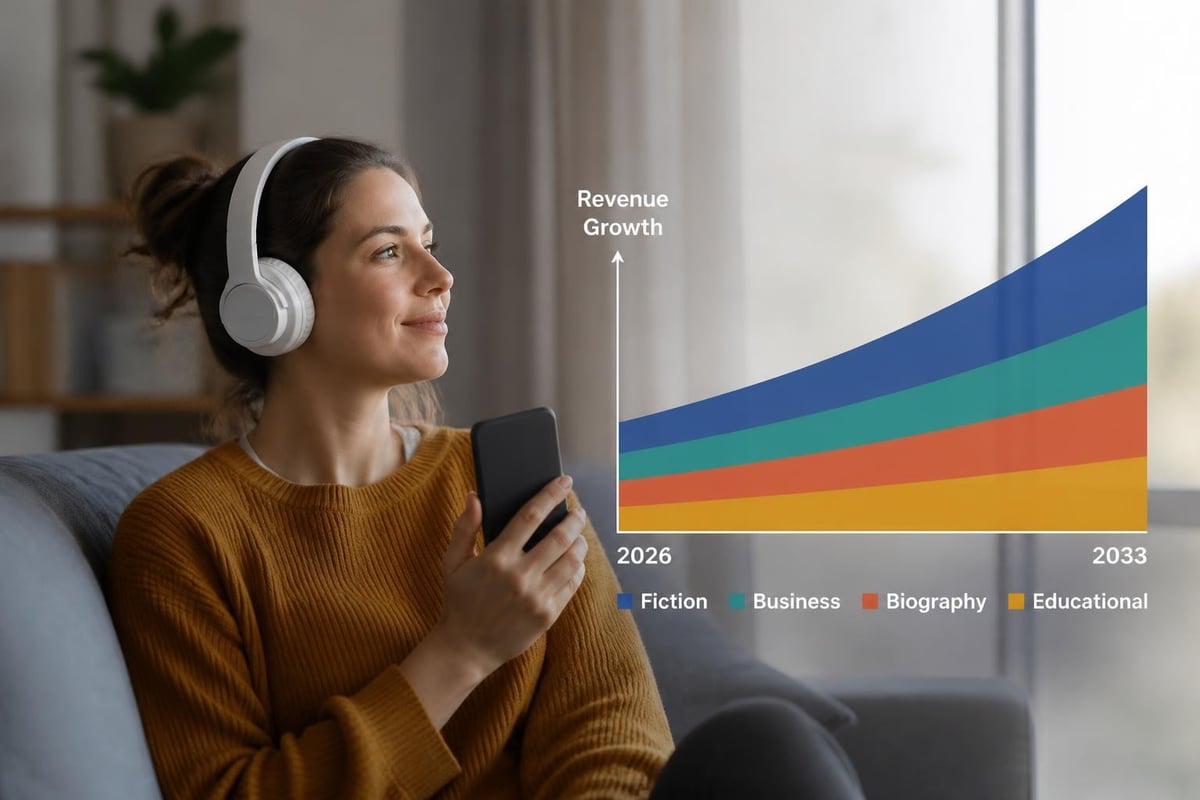
The trajectory looks even more promising globally. According to market research, the audiobook market is projected to expand from $13.9 billion in 2026 to $58.5 billion by 2033, representing a compound annual growth rate of 22.7%. This explosive growth reflects fundamental shifts in consumer behavior and content consumption patterns.
Why Audio Books Continue to Dominate
Several factors contribute to the audio book's rising popularity among diverse demographics:
- Multitasking capability: Listeners can consume content while driving, exercising, or completing household tasks
- Accessibility features: Audio format benefits individuals with visual impairments or reading difficulties
- Professional narration: Skilled voice actors enhance storytelling through vocal performance and character differentiation
- Time efficiency: Busy professionals can consume more books annually through audio format
- Commute optimization: Transform unproductive travel time into educational or entertainment opportunities
The convenience factor cannot be overstated. Unlike traditional reading, which requires dedicated attention and specific lighting conditions, the audio book adapts to virtually any environment or activity.
How Audio Books Are Produced
Understanding the production process reveals why quality audio books command premium pricing and dedicated listener loyalty. The audiobook production timeline typically involves multiple stages, each requiring specialized expertise and significant time investment.
The Production Timeline
| Production Stage | Duration | Key Activities |
|---|---|---|
| Pre-production | 1-2 weeks | Script review, narrator selection, scheduling |
| Recording | 3-7 days | Vocal performance, chapter recording, quality checks |
| Editing | 2-3 weeks | Audio cleanup, correction, pacing adjustments |
| Post-production | 1-2 weeks | Mastering, quality assurance, format conversion |
| Publication | 1 week | Platform upload, metadata optimization, distribution |
The narrator selection process deserves special attention. Publishers carefully match narrator expertise with content genre, ensuring that business books receive authoritative voices while fiction benefits from dramatic range and character versatility.
Recording quality standards have evolved significantly. Modern audio books require pristine sound quality, with strict specifications for noise floor, dynamic range, and tonal consistency. Professional recording studios employ specialized equipment and acoustic treatment to achieve broadcast-quality results.
Professional narrator Julia Whelan has discussed both the artistic satisfaction and financial challenges inherent in audiobook narration, highlighting the specialized nature of this profession. Narrators typically record 6,000 to 9,000 finished words per recording day, though complex texts with technical terminology or multiple characters may slow this pace considerably.
Major Platforms and Distribution Channels
The audio book ecosystem features several dominant platforms, each offering distinct advantages and targeting specific listener segments.
Platform Comparison
Subscription Services provide unlimited listening for monthly fees, appealing to voracious consumers who complete multiple titles monthly. These platforms typically offer extensive catalogs spanning genres from fiction to business, comics to biographies.
À la carte marketplaces allow individual title purchases, suiting occasional listeners or those seeking specific works. This model provides ownership rather than access, with files remaining available indefinitely.
Library services partner with public libraries, offering free borrowing through digital platforms. This channel expands accessibility while supporting public institutions.
Spotify has significantly impacted the market, tripling its English-language audiobook catalog while experiencing a 35% increase in listening hours year-over-year. The streaming giant's entry demonstrates how established audio platforms can successfully expand into spoken-word content.

Competitive Pricing Strategies
Recent market dynamics have intensified competition among platforms. Audible launched a more affordable subscription tier targeting entry-level listeners, offering strategic pricing to capture casual consumers who might find premium tiers prohibitive.
This pricing diversification benefits consumers by creating options across budget ranges:
- Premium unlimited plans ($15-20/month)
- Mid-tier limited selection plans ($8-12/month)
- Credit-based systems (1-2 books/month)
- Individual purchase options ($10-40 per title)
Enhanced Features and Technology Integration
Modern audio book platforms continuously innovate to improve user experience and engagement. These technological enhancements differentiate the audio book from simple MP3 files, creating interactive, personalized experiences.
Synchronization and Accessibility
Audible’s Read and Listen feature synchronizes text and audio, allowing seamless transitions between reading and listening. This innovation particularly benefits:
- Language learners following along with text
- Students analyzing literary passages
- Accessibility users requiring multiple format options
- Commuters switching between devices throughout the day
However, this feature requires owning both formats, which some consumers view as a limitation rather than enhancement.
Personalization Through Artificial Intelligence
Advanced platforms employ sophisticated algorithms to enhance content discovery. Spotify utilizes graph neural networks to deliver personalized audiobook recommendations, addressing the challenge of matching millions of listeners with appropriate content from vast catalogs.
These recommendation systems analyze:
- Listening history: Completed titles, abandoned books, repeat listens
- Genre preferences: Fiction versus non-fiction, specific category affinities
- Narrator preferences: Voice characteristics and performance styles
- Consumption patterns: Listening speed, session duration, time of day
- Similar user behavior: Collaborative filtering based on listener cohorts
The audio book benefits tremendously from these technological advances, as discovery remains crucial in markets containing hundreds of thousands of titles.
Genre Performance and Consumer Preferences
Different categories perform distinctively in audio format, with certain genres demonstrating particular strength as audio books.
Top-Performing Categories
| Genre | Audio Performance | Key Success Factors |
|---|---|---|
| Business | Excellent | Educational value, commute compatibility |
| Biographies | Outstanding | Narrative structure, character-driven content |
| Fiction | Superior | Narrator performance enhances storytelling |
| Self-help | Strong | Actionable content, re-listening value |
| Comics/Graphic novels | Emerging | Full-cast production, sound effects integration |
Business and professional development titles excel in audio format because listeners often consume this content during commutes or while performing routine tasks. The audio book serves as continuing education, transforming otherwise unproductive time into professional development opportunities.
Biography and memoir categories benefit from the intimate nature of audio narration. First-person narratives gain authenticity when authors narrate their own stories, creating personal connections with audiences.
Fiction remains the largest category, with mystery, thriller, and romance subgenres showing particular strength. The audio book format enhances suspense through pacing, vocal inflection, and dramatic pauses that written text cannot replicate.
Comics and Graphic Novels in Audio Format
The adaptation of visual media presents unique challenges and opportunities. Successful comic book audio productions employ:
- Full-cast narration with distinct character voices
- Sound effects reinforcing action sequences
- Musical scores establishing mood and pacing
- Descriptive narration replacing visual panels
This innovative approach expands accessibility while creating entirely new artistic expressions of the source material.
Consumer Behavior and Listening Habits
Understanding how people consume audio books reveals important insights for publishers, platforms, and content creators working in this space.

Where and When People Listen
Research indicates that the audio book accompanies diverse activities throughout listeners' daily routines:
- 35% during commutes: Driving and public transportation represent peak listening times
- 28% during exercise: Gym sessions, running, and walking provide extended listening opportunities
- 22% during household tasks: Cooking, cleaning, and yard work pair well with audio content
- 15% before sleep: Relaxation and bedtime routines incorporate calming narratives
This versatility explains why the audio book continues gaining market share against traditional formats. Rather than competing for dedicated reading time, audio books create entirely new consumption occasions.
Completion Rates and Engagement
The audio book format demonstrates higher completion rates compared to e-books in certain categories, particularly for lengthy non-fiction works. Several factors contribute to this phenomenon:
Commitment through listening: Starting an audio book during a commute creates natural continuation points, encouraging listeners to finish chapters and ultimately complete titles.
Reduced abandonment friction: Unlike physical books requiring conscious decisions to stop reading, audio books simply pause when interrupted, making resumption effortless.
Sunk cost perception: Listeners who invest time in early chapters feel motivated to continue, particularly with subscription services where content is already "paid for" through monthly fees.
Pricing Models and Consumer Value
The economics of audio book consumption have evolved considerably, with multiple models now serving different consumer segments and reading habits.
Ownership Versus Access
Consumers face fundamental choices between owning individual titles permanently or accessing rotating catalogs through subscriptions. Each model offers distinct advantages depending on consumption volume and preferences.
Individual ownership suits collectors and those who re-listen to favorite titles. Business books, self-help content, and reference material particularly benefit from permanent access, as listeners often return to specific chapters or sections.
Subscription access delivers superior value for high-volume consumers completing multiple titles monthly. The audio book becomes an affordable entertainment and education source when subscription costs divide across numerous finished titles.
Premium Content and Exclusive Releases
Publishers increasingly leverage exclusive content and early releases to drive platform loyalty. Original productions, celebrity narrators, and author-narrated editions command premium positioning and pricing.
Some platforms experiment with tiered releases, offering:
- Exclusive early access for premium subscribers
- Standard release for regular subscribers after delay period
- Individual purchase availability following subscription window
- Library lending rights after extended exclusivity period
This windowing strategy mirrors film industry practices, maximizing revenue across consumer segments while managing distribution carefully.
The Future Landscape of Audio Books
The audio book market continues evolving rapidly, with several trends shaping the industry's trajectory through 2026 and beyond.
Technological Innovations on the Horizon
Artificial intelligence promises to revolutionize both production and consumption. Emerging technologies include:
- Synthetic narration: AI-generated voices reducing production costs for backlist titles
- Personalized narration speed: Dynamic pacing adjustments based on content complexity
- Interactive storytelling: Branching narratives responding to listener choices
- Automated translation: Real-time language conversion expanding global markets
- Biometric integration: Emotion detection adjusting narration characteristics
These innovations will make the audio book more accessible, affordable, and engaging while presenting challenges regarding narrator employment and artistic authenticity.
Market Expansion Opportunities
Geographic expansion represents significant growth potential. While North American and European markets lead current consumption, emerging markets in Asia, Latin America, and Africa show promising early adoption patterns.
Localized content creation, regional platform partnerships, and smartphone penetration will accelerate international growth. The audio book format particularly suits markets where literacy rates are developing or where commuting patterns favor audio consumption.
Integration With Educational Systems
Academic institutions increasingly recognize the audio book as a legitimate educational tool. Progressive schools incorporate audio books into curricula, acknowledging that comprehension occurs through listening as effectively as through visual reading for many students.
This institutional acceptance will drive long-term growth as younger generations normalize audio consumption alongside traditional reading. Educational publishers are expanding audio catalogs to include textbooks, study guides, and supplementary materials across subjects.
Selecting Quality Audio Books
For consumers navigating vast catalogs at Tell eBook and similar platforms, understanding quality indicators helps identify worthwhile listening experiences.
Evaluation Criteria
| Quality Factor | What to Consider | Why It Matters |
|---|---|---|
| Narrator match | Genre appropriateness, vocal range | Enhances or detracts from content |
| Production quality | Sound clarity, editing precision | Affects listening comfort |
| Length accuracy | Matches advertised duration | Sets proper expectations |
| Sample availability | Preview before purchase | Reduces buyer's remorse |
| Reviews | Narrator performance feedback | Community quality validation |
Narrator reputation significantly impacts enjoyment. Experienced narrators bring professional technique, consistent pacing, and character differentiation that elevate source material. Award-winning narrators often justify premium pricing through superior performance quality.
Production provenance matters equally. Established publishers maintain rigorous quality standards, while some independent productions may exhibit inconsistent audio quality or editing precision.
Building Your Audio Library
Strategic acquisition maximizes value and satisfaction:
- Sample multiple narrators to identify personal preferences
- Balance new releases with classic backlist titles
- Diversify across genres to maintain engagement
- Consider re-listening value when purchasing versus borrowing
- Leverage platform trials to test services before commitment
The audio book collection should reflect both immediate interests and long-term reference value, particularly for business, biography, and educational categories where repeated consumption provides ongoing value.
The audio book has fundamentally transformed how people consume literature, offering unprecedented convenience and accessibility across diverse genres and platforms. Whether you're exploring business insights during your commute or enjoying fiction before sleep, understanding production quality, platform options, and consumption strategies enhances your listening experience. Tell eBook provides an extensive selection of audio books and e-books across fiction, business, comics, and biographies, helping you discover your next great listen with professional curation and competitive pricing.
Ready to start listening? Discover reader favorites like Jade City by Fonda Lee, Uprooted by Naomi Novik, and Star Shipped by Cat Sebastian — all available for instant download. Browse more titles in the Tell eBook shop to discover thousands of audiobooks.