

Finding what's best for books in today's digital landscape requires understanding your reading preferences, lifestyle, and technological needs. Whether you're an avid reader who devours multiple novels monthly or a casual reader who enjoys occasional biographies and business titles, the right combination of devices and platforms can transform your reading experience. With technological advances in 2026, readers have unprecedented access to vast libraries through e-readers, tablets, and digital bookstores that cater to every genre imaginable.
Understanding What Makes a Device Best for Books
The question of what's best for books depends on multiple factors including screen technology, battery life, portability, and content access. Modern e-readers have evolved significantly, offering features that rival traditional tablets while maintaining the eye-friendly qualities that serious readers demand.
Screen Technology Considerations
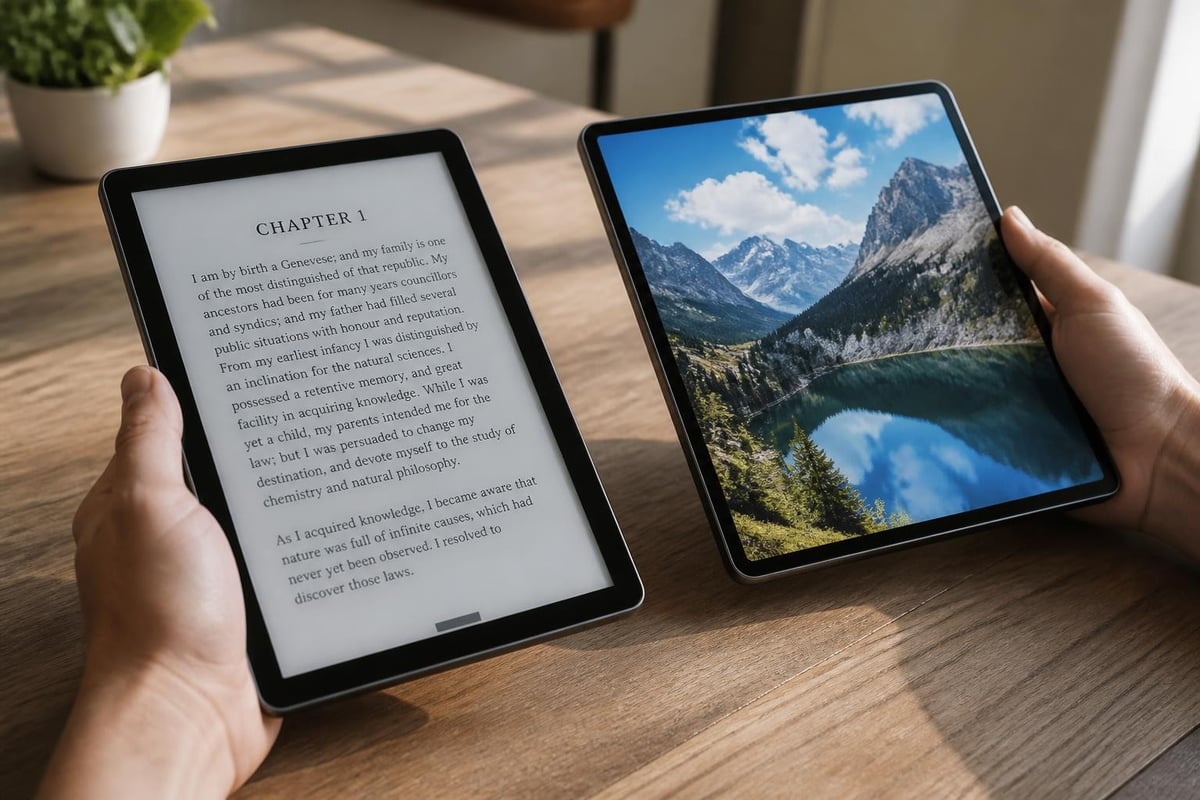
E Ink displays remain the gold standard for extended reading sessions. These screens mimic printed paper, reducing eye strain during marathon reading sessions. The latest E Ink tablets for note-taking and reading now include color capabilities, expanding their versatility beyond simple text consumption.
Key screen features to evaluate:
- Glare reduction for outdoor reading
- Adjustable warm lighting for nighttime use
- Resolution clarity for crisp text rendering
- Color support for illustrated content and comics
- Touch responsiveness for navigation
Battery performance separates dedicated e-readers from multi-purpose tablets. Devices optimized for reading can last weeks on a single charge, while tablets typically require daily charging. This distinction becomes crucial for travelers or readers who prefer uninterrupted access to their library.
Device Categories Best for Books
Different reading devices serve distinct purposes, and understanding these categories helps identify what's best for books based on your specific needs.
Dedicated E-Readers
Purpose-built e-readers focus exclusively on delivering an optimal reading experience. The best eReaders of 2026 prioritize features like extended battery life, vast storage capacity, and distraction-free interfaces. These devices excel at housing extensive libraries from platforms like Tell eBook, providing access to thousands of titles without weighing down your bag.
Storage capacity has expanded dramatically, with many current models offering space for 10,000 books or more. This capacity proves particularly valuable for readers who enjoy switching between business titles and fiction literature based on their mood.
| Feature | Entry-Level | Mid-Range | Premium |
|---|---|---|---|
| Storage | 8-16 GB | 32 GB | 64+ GB |
| Lighting | Basic LED | Warm/Cool Adjustable | Adaptive Color Temp |
| Water Resistance | None | IPX7 | IPX8 |
| Price Range | $80-120 | $150-200 | $250-400 |
Multipurpose Tablets
Tablets offer versatility beyond pure reading functionality. While they consume more battery power, they enable note-taking, web browsing, and multimedia consumption alongside reading. The best tablets with stylus support accommodate readers who annotate extensively or combine reading with creative work.
These devices prove best for books that include interactive elements, detailed diagrams, or color illustrations. Readers exploring comics and graphic novels particularly benefit from larger color screens that showcase artwork as intended.
Format Flexibility: What's Best for Books You Already Own
Modern reading solutions must accommodate various file formats and purchasing ecosystems. The most versatile devices support multiple formats, preventing vendor lock-in and preserving your existing digital library.
Compatible File Formats
- EPUB: The universal standard supported by most platforms
- MOBI/AZW: Amazon's proprietary formats
- PDF: Essential for technical books and documents
- CBZ/CBR: Comic book archives
- Audiobook formats: MP3, M4B, AAC
Platform independence ranks among the most important considerations when determining what's best for books long-term. Devices supporting sideloading allow readers to access content from multiple sources, including personal document conversion and library borrowing services.
Library Management Solutions
Sophisticated readers require robust library management. The best systems offer:
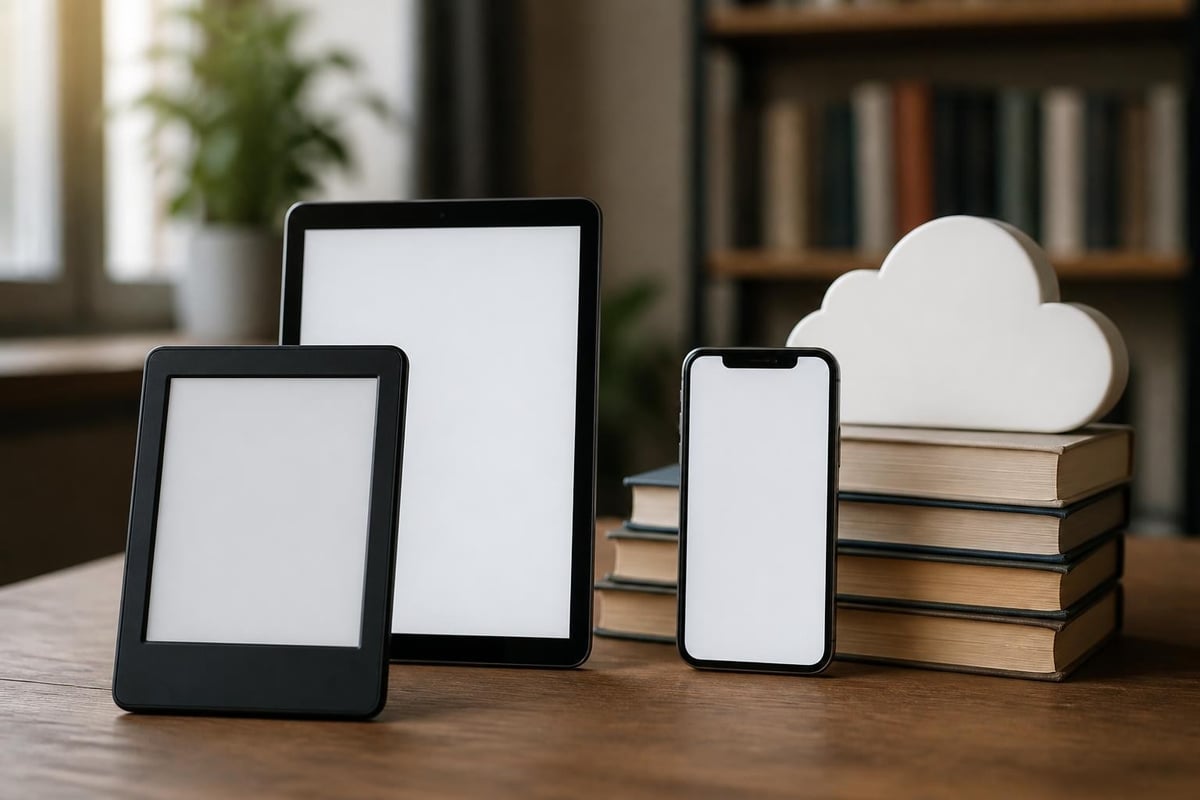
- Cloud synchronization across devices
- Reading progress tracking
- Customizable collections and tags
- Advanced search functionality
- Metadata editing capabilities
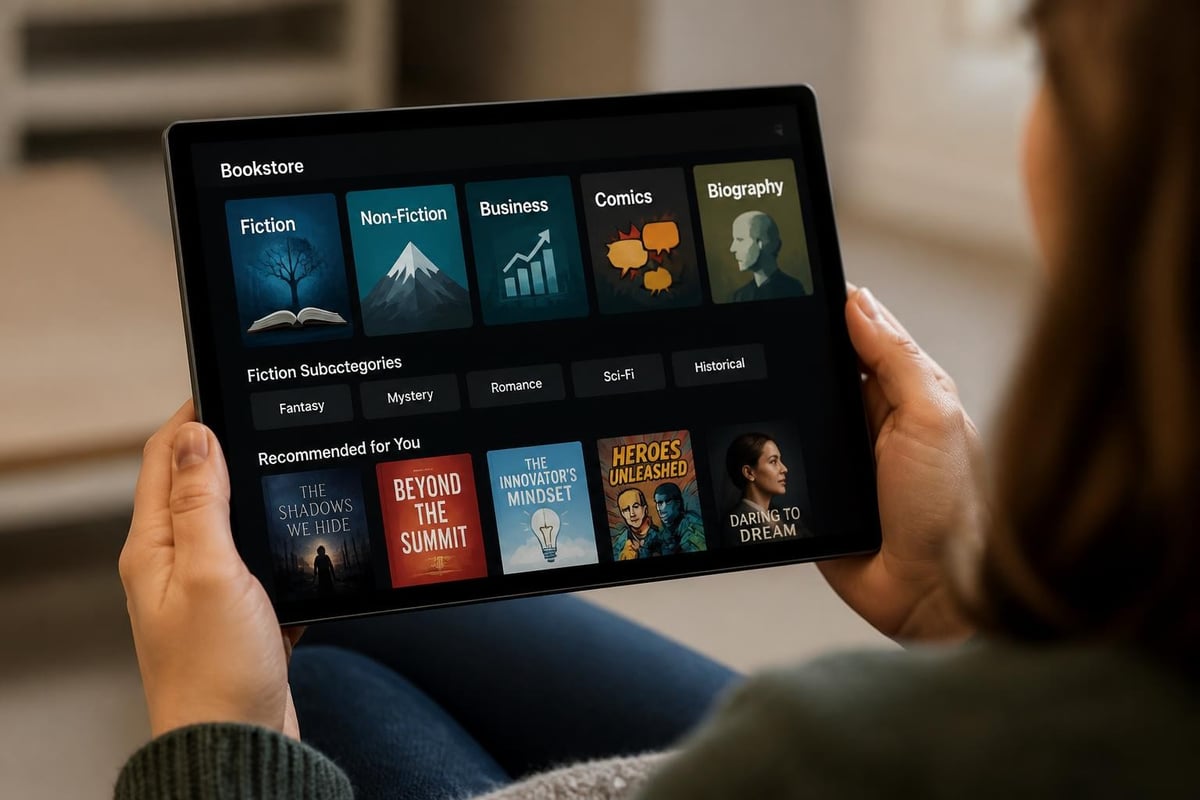
Integration with comprehensive digital bookstores enhances the reading ecosystem. Platforms offering diverse categories from biographies to cooking guides provide one-stop solutions for building diverse libraries.
Reading Experience Optimization
Technical specifications matter less than the actual reading experience they enable. What's best for books ultimately comes down to how comfortable and enjoyable the reading process feels during extended sessions.
Customization Options
Typography controls include:
- Font selection from multiple typefaces
- Size adjustment from compact to large print
- Line spacing modification
- Margin width customization
- Text alignment preferences
Advanced readers appreciate justification controls, hyphenation options, and the ability to embed custom fonts. These seemingly minor adjustments significantly impact reading comfort over hundreds of pages.
Environmental adaptability separates good devices from great ones. Automatic brightness adjustment, color temperature shifting based on time of day, and dark mode support all contribute to reduced eye fatigue.
Price-to-Value Analysis
Determining what's best for books requires balancing features against budget constraints. Investment in reading technology pays dividends through years of use, but initial costs vary dramatically.
Budget Tiers and Expectations
| Price Point | What You Get | Best For |
|---|---|---|
| Under $100 | Basic e-reader, limited features | Casual readers, single format |
| $100-200 | Enhanced lighting, water resistance | Regular readers, varied environments |
| $200-300 | Color screens, premium build | Multimedia content, comics |
| $300+ | Stylus support, advanced features | Note-takers, professionals |
The best tablets for reading in 2025 demonstrate that premium doesn't always mean better for everyone. A $150 device might serve a fiction enthusiast perfectly while falling short for someone who needs art and architecture books with detailed color plates.
Content Access and Ecosystems
Device quality matters little without access to compelling content. What's best for books includes consideration of where and how you'll acquire reading material.
Digital Bookstore Features
Modern readers expect comprehensive catalogs spanning multiple genres. Quality platforms provide:
- Extensive selection across all categories
- Regular new releases and pre-orders
- Curated recommendations and lists
- Sample chapters for preview
- Competitive pricing and promotions
Specialized collections elevate certain platforms above others. Readers interested in business and finance or nonfiction sciences benefit from stores offering deep catalogs in these areas.
Subscription Services Versus Ownership
The rental-versus-purchase decision impacts long-term value. Subscription services suit readers who consume high volumes monthly, while direct purchases better serve those who reread favorites or build reference libraries.
Subscription advantages:
- Unlimited access to rotating catalogs
- Lower per-book cost for heavy readers
- Discovery opportunities
- No storage management
Ownership benefits:
- Permanent access regardless of licensing
- Ability to loan or share
- No ongoing fees
- Collection building satisfaction
Audiobook Integration
What's best for books in 2026 increasingly includes audio options. Hybrid readers who switch between text and audio based on circumstances need unified solutions.
The top e-readers for avid readers now frequently include audiobook support, eliminating the need for separate applications or devices. This convergence proves particularly valuable during commutes, exercise, or household tasks when traditional reading proves impractical.
Seamless Format Switching
Advanced platforms enable switching between reading and listening within the same title, synchronizing progress across formats. This flexibility accommodates varying daily circumstances without losing your place in the narrative.
Quality audiobook narration enhances certain genres significantly. Biography and memoir works particularly benefit when narrated by their subjects, while dramatic fiction gains depth through voice actor performances.
Special Considerations for Different Reading Types
Different book categories have distinct technical requirements. What's best for books depends partly on your preferred genres and reading purposes.
Technical and Educational Reading
Readers focused on computers and technology or business reference materials need larger screens, excellent PDF handling, and annotation capabilities. Note-taking functionality transforms these devices into study tools rather than simple consumption platforms.
The best e-readers curated by Good Housekeeping recognize these varied needs, categorizing recommendations by use case rather than purely by technical specifications.
Fiction and Leisure Reading
Novel enthusiasts prioritize different features: lightweight portability, extended battery life, and comfortable single-handed operation. These readers benefit most from distraction-free devices dedicated solely to reading without notification interruptions.
Generous storage becomes essential for readers who maintain large libraries of classic literature or follow extensive series. The ability to carry hundreds of books enables spontaneous mood-based selection.
Visual and Illustrated Content
Readers of comics and graphic novels require color screens with sufficient size and resolution. The recent upgrades to Boox’s e-reader lineup address this market with color E Ink displays that maintain battery efficiency while rendering illustrations properly.
Children's books, cookbooks, and art-focused titles similarly demand color support. Monochrome displays, regardless of quality, simply cannot convey these materials as intended.
Future-Proofing Your Reading Investment
Technology evolves rapidly, but what's best for books today should remain viable for years. Consider longevity factors when making purchasing decisions.
Durability indicators:
- Build quality and materials
- Water and dust resistance ratings
- Software update commitment from manufacturers
- Repairability and parts availability
- Warranty coverage duration
Ecosystem lock-in poses long-term risks. Devices supporting open formats and sideloading protect your library investment regardless of future platform changes or business closures.
Making Your Final Decision
Determining what's best for books requires honest self-assessment of your reading habits, preferences, and budget. No single device excels across all categories simultaneously.
Decision Matrix Approach
Create a weighted scoring system based on your priorities:
| Factor | Weight (%) | Device A Score | Device B Score |
|---|---|---|---|
| Battery Life | 25 | 9 | 6 |
| Screen Quality | 30 | 7 | 9 |
| Content Access | 20 | 8 | 8 |
| Price Value | 15 | 6 | 7 |
| Portability | 10 | 9 | 5 |
Multiply each score by its weight percentage, then sum the results. This quantitative approach removes emotional bias from technical decisions.
Trial periods and return policies provide risk-free testing opportunities. Many retailers offer 30-day returns, allowing real-world evaluation before committing. The California Learning Resource Network’s recommendations can help narrow initial options before hands-on testing.
Enhancing Your Reading Environment
What's best for books extends beyond devices to encompass your entire reading setup. Environmental factors significantly impact enjoyment and comprehension.
Physical Comfort Optimization
Even the best device causes discomfort during poor ergonomic positioning. Consider:
- Adjustable reading stands for hands-free use
- Proper lighting to complement screen illumination
- Comfortable seating with adequate back support
- Screen angle adjustment to prevent neck strain
Reading accessories transform good devices into excellent systems. Cases providing multiple viewing angles, clip-on lights for traditional books, and bookmarks that sync across devices all enhance the experience.
Digital Wellness Balance
While focusing on what's best for books digitally, maintain balance with physical reading. Many readers appreciate alternating between formats based on context, using e-readers for travel while enjoying physical books at home.
Screen time management applies even to reading devices. Blue light filtering and scheduled breaks preserve eye health during extended sessions, particularly important for readers who consume multiple books weekly.
Selecting what's best for books involves balancing technology, content access, and personal preferences to create an optimal reading experience tailored to your unique needs. Whether you prioritize the latest color E Ink technology, extensive library access, or simple distraction-free reading, the right combination of device and platform awaits. Tell eBook provides the comprehensive digital library to complement your ideal reading device, offering diverse categories from business and finance to comics and biographies, ensuring your new reading setup has immediate access to thousands of engaging titles across every genre imaginable.
Once you’ve chosen your ideal reading device, fill it with standout ebooks like The Tainted Cup by Robert Jackson Bennett, A Drop of Corruption by Robert Jackson Bennett, and System Collapse by Martha Wells — all available for instant download. Browse more titles in the Tell eBook shop to discover thousands of ebooks and audiobooks.