

Finding the best book for your reading journey requires understanding your preferences, exploring expert recommendations, and leveraging the right resources. Whether you're seeking fiction that transports you to new worlds, business insights that transform your career, or biographies that inspire personal growth, the digital age has made discovering exceptional reads easier than ever. The key lies in knowing where to look, how to evaluate quality, and which tools can help you make informed decisions that match your unique tastes and reading goals.
Understanding What Makes a Book the Best Choice
Defining the best book is inherently personal, yet certain universal qualities distinguish exceptional literature from ordinary titles. Strong character development, compelling narratives, and meaningful themes create lasting impact regardless of genre. Critical acclaim, reader reviews, and industry recognition provide valuable signals about quality and relevance.
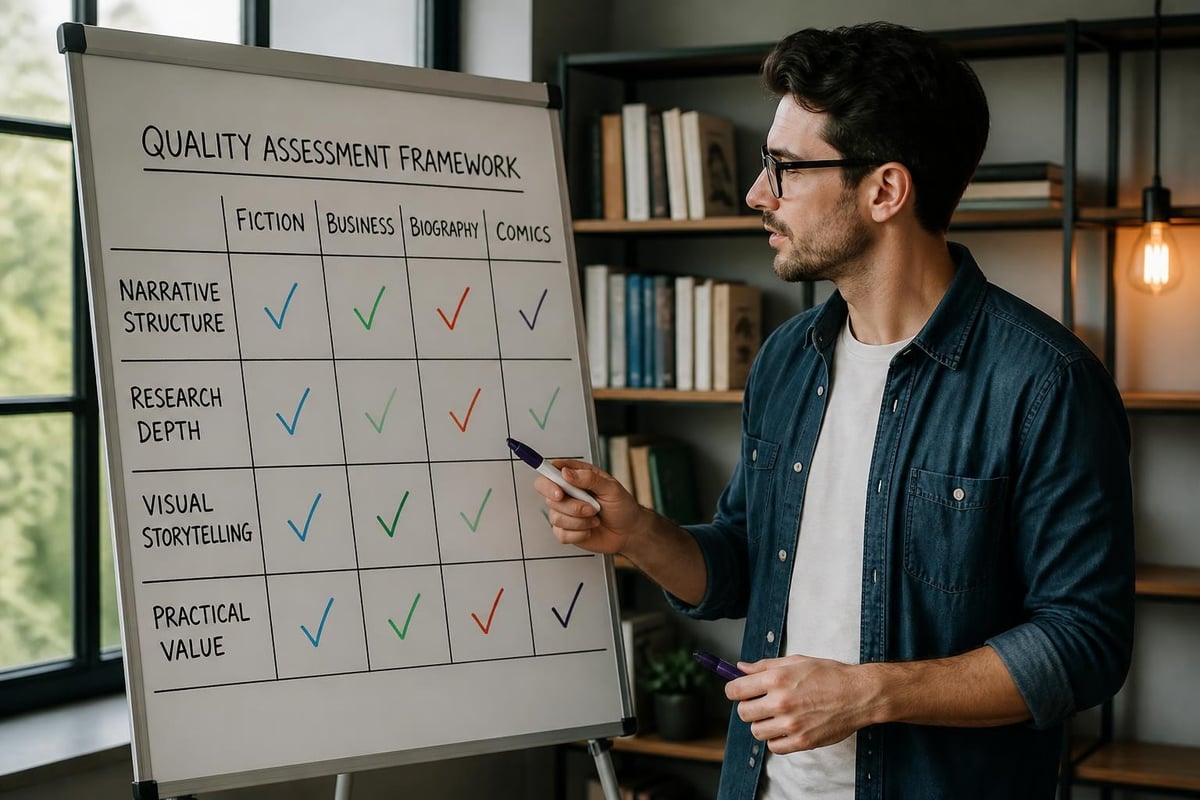
Quality Indicators Across Categories
Different genres require different evaluation criteria. For fiction, prose quality, plot structure, and emotional resonance matter most. Business books demand actionable insights, credible research, and practical applications. Biographies succeed through thorough research, balanced perspectives, and engaging storytelling that brings historical figures to life.
Expert curators at institutions like The New York Public Library maintain rigorous standards when selecting their annual recommendations. These professionals consider literary merit, cultural significance, and reader accessibility. Their selections often represent the gold standard for quality across multiple categories.
Key evaluation factors include:
- Writing style and clarity
- Depth of research and factual accuracy
- Originality of ideas or storytelling approach
- Reader engagement and emotional impact
- Cultural relevance and timeliness
- Production quality for audiobook formats
The rise of digital platforms has democratized book discovery while simultaneously creating information overload. Navigating this landscape requires strategic approaches to filtering recommendations and identifying sources you can trust.
Leveraging Expert Recommendations and Reviews
Professional critics, literary organizations, and dedicated readers provide invaluable guidance in identifying outstanding titles. Publications like The New Yorker employ experienced reviewers who analyze books through sophisticated literary lenses. These experts contextualize works within broader cultural conversations and historical traditions.
Trusted Sources for Book Discovery
Multiple platforms offer curated recommendations, each with distinct strengths. PBS NewsHour’s expert recommendations feature insights from journalists, authors, and cultural commentators who bring diverse perspectives. Academic sources like Scientific American’s book reviews excel at evaluating science-focused titles with technical accuracy.
Community-driven platforms such as Goodreads aggregate millions of reader opinions, creating comprehensive databases of reviews and ratings. While individual opinions vary, patterns emerge across large sample sizes that indicate reader satisfaction and engagement levels.
| Platform Type | Strengths | Best For |
|---|---|---|
| Professional Critics | Literary analysis, cultural context | Serious readers seeking depth |
| Library Systems | Balanced curation, accessibility focus | Diverse genre exploration |
| Reader Communities | Volume of opinions, niche preferences | Gauging popular reception |
| Specialized Sites | Genre expertise, targeted recommendations | Science fiction, business, specific niches |
Genre-specific resources provide deeper insights within particular categories. For example, SFBook.com offers specialized knowledge about science fiction and fantasy that general reviewers might miss. Similarly, business book reviewers understand industry trends and evaluate practical applicability that casual readers overlook.
Balancing Critical Acclaim with Personal Taste
The best book for any individual reader balances objective quality with subjective preference. Award-winning titles demonstrate excellence but may not align with every reader's interests. Understanding your reading personality helps filter recommendations effectively.
Consider your preferred narrative pace, complexity level, and subject matter interests. Some readers thrive on challenging experimental fiction, while others prefer accessible storytelling. Business readers might prioritize case studies over theoretical frameworks, or vice versa. Recognizing these preferences streamlines your selection process significantly.
Exploring Digital Resources and Audiobook Options
Digital transformation has revolutionized how readers discover and consume content. E-books and audiobooks offer convenience, portability, and accessibility features that traditional formats cannot match. These formats also enable sampling and instant access that accelerates the discovery process.
Modern platforms provide sophisticated recommendation engines that learn from your reading history. These algorithms identify patterns in your preferences and suggest titles with similar characteristics. While not perfect, these systems improve dramatically as they gather more data about your choices.
Maximizing Audiobook Experiences
Audiobooks represent one of the fastest-growing segments in publishing, offering unique advantages for busy professionals and multitaskers. Production quality varies significantly, making narrator performance a crucial consideration. Professional voice actors bring characters to life, while author-narrated nonfiction adds authenticity and personal connection.
For those interested in exploring audio formats, Tell eBook’s e-audiobook collection provides diverse options across genres. High-quality narration transforms commutes, workouts, and household tasks into productive reading time.
Audiobook selection criteria:
- Narrator experience and vocal quality
- Production values and sound engineering
- Reading speed and pacing appropriateness
- Compatibility with your listening environments
- Length and chapter structure for convenient pausing
The best book in audio format often differs from print preferences. Complex business concepts benefit from re-listening capabilities, while gripping fiction becomes even more immersive through skilled narration. Experimenting across formats helps identify which delivery method suits different content types.

Building Your Personal Reading Strategy
Developing a systematic approach to book selection improves both efficiency and satisfaction. Rather than browsing randomly, intentional readers maintain organized systems for tracking interests, managing recommendations, and prioritizing their reading queue.
Creating Effective Reading Lists
Structured reading lists balance different categories, difficulty levels, and time commitments. Professional development might require business books, while leisure time accommodates fiction or biographies. Mixing lighter reads with challenging material prevents burnout and maintains engagement.
Many dedicated readers maintain separate lists for immediate priorities, future interests, and aspirational titles. This tiered approach ensures you always have appropriate options regardless of available time or mental energy. Digital tools make list management effortless, with features for categorization, notes, and priority ranking.
Resources like Book Riot regularly publish thematic reading lists that introduce readers to new categories and authors. These curated collections provide starting points for exploring unfamiliar territory while maintaining quality standards.
| List Category | Purpose | Typical Length |
|---|---|---|
| Current Queue | Immediate reading plans | 3-5 books |
| Future Interests | Titles to acquire soon | 10-20 books |
| Long-term Aspirations | Someday/maybe reading | Unlimited |
| Genre Exploration | Stepping outside comfort zone | 5-10 books per genre |
Sampling Before Committing
Most digital platforms offer preview chapters or samples, enabling informed decisions before purchase. Reading the first chapter reveals writing style, pacing, and whether the content matches your expectations. This practice significantly reduces disappointment and abandoned books.
For business and nonfiction titles, table of contents examination indicates organizational structure and topic coverage. Checking the index shows depth of coverage for specific subjects. These quick assessments help determine whether a book delivers the information you seek.
Review aggregation provides another layer of evaluation. While individual reviews vary wildly, patterns across dozens or hundreds of opinions reveal consistent strengths and weaknesses. Pay particular attention to critical reviews from readers with similar tastes, as their concerns likely apply to your experience as well.
Navigating Genre-Specific Considerations
Each literary category requires tailored evaluation approaches and offers distinct reading experiences. Understanding genre conventions helps set appropriate expectations and identify exceptional examples that transcend category limitations.
Fiction Selection Strategies
Literary fiction emphasizes prose quality, thematic depth, and character complexity. Genre fiction prioritizes plot momentum, world-building, and adherence to category conventions. The best book in either category excels within its framework while offering something fresh and unexpected.
Contemporary fiction reflects current social issues and cultural conversations, making publication date relevant for readers seeking modern perspectives. Classic literature provides timeless themes and historical context that enriches understanding of literary traditions. Balancing contemporary releases with established classics creates well-rounded reading experiences.
Tell eBook’s fiction collection spans multiple subgenres, from literary masterpieces to commercial bestsellers. Exploring different styles within fiction broadens your appreciation for storytelling diversity and helps identify your preferred narrative approaches.
Business and Professional Development
Business books serve various purposes, from tactical skill-building to strategic thinking development. The best book for career advancement depends on your current position, industry, and specific challenges. Entry-level professionals benefit from foundational concepts, while executives require sophisticated frameworks for complex decisions.
Evaluate business titles based on evidence quality, author credentials, and practical applicability. Case study-driven books provide concrete examples, while research-based works offer empirical validation. Author background matters significantly, distinguishing between practitioners sharing real experience and theorists presenting untested concepts.
Publication recency affects business book value more than other categories, as market conditions and technologies evolve rapidly. However, classic management texts maintain relevance through timeless principles that transcend temporary trends. Combining current releases with established frameworks creates comprehensive professional development programs.

Discovering Hidden Gems and Underrated Titles
Mainstream bestseller lists capture popular attention but often overlook exceptional works from smaller publishers or debut authors. Dedicated readers cultivate discovery strategies that uncover remarkable books before they achieve widespread recognition.
Independent and Small Press Publications
Independent publishers often take creative risks that major houses avoid, resulting in innovative and boundary-pushing literature. These titles might lack massive marketing budgets but frequently deliver superior quality and originality. Supporting independent publishing also promotes literary diversity and author development.
Specialized review sites like Danny Yee’s Book Reviews feature independent voices offering perspectives distinct from mainstream critics. These reviewers often highlight overlooked titles deserving wider audiences. Their recommendations provide valuable counterbalance to commercially-driven bestseller lists.
Regional and international literature expands perspectives beyond familiar cultural contexts. Translated works introduce storytelling traditions and viewpoints that enrich global understanding. The best book from another culture often provides insights impossible to gain from domestic authors alone.
Discovery strategies for hidden gems:
- Follow independent bookstores' staff recommendations
- Explore literary journals and small press catalogs
- Attend author readings and book festival events
- Monitor award nominations beyond major prizes
- Join specialized reading groups focused on particular niches
Revisiting Classics and Backlist Titles
Publishing emphasis on new releases sometimes obscures exceptional backlist titles that remain highly relevant. Classic literature maintains value across decades or centuries, offering tested excellence and historical perspective. These works survive because they address universal human experiences that transcend temporal boundaries.
The best book from previous decades might resonate more powerfully with current readers than contemporary releases. Personal readiness affects how deeply we connect with particular themes and styles. Revisiting books at different life stages often reveals layers and meanings invisible during earlier readings.
Digital platforms make backlist discovery easier through algorithmic recommendations based on your current interests. If you enjoy a recent release, exploring the author's earlier works or similar titles from the same era often yields excellent results. This retrospective approach builds comprehensive understanding of literary movements and author development.
Engaging with Reading Communities and Book Clubs
Shared reading experiences amplify enjoyment and deepen comprehension through diverse interpretations and discussions. Book clubs, online forums, and social media communities create accountability while introducing perspectives you might not consider independently.
Structured Discussion Benefits
Formal book clubs impose schedules that overcome procrastination and ensure consistent reading habits. The commitment to group participation motivates completion even when motivation wanes. Discussion preparation encourages active reading and critical thinking beyond passive consumption.
Different readers notice different details, thematic elements, and stylistic choices. Group discussions illuminate aspects you overlooked while validating or challenging your interpretations. This collaborative analysis enriches the reading experience significantly compared to solitary consumption.
Online platforms enable participation in multiple specialized communities simultaneously. You might join a business book club for professional development, a fiction group for entertainment, and a biography club for historical learning. This diversity prevents narrow reading patterns while maintaining social accountability across categories.
Leveraging Social Reading Platforms
Social reading combines community engagement with personal tracking and discovery. Platforms aggregate friend recommendations, trending titles, and personalized suggestions based on your reading history. These systems create serendipitous discoveries while maintaining quality standards through crowd wisdom.
Lists compiled by successful individuals, such as those featured on Good Books, reveal what influential people consider valuable. While not definitive guides, these recommendations offer starting points for exploring titles that shaped thought leaders' perspectives and decisions.
Sharing your own reviews and ratings contributes to community knowledge while helping you process and remember what you've read. Writing brief reflections solidifies comprehension and creates searchable records of your reading journey. These personal archives become valuable references when recommending books to friends or selecting your next read.
Optimizing Your Reading Environment and Habits
The best book deserves optimal reading conditions that maximize comprehension and enjoyment. Physical comfort, minimal distractions, and appropriate time allocation significantly impact your reading experience and retention.
Creating Dedicated Reading Time
Consistent reading habits develop through scheduled blocks rather than random availability. Morning reading might provide mental clarity before daily demands accumulate, while evening sessions offer relaxation after work. Experiment with different times to identify when you're most focused and receptive.
Protecting reading time from interruptions requires conscious boundaries. Silence notifications, communicate your availability to household members, and create physical spaces associated exclusively with reading. These environmental cues trigger focus and signal to your brain that reading time has begun.
Effective reading habit components:
- Consistent daily or weekly schedule
- Designated reading location with good lighting
- Minimal digital distractions and interruptions
- Comfortable seating and appropriate temperature
- Adequate time blocks for meaningful progress
Tracking Progress and Maintaining Momentum
Reading journals or digital tracking systems document your literary journey while providing satisfaction through visible progress. Recording completion dates, brief impressions, and memorable quotes creates lasting value beyond the immediate reading experience. These records inform future selections and capture insights that fade from memory over time.
Setting realistic goals balances ambition with sustainability. Some readers thrive on numerical targets, while others prefer qualitative objectives focused on genre diversity or challenging selections. The best approach aligns with your personality and lifestyle constraints rather than arbitrary standards.
Platforms like Tell eBook often provide purchase history and reading statistics that automatically track your consumption patterns. These insights reveal preferences you might not consciously recognize, informing more effective future selections.
Evaluating Value and Making Purchase Decisions
Book acquisition involves balancing cost, format preferences, and long-term value. Different purchasing strategies suit various reading patterns and financial situations. Understanding options helps optimize your reading budget while building a meaningful collection.
Format and Platform Selection
E-books offer immediate access, adjustable formatting, and space efficiency ideal for frequent readers. Physical books provide tactile satisfaction and display aesthetics some readers prefer. Audiobooks enable multitasking and commute productivity. The best format depends on your lifestyle, storage capacity, and sensory preferences.
Subscription services suit voracious readers consuming many titles monthly, while individual purchases work better for selective readers who reread favorites. Hybrid approaches combining library borrowing, selective purchases, and strategic subscriptions maximize value while maintaining access to desired titles.
Platforms like Tell eBook’s comprehensive collection provide diverse format options across categories, enabling readers to choose optimal delivery methods for different content types. Business readers might prefer e-books for highlighting and note-taking, while fiction lovers choose audiobooks for immersive narration.
| Acquisition Method | Best For | Cost Efficiency |
|---|---|---|
| Individual Purchase | Favorites, reference books | Medium |
| Subscription Service | High-volume readers | High for 10+ books/month |
| Library Borrowing | Exploratory reading, limited budget | Highest |
| Rental Services | One-time reads, textbooks | Medium-High |
Investment in Your Reading Life
Quality books represent investments in knowledge, entertainment, and personal development rather than mere expenses. The return on investment from transformative business books or life-changing literature far exceeds their purchase price. Evaluating value based on potential impact rather than absolute cost enables better decision-making.
Building a curated personal library creates lasting resources for reference, rereading, and lending to friends. Digital collections offer permanent access without physical storage concerns, while building equity in your intellectual capital. Thoughtful acquisition over time creates comprehensive resources aligned with your interests and goals.
Identifying the best book for your needs combines understanding quality indicators, leveraging expert resources, and developing systematic selection strategies. By exploring diverse genres, engaging with reading communities, and optimizing your reading habits, you transform book selection from overwhelming chance into intentional discovery. Whether you're seeking fiction that captivates, business insights that advance your career, or biographies that inspire personal growth, strategic approaches ensure your reading time delivers maximum value and satisfaction. Tell eBook provides the diverse selection and format options you need to build a reading life that enriches both personal and professional dimensions, making every book choice count toward your larger goals and interests.
Start your reading journey with top picks like Jade City by Fonda Lee, Uprooted by Naomi Novik, and The Tainted Cup by Robert Jackson Bennett — all available for instant download. Browse more titles in the Tell eBook shop to discover thousands of ebooks and audiobooks.
1 Comment
Abraham
I really like what you guys tend to be up too. This type
of clever work and reporting! Keep up the good works guys I’ve
included you guys to blogroll.