

Stories have always been the threads that weave humanity together, transcending borders and connecting cultures through shared experiences and universal themes. World stories represent the collective narrative heritage of our planet, encompassing everything from ancient folklore and mythology to contemporary fiction and personal memoirs that originate from every corner of the globe. In today's digital age, accessing these narratives has never been easier, with platforms offering readers the opportunity to explore diverse perspectives through e-books and audiobooks. Understanding the significance of these global narratives enriches not only our reading experience but also broadens our worldview and cultivates empathy across cultural boundaries.
The Cultural Significance of Global Narratives
World stories serve as windows into the values, beliefs, and experiences that define different societies. These narratives preserve cultural heritage while simultaneously adapting to modern contexts, ensuring that traditions survive and evolve across generations. When readers engage with stories from unfamiliar cultures, they develop a deeper appreciation for diversity and gain insights into how different communities understand fundamental human experiences such as love, loss, courage, and transformation.
The extensive library of classic fairy tales from various cultures demonstrates how similar themes appear across disparate societies, yet each culture adds its unique flavor and moral perspective. These shared yet distinct narrative patterns reveal both our common humanity and our beautiful diversity. From African folktales that emphasize community wisdom to Asian stories celebrating filial piety and honor, each tradition offers valuable lessons that resonate beyond their origins.
Preserving Oral Traditions in Digital Formats
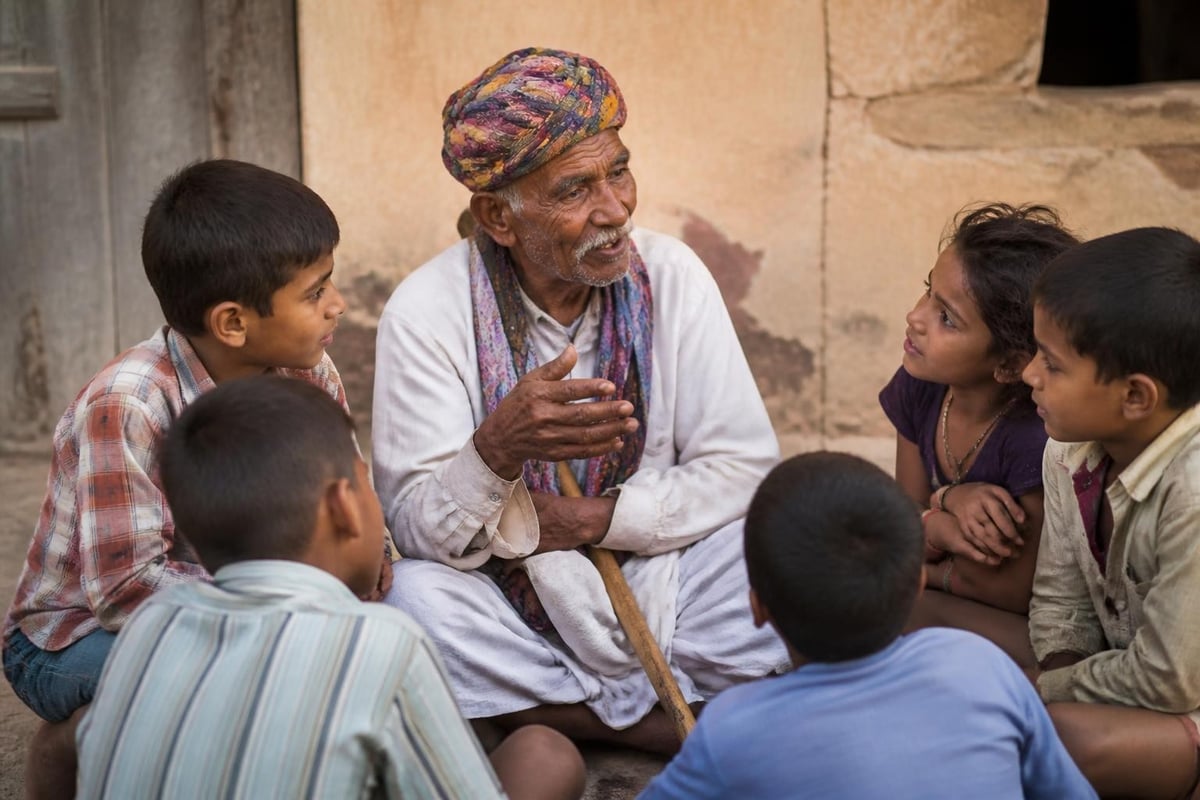
Many world stories originated as oral traditions, passed down through generations before being transcribed into written form. The transition from oral to written to digital formats presents both challenges and opportunities for preservation. Digital platforms like Tell eBook play a crucial role in making these narratives accessible to contemporary audiences while maintaining their authentic voices and cultural contexts.
Key benefits of digital preservation:
- Accessibility to readers worldwide regardless of geographic location
- Searchable databases that allow exploration by region, theme, or time period
- Multimedia enhancements including audio narration and illustrations
- Translation capabilities that bridge language barriers
- Cost-effective distribution compared to physical publishing
The platform allowing users to explore stories from every corner of the world exemplifies how technology can democratize access to global narratives, connecting readers with rich storytelling traditions that inspire and educate.
Categories of World Stories Worth Exploring
Understanding the breadth of world stories requires familiarity with their various categories and how they serve different purposes in cultural transmission and personal enrichment. Each category offers unique insights into the human condition while reflecting specific cultural priorities and historical contexts.
Folklore and Mythology
Traditional tales form the foundation of cultural identity, encoding societal values and explaining natural phenomena through imaginative narratives. These stories often feature archetypal characters and universal themes that transcend their specific cultural origins. Greek mythology, Norse sagas, Indigenous creation stories, and Arabian Nights all contribute to the rich tapestry of world folklore that continues to influence contemporary literature and media.
| Story Type | Cultural Origin | Primary Themes | Modern Relevance |
|---|---|---|---|
| Fairy Tales | European, Asian, African | Transformation, justice, morality | Children's literature, film adaptations |
| Epic Poems | Ancient civilizations | Heroism, destiny, honor | Literary studies, cultural education |
| Fables | Global (Aesop, Panchatantra) | Moral lessons, wisdom | Business ethics, personal development |
| Creation Myths | Indigenous cultures worldwide | Origins, cosmology, purpose | Environmental awareness, spiritual exploration |
Contemporary Global Fiction
Modern world stories reflect current realities while drawing upon traditional narrative structures. Contemporary authors from Asia, Africa, Latin America, and other regions bring fresh perspectives to global literature, addressing themes such as migration, identity, technological change, and cultural hybridization. These works challenge Western-centric literary canons and expand readers' understanding of diverse lived experiences.
The biography and memoir section offers compelling personal narratives from individuals across cultures, providing intimate glimpses into different ways of life and historical periods. These true stories complement fictional works by grounding abstract cultural concepts in real human experiences.
Historical Narratives and Archives
Understanding how stories evolved over time provides valuable context for appreciating contemporary narratives. The research on historical U.S. newspapers demonstrates how structured text datasets can reveal evolving narratives and cultural shifts across decades. Similar approaches applied to global archives could illuminate how different societies documented and interpreted significant events throughout history.
The Role of Translation in Accessing World Stories
Translation serves as the bridge that makes world stories accessible to readers who don't speak the original language. However, translation involves more than simple word substitution; it requires cultural interpretation and careful navigation of linguistic nuances that shape meaning and emotional resonance.
Challenges in Cross-Cultural Translation
Translators face numerous obstacles when rendering world stories into different languages:
- Idioms and metaphors that don't have direct equivalents
- Cultural references requiring explanatory context
- Wordplay and poetry that rely on specific linguistic features
- Tone and register variations across languages
- Historical context that may be unfamiliar to target audiences

The collection of stories in multiple languages showcases how multilingual presentation can serve diverse communities while celebrating linguistic diversity. This approach particularly benefits immigrant populations and language learners who can engage with familiar narratives in new linguistic contexts.
Quality Translation Practices
Professional literary translation requires deep cultural knowledge and linguistic expertise. Successful translators immerse themselves in both source and target cultures, consulting with native speakers and cultural experts to ensure accuracy and authenticity. They make deliberate choices about when to preserve foreign elements for educational value and when to adapt them for clarity.
Essential elements of quality translation:
- Cultural sensitivity and research
- Collaboration with native speakers
- Preservation of author's voice and style
- Transparent notes explaining significant choices
- Recognition of translation as creative interpretation
Digital Platforms Transforming Access to World Stories
Technology has revolutionized how readers discover, access, and engage with world stories. E-book platforms and digital libraries offer unprecedented opportunities to explore global narratives without the limitations of physical bookstores or library collections constrained by space and budget.
Features Enhancing Digital Reading Experiences
Modern e-book and audiobook platforms incorporate features that deepen engagement with world stories:
- Integrated dictionaries for unfamiliar terms and cultural references
- Audio narration by native speakers preserving authentic pronunciation
- Adjustable text size and formatting improving accessibility
- Note-taking and highlighting functions for study and reflection
- Recommendation algorithms suggesting related world stories based on reading history
The research on generating interactive fiction worlds points toward future possibilities where readers might engage with world stories through immersive, adaptive digital experiences that respond to their choices and interests.
Curated Collections and Discovery Tools
Effective digital platforms organize world stories through thoughtful categorization that helps readers navigate vast collections. Geographic organization, thematic groupings, and historical period classifications all serve as useful entry points for exploration. The categories available through Tell eBook demonstrate how comprehensive organization systems enable readers to discover stories aligned with their interests and learning goals.
| Discovery Method | Benefits | Best For |
|---|---|---|
| Geographic browsing | Cultural immersion, regional expertise | Travelers, students, cultural enthusiasts |
| Thematic collections | Cross-cultural comparison, focused study | Researchers, educators, themed reading |
| Author nationality | Following specific voices, national literature | Literary scholars, culturally-focused readers |
| Historical period | Understanding temporal context | History buffs, academic research |
Educational Applications of World Stories
World stories serve powerful educational purposes across age groups and learning contexts. From elementary classrooms introducing children to cultural diversity through folktales to university seminars analyzing postcolonial literature, these narratives provide rich material for developing critical thinking, cultural competence, and empathy.
Building Cultural Competence
Exposure to world stories cultivates the skills necessary for effective cross-cultural communication and understanding. Readers develop awareness of different worldviews, communication styles, and value systems that inform how people from various cultures approach problems, relationships, and meaning-making. This competence proves increasingly valuable in our interconnected global economy and multicultural societies.
Educational institutions increasingly incorporate world stories into curricula to prepare students for diverse workplaces and international collaboration. The business and finance category includes narratives about entrepreneurs and business practices from different cultural contexts, offering practical insights alongside traditional business education.
Developing Critical Reading Skills
Engaging with world stories requires readers to question assumptions, consider multiple perspectives, and analyze how cultural context shapes narrative choices. These critical reading skills transfer to other domains, enhancing analytical thinking and interpretive abilities. Students learn to recognize bias, understand historical context, and appreciate how storytelling techniques vary across traditions.
The Business of World Stories in Publishing
The global publishing industry faces unique challenges and opportunities in bringing world stories to international audiences. Publishers must balance cultural authenticity with commercial viability, navigating translation costs, marketing strategies, and reader expectations across different markets.

Market Trends and Reader Preferences
Recent years have seen growing demand for translated literature and stories from underrepresented regions. Readers increasingly seek authentic voices and fresh perspectives beyond familiar Western narratives. This trend creates opportunities for publishers who invest in discovering and promoting talented authors from Africa, Asia, Latin America, and other regions with rich literary traditions.
Current market dynamics:
- Increased prize recognition for translated works
- Social media amplifying diverse voices
- Book clubs focusing on global literature
- Educational institutions diversifying reading lists
- Digital platforms reducing distribution barriers
The business aspects of publishing encompass the complex ecosystem supporting world stories, from acquisition and translation to marketing and distribution across formats.
Independent Publishing and Digital Distribution
Digital platforms have democratized publishing, enabling authors from any country to reach global audiences without traditional gatekeepers. Independent authors and small presses specializing in translated works or regional literature can now compete effectively with major publishers. This shift has significantly expanded the diversity of available world stories, though it also creates challenges in quality control and discoverability.
Connecting Personal Experience with Universal Themes
The most compelling world stories balance cultural specificity with universal human experiences. Readers from vastly different backgrounds can connect emotionally with narratives that authentically portray particular cultural contexts while exploring themes like family bonds, personal identity, social justice, and the search for meaning that resonate across cultures.
The Power of Authentic Voice
Authenticity distinguishes powerful world stories from superficial multicultural tokenism. Readers recognize and appreciate narratives that emerge from genuine cultural knowledge and lived experience rather than outsider perspectives or stereotypical representations. The growing collection of traditional and contemporary stories demonstrates how authentic voices create meaningful cultural exchange.
Supporting authors who write from within their own cultural traditions ensures that world stories preserve their integrity and educational value. Publishers and platforms that prioritize authentic voices contribute to more accurate and nuanced cultural representation in global literature.
Future Directions in Global Storytelling
Emerging technologies and evolving social consciousness are shaping the future of world stories. Artificial intelligence applications in translation, virtual reality experiences bringing narratives to life, and blockchain systems enabling direct author-reader connections all promise to transform how we create, distribute, and experience global narratives.
The research on world simulators for storytelling and open-world story generation suggests possibilities for interactive, adaptive narratives that could revolutionize how readers engage with world stories. These technologies might enable personalized learning experiences or collaborative storytelling that bridges cultural divides in new ways.
Sustainability and Cultural Preservation
Digital preservation ensures that world stories remain accessible for future generations, but sustainability requires ongoing commitment to archiving, updating formats, and maintaining cultural context. Partnerships between technology companies, cultural institutions, and indigenous communities will prove essential for preserving endangered languages and oral traditions through digital formats.
Preservation priorities:
- Documenting endangered oral traditions
- Digitizing historical texts and manuscripts
- Creating multilingual educational resources
- Supporting contemporary authors from marginalized communities
- Developing sustainable funding models for translation
World stories offer invaluable opportunities for cultural learning, personal growth, and meaningful connection across the boundaries that too often divide us. By exploring narratives from diverse traditions and contemporary global voices, readers develop empathy, critical thinking, and a richer understanding of our complex world. Tell eBook provides access to an extensive collection of e-books and audiobooks spanning cultures, genres, and perspectives, making it easier than ever to embark on your own journey through the world's storytelling traditions. Start exploring today and discover how global narratives can transform your reading experience and broaden your worldview.
Related books you may enjoy:
- Uprooted – Naomi Novik (inspired by Eastern European folklore)
- The Tea Leaves Under Anas’s Shadow – Natividad Ramos
- Star Shipped – Cat Sebastian