

The digital reading landscape has evolved dramatically over the past decade, with audio formats becoming increasingly popular among readers worldwide. An e audiobook represents the convergence of traditional literature and modern technology, offering readers the flexibility to consume content while multitasking, commuting, or relaxing. This digital format has revolutionized how millions of people engage with books, creating new opportunities for publishers, authors, and readers alike. Understanding the e audiobook ecosystem helps readers make informed decisions about their digital reading preferences and discover the full potential of audio-based literature.
Understanding the E Audiobook Format
An e audiobook is a digital audio recording of a book being read aloud, typically stored and distributed electronically rather than on physical media. This format differs from traditional audiobooks on CDs or cassettes by leveraging cloud storage, streaming technology, and downloadable files that work across multiple devices.
The technical foundation of modern e audiobook technology relies on several key components. Audio files are typically compressed using formats like MP3, AAC, or proprietary codecs that balance sound quality with file size. Most platforms use DRM (Digital Rights Management) to protect copyright while allowing legitimate users to access their purchases across authorized devices.
Key Technical Specifications
Modern e audiobook files come with various technical features that enhance the listening experience:
- Bitrate options ranging from 64 kbps to 128 kbps for optimal quality
- Chapter markers enabling easy navigation through content
- Playback speed controls from 0.5x to 3.5x normal speed
- Sleep timers for bedtime listening
- Bookmarking capabilities to save favorite passages
Quality standards have improved significantly as the industry matures. Professional narrations recorded in studio environments deliver crisp, clear audio that brings stories to life. Recent advances in neural text-to-speech technology have also opened new possibilities for automated audiobook creation, though human narrators remain the gold standard for quality.

Market Growth and Consumer Adoption
The e audiobook industry has experienced remarkable expansion in recent years. According to industry reports, U.S. audiobook sales grew 9% in 2025, reaching $2.43 billion, demonstrating sustained consumer interest in audio formats. This growth trajectory shows no signs of slowing as more readers discover the convenience and accessibility of digital audio.
Several demographic trends drive this expansion:
- Commuters seeking productive use of travel time
- Multitaskers who listen while exercising or doing household chores
- Accessibility-focused users with visual impairments or reading difficulties
- Language learners using audio to improve pronunciation and comprehension
- Busy professionals maximizing limited reading time
The convenience factor cannot be overstated. An e audiobook allows readers to consume literature while their hands and eyes remain occupied with other tasks, effectively creating reading time where none existed before.
Platform Distribution Models
| Platform Type | Access Model | Typical Pricing | Best For |
|---|---|---|---|
| Subscription | Unlimited monthly credits | $14.95-$22.95/month | Heavy listeners |
| À la carte | Individual purchase | $10-$30 per title | Selective buyers |
| Library systems | Free borrowing | Free with library card | Budget-conscious readers |
| Bundled services | Included with membership | Varies | Existing subscribers |
Different platforms suit different consumption patterns. Tell eBook offers flexible purchasing options that cater to readers who prefer owning their content outright rather than relying on subscription services.
Enhanced Reading Experiences Through Technology
Modern e audiobook platforms incorporate sophisticated features that traditional print or even e-books cannot match. Synchronization technology stands out as particularly transformative, allowing readers to seamlessly switch between text and audio versions of the same book. Audible’s Read and Listen feature exemplifies this innovation, though various platforms implement similar capabilities.
These enhanced experiences benefit multiple user groups:
For students and academics, synchronized reading enables better comprehension and retention. Following along with text while hearing professional narration reinforces learning through multiple sensory channels.
For accessibility needs, e audiobook technology removes barriers that prevent full participation in literary culture. Screen reader compatibility, adjustable playback speeds, and clear navigation make content accessible to individuals with various disabilities.
For language acquisition, hearing native speakers pronounce words correctly while following written text accelerates vocabulary development and improves accent training.
Navigation and Control Features
Contemporary e audiobook players provide granular control over the listening experience. Users can jump backward 15 or 30 seconds to replay missed sections, skip forward through familiar material, and adjust narration speed without distorting pitch quality. These controls transform passive listening into an interactive experience.
Sleep timers deserve special mention for their utility. Set to shut off after a predetermined duration or at the end of a chapter, sleep timers prevent losing track of progress during bedtime listening sessions. This seemingly simple feature addresses a common frustration that plagued earlier audiobook formats.
Narrator Performance and Production Quality
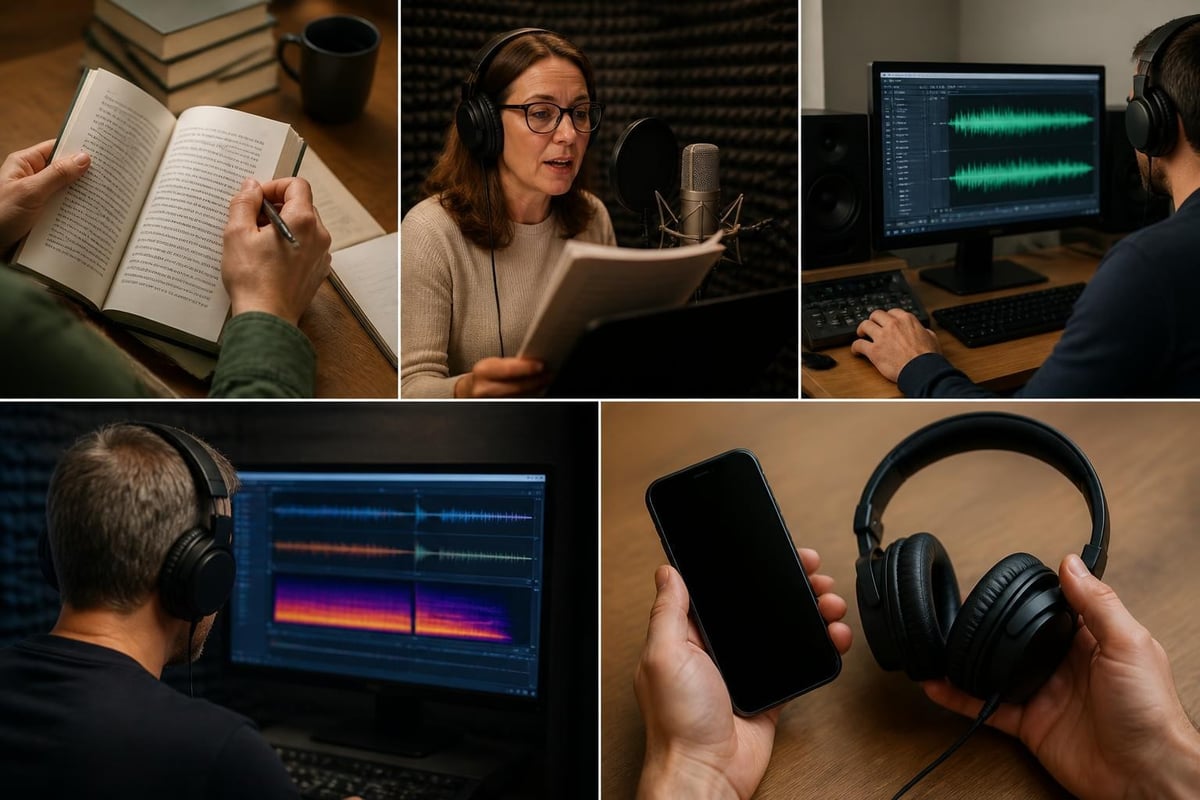
The human element remains central to e audiobook appeal despite technological advances. Professional narrators bring characters to life through distinct voices, emotional depth, and pacing that matches narrative tension. The difference between amateur and professional narration dramatically affects listener engagement and enjoyment.
Julia Whelan’s work as a prolific narrator highlights both the artistry involved and the industry challenges narrators face. Creating an engaging e audiobook requires acting skills, stamina for long recording sessions, and interpretive abilities that honor the author's intent while making the story accessible.
Production quality encompasses several dimensions:
- Audio clarity free from background noise or distortion
- Consistent volume levels throughout the recording
- Appropriate pacing that matches content type and genre
- Character differentiation through voice modulation
- Emotional authenticity conveying the story's intended mood
Research into narration qualities and their influence on appeal reveals that tone, pace, and emotional expression significantly impact listener satisfaction. Matching narrator style to content genre enhances the overall experience.
Emerging Trends and Innovations
The e audiobook landscape continues evolving rapidly as technology advances and consumer preferences shift. Several key trends are reshaping the industry in 2026 and beyond.
Artificial Intelligence in Narration
AI-powered narration represents both opportunity and controversy. Emerging trends in audiobook publishing include the rise of AI narration for certain content types. While AI cannot yet match human emotional range for fiction, it shows promise for technical manuals, academic texts, and other informational content.
Recent developments in emotional and human-like audiobook generation demonstrate that AI systems are improving at conveying complex emotions. However, most listeners still prefer human narrators for stories requiring nuanced emotional delivery.
Independent and Ethical Alternatives
Growing awareness of market concentration has sparked interest in alternative platforms. Readers seeking ethical and independent alternatives to dominant players increasingly support platforms that offer better compensation for authors and narrators. This shift reflects broader consumer trends toward supporting sustainable, fair-trade business practices.
Tell eBook participates in this movement by offering diverse content while maintaining fair relationships throughout the supply chain. Browsing the Tell eBook shop reveals curated selections that balance popular titles with independent productions.
Choosing the Right E Audiobook Platform
Selecting an appropriate platform depends on individual reading habits, budget constraints, and content preferences. Several factors merit consideration when evaluating options.
Comparison Criteria
| Factor | Why It Matters | Questions to Ask |
|---|---|---|
| Content library | Availability of desired titles | Does the platform carry my favorite genres and authors? |
| Pricing structure | Long-term cost management | Do I listen enough to justify subscription fees? |
| Device compatibility | Seamless access across devices | Can I use my preferred devices and operating systems? |
| Offline access | Listening without internet | Can I download titles for offline playback? |
| User interface | Daily usability | Is the app intuitive and pleasant to use? |
Content selection matters most for committed readers with specific tastes. Platforms with extensive libraries in particular genres provide better value than those with broad but shallow catalogs. Checking available titles before committing to a platform prevents disappointment.
Ownership versus access represents a fundamental distinction. Subscription services offer temporary access that ceases if membership lapses, while purchase models provide permanent ownership. Tell eBook's purchase model appeals to readers who value building a permanent digital library they control indefinitely.
Device Ecosystem Considerations
Modern readers typically use multiple devices throughout their day. An ideal e audiobook platform synchronizes seamlessly across:
- Smartphones for commuting and exercise
- Tablets for home listening and reading
- Computers for work-based multitasking
- Smart speakers for hands-free home use
- Automotive systems for driving entertainment
Cross-device synchronization ensures readers never lose their place when switching between devices. Cloud-based progress tracking makes this possible, though implementation quality varies significantly between platforms.
Maximizing Your E Audiobook Experience
Getting the most value from e audiobook technology requires understanding how to optimize various aspects of the listening experience. Strategic approaches enhance comprehension, enjoyment, and time efficiency.
Speed Optimization Techniques
Playback speed adjustment ranks among the most powerful yet underutilized features. Starting at normal speed (1.0x) and gradually increasing to 1.25x or 1.5x allows the brain to adapt while significantly reducing total listening time. Fiction often works well at 1.25x-1.5x speed, while complex non-fiction may benefit from slower playback.
Speed preferences vary by content type:
- Fiction narratives: 1.25x-1.5x maintains engagement while saving time
- Poetry and literary fiction: 0.9x-1.0x preserves linguistic nuance
- Business and self-help: 1.5x-2.0x efficiently extracts key concepts
- Academic content: 1.0x-1.25x balances comprehension with efficiency
- Language learning: 0.75x-1.0x aids pronunciation practice
Experimentation helps identify personal preferences. Most platforms remember speed settings per title, recognizing that optimal speeds vary by content.
Creating Dedicated Listening Time
Integrating e audiobook consumption into daily routines multiplies available reading time. Strategic scheduling transforms previously unproductive moments into valuable learning opportunities:
Morning routines while preparing breakfast or getting ready for work become productive reading sessions. Fifteen minutes daily accumulates to over 90 hours annually, sufficient for 30-40 books depending on length and speed.
Exercise sessions pair naturally with audiobooks, making workouts mentally engaging while maintaining physical focus. Many listeners report that compelling narratives make exercise time pass more quickly.
Household chores like cleaning, cooking, or yard work become opportunities for literary consumption. Mundane tasks gain purpose as vehicles for personal development or entertainment.
The Tell eBook blog offers additional tips for maximizing your digital reading experience across both text and audio formats.

Genre-Specific Considerations
Different literary genres translate to e audiobook format with varying degrees of success. Understanding these differences helps readers select appropriate titles and set realistic expectations.
Best Practices by Genre
Mystery and thriller titles excel in audio format. Professional narrators build suspense through pacing and vocal tension, often enhancing the experience beyond print. Complex plots benefit from focused listening that audio encourages.
Biography and memoir work exceptionally well when authors narrate their own stories. First-person accounts gain authenticity and emotional depth when delivered in the subject's own voice, creating intimate connections with listeners.
Business and self-help content adapts readily to audio, particularly for readers who appreciate hearing concepts explained verbally. However, titles with extensive charts, graphs, or tables require companion PDF materials for full comprehension.
Fiction with multiple characters benefits enormously from talented narrators who create distinct voices for different characters. Full-cast productions, though more expensive to produce, deliver theatrical experiences that surpass print versions.
Poetry collections present unique challenges. The musical qualities of poetry require careful narration that honors rhythm and emphasis. Some poetry translates beautifully to audio, while other works lose impact without visual formatting.
Building Your Digital Audio Library
Curating a personal e audiobook collection requires strategy and forethought. Unlike physical books with obvious storage limitations, digital collections can grow indefinitely, demanding organization and selection criteria.
Acquisition Strategies
Smart buyers balance cost, selection, and long-term value. Several approaches optimize spending:
- Monitor promotional offers for discounted titles in desired genres
- Purchase series bundles when planning to read multiple related books
- Prioritize timeless classics that reward repeated listening
- Invest in reference materials accessed multiple times
- Sample before purchasing using preview features when available
The Tell eBook products section regularly features curated selections across diverse categories, making discovery and acquisition straightforward for readers building comprehensive libraries.
Organization and Management
As collections grow, organization becomes critical. Effective systems include:
- Genre-based categorization for quick browsing
- Author grouping for series management
- Priority tagging for next-up selections
- Rating systems to remember quality after time passes
- Listening history tracking to avoid accidental repurchases
Most platforms provide basic organizational tools, though power users often supplement with external tracking systems for comprehensive library management.
Accessibility and Inclusivity Benefits
E audiobook technology democratizes access to literature for individuals facing various barriers to traditional reading. This inclusive aspect represents one of the format's most significant social contributions.
Visually impaired readers gain independence through audio formats that eliminate reliance on braille or screen readers. While screen readers serve important functions, professionally narrated e audiobooks provide superior listening experiences for leisure reading.
Learning disabilities like dyslexia affect millions of readers who struggle with print comprehension despite normal intelligence. Audio formats bypass decoding challenges, allowing these readers to enjoy complex literature at their intellectual level. Synchronized text-audio combinations particularly benefit dyslexic readers by reinforcing connections between written and spoken words.
Physical disabilities limiting the ability to hold books or turn pages find solutions in hands-free e audiobook playback. Voice-activated controls and smart speaker integration enable completely independent reading experiences.
Non-native speakers developing language skills benefit from hearing correct pronunciation while following written text. This dual-mode learning accelerates language acquisition and builds confidence in both reading and speaking.
The e audiobook revolution has fundamentally transformed how people consume literature, offering unprecedented flexibility and accessibility. By understanding formats, platforms, and optimization strategies, readers can fully leverage this technology to expand their literary horizons and integrate more reading into busy lifestyles. Whether you're exploring fiction, diving into biographies, or expanding professional knowledge through business titles, Tell eBook provides curated selections in both e-book and audiobook formats to match your preferences and support your reading journey.