

The graphic novels store has evolved dramatically in recent years, transforming from niche comic book shops into sophisticated digital platforms that serve millions of readers worldwide. As visual storytelling gains mainstream acceptance, readers increasingly seek convenient access to sequential art that combines literary depth with stunning illustrations. Digital platforms now offer unprecedented variety, from superhero classics to literary graphic memoirs, making the graphic novels store experience more accessible than ever before. This evolution reflects broader changes in how readers consume visual narratives and demonstrates the growing cultural importance of the medium.
Understanding the Modern Graphic Novels Store Landscape
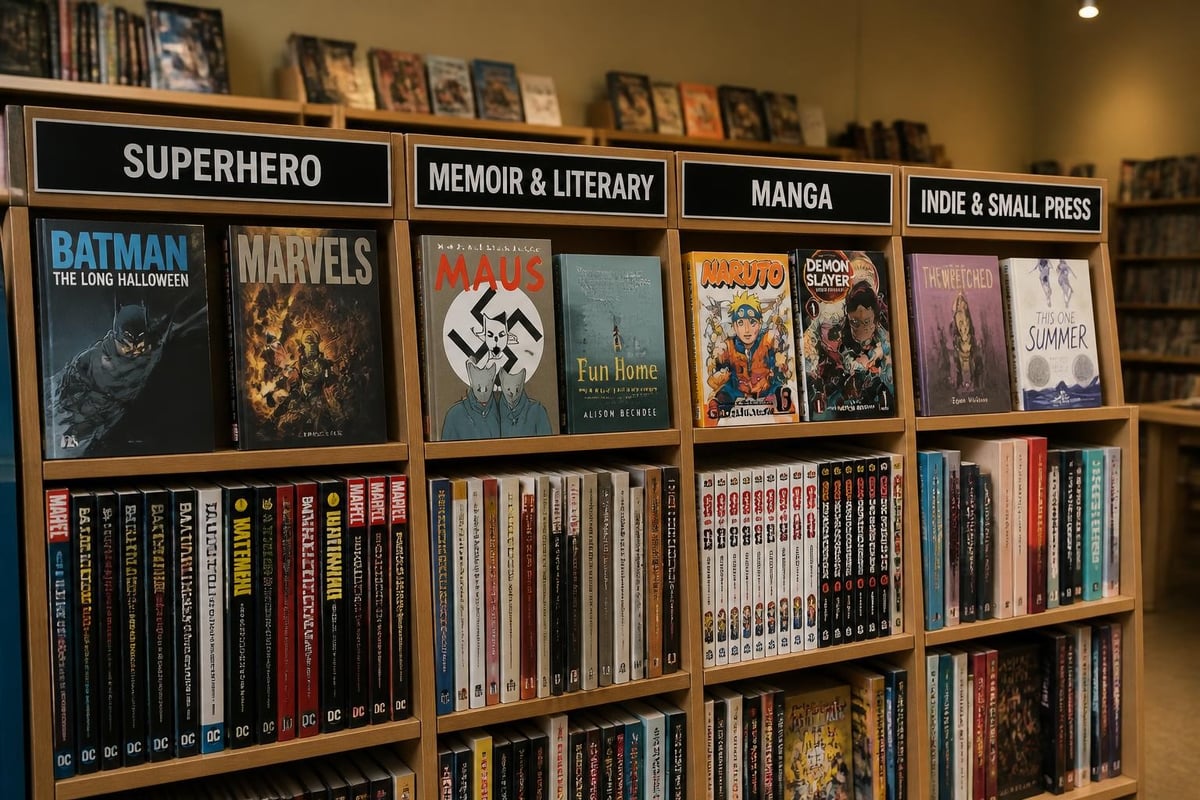
The contemporary graphic novels store operates at the intersection of traditional publishing and digital innovation. Unlike conventional bookstores, these specialized retailers curate collections that span multiple artistic traditions, including American comics, Japanese manga, European bandes dessinées, and independent publications.
Digital platforms have revolutionized access to these visual narratives. Readers no longer need proximity to physical locations to explore diverse collections. Instead, the comics industry has embraced digital distribution, creating new opportunities for both publishers and consumers.
Market Demographics and Reader Preferences
Understanding who purchases from a graphic novels store helps retailers optimize their collections. Recent analysis reveals fascinating patterns in consumer behavior and preferences that shape inventory decisions.
Key demographic insights include:
- Young adults aged 18-34 represent the largest purchasing segment
- Female readers increasingly dominate certain genres, particularly manga and literary graphic novels
- Cross-generational appeal brings families together through shared visual storytelling
- Professional readers seek graphic novels for educational and artistic reference
According to research on graphic novel consumers in the UK, manga has experienced particularly strong growth among younger demographics, while traditional superhero narratives maintain steady popularity across age groups.
Building a Comprehensive Digital Collection
A successful graphic novels store requires careful curation that balances popular titles with hidden gems. Digital platforms like Tell eBook demonstrate how effective categorization and diverse selection create value for readers seeking both entertainment and artistic expression.
Essential Collection Components
| Category | Examples | Target Audience |
|---|---|---|
| Superhero Narratives | Classic Marvel and DC titles | Traditional comic fans, collectors |
| Manga Series | Shonen, shojo, seinen varieties | Younger readers, anime enthusiasts |
| Literary Memoirs | Personal narratives in visual form | Adult readers, book clubs |
| Independent Works | Alternative publishers, experimental formats | Art students, avant-garde readers |
Building depth within each category ensures readers find both familiar favorites and discovery opportunities. The most effective graphic novels store balances mainstream appeal with niche offerings that serve passionate communities.
Curation Strategies for Digital Platforms
Digital curation differs significantly from physical retail. Without shelf space limitations, platforms can offer extensive backlists while highlighting current releases. Successful strategies include:
- Thematic collections that group titles by subject matter rather than publisher
- Reading level indicators helping parents and educators select appropriate content
- Series organization allowing readers to follow multi-volume narratives chronologically
- Creator spotlights showcasing particular artists or writers
- Award winners and critical favorites providing quality benchmarks
These organizational approaches help readers navigate vast catalogs efficiently, reducing decision fatigue while encouraging exploration beyond familiar territories.
Current Trends Shaping the Industry
The graphic novels store ecosystem continues evolving as technological advances and cultural shifts reshape reader expectations. Market trends in 2026 reveal several patterns influencing how retailers position their offerings.
Visual Authenticity and Artistic Expression
Contemporary readers increasingly value authentic artistic voices over generic commercial styles. Illustration trends in 2026 emphasize human-crafted designs that reflect genuine creative vision rather than algorithm-generated imagery.
This preference for authenticity influences purchasing decisions at the graphic novels store level. Readers seek:
- Original artistic styles that demonstrate individual creative voices
- Experimental narrative structures pushing sequential art boundaries
- Culturally diverse perspectives reflecting global storytelling traditions
- Limited edition releases offering collectible value
The shift toward authenticity creates opportunities for independent creators whose distinctive visual styles stand out in crowded marketplaces.

Format Innovation and Reading Experience
Digital graphic novels stores must address technical considerations that affect reader satisfaction. Format choices impact everything from image quality to reading flow.
Popular digital formats include:
- Standard PDF preserving original page layouts
- Panel-by-panel guided view optimizing mobile reading
- High-resolution image files for tablet displays
- Interactive editions incorporating sound or animation
- Hybrid formats combining static and motion elements
Each format serves different reading contexts and device capabilities. The most successful graphic novels store offers multiple format options, allowing readers to choose experiences matching their preferences and technology.
Historical Context and Cultural Significance
Understanding where Western comics originated provides essential context for modern retailers. Sequential art has deep roots in visual communication, evolving through newspaper comic strips, pulp magazines, and eventually standalone graphic narratives.
This historical perspective informs how a graphic novels store presents its collection. Classic titles gain additional significance when readers understand their cultural impact and artistic innovation. Educational context transforms casual browsing into meaningful discovery.
Educational Applications and Academic Interest
Academic institutions increasingly recognize graphic novels as legitimate literary forms worthy of scholarly attention. Research ranging from network analysis of narrative structure to computational studies of comics demonstrates the medium's complexity and artistic sophistication.
This academic validation creates new market segments for the graphic novels store. Educators seek titles for:
- Literacy development in struggling readers
- Visual literacy instruction across disciplines
- Historical education through illustrated narratives
- Creative writing and illustration coursework
- Cultural studies examining representation and identity
The educational market requires specialized curation emphasizing pedagogical value alongside entertainment quality.
Merchandising and Discovery Features
Effective merchandising distinguishes exceptional platforms from basic catalogs. The graphic novels store experience should facilitate both targeted searching and serendipitous discovery.
Recommendation Systems and Personalization
Sophisticated recommendation engines analyze reading patterns to suggest relevant titles. Effective systems consider multiple factors:
| Factor | Implementation | Benefit |
|---|---|---|
| Purchase history | Track completed series and genres | Identify reader preferences |
| Browse behavior | Monitor previewed titles | Understand consideration patterns |
| Rating patterns | Analyze user reviews | Match quality expectations |
| Similar readers | Compare across user base | Discover niche communities |
These data-driven approaches complement traditional editorial curation, creating hybrid discovery experiences that balance algorithmic efficiency with human insight.
Platforms like Tell eBook’s shop demonstrate how intelligent categorization and personalized recommendations enhance the browsing experience for digital readers seeking visual narratives.
Sample Chapters and Preview Functionality
Preview features prove particularly valuable for graphic novels, where artistic style significantly influences purchase decisions. Effective graphic novels store platforms offer:
- Opening chapter previews showing narrative tone and visual quality
- Sample pages from various sections revealing artistic consistency
- Creator interviews providing context for creative choices
- Behind-the-scenes content demonstrating production processes
These preview options reduce purchase uncertainty while building appreciation for the creative work involved in producing quality sequential art.
Pricing Strategies and Value Proposition
Digital graphic novels stores must establish pricing that reflects value while remaining competitive. Unlike text-heavy ebooks where production costs decline significantly in digital formats, graphic novels maintain higher costs due to extensive artistic labor.
Pricing considerations include:
- Creator compensation ensuring fair payment for artistic work
- File size and storage costs for high-resolution images
- Licensing agreements with publishers and rights holders
- Competitive positioning against physical editions
- Subscription versus individual purchase models
Many successful platforms offer tiered pricing, with individual purchases for collectors and subscription access for volume readers. This flexibility accommodates different consumption patterns and budget constraints.
Bundle Offerings and Series Pricing
Complete series bundles provide value while encouraging deeper engagement with multi-volume narratives. The graphic novels store can structure bundles around:
- Complete story arcs within ongoing series
- Creator retrospectives spanning multiple titles
- Thematic collections exploring related subjects
- Publisher showcases highlighting catalog depth
- Award-winner compilations celebrating critical favorites
Bundle pricing typically offers 15-30% savings compared to individual purchases, creating incentives for readers to commit to longer narratives while providing publishers with larger transaction values.
Community Building and Reader Engagement
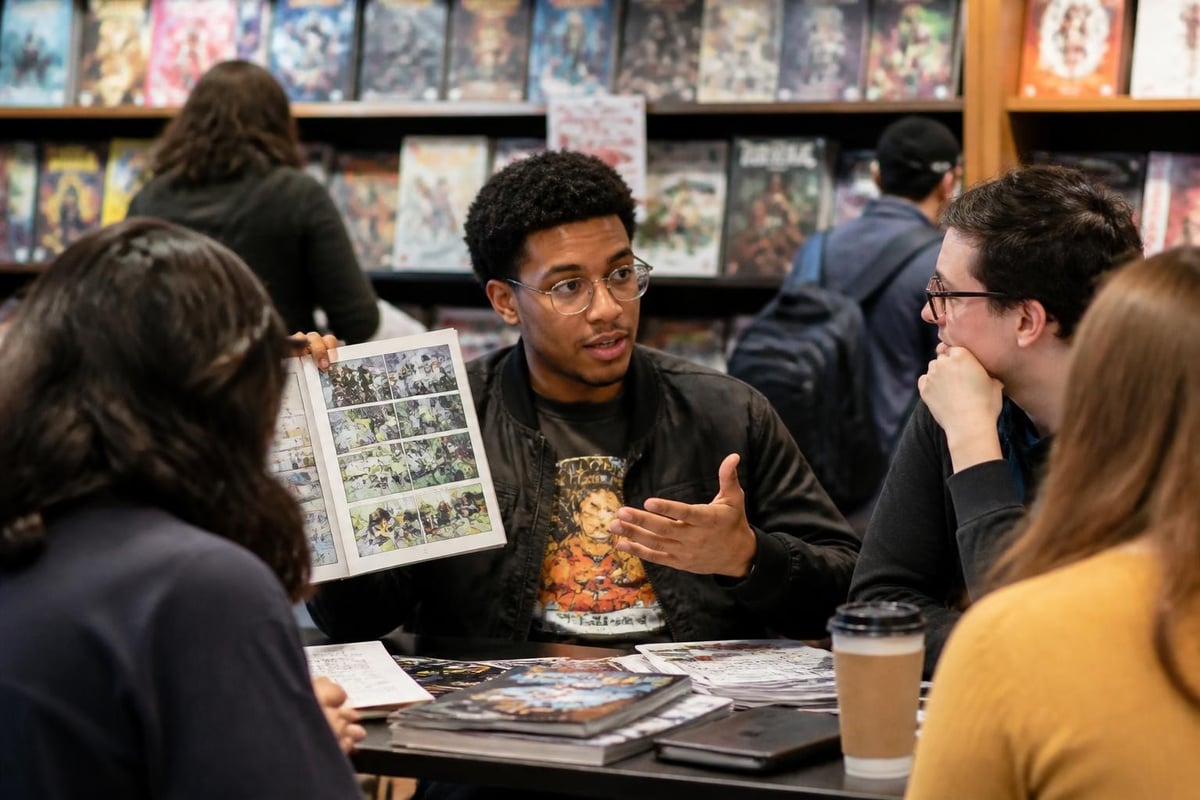
The most successful graphic novels store transcends transactional relationships, fostering communities around shared passion for visual storytelling. Selection of compelling graphic novels demonstrates the medium's diversity, creating natural conversation points among readers.
Discussion Features and Social Integration
Community features transform solitary reading into shared experiences. Effective implementations include:
- Reader reviews with spoiler protection for ongoing series
- Discussion forums organized by title or creator
- Reading groups coordinating collective experiences
- Creator Q&A sessions building connections between artists and audiences
- Fan art galleries celebrating reader creativity
These social elements increase platform stickiness while providing valuable word-of-mouth marketing as enthusiastic readers recommend favorites to friends.
Content Beyond Commerce
Editorial content establishes the graphic novels store as an authority rather than merely a retailer. Valuable content types include:
- Creator profiles exploring artistic processes and influences
- Genre guides helping newcomers navigate unfamiliar territories
- Historical retrospectives providing cultural context
- Industry news covering awards, releases, and trends
- Reading guides curating titles around themes or occasions
Resources available through sections like Tell eBook’s blog demonstrate how educational content complements commercial offerings, building trust and expertise.
Technical Infrastructure and User Experience
Behind every effective graphic novels store lies robust technical infrastructure supporting seamless browsing, purchasing, and reading experiences. Digital graphic novels present unique technical challenges requiring specialized solutions.
File Management and Delivery Systems
High-resolution graphic novels generate large file sizes demanding efficient compression without quality loss. Technical requirements include:
- Progressive loading for immediate browsing while downloading complete files
- Cloud storage enabling access across multiple devices
- Offline reading capabilities for travel and connectivity gaps
- Format conversion supporting various device specifications
- Digital rights management balancing security with user convenience
These technical considerations directly impact user satisfaction, making infrastructure investment essential for competitive platforms.
Cross-Platform Compatibility
Modern readers expect seamless experiences regardless of device choice. The graphic novels store must deliver consistent quality across:
| Device Type | Optimization Priority | Technical Challenge |
|---|---|---|
| Tablets | High-resolution display, page layout | Balancing quality and file size |
| Smartphones | Guided view, responsive panels | Maintaining readability at small sizes |
| Desktop | Full-page spreads, zoom functionality | Supporting various screen resolutions |
| E-readers | Grayscale rendering, battery efficiency | Converting color artwork effectively |
Cross-platform excellence requires significant development resources but proves essential for serving diverse reading preferences and situations.
Marketing Strategies for Digital Platforms
Attracting readers to a graphic novels store requires targeted marketing that reaches passionate communities while introducing newcomers to the medium's possibilities.
Effective channels include:
- Social media showcasing stunning artwork and memorable panels
- Email newsletters highlighting new releases and recommendations
- Influencer partnerships with comic reviewers and BookTubers
- Convention presence connecting with dedicated fan communities
- Search optimization targeting genre-specific queries
Content marketing proves particularly effective, as striking visuals naturally attract attention in crowded social feeds. Sample pages, creator interviews, and behind-the-scenes content generate organic engagement while demonstrating collection quality.
Acquisition Versus Retention Focus
Balancing new customer acquisition with existing reader retention requires different tactical approaches. New reader strategies emphasize:
- Introductory pricing on popular gateway titles
- Curated starter collections for genre newcomers
- Educational content explaining medium conventions
- Free sample chapters reducing barrier to entry
- Gift options encouraging sharing with friends
Retention strategies focus on deepening engagement through personalized recommendations, early access to new releases, loyalty rewards, and exclusive content that rewards continued patronage.
The graphic novels store landscape continues evolving as digital platforms expand access to visual storytelling while preserving the artistic integrity that makes the medium compelling. Success requires balancing commercial viability with genuine appreciation for sequential art as a legitimate literary form. Whether you're seeking superhero adventures, literary memoirs, or experimental independent works, Tell eBook offers a curated digital collection that celebrates the diversity and artistic achievement of contemporary graphic novels. Explore the intersection of visual art and narrative storytelling through our comprehensive catalog designed for passionate readers and curious newcomers alike.