

The world of the books has transformed dramatically over the past decade, evolving from physical shelves and dusty libraries into a dynamic digital ecosystem that reaches millions of readers worldwide. Today's readers navigate an intricate landscape where traditional publishing houses coexist with independent authors, where audiobooks compete with e-books for attention, and where sustainability concerns drive innovation in how we consume literature. Understanding this complex ecosystem helps readers, publishers, and booksellers make informed decisions about how they engage with written content in 2026.
The Digital Revolution in Reading
The transition to digital formats has fundamentally reshaped the world of the books. E-readers, tablets, and smartphones have become primary reading devices for millions of users, offering unprecedented convenience and accessibility. Digital libraries now house millions of titles that readers can access instantly, eliminating the need to wait for shipping or visit physical stores.
Key Advantages of Digital Reading Platforms
Modern e-book platforms offer several compelling benefits that traditional formats cannot match:
- Instant access to new releases and classic titles without leaving home
- Adjustable text size and font options for readers with visual impairments
- Built-in dictionaries and translation tools for language learners
- Cloud synchronization that preserves reading progress across devices
- Environmental benefits through reduced paper consumption
The marketplace has responded to these advantages with innovative solutions. Tell eBook exemplifies this shift by offering readers immediate access to diverse categories spanning fiction, business, comics, and biographies. This digital-first approach eliminates traditional barriers to book ownership while providing readers with unprecedented choice.

Sustainability and the Second-Hand Book Market
Environmental consciousness has become a driving force in the world of the books. Traditional publishing's carbon footprint, from paper production to transportation logistics, has prompted both consumers and businesses to seek sustainable alternatives. Organizations like World of Books have pioneered the movement by rehoming over 100 million books, demonstrating that sustainability and accessibility can coexist profitably.
The Circular Economy Model
The second-hand book market operates on circular economy principles that benefit multiple stakeholders:
- Collection: Readers donate or sell used books they no longer need
- Quality assessment: Professional teams evaluate condition and market demand
- Rehabilitation: Books receive necessary repairs or cleaning
- Redistribution: Titles find new readers at affordable prices
- Recycling: Unsalvageable books become raw materials for new products
This model reduces waste while making literature accessible to budget-conscious readers. Digital platforms complement this approach by offering perpetual access without physical degradation, creating a truly sustainable reading ecosystem.
Academic and Research Applications
Beyond recreational reading, the world of the books plays a crucial role in scholarly communication and research. Academic research on citation patterns reveals how books contribute to knowledge dissemination across disciplines, influencing everything from scientific discovery to cultural criticism.
Digital catalogs and shadow libraries have emerged as essential resources for computational social science. Research on open catalogues demonstrates how these repositories enable large-scale analysis of literary trends, cultural evolution, and knowledge networks that would be impossible with physical collections alone.
| Research Application | Traditional Books | Digital Collections |
|---|---|---|
| Search Speed | Minutes to hours | Milliseconds |
| Cross-referencing | Manual, time-intensive | Automated algorithms |
| Data Analysis | Limited samples | Millions of texts |
| Geographic Access | Local libraries only | Worldwide availability |
| Cost per Title | $20-50+ | $0-15 typically |
Category Diversity and Reader Preferences
The modern world of the books encompasses extraordinary diversity, reflecting the multifaceted interests of contemporary readers. Fiction remains the dominant category, but nonfiction segments have experienced remarkable growth as readers seek practical knowledge and self-improvement resources.
Popular Categories in 2026
Fiction genres continue to evolve with reader tastes:
- Literary fiction that explores complex social issues
- Science fiction addressing technological ethics
- Mystery and thriller series with diverse protagonists
- Romance novels featuring inclusive relationships
- Historical fiction bringing past eras to life
Nonfiction categories that drive sales include:
- Business strategy and entrepreneurship guides
- Self-help and personal development titles
- Biography collections featuring artists and innovators
- Science and technology explanations for general audiences
- Health and wellness resources
The biography category particularly demonstrates how the world of the books preserves cultural memory, documenting the lives of influential figures across fields from art to science.

The Audiobook Revolution
Audio content represents one of the fastest-growing segments in the world of the books. Busy professionals, commuters, and multitaskers have embraced audiobooks as a convenient way to consume literature while performing other activities. Production quality has improved dramatically, with professional narrators bringing characters and concepts to life through vocal performance.
Audiobook Advantages
Modern audiobook platforms offer unique benefits:
- Multitasking compatibility during commutes, exercise, or household chores
- Professional narration that enhances storytelling through voice acting
- Accessibility features for visually impaired readers
- Speed adjustment options to match individual preferences
- Seamless integration with existing digital libraries
The combination of e-books and audiobooks within single platforms provides readers with maximum flexibility, allowing them to switch between formats based on context and preference.
Pricing Models and Access Strategies
The economics of the world of the books have become increasingly sophisticated, with multiple pricing models serving different reader segments. Understanding these approaches helps readers maximize value while supporting authors and publishers.
| Pricing Model | Description | Best For |
|---|---|---|
| Individual Purchase | One-time payment for permanent access | Specific titles, reference books |
| Subscription Services | Monthly fee for unlimited access | Heavy readers, explorers |
| Library Lending | Free access with time limits | Budget-conscious readers |
| Pay-per-listen | Per-audiobook fees | Occasional audio listeners |
| Bundled Packages | Discounted multi-book collections | Series enthusiasts |
Digital platforms have introduced dynamic pricing that adjusts based on demand, release dates, and promotional cycles. Savvy readers monitor these fluctuations to acquire desired titles at optimal prices.
Independent Publishing and Author Direct Sales
The democratization of publishing has fundamentally altered the world of the books. Authors no longer require traditional publishers to reach readers, thanks to digital distribution platforms that handle formatting, delivery, and payment processing. This shift has produced both opportunities and challenges.
Independent authors benefit from:
- Direct relationships with readers through newsletters and social media
- Higher royalty percentages compared to traditional contracts
- Complete creative control over content and presentation
- Rapid publication timelines without editorial gatekeeping
- Niche market targeting for specialized topics
However, independent publishing also presents obstacles including marketing costs, quality control concerns, and discoverability challenges in crowded marketplaces.
Technology Integration and Interactive Features
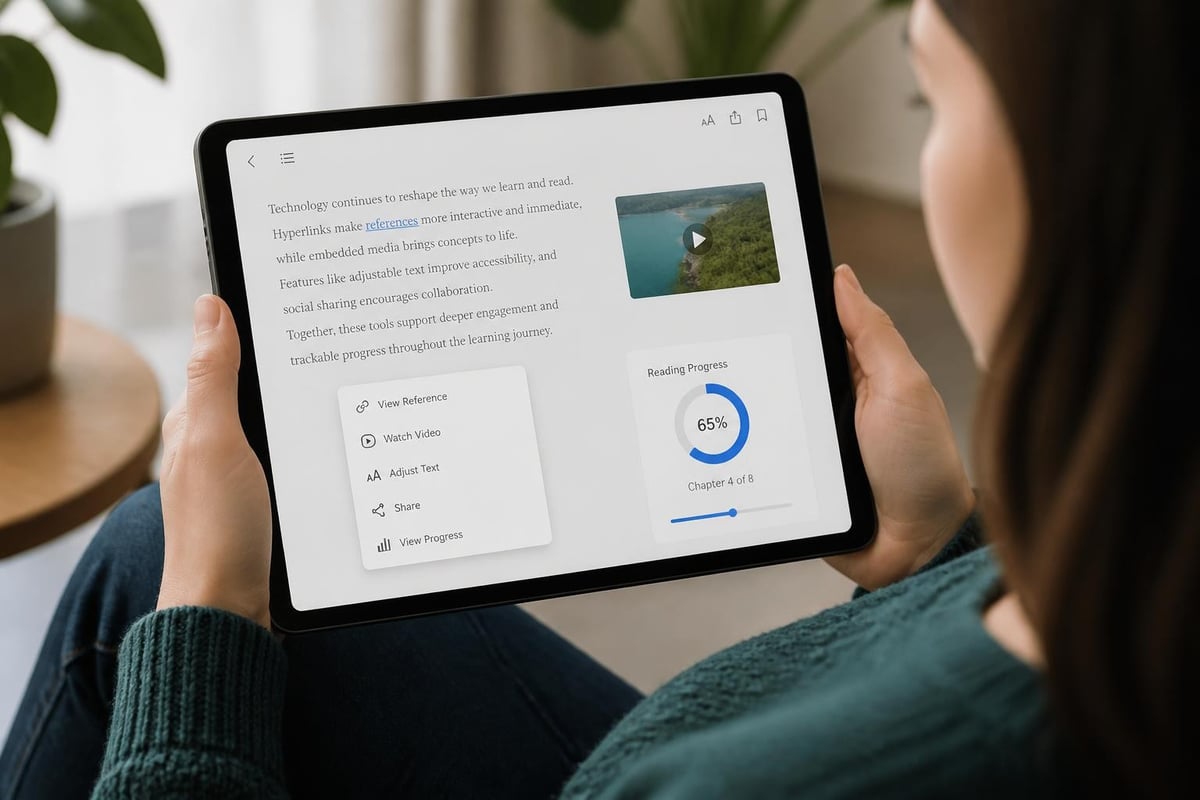
Advanced technology continues to reshape the world of the books through features that enhance comprehension and engagement. Modern e-reading platforms incorporate tools that traditional formats cannot provide, creating immersive learning experiences.
Enhanced Reading Features
Digital books increasingly include:
- Hyperlinked citations that connect readers to source materials
- Embedded multimedia such as video interviews with authors
- Interactive diagrams that respond to reader manipulation
- Social annotation allowing readers to share insights
- Progress tracking that gamifies reading habits
Innovative systems for interactive storytelling demonstrate how technology can create dynamic narratives that adapt to reader choices, blurring the lines between books and interactive entertainment.
Global Access and Translation Technologies
The world of the books has become truly international, with readers accessing content from authors across linguistic and geographic boundaries. Translation technologies have improved dramatically, making foreign language texts accessible to monolingual readers through both human and machine translation.
Cross-border reading trends include:
- Increased demand for translated fiction from non-English markets
- Genre preferences that vary significantly by region
- Cultural exchange through literature promoting understanding
- Simultaneous global releases for major titles
- Author tours conducted virtually across time zones
Digital distribution eliminates physical shipping costs and customs complications, allowing readers in remote areas to access the same titles as metropolitan audiences.
Comics and Graphic Novels in Digital Format
The comics category demonstrates unique advantages in the world of the books when delivered digitally. High-resolution displays showcase artwork with clarity that sometimes exceeds print quality, while guided-view technologies adapt page layouts for smaller screens without sacrificing visual impact.
Digital comics platforms offer specialized features:
- Panel-by-panel navigation that focuses attention on sequential art
- Zoom capabilities revealing artistic details invisible in print
- Color optimization for various display technologies
- Behind-the-scenes content including sketches and commentary
- Complete series access without storage space concerns
This category particularly appeals to younger readers comfortable with digital-first consumption, representing the future demographic of the reading public.
Business and Professional Development Literature
Professional readers rely on the world of the books for continuing education and skill development. Business literature encompasses strategy guides, industry analyses, leadership philosophies, and technical manuals that professionals consume to maintain competitive advantage.
The business category offerings demonstrate how digital distribution serves time-constrained professionals who need immediate access to relevant information. Search functionality allows readers to locate specific concepts or case studies within seconds, transforming books into practical reference tools rather than merely sequential reading experiences.
Data Analytics and Reading Behavior
Modern platforms collect extensive data about reading behavior, providing insights that inform both personal reading habits and industry trends. Altmetric research in library catalogs reveals how tracking metrics can measure academic impact and reading patterns across demographics.
Reading Metrics That Matter
| Metric | Reader Benefit | Industry Application |
|---|---|---|
| Completion rates | Identify engaging content | Editorial quality control |
| Reading speed | Optimize pacing | Format recommendations |
| Highlight frequency | Track important passages | Marketing excerpt selection |
| Return rates | Measure satisfaction | Refund policy optimization |
| Cross-purchase patterns | Discover related interests | Recommendation algorithms |
This data-driven approach personalizes the reading experience while helping publishers understand market demands with unprecedented precision.
Community Building Around Literature
The social dimension of the world of the books has expanded beyond traditional book clubs into digital communities spanning continents. Readers connect through forums, social media groups, and platform-integrated features that facilitate discussion and recommendation sharing.
Digital reading communities offer:
- Genre-specific discussion groups with thousands of members
- Author Q&A sessions conducted asynchronously
- Reading challenges that motivate consistent habits
- Curated recommendation lists from trusted sources
- Collaborative annotations and interpretations
These communities transform solitary reading into shared cultural experiences, creating value beyond the content itself.
The Role of Physical Bookstores
Despite digital growth, physical bookstores maintain relevance in the world of the books through experiential offerings that screens cannot replicate. Hybrid models combining online and offline presence demonstrate that multiple channels can coexist when each serves distinct customer needs.
Independent bookstores have adapted by:
- Hosting author events and community gatherings
- Curating carefully selected inventory based on local preferences
- Providing personalized recommendations through knowledgeable staff
- Creating comfortable reading spaces that encourage browsing
- Partnering with digital platforms for broader selection access
Quality Control and Review Systems
Trust remains essential in the world of the books, where readers invest time and money based on expectations about content quality. Review systems help readers navigate overwhelming choice, though they face ongoing challenges with authenticity and manipulation.
Effective review platforms incorporate:
- Verified purchase requirements that confirm actual readership
- Detailed rating breakdowns covering multiple quality dimensions
- Helpful vote systems that surface valuable reviews
- Expert critic opinions alongside user-generated content
- Sample chapters allowing preview before purchase
The variety of biographies available demonstrates how review systems help readers select from numerous options within specific niches.
Preservation and Digital Archiving
Long-term preservation presents unique challenges in the world of the books as formats evolve and platforms disappear. Digital rights management, proprietary formats, and business continuity concerns raise questions about whether purchased digital books will remain accessible decades into the future.
Archives and libraries have responded by:
- Creating redundant backups across geographic locations
- Maintaining legacy format readers as technology advances
- Negotiating perpetual access clauses in licensing agreements
- Developing open-source standards that ensure compatibility
- Digitizing rare physical books before deterioration
Future Directions and Emerging Trends
The world of the books continues evolving with technological advancement and changing reader expectations. Artificial intelligence, virtual reality, and blockchain technologies promise to further transform how we create, distribute, and consume written content.
Emerging trends to watch:
- AI-assisted writing tools that help authors develop content
- Personalized reading recommendations based on comprehension patterns
- Blockchain-verified ownership for digital collectible editions
- Virtual reality reading environments that simulate physical spaces
- Dynamic pricing algorithms that maximize accessibility and profitability
These innovations will reshape reader experiences while presenting new challenges regarding authenticity, ownership, and the fundamental nature of literature itself.
The world of the books has never been more accessible, diverse, or dynamic than it is today. Whether you prefer timeless classics, contemporary fiction, professional development resources, or artistic biographies, digital platforms have democratized access to knowledge and entertainment. Tell eBook brings this entire ecosystem to your fingertips with curated collections spanning every major category, offering both e-books and audiobooks that fit seamlessly into modern lifestyles. Start exploring today and discover how digital reading can transform your relationship with literature.