

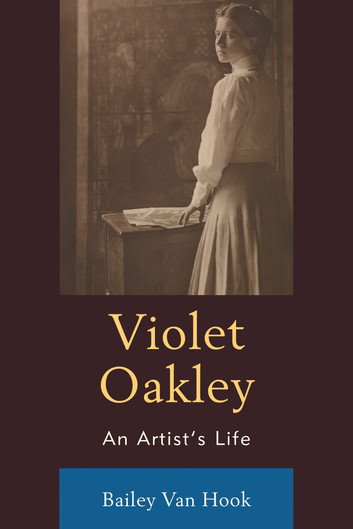
Description
Violet Oakley: An Artist’s Life – The Definitive Biography of America’s Pioneering Female Muralist
Violet Oakley transformed American mural art through her groundbreaking achievements. Moreover, she became the only major female artist in the Beaux-Arts mural movement. Therefore, her story represents a crucial chapter in art history. Furthermore, Bailey Van Hook’s biography finally gives her the recognition she deserves.
This comprehensive work explores Violet Oakley’s remarkable artistic journey. It reveals how she overcame gender barriers in her field. Readers discover an inspiring tale of determination and talent, and this first full-length biography fills a significant gap in art scholarship.
Born in 1874, Violet Oakley pursued her artistic dreams relentlessly. She achieved what no other woman had before, and her legacy continues to inspire artists today. Her monumental murals remain powerful testaments to her vision.
Early Life and Artistic Training
Violet Oakley was born in Bergen Heights, New Jersey, in 1874. Growing up in a family that valued creativity, she was encouraged to pursue her artistic interests from an early age. Her natural talent became evident during childhood.
She pursued formal training at prestigious institutions and studied at the Arts Students League in New York. Through this education, she developed strong foundational skills in drawing and composition, preparing herself for a professional artistic career.
Later, Violet Oakley attended the Pennsylvania Academy of Fine Arts. Moreover, this institution provided rigorous classical training. Therefore, she mastered traditional mural techniques. Furthermore, she studied under influential teachers who shaped her approach.
Her education coincided with the American Renaissance movement, a period that emphasized grand public art and civic beautification. As a result, she found herself perfectly positioned for emerging opportunities, and her timing proved fortunate for her career ambitions.
The Red Rose Girls: A Creative Sisterhood
Violet Oakley joined an extraordinary group of female illustrators, known as the “Red Rose Girls.” This collective represented unprecedented female artistic success, as the members supported each other’s creative and professional development.
The group included Jessie Willcox Smith and Elizabeth Shippen Green. Additionally, renowned illustrator Howard Pyle gave them their distinctive name. Consequently, they gained recognition as a cohesive artistic force. Thus, their collaboration significantly strengthened their individual careers.
They lived and worked together at the Red Rose Inn, later moving to a studio called Cogslea. By creating an ideal environment for artistic production, their shared space fostered creativity and mutual inspiration.
However, the group eventually dissolved due to changing circumstances. After Elizabeth Shippen Green married and left the community, Violet Oakley and Jessie Willcox Smith drifted apart. Their close collaboration ended after several productive years.
Breaking Barriers: First Woman to Earn Major Public Mural Commission
Violet Oakley achieved a historic milestone in American art, becoming the first woman to receive a major public mural commission. In doing so, she shattered gender barriers in monumental public art, and her achievement opened doors for future female artists.
The Pennsylvania State Capitol commissioned her for extensive mural work. This project represented an enormous professional opportunity, and she dedicated herself completely to the ambitious undertaking, proving women could handle large-scale public commissions.
Her appointment initially faced skepticism from some quarters. However, she silenced critics through exceptional work and professionalism. Moreover, she demonstrated technical mastery equal to any male artist. Therefore, she earned respect through undeniable talent and dedication.
This groundbreaking commission firmly established her reputation. Additionally, it validated her years of training and preparation. Consequently, she became a role model for aspiring female artists. Thus, her achievement transcended personal success to inspire generations.
The Pennsylvania Capitol Murals: A Twenty-Year Commitment
Violet Oakley’s Pennsylvania Capitol murals consumed two decades and represent her most significant achievement, demonstrating extraordinary dedication and vision as lasting examples of American mural art.
The murals illustrate episodes from Pennsylvania’s rich history. Additionally, they convey themes of justice, law, and governance. Consequently, they serve both decorative and educational purposes. Thus, they fulfill the civic ideals of the Beaux-Arts movement.
Creating these murals required immense resources, both physical and financial. Violet Oakley invested heavily in materials and assistance while maintaining exacting standards throughout the lengthy process.
She approached the work with religious devotion and intensity, infusing her spiritual beliefs into her vision. As a result, the murals carry profound moral and philosophical dimensions that transcend mere decoration.
Artistic Style and Thematic Concerns
Violet Oakley developed a distinctive style combining classical and modern elements, drawing inspiration from Renaissance masters and contemporary movements. Her work bridges traditional and progressive approaches, creating a unique visual language.
Her compositions feature strong architectural elements and careful organization. Additionally, she employed rich colors and dramatic lighting effects. Consequently, her murals create a powerful emotional and visual impact. Thus, viewers experience both beauty and intellectual engagement.
She focused on themes of social justice and believed art should serve moral and educational purposes. Her work reflects these idealistic and reformist values and promotes peace and understanding.
Her stained glass designs demonstrate equal mastery and innovation. Additionally, these works showcase her understanding of light and color. Consequently, she excelled in multiple artistic media simultaneously. Thus, her versatility significantly enhanced her professional reputation.
Life at Cogslea: The Artist’s Creative Sanctuary
Violet Oakley established her studio at Cogslea in Mount Airy, creating a creative sanctuary perfectly suited to her work, reflecting her philosophy and lifestyle.
The property provided ample space for large-scale mural production. Additionally, it offered privacy and freedom from urban distractions. Consequently, she could focus intensely on her ambitious projects. Thus, Cogslea enabled her to have her most productive creative periods.
She maintained strict routines and approached her art with professionalism, maximizing output over many years in an efficient workspace.
After Elizabeth Shippen Green’s departure, Violet Oakley lived there alone. However, she continued working with characteristic dedication and focus. Additionally, she occasionally welcomed students and visitors. Consequently, Cogslea remained a vital artistic center throughout her life.
Violet Oakley’s Spiritual and Philosophical Beliefs
Violet Oakley embraced Christian Science with deep conviction. Moreover, this faith profoundly influenced her artistic vision and practice. Therefore, spiritual themes permeate much of her work. Furthermore, her beliefs set her apart from some of her artistic contemporaries.
Her religious devotion infused her painted works with fervor. Additionally, it informed her choice of subjects and symbolism. Consequently, her art carries strong moral and spiritual messages. Thus, she viewed artistic creation as sacred work.
She believed art could promote peace and understanding, seeing herself serving higher purposes through creativity. She approached commissions with dedication, hoping her work would inspire positive social change.
This controversial practice sometimes affected her personal relationships. However, she remained committed to her beliefs throughout her life. Additionally, her faith sustained her through professional challenges. Consequently, spirituality and art remained inseparable for Violet Oakley.
Bailey Van Hook’s Biographical Approach
Bailey Van Hook brings scholarly rigor to this first full-length biography. Moreover, she conducted extensive research in archives and collections. Therefore, her portrait of Violet Oakley rests on solid documentation. Furthermore, she provides a comprehensive analysis of the artist’s life and work.
Van Hook thoroughly explores Violet Oakley’s journey as a pioneering muralist. Additionally, she examines the social and cultural contexts shaping her career. Consequently, readers understand both personal and historical dimensions. Thus, the biography offers multiple layers of insight.
The book highlights Violet Oakley’s groundbreaking achievements in detail. Moreover, it analyzes her artistic development and evolving style. Therefore, readers gain a deep appreciation for her technical mastery. Furthermore, they understand her place in American art history.
Van Hook balances admiration with objective scholarly assessment. Additionally, she addresses complexities and contradictions in Oakley’s life. Consequently, the biography presents a nuanced, three-dimensional portrait. Thus, readers encounter the complete woman behind the murals.
Major Works and Artistic Achievements
Violet Oakley created an impressive body of work throughout her career. Moreover, her accomplishments span multiple artistic media and formats. Therefore, her legacy includes diverse and significant contributions. Furthermore, her major works continue attracting scholarly attention today.
Her most important achievements include:
- Pennsylvania State Capitol murals depicting state history and governance
- Extensive stained glass window designs for public buildings
- Illustrations for major publications and literary works
- Portrait commissions of prominent individuals
- Designs for civic pageants and public celebrations
- Educational murals promoting social reform and peace
These works demonstrate her versatility and technical excellence. Additionally, they reveal her commitment to public art’s civic function. Consequently, they established her reputation as a major American artist. Thus, they ensure her lasting place in art history.
Her illustrations appeared in prestigious magazines and books. Moreover, she contributed to the golden age of American illustration. Therefore, she succeeded in both fine and commercial art. Furthermore, she proved women could excel in traditionally male-dominated fields.
The Beaux-Arts Mural Movement in America
Violet Oakley was part of a significant artistic movement. Moreover, the Beaux-Arts style dominated American public art during her era. Therefore, understanding this context illuminates her achievements. Furthermore, it explains the opportunities and challenges she faced.
The movement emphasized classical forms and grand civic themes. Additionally, it promoted art’s role in public education and beautification. Consequently, major commissions became available for talented artists. Thus, the period offered unprecedented opportunities for monumental work.
However, these opportunities initially rarely extended to female artists. Additionally, women faced systematic exclusion from major public commissions. Consequently, Violet Oakley’s success proved truly exceptional. Thus, she overcame barriers that stopped most women artists.
She remained the only major female artist in this movement. Moreover, no other woman achieved comparable recognition or commissions. Therefore, her singular position highlights both her talent and the obstacles women faced. Furthermore, it underscores the significance of her achievements.
Legacy and Historical Significance
Violet Oakley’s contributions to American art remain profoundly important. Moreover, she demonstrated that women could create monumental public art. Therefore, she inspired subsequent generations of female artists. Furthermore, her work continues to influence contemporary muralists and illustrators.
Her Pennsylvania Capitol murals regularly attract visitors and scholars. Additionally, they serve as educational resources about state history. Consequently, they fulfill their intended civic and cultural purposes. Thus, they remain living parts of Pennsylvania’s heritage.
The Philadelphia Museum of Art organized her first major retrospective in 1979. Moreover, this exhibition renewed interest in her artistic achievements. Therefore, scholars began reassessing her place in art history. Furthermore, subsequent exhibitions have continued this important work.
Recent exhibitions have more thoroughly explored her contributions. Additionally, the Woodmere Art Museum featured her work prominently in 2017. Consequently, new audiences discover Violet Oakley’s remarkable artistry. Thus, her reputation continues to grow among contemporary art enthusiasts.
Why This Biography Matters Today
Bailey Van Hook’s biography fills a critical gap in art scholarship. Moreover, it provides the first comprehensive study of Violet Oakley’s life. Therefore, it serves as an essential resource for researchers. Furthermore, it makes her story accessible to general readers.
The book recovers an important but overlooked artistic voice. Additionally, it demonstrates women’s contributions to American art history. Consequently, it challenges incomplete narratives about the Beaux-Arts movement. Thus, it enriches our understanding of this significant period.
Violet Oakley’s story offers inspiration for contemporary artists. Moreover, her determination to succeed despite obstacles remains relevant today. Therefore, readers find timeless lessons in her experiences. Furthermore, her commitment to meaningful art resonates with current concerns.
The biography celebrates artistic excellence and pioneering achievement. Additionally, it honors a woman who refused to accept limitations. Consequently, it serves both historical and inspirational purposes effectively. Thus, it deserves a wide readership among diverse audiences.
Violet Oakley’s Influence on Women Artists
Violet Oakley opened doors that had remained closed to women. Moreover, she proved female artists could handle large-scale public commissions. Therefore, she created possibilities for those who followed her. Furthermore, her success challenged prevailing assumptions about women’s capabilities.
Her achievement demonstrated that gender need not limit artistic ambition. Additionally, she showed that women possessed the necessary technical skills. Consequently, she helped change perceptions within the art establishment. Thus, her impact extended beyond her individual accomplishments.
She served as a role model for aspiring female artists. Moreover, her visible success inspired women to pursue ambitious projects. Therefore, her influence rippled through subsequent generations. Furthermore, she contributed to gradually expanding opportunities for women.
However, progress remained frustratingly slow after her breakthrough. Additionally, few women received comparable commissions for decades. Consequently, her singular achievement highlights persistent gender barriers. Thus, her story reveals both progress and ongoing challenges.
The Artist’s Final Years and Death
Violet Oakley remained productive throughout her long life. Moreover, she continued working on artistic projects into her eighties. Therefore, she demonstrated lifelong dedication to her craft. Furthermore, she maintained her professional standards until the end.
She died on February 25, 1961, at age eighty-six. Additionally, she left behind an impressive artistic legacy. Consequently, her death marked the end of an era. Thus, the Beaux-Arts mural movement lost its only major female practitioner.
She is interred in the Oakley family plot at Green-Wood Cemetery. Moreover, her grave has become a site of historical interest. Therefore, visitors pay respect to her pioneering achievements. Furthermore, she was featured in the cemetery’s first gay-themed tour in 2014.
The Violet Oakley Memorial Foundation preserved her legacy after her death. Additionally, the foundation maintained her studio and promoted her work. Consequently, her artistic contributions remained accessible to researchers. Thus, her memory and influence continued beyond her lifetime.
Conclusion: Celebrating a Pioneering American Artist
Bailey Van Hook’s biography brings Violet Oakley’s remarkable story to life. Moreover, it documents her groundbreaking achievements in comprehensive detail. Therefore, readers gain a complete understanding of her artistic journey. Furthermore, they appreciate her significance in American art history.
Violet Oakley overcame formidable obstacles to achieve artistic greatness. Additionally, she created monumental works that continue to inspire viewers today. Consequently, her legacy endures in both her art and her example. Thus, she deserves recognition as a major American artist.
This first full-length biography finally gives her the scholarly attention she deserves. Moreover, it ensures her story reaches contemporary audiences effectively. Therefore, it serves as both a historical record and a celebration. Furthermore, it invites readers to discover an extraordinary artistic pioneer.
Violet Oakley’s life demonstrates the power of determination and vision. Additionally, her achievements prove that talent transcends gender barriers. Consequently, her story resonates with anyone facing obstacles to their dreams. Thus, this biography offers both historical insight and timeless inspiration for all readers.





Reviews
There are no reviews yet