Skip to content Skip to footer

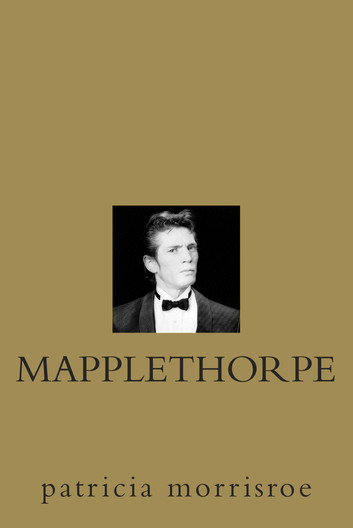
Mapplethorpe: A Biography by Patricia Morrisroe

Price range: $2.23 through $22.73

Patricia Morrisroe explores the controversial life and career of photographer Robert Mapplethorpe. This biography tracks his rise from Brooklyn roots to Manhattan fame. Morrisroe reveals his provocative art and complex relationships.

Additional information

Publisher

Random House Publishing Group

Release Date

March 16, 2016

Number of pages

464

Language

English

ISBN

9780399589447

Download options

Epub

Format

Digital Book, Paper Book

Description

Mapplethorpe: A Biography – The Definitive Portrait of a Revolutionary Artist

Introduction to Robert Mapplethorpe’s Extraordinary Life

Patricia Morrisroe’s “Mapplethorpe: A Biography” offers the definitive account of Robert Mapplethorpe’s remarkable life. This comprehensive work explores the artist who revolutionized contemporary photography through provocative vision. Moreover, Morrisroe reveals the complex man behind the controversial images that shocked America. The biography traces Mapplethorpe’s journey from a Catholic upbringing to international fame in the art world.
Morrisroe interviewed Mapplethorpe’s friends, lovers, and collaborators for this book. She also accessed personal letters, journals, and rare photographs during her investigation. The result is an unguarded portrait that reveals both brilliance and shadow. The biography situates his work within the pulse of 1970s and 1980s New York culture.
This essential biography illuminates how Mapplethorpe permanently transformed photography into high art. Therefore, readers gain insight into one of the twentieth century’s most influential artists.

Early Years: The Making of an Artist

Robert Mapplethorpe grew up in a strict Catholic household in Floral Park, Queens. His conservative background deeply influenced his later artistic rebellion and confrontational themes. Morrisroe examines how religious iconography shaped his visual sensibility throughout his career.
The young Mapplethorpe attended Pratt Institute in Brooklyn, where he initially studied graphic design. Furthermore, he experimented with various media, including painting, collage, and assemblage, during this period. However, photography eventually became his primary means of artistic expression and communication.
Morrisroe details his early struggles to define his artistic voice and sexual identity. Additionally, she examines how the 1960s counterculture liberated him from conventional expectations and limitations. These formative years laid the foundation for his groundbreaking photographic work.

Patti Smith and the Chelsea Hotel Era

Mapplethorpe’s relationship with musician Patti Smith proved pivotal to his artistic development. The two met in 1967 and became inseparable companions, lovers, and creative collaborators. Moreover, their bond endured even after their romantic relationship evolved into a deep friendship.
Morrisroe vividly recreates their bohemian life at the Chelsea Hotel during the early 1970s. Furthermore, she shows how they inspired and supported each other’s artistic ambitions. Smith became one of Mapplethorpe’s most frequent and iconic photographic subjects over the decades.
Their relationship represents one of art history’s great creative partnerships and enduring friendships. Additionally, Morrisroe reveals that Smith’s influence fundamentally shaped Mapplethorpe’s aesthetic vision. This period established his reputation within New York’s underground art and music scenes.

Mapplethorpe’s Revolutionary Photography Style

Robert Mapplethorpe developed a distinctive photographic style characterized by classical composition and controversial content. His work combined formal perfection with transgressive subject matter in unprecedented ways. Moreover, he elevated photography to the status of fine art through technical mastery and artistic vision.
Mapplethorpe’s photographs exhibit meticulous control over lighting, composition, and tonal range. He approached each subject—flowers, nudes, or portraits—with the same aesthetic discipline. His images possess a sculptural essence that echoes classical Greek and Roman art.
The biography examines his meticulous working methods and perfectionist approach to every photograph. Additionally, Morrisroe explains that he carefully controlled every aspect of production and presentation. His technical excellence made even his most shocking images undeniably beautiful and compelling.

Controversial Subject Matter and Cultural Impact

Mapplethorpe’s photographs of male nudes and BDSM culture sparked controversy, challenging boundaries between art and obscenity. His work forced viewers to confront assumptions about sexuality, beauty, and art.
Morrisroe situates his provocative work within the gay liberation movement of the 1970s. She analyzes how his images openly documented and honored underground sexual subcultures. His candid eye transformed forbidden subjects into objects of aesthetic consideration.
The biography details the 1989 controversy when his retrospective sparked national culture wars. Additionally, Morrisroe examines how politicians attacked his work and the NEA funding system. These battles over artistic freedom and public funding continue to resonate in contemporary debates.

Key Themes in Mapplethorpe’s Photographic Work:

  • Classical composition applied to contemporary and controversial subject matter.
  • Exploration of beauty in unconventional subjects, including flowers, bodies, and fetish imagery
  • Documentation of gay male sexuality and BDSM culture with unprecedented honesty
  • Portraits of celebrities, artists, and socialites that captured New York’s cultural elite
  • Formal perfection and technical mastery that elevated photography to fine art
  • Tension between aesthetic beauty and transgressive content that challenged viewers
  • Self-portraits that documented his own transformation and eventual decline from AIDS

The New York Art World and Celebrity

Morrisroe chronicles Mapplethorpe’s rise within New York’s competitive art world during the 1980s. His photographs commanded increasingly high prices and attracted wealthy collectors and patrons. Moreover, he strategically cultivated relationships with influential curators, dealers, and cultural figures.
The biography reveals his ambition, social climbing, and determination to achieve success in the art world. Furthermore, Morrisroe shows how he carefully managed his public image and artistic reputation. Mapplethorpe understood that controversy could enhance rather than damage his commercial value.
He photographed celebrities, socialites, and cultural icons, including Andy Warhol and Grace Jones. Additionally, his portraits became highly sought after by those wanting to be immortalized. His work appeared in major museums and galleries internationally during his lifetime.

AIDS Crisis and Mapplethorpe’s Final Years

The biography’s most moving sections address Mapplethorpe’s AIDS diagnosis in 1986. Morrisroe sensitively depicts his physical decline while he perseveres with intense creative drive. She reveals how the disease altered his relationships, work, and legacy planning.
Mapplethorpe created some of his most powerful self-portraits while battling the illness. Furthermore, these final images document his physical deterioration with unflinching honesty and courage. He worked until weeks before his death in March 1989 at age forty-two.
The biography examines how AIDS devaThe biography examines how AIDS devastated the artistic community Mapplethorpe inhabited and documented, placing his death within the broader context of the epidemic’s impact. His passing marked the loss of one of photography’s most innovative voices. Contemporary Art
Robert Mapplethorpe’s influence on contemporary photography and art remains profound and undeniable. His work expanded the acceptable subject matter in fine art photography, demonstrating that technical perfection and controversial content could coexist powerfully, shaping subsequent generations of photographers and visual artists. Furthermore, she examines how museums and collectors now value his work as masterpieces. Major retrospectives continue introducing new audiences to his revolutionary vision and aesthetic achievements.
The Mapplethorpe Foundation, established before his death, supports photography and AIDS research. His photographs command record prices at auctions and remain highly influential worldwide, proving that great art can emerge from exploring forbidden territories. Understanding Mapplethorpe
Patricia Morrisroe’s biography remains the most comprehensive and authoritative account of Mapplethorpe’s life. She balances admiration for his artistic achievements with an honest assessment of his flaws. Moreover, the book provides essential context for fully understanding his work’s cultural significance.
The biography benefits from Morrisroe’s access to those who knew him intimately and from her journalistic rigor. Her narrative skill makes this complex story accessible and engaging, allowing readers to gain insight into both the artist’s process and personal struggles.
It is suitable for photography students, art historians, and general readers. Additionally, it vividly illuminates a crucial period in American art and cultural history. Morrisroe’s work ensures that Mapplethorpe’s contributions won’t be forgotten or misunderstood by future generations.

Conclusion: A Complex Portrait of Artistic Genius

“Mapplethorpe: A Biography” presents“Mapplethorpe: A Biography” presents Robert Mapplethorpe as a complex, driven, and revolutionary artist. Morrisroe neither sanitizes his difficult personality nor diminishes his extraordinary achievements, presenting the complete person behind the controversial and beautiful photographs.
How Mapplethorpe transformed photography into respected fine art. Moreover, it reveals how his personal experiences and sexual identity informed his artistic vision. His story represents the power of art to challenge, provoke, and ultimately transform culture.
Patricia Morrisroe has created the definitive portrait of one of photography’s most important figures. Furthermore, her biography ensures that Mapplethorpe’s legacy extends far beyond controversy to recognition. This essential work celebrates an artist who refused to compromise his vision for acceptance.

Reviews

There are no reviews yet.

Be the first to review “Mapplethorpe: A Biography by Patricia Morrisroe”

Your email address will not be published. Required fields are marked *

E-mail
Password
Confirm Password