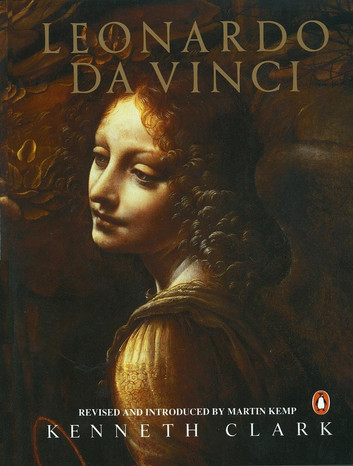
Description
Leonardo da Vinci: A Timeless Introduction to Renaissance Genius
Kenneth Clark’s “Leonardo da Vinci” stands as one of the most accessible and compelling introductions to the Renaissance master’s life and work. This classic monograph explores Leonardo da Vinci’s artistic development with clarity and insight. Martin Kemp revised the text, bringing a fresh perspective to Clark’s original vision. The book remains essential reading for art lovers and scholars alike.
The Origins of a Classic Study
Clark first presented these ideas as lectures at Oxford University and the Courtauld Institute to create an up-to-date introduction to Leonardo’s achievements. Their popularity led Clark to expand them into a book, which retains an engaging, conversational quality.
The author aimed to make Leonardo da Vinci’s genius accessible to general readers. He succeeded brilliantly in this goal. Clark avoids dense academic jargon and instead focuses on clear explanations. Consequently, readers can grasp complex artistic concepts without specialized training.
Understanding Leonardo’s Artistic Development
Clark traces Leonardo’s artistic growth from his early years to maturity. He examines how the master’s techniques evolved over time. The book analyzes several of Leonardo’s most famous paintings in detail. Moreover, Clark explains the innovative methods that set Leonardo apart from his contemporaries.
Building on this, the author explores Leonardo’s unique approach to observation and representation. Clark shows how Leonardo studied nature with scientific precision, then transformed these observations into groundbreaking artworks, blending science and art throughout his career.
Key Themes Explored in the Book
Clark addresses several major aspects of Leonardo’s work and life:
- Artistic techniques: How Leonardo developed revolutionary painting methods
- Scientific observation: The role of careful study in his creative process
- Psychological depth: Leonardo’s ability to capture human emotion and character
- Unfinished works: Why many projects remained incomplete throughout his life
- Legacy and influence: How Leonardo shaped Western art for centuries
Each theme is supported by specific examples, enabling readers to understand Leonardo’s techniques, influences, psychological insight, challenges, and enduring legacy.
The Book’s Analytical Approach
Clark examines Leonardo’s better-known paintings with careful attention to detail, breaking down the technical elements that make each work exceptional. He further places these masterpieces within their historical and cultural context, helping readers understand both the ‘how’ and ‘why’ behind Leonardo’s creations.
Additionally, the author discusses Leonardo’s use of light, shadow, and composition, explaining sfumato—the smoky blending technique Leonardo perfected. Clark then explores the psychological dimensions of Leonardo’s portraits, helping readers see familiar works with fresh eyes.
Why This Book Remains Essential
Many scholars consider Clark’s study the clearest introduction available to Leonardo’s controversial genius. The book beautifully balances scholarly rigor with readable prose. It serves both casual readers and serious students of art history. Meanwhile, Martin Kemp’s revisions ensure the content remains current and relevant.
Clark combines personal passion with intellectual depth, writing with genuine enthusiasm for Leonardo’s achievements. This engagement makes the book more compelling than typical academic texts, encouraging readers to share Clark’s excitement.
The Revised Edition’s Enhancements
Martin Kemp, himself a leading Leonardo scholar, carefully updated Clark’s original text. He incorporated new research and discoveries into his account of Leonardo’s life and work. However, Kemp preserved Clark’s distinctive voice and approach throughout. The revision respects the original while adding valuable contemporary insights.
Kemp’s contributions include updated attributions and recent scholarly findings, plus context for works discovered since Clark’s time. Readers benefit from both Clark’s analysis and modern scholarship, making this collaboration special.
A Personal and Compelling Introduction
Clark’s style presents Leonardo as immediate and accessible, offering a balanced, nuanced portrait of the man and his work. The book avoids hagiography while still celebrating Leonardo’s gifts.
He further explores Leonardo’s personality, working methods, and creative struggles, discussing the artist’s perfectionism and its consequences. Clark also examines Leonardo’s relationships with patrons and contemporaries, bringing the Renaissance master to life for modern readers through these personal details.
The Book’s Lasting Impact
Since its publication, Clark’s book has shaped how Leonardo’s genius is understood and communicated, exemplifying how accessible writing strengthens the public’s engagement with art history. Many Leonardo studies build on this argument. The book inspires both new and seasoned readers to reflect on why Leonardo matters.
Clark demonstrated that rigorous scholarship need not be dry or impenetrable, proving complex ideas could be expressed with elegance and clarity. His approach continues to influence how art history is taught and written, and the book’s impact extends far beyond Leonardo studies.
Who Should Read This Book
Anyone interested in Renaissance art will find this book invaluable and enlightening. It suits readers with no prior art history background perfectly well. However, even experts discover fresh insights in Clark’s analysis. The book works equally well as an introduction or a reference text.
Students beginning their study of Leonardo will appreciate the clear explanations. Art lovers seeking a deeper understanding of familiar masterpieces will benefit greatly. Meanwhile, general readers curious about genius and creativity find much to contemplate. The book truly offers something for everyone interested in artistic excellence.
Conclusion: A Masterwork About a Master
Kenneth Clark’s “Leonardo da Vinci” stands as the definitive introduction, clearly arguing for Leonardo’s unique place in art and history. By joining scholarly authority with warmth and with Kemp’s insightful revisions, the book affirms Leonardo’s lasting significance and unparalleled legacy.
Clark’s passionate yet rigorous approach makes Leonardo’s world accessible to all readers. He illuminates the artist’s techniques, psychology, and historical context with equal skill. The book succeeds because it treats Leonardo as both a supreme artist and a complex human. This balanced perspective makes the work as compelling today as when it was first published.
For those seeking to understand Leonardo da Vinci’s genius, this book distills the essentials: accessible prose, clear analysis, and deep insight. It is a trusted starting point for exploring his enduring achievements.


Reviews
There are no reviews yet.