

The digital revolution has fundamentally transformed how readers access and enjoy fiction. The novels ebook market has experienced remarkable growth over the past decade, with readers embracing the convenience, portability, and accessibility that digital formats provide. As we navigate through 2026, understanding the landscape of digital novels helps readers make informed decisions about their reading habits and platform choices. Whether you're a casual reader or a devoted bibliophile, the world of digital fiction offers unprecedented opportunities to discover, purchase, and enjoy stories from anywhere in the world.
The Current State of the Novels Ebook Market
The digital fiction marketplace has matured significantly, with ebook industry statistics revealing substantial growth across multiple categories. Fiction consistently dominates digital sales, accounting for a significant portion of overall ebook revenue. Romance, thriller, science fiction, and literary fiction categories continue to drive consumer interest and purchasing behavior.
Market dynamics have shifted dramatically since the early days of digital reading. The novels ebook segment has benefited from improved device technology, competitive pricing strategies, and enhanced reading experiences that rival traditional print. Publishers have adapted their distribution models to meet reader demand, offering simultaneous digital and print releases for most major titles.
Reader Demographics and Preferences
Digital novel readers span multiple demographics, with distinct preferences shaping the market:
- Millennials and Gen Z readers prefer instant access and mobile-first reading experiences
- Baby boomers appreciate adjustable font sizes and built-in dictionaries
- Commuters value the ability to carry entire libraries on lightweight devices
- Budget-conscious readers seek competitive pricing and subscription options
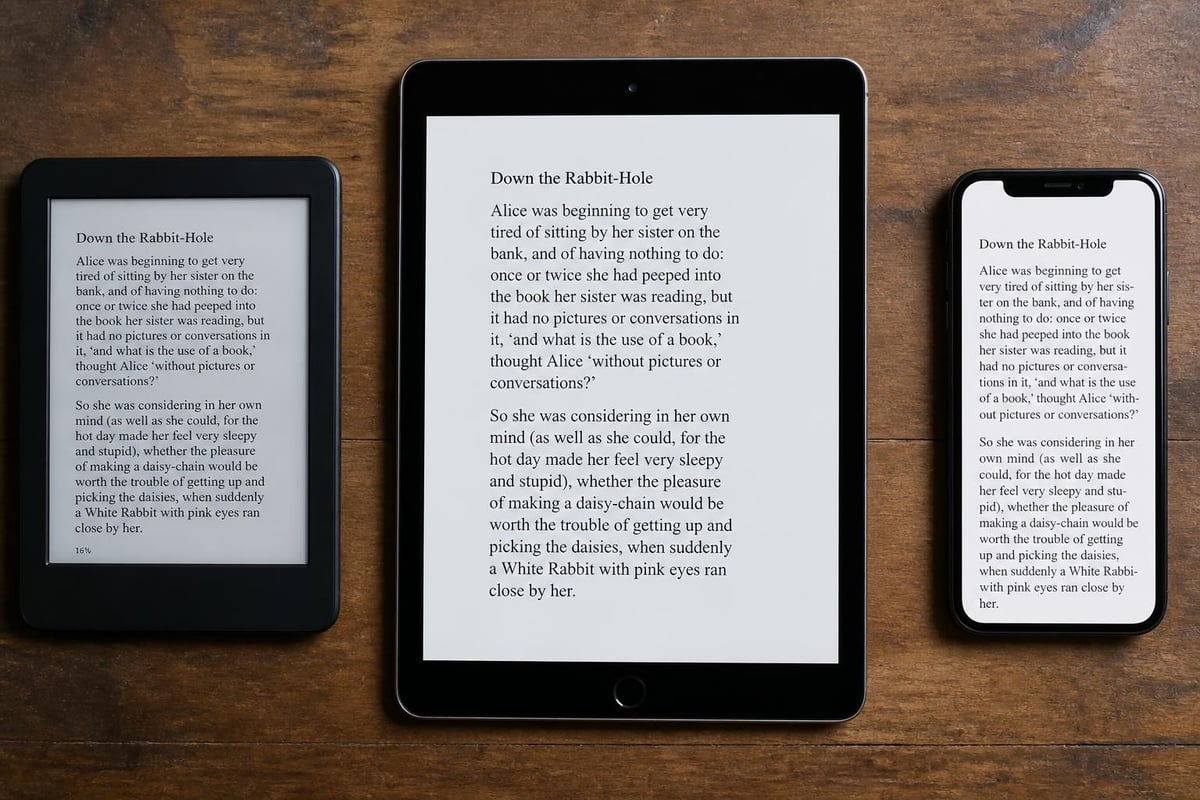
Reading habits have evolved alongside technology. Many readers now consume novels across multiple devices, starting a book on their e-reader during their commute, continuing on a tablet at lunch, and finishing on their smartphone before bed. This seamless synchronization has become a standard expectation rather than a premium feature.

Advantages of Digital Novel Formats
The transition from physical books to digital formats offers compelling benefits that extend beyond simple convenience. Storage capacity represents one of the most practical advantages, with readers able to maintain libraries containing thousands of titles without requiring physical shelf space. This becomes particularly valuable for series readers who want immediate access to entire collections.
Cost efficiency has emerged as a significant factor driving novels ebook adoption. Digital titles typically retail at lower prices than hardcover editions, with promotional pricing and daily deals providing additional savings. Many platforms offer subscription services that provide unlimited reading access for a fixed monthly fee, transforming reading from a per-title expense into a predictable budget item.
Immediate Access and Discovery
The instant gratification factor cannot be overstated. When readers finish one book in a series or discover a new author, they can purchase and begin reading the next title within seconds. This eliminates the frustration of waiting for deliveries or making trips to physical bookstores. The Tell eBook shop exemplifies this approach by offering immediate digital delivery across multiple fiction categories.
Discovery mechanisms in digital platforms have revolutionized how readers find new novels. Sophisticated recommendation algorithms analyze reading history, purchase patterns, and user ratings to suggest titles aligned with individual preferences. These systems help readers discover authors and genres they might never encounter through traditional browsing.
Device Options for Reading Digital Novels
Selecting the appropriate reading device significantly impacts the overall experience. The best e-readers available in 2026 offer various features tailored to different reading preferences and budgets. Understanding these options helps readers make informed investment decisions.
Dedicated E-Readers
E-ink displays remain the gold standard for extended reading sessions. These devices replicate the visual characteristics of printed paper while offering digital convenience:
| Feature | Benefit | Ideal For |
|---|---|---|
| E-ink technology | Reduced eye strain during extended reading | Daily commuters, heavy readers |
| Battery longevity | Weeks of use per charge | Travelers, vacation readers |
| Outdoor readability | Clear visibility in direct sunlight | Beach readers, outdoor enthusiasts |
| Lightweight design | Comfortable one-handed reading | Long reading sessions, bedtime reading |
Modern e-readers have evolved to include features like adjustable color temperature, waterproofing, and integration with library systems. Some models now support audiobook playback, creating hybrid devices that accommodate different consumption preferences throughout the day.
Tablets and Smartphones
Multi-purpose devices offer flexibility for readers who value versatility over specialized functionality. Tablets provide larger screens suitable for graphic novels and illustrated editions, while smartphones ensure reading opportunities during unexpected downtime. The comprehensive e-reader comparison guides highlight how different devices serve distinct use cases.
Color display technology has advanced significantly, with some readers preferring backlit screens for nighttime reading. However, this comes with tradeoffs including reduced battery life and potential eye fatigue during marathon reading sessions.
Building and Managing Your Digital Library
Creating a comprehensive digital library requires strategic thinking about platform selection, organization systems, and long-term access considerations. The novels ebook format allows for sophisticated categorization and management that exceeds what's practical with physical collections.
Readers should consider platform ecosystem lock-in when building their libraries. Some retailers use proprietary formats that restrict where and how purchased content can be accessed. Others support open standards that provide greater flexibility and device independence. Understanding these distinctions prevents future frustration and potential content loss.
Organization Strategies
Effective digital library management enhances the reading experience:
- Create custom collections by genre, author, or reading status
- Tag titles with themes, moods, or reading priorities
- Maintain wish lists across multiple platforms to track upcoming releases
- Archive completed titles while keeping active reading separate
- Backup purchases to prevent loss from platform changes or account issues
Many platforms now offer family sharing features, allowing household members to access purchased novels without duplicate purchases. This functionality particularly benefits families with multiple readers who enjoy similar genres or authors.
Current Trends Shaping Digital Fiction
The novels ebook landscape continues evolving with emerging technologies and changing reader expectations. Publishing trends for 2026 reveal several significant developments that influence how readers discover and consume fiction.
Serialized fiction has experienced a renaissance in digital formats. Authors release chapters or novellas sequentially, building anticipation and reader engagement over time. This model, reminiscent of classic serial publications, has been adapted for the digital age with subscription-based platforms and direct author relationships.
Enhanced Editions and Interactive Content
Publishers increasingly experiment with enhanced ebook editions that incorporate multimedia elements. These might include author interviews, character artwork, soundtrack integration, or annotated text with historical context. While purists sometimes question these additions, many readers appreciate the enriched experience, particularly for genres like fantasy and historical fiction.
The rise of direct-to-reader sales models has transformed author-reader relationships. Many novelists now sell directly through personal websites or specialized platforms, retaining higher percentages of revenue while maintaining closer connections with their audience. This shift has democratized publishing, allowing niche genres and experimental fiction to find dedicated readerships.
Genre-Specific Considerations
Different fiction categories offer unique experiences in digital formats. Romance readers have been early adopters and enthusiastic supporters of novels ebook formats, with romance novel sales statistics demonstrating the genre's digital dominance. The privacy and convenience of digital reading particularly appeals to romance enthusiasts.
Mystery and thriller readers benefit from the ability to adjust reading pace and quickly reference earlier chapters when tracking complex plots. Science fiction and fantasy readers appreciate built-in dictionaries for unfamiliar terminology and the ability to store lengthy series without physical space constraints.
Literary Fiction and Classics
The novels ebook format has revitalized interest in classic literature by making public domain works freely available. Readers can access entire catalogs of canonical fiction without cost, discovering foundational works that inform contemporary writing. Modern literary fiction benefits from annotation features that allow readers to highlight passages, make notes, and share insights with reading communities.
Historical fiction readers particularly value the research capabilities digital formats enable. When encountering historical figures, events, or locations, readers can immediately research context without disrupting their reading flow. This creates richer, more informed reading experiences that deepen appreciation for historical detail and accuracy.

Subscription Services and Reading Programs
The subscription economy has significantly impacted how readers access digital novels. Multiple platforms now offer all-you-can-read models that provide unlimited access to catalogs containing hundreds of thousands of titles for fixed monthly fees. These services particularly benefit voracious readers who complete multiple books weekly.
Library integration represents another crucial development. Many public library systems now offer robust digital lending programs, allowing cardholders to borrow novels ebook titles through apps and platforms. These programs have expanded access to digital reading, particularly for budget-conscious readers and those exploring new genres or authors.
Comparing Service Models
| Service Type | Best For | Considerations |
|---|---|---|
| Unlimited subscriptions | Heavy readers (3+ books/month) | Limited selection, rotating catalog |
| Pay-per-title | Selective readers, collectors | Higher per-book cost, permanent ownership |
| Library lending | Budget readers, explorers | Waitlists, borrowing limits, time restrictions |
| Hybrid models | Varied reading habits | Complexity, multiple platforms to manage |
Understanding personal reading patterns helps determine the most cost-effective approach. Readers who devour genre fiction might save substantially through subscriptions, while those who reread favorites or read slowly might prefer purchasing individual titles. The Tell eBook blog offers insights into maximizing value across different purchasing models.
Reading Experience Optimization
Customization features distinguish digital reading from traditional print experiences. Font selection, size adjustment, margin width, and line spacing allow readers to create optimal visual environments tailored to their preferences and visual capabilities. These accessibility features have opened reading to individuals who previously struggled with standard print formats.
Lighting control represents another significant advantage. Most digital reading platforms offer adjustable brightness and color temperature, reducing blue light exposure during evening reading sessions. This supports healthier sleep patterns while maintaining comfortable reading conditions in various lighting environments.
Progress Tracking and Reading Goals
Many platforms now incorporate reading statistics and goal-setting features. Readers can track pages read per day, books completed annually, and reading streaks. These gamification elements motivate consistent reading habits and provide satisfying metrics for achievement-oriented readers.
Social reading features connect readers with communities sharing similar interests. Book clubs can synchronize reading progress, discuss specific passages, and share reactions in real-time. These social dimensions add new layers to the solitary activity of reading, creating shared experiences around individual texts.
Audiobook Integration and Multi-Format Reading
The convergence of novels ebook and audiobook formats represents a significant trend shaping modern reading habits. Many platforms now offer Whispersync technology or similar features that synchronize progress across text and audio versions of the same title. Readers can seamlessly switch between formats based on context, reading during focused time and listening during commutes or exercise.
This multi-modal approach accommodates different learning styles and situational constraints. Some readers discover that alternating between text and audio improves comprehension and retention, particularly for complex literary fiction or dense prose styles. The flexibility to choose consumption mode based on current circumstances maximizes reading time throughout the day.
Market Analysis and Future Outlook
The assessment of the ebook market reveals sustained growth alongside evolving reader expectations. While initial concerns suggested digital formats might cannibalize print sales, the market has demonstrated that multiple formats can coexist, serving different reader needs and preferences. Many readers maintain hybrid collections, purchasing digital versions for convenience while collecting print editions of beloved titles.
Digital publishing market trends indicate continued innovation in reader features, pricing models, and content delivery systems. Publishers are experimenting with dynamic pricing, pre-order incentives, and exclusive digital editions to maximize revenue while providing value to readers. The novels ebook segment remains a critical component of publisher strategies moving forward.
Emerging Technologies
Artificial intelligence is beginning to influence the novels ebook experience through improved recommendations, automated summarization features, and even AI-assisted reading companions that answer questions about plot points and characters. While some readers appreciate these enhancements, others prefer traditional, unmediated reading experiences.
Virtual and augmented reality experiments continue in specialized fiction categories, though mainstream adoption remains limited. These technologies show promise for immersive storytelling experiences but require significant investment in hardware that most casual readers haven't made.
Platform Selection Strategies
Choosing where to purchase and read digital novels requires evaluating multiple factors beyond immediate pricing. Platform stability, device compatibility, customer service quality, and content selection all influence long-term satisfaction. Readers should consider whether they prioritize:
- Broad selection across all genres and publishers
- Competitive pricing and frequent promotional offers
- Superior reading interface and customization options
- Device flexibility and cross-platform synchronization
- Community features and social reading capabilities
Many dedicated readers maintain accounts across multiple platforms, purchasing from different sources based on availability, pricing, and format preferences. This diversified approach provides flexibility while potentially complicating library management.
Supporting Independent Authors and Publishers
The democratization of digital publishing has enabled independent authors to reach readers directly without traditional publishing gatekeepers. Many successful novelists now publish exclusively in digital formats, building devoted followings through series releases and direct reader engagement. Supporting these independent voices enriches the literary ecosystem while often providing exceptional value.
Platform policies regarding author compensation vary significantly. Readers concerned about supporting creators should understand how different retailers and subscription services compensate authors for their work. Some platforms offer higher royalty rates, while others provide better discovery mechanisms that drive sales volume.
Navigating the Digital Reading Landscape
The novels ebook market offers unprecedented choice, convenience, and customization for fiction readers. As technology continues advancing and reader preferences evolve, platforms must balance innovation with the fundamental reading experience that draws people to stories. Understanding available options, format benefits, and platform features empowers readers to make decisions aligned with their habits, preferences, and values.
The accessibility of digital formats has expanded reading to new audiences while providing existing readers with enhanced experiences. Whether discovering new authors through sophisticated recommendation systems, enjoying classics through public domain libraries, or following favorite series across synchronized devices, digital reading creates opportunities impossible in purely physical formats. Market share statistics demonstrate that novels ebook formats have secured a permanent position in publishing, complementing rather than replacing traditional print.
The digital reading revolution continues transforming how we discover, purchase, and enjoy fiction, offering unparalleled convenience and customization for modern readers. Whether you're drawn to romance, mystery, science fiction, or literary classics, digital formats provide accessible pathways to the stories you love. Tell eBook delivers a comprehensive selection of novels ebook titles across all major genres, providing immediate access to your next great read with competitive pricing and user-friendly browsing features that make discovering your next favorite book effortless.