

Audiobooks, often called talking books, have transformed from a niche accessibility tool into a mainstream entertainment and educational medium. The digital revolution has brought unprecedented access to spoken word literature, making it easier than ever to enjoy everything from classic novels to cutting-edge business guides during commutes, workouts, or household chores. Understanding what makes certain audiobooks stand out from the crowd requires examining narration quality, production values, content selection, and how these elements combine to create truly memorable listening experiences.
Understanding the Evolution of Talking Books
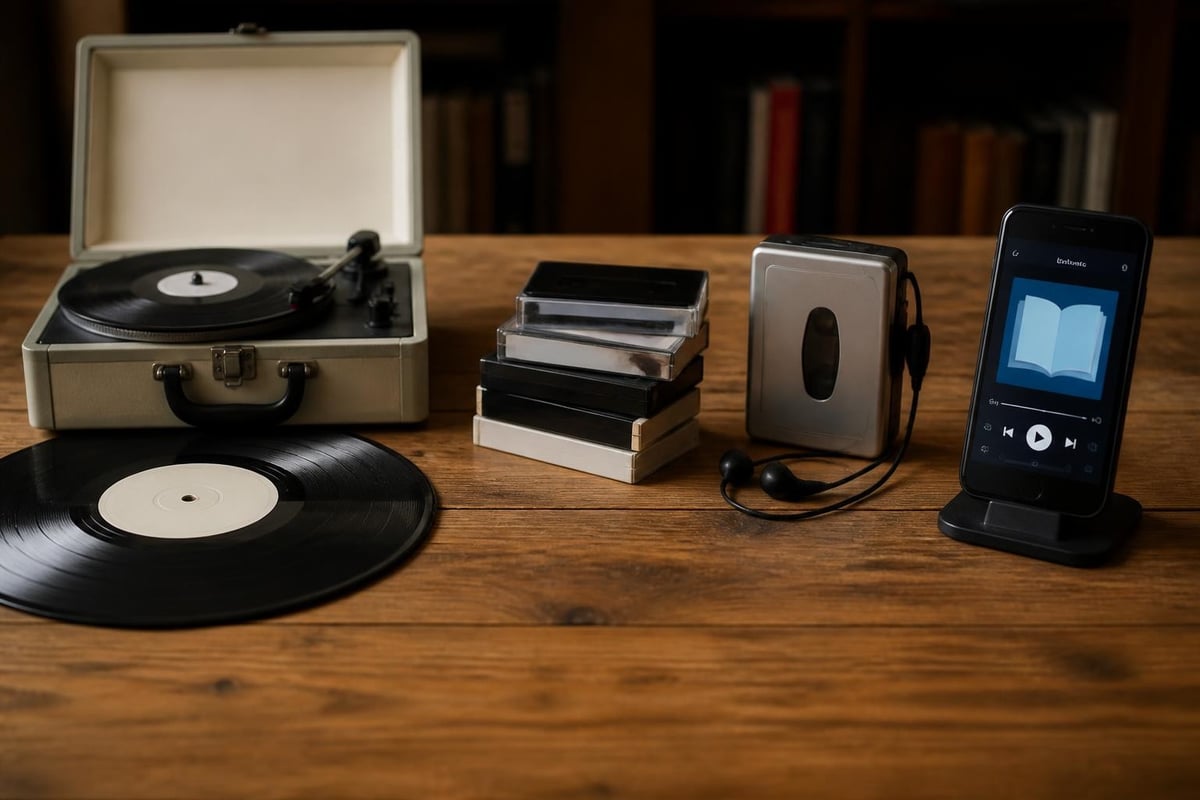
The concept of talking books dates back to the 1930s when the American Foundation for the Blind pioneered recordings for visually impaired readers. These early efforts used vinyl records and later cassette tapes, limiting both selection and portability. The transformation to digital formats in the early 2000s revolutionized the industry completely.
Modern audiobooks offer studio-quality production with professional narrators, sound effects, and musical scores that enhance storytelling rather than simply reading text aloud. Michigan State University research confirms that audiobooks stimulate the brain similarly to traditional reading, validating their role as legitimate literary consumption.
Technical Quality Standards
Professional audiobook production requires substantial investment in equipment, talent, and editing. The best talking books feature:
- Crystal-clear audio recorded in professional studios with noise floors below -60dB
- Consistent volume levels throughout lengthy recordings
- Proper pacing that matches the content's emotional tone
- Strategic pauses at chapter breaks and dramatic moments
- Professional mastering to ensure uniform quality across all playback devices
Production quality directly impacts listener engagement and retention. Amateur recordings with background noise, inconsistent volume, or poor microphone quality distract from content regardless of source material excellence.
Criteria for Selecting Outstanding Audiobooks
Identifying the best talking books requires evaluating multiple factors beyond simple popularity or sales rankings. Different listeners prioritize different elements, but certain universal standards separate exceptional audiobooks from mediocre ones.
Narrator Performance and Casting
The narrator's voice becomes inseparable from the story itself. Skilled narrators don't just read words-they inhabit characters, convey subtle emotional nuances, and maintain energy through hours of recording. Many publishers now cast narrators specifically matched to content, such as British actors for Victorian literature or subject-matter experts for nonfiction works.
Full-cast productions elevate certain genres particularly well. Fantasy epics, mystery thrillers, and historical fiction benefit from multiple voice actors portraying distinct characters. The Tell eBook collection includes audiobooks featuring both single-narrator and ensemble performances across diverse genres.
Content and Genre Considerations
Different content types suit audio formats differently:
| Genre | Audio Advantages | Ideal Narrator Style |
|---|---|---|
| Memoir/Biography | Personal connection, emotional impact | Author-narrated or character actor |
| Business/Self-help | Portable learning, repetition-friendly | Clear, authoritative voice |
| Fiction/Literature | Immersive storytelling, character voices | Theatrical, versatile performer |
| Science/Technical | Complex concepts explained verbally | Expert narrator with subject knowledge |
Poetry and experimental literature sometimes translate poorly to audio without visual formatting cues. Conversely, humor and dialogue-heavy fiction often excel in spoken formats where timing and delivery enhance comedic elements.
Top Categories in Contemporary Audiobooks
The audiobook market has expanded dramatically, with certain categories consistently producing exceptional listening experiences. Understanding these categories helps listeners discover their next favorite title.
Literary Fiction and Classics
Contemporary literary fiction benefits from thoughtful narration that respects authorial intent while bringing prose to life. Classic literature gains new accessibility through modern production values. Narrators like Juliet Stevenson, Simon Vance, and Bahni Turpin have become synonymous with literary excellence.
Recent trends show increasing diversity in both content and narrator selection, with publishers actively seeking voices that authentically represent character backgrounds and cultural contexts. This authenticity enhances listener immersion and broadens appeal across demographic groups.
Mystery, Thriller, and Crime Fiction
Suspense genres thrive in audio format where pacing, tension, and dramatic reveals benefit from skilled vocal performance. British mysteries particularly suit audiobook treatment, with narrators expertly navigating complex plots and maintaining suspense through vocal modulation.
The best talking books in this category often feature narrators who understand the genre's conventions-building tension through pace, using silence effectively, and distinguishing between red herrings and genuine clues through subtle vocal cues.

Biography and Memoir
Personal narratives create powerful connections in audio format, particularly when authors narrate their own stories. Michelle Obama's narration of "Becoming," for instance, added intimacy and authority that no professional actor could replicate. Similarly, comedians' memoirs gain significantly from author narration.
When authors can't narrate-due to time constraints, vocal limitations, or posthumous publication-casting becomes crucial. The best talking books in biography feature narrators who respect the subject's dignity while making their story accessible and engaging.
Business and Professional Development
Studies show audiobooks help students learn new vocabulary, and this educational benefit extends to professional development content. Business audiobooks allow busy professionals to maximize commute time, transforming dead hours into productive learning sessions.
The most effective business audiobooks include:
- Clear chapter structures for easy reference and re-listening
- Supplementary materials like downloadable PDFs for charts and graphs
- Expert narration that understands industry terminology
- Practical examples that translate well to spoken format
- Actionable takeaways reinforced through repetition and emphasis
Benefits That Make Audiobooks Valuable
Understanding why audiobooks matter helps readers appreciate what separates good recordings from great ones. The benefits extend beyond simple convenience into cognitive, emotional, and practical domains.
Accessibility and Inclusion
Audiobooks democratize reading for people with visual impairments, dyslexia, physical limitations, or learning differences. Research indicates that audiobooks promote literacy, particularly among children and young people who might otherwise disengage from reading entirely.
This accessibility extends to elderly readers who may struggle with small print, people recovering from injuries that limit physical book handling, and anyone experiencing temporary vision problems. Quality audiobooks ensure everyone can access literature regardless of physical limitations.
Time Optimization and Multitasking
Modern life demands efficiency, and audiobooks enable learning and entertainment during activities that would otherwise be intellectually idle. Survey data reveals that 58% of U.S. adults have listened to audiobooks, with many citing convenience and portability as primary motivations.
The best talking books recognize this multitasking reality through production choices-maintaining consistent volume for varied listening environments, pacing content appropriately for attention-divided listeners, and structuring chapters for natural stopping points.
Cognitive and Emotional Benefits
Audiobooks deliver significant cognitive benefits, including the release of dopamine and oxytocin during engaging narratives. These neurochemical responses enhance memory formation, emotional connection, and overall enjoyment.
Listening activates different neural pathways than visual reading, engaging auditory processing centers and potentially strengthening comprehension through dual-channel learning. For many listeners, hearing information spoken aloud enhances retention compared to silent reading.
How to Choose Your Next Audiobook
Selecting from thousands of available titles can overwhelm even experienced listeners. Strategic selection increases satisfaction and reduces abandoned listens.
Matching Content to Listening Context
Consider where and when you'll listen:
- Commuting: Choose engaging but not overly complex content that tolerates brief attention lapses at traffic lights
- Exercise: Select motivational nonfiction or fast-paced fiction that maintains energy
- Household tasks: Pick familiar favorites or lighter content that doesn't demand full concentration
- Intentional listening: Reserve complex literary works or dense nonfiction for dedicated listening time
The Tell eBook shop organizes audiobooks by category, making it easier to match content with intended listening contexts.
Sampling Before Committing
Most platforms offer preview samples-use them. Listen for narrator compatibility, production quality, and whether the content translates well to audio format. Five minutes of sampling can prevent hours of regrettable listening.
Pay attention to:
- Narrator's voice quality and whether it suits the material
- Pacing and energy level appropriate to content
- Audio clarity and absence of distracting background noise
- Your personal engagement within the sample period
Exploring Curated Recommendations
Professional reviews from sources like Kirkus Reviews’ audiobook selections provide valuable guidance. These curated lists highlight narration excellence, innovative productions, and titles that specifically excel in audio format.

Platform and Format Considerations
Where and how you access audiobooks significantly impacts your experience. Different platforms offer varying benefits and limitations.
Subscription vs. Purchase Models
| Model Type | Advantages | Disadvantages | Best For |
|---|---|---|---|
| Subscription | Unlimited listening, cost-effective for heavy users | No ownership, limited selection | Regular listeners |
| Individual Purchase | Permanent ownership, broader selection | Higher per-title cost | Selective listeners |
| Library Borrowing | Free access, legitimate content | Waiting lists, time limits | Budget-conscious readers |
| Direct Publisher | DRM-free options, author support | Higher prices, platform fragmentation | Format flexibility priority |
Tell eBook offers direct purchases that provide permanent access without subscription requirements, appealing to listeners who prefer ownership over rental models.
Device and App Compatibility
The best talking books remain accessible across devices-smartphones, tablets, computers, and dedicated audiobook players. Cloud synchronization enables seamless transitions between devices, allowing listeners to start in the car and continue on the couch without losing their place.
Consider playback features like:
- Variable speed control for adjusting pace without pitch distortion
- Sleep timers for bedtime listening
- Bookmarking capabilities for noteworthy passages
- Chapter navigation for easy reference
- Offline downloading for listening without data consumption
Genre-Specific Excellence in Audiobooks
Certain genres consistently produce the best talking books through natural alignment between content and audio format advantages.
Science Fiction and Fantasy
Epic worldbuilding benefits enormously from skilled narration that distinguishes between alien species, fantasy races, and futuristic technologies through vocal characterization. Lengthy series become manageable commitments when consumed during daily routines rather than requiring dedicated reading time.
Full-cast productions particularly shine in fantasy, where large character ensembles and complex political intrigue benefit from distinct voices. Productions featuring music and sound effects enhance immersion in otherworldly settings.
True Crime and Investigative Journalism
The narrative structure of investigative stories suits audio perfectly. Skilled narrators build suspense, pace revelations, and maintain listener engagement through complex timelines and multiple perspectives. Many true crime podcasters have successfully transitioned to audiobook production, bringing their established storytelling expertise.
Self-Narrated Nonfiction
Authors narrating their own expertise add authenticity and passion impossible to replicate. Malcolm Gladwell's narration of his own books, for instance, conveys enthusiasm and nuance that aligns perfectly with his conversational writing style.
When evaluating self-narrated works, consider whether the author possesses sufficient vocal training and stamina for lengthy recordings. Some brilliant writers struggle with audio performance despite subject expertise.
Production Innovation and Future Trends
The audiobook industry continues evolving with technological advances and creative experimentation pushing boundaries beyond traditional narration.
Enhanced Audio and Immersive Experiences
Some producers now incorporate spatial audio, binaural recording techniques, and sophisticated sound design that creates three-dimensional listening experiences. Horror and thriller genres particularly benefit from these innovations, using directional audio to heighten tension and surprise.
Interactive audiobooks with branching narratives exist in experimental forms, though mainstream adoption remains limited. These innovations challenge traditional definitions of what constitutes an audiobook.
Celebrity Narrators and Original Content
High-profile actors increasingly lend their talents to audiobook narration, bringing star power and proven performance ability. While celebrity involvement sometimes prioritizes marketing over optimal casting, many actors deliver exceptional performances that enhance literature accessibility and appeal.
Original audiobook content-stories conceived and produced exclusively for audio rather than adapted from print-represents growing market segments. These productions leverage audio's unique strengths rather than simply converting existing texts.
Maximizing Your Audiobook Experience
Getting the best talking books represents only half the equation-optimizing listening habits completes the experience.
Active Listening Techniques
Passive background listening has its place, but truly exceptional audiobooks reward active engagement:
- Eliminate competing attention demands for complex or important sections
- Take notes on key insights or memorable passages
- Replay challenging sections rather than accepting incomplete comprehension
- Discuss with others to reinforce understanding and retention
- Follow along with text occasionally to strengthen multi-modal learning
Psychology Today explores research comparing audiobook listening to traditional reading, noting that engagement level matters more than format.
Building Sustainable Listening Habits
Consistency matters more than intensity. Regular listeners develop preferences, discover favorite narrators, and build listening into daily routines naturally. Start with genres you already enjoy in print format, then expand into new territories as comfort with audio increases.
Track your listening through apps or journals to recognize patterns-which narrators resonate, what genres hold attention, when listening works best. This data-driven approach optimizes future selections.
The Tell eBook blog provides ongoing recommendations and insights for building enriching audiobook habits across diverse interests and preferences.
Evaluating Audiobook Quality Standards
Not all audiobooks achieve excellence. Understanding quality markers helps separate professional productions from amateur efforts.
Technical Production Elements
Professional audiobooks maintain consistent audio specifications throughout:
- Bitrate: Minimum 64 kbps for spoken word, though 128 kbps provides noticeably better clarity
- Sample rate: 44.1 kHz standard ensures full frequency range reproduction
- Noise floor: Below -60 dB prevents distracting background hiss
- Dynamic range: Appropriate compression prevents volume inconsistencies without sacrificing naturalness
These technical specifications seem arcane but directly impact listening pleasure, particularly during extended listening sessions or in varied environments.
Editorial and Performance Quality
Beyond technical production, multiple benefits of audiobooks include reduced eye strain and improved mental health-but only when production quality supports rather than hinders enjoyment.
Red flags indicating lower quality productions include:
- Mispronounced words or character names
- Inconsistent character voices across chapters
- Audible page turns or breathing
- Room tone variations suggesting multiple recording sessions with different setups
- Awkward pacing that doesn't match content rhythm
Building Your Audiobook Collection
Strategic collection building ensures continued access to favorites while discovering new treasures.
Balancing Breadth and Depth
Some listeners prefer exploring widely across genres, authors, and narrators. Others find satisfaction in deep dives-completing entire series, exploring an author's complete works, or following favorite narrators across diverse titles.
Both approaches offer value. Wide exploration prevents stagnation and introduces unexpected favorites. Depth provides mastery and the satisfaction of comprehensive understanding.
Preservation and Organization
Digital collections require organization for maximum utility. Most platforms offer playlist creation, tagging, and categorization features. Use these tools to:
- Group series together for sequential listening
- Mark favorites for easy re-listening
- Track started-but-paused titles to prevent abandonment
- Organize by mood or context for situational selection
- Note narrator preferences to discover new titles
Purchased audiobooks represent investments deserving protection. Maintain backups of DRM-free files and track access credentials for subscription services carefully.
The best talking books combine exceptional narration, professional production, and content that translates effectively to audio format, creating experiences that rival or exceed traditional reading. Whether you're exploring fiction for entertainment, nonfiction for education, or memoirs for inspiration, audiobooks offer unparalleled flexibility and accessibility. Tell eBook provides a curated selection of quality audiobooks across diverse genres, helping listeners discover their next favorite spoken word experience with convenient access and permanent ownership options.