

The publishing landscape continues to evolve at a remarkable pace, bringing readers an unprecedented variety of titles across every imaginable genre and format. Understanding what's new in books helps readers, collectors, and digital library enthusiasts stay current with emerging authors, breakthrough narratives, and innovative storytelling formats. As we progress through 2026, the book industry demonstrates both resilience and adaptability, with traditional publishing houses and independent authors alike pushing creative boundaries while embracing technological advances that transform how we discover, purchase, and consume literature.
The Publishing Landscape of 2026
The book industry has experienced significant transformation over the past year, with production numbers reaching historic highs. According to recent data, U.S. book output reached approximately 4 million titles in 2025, largely driven by the surge in self-published works. This explosion of content means readers now have access to more diverse voices and niche topics than ever before.
Key market indicators for 2026 include:
- Sustained growth in audiobook consumption and production
- Increased diversity in author backgrounds and storytelling perspectives
- Rising popularity of serialized fiction and subscription reading models
- Enhanced integration of AI tools in the publishing workflow
The traditional publishing sector maintains its importance despite these changes. Adult fiction demonstrated particularly strong performance in 2025, suggesting readers continue gravitating toward narrative-driven works that offer escapism, cultural commentary, and emotional resonance.
Most Anticipated Releases
What's new in books for 2026 includes an impressive lineup of highly anticipated titles from established authors and promising newcomers. Time magazine’s compilation of 36 most anticipated books for 2026 reveals a fascinating mix of literary fiction, genre-bending thrillers, and thoughtful non-fiction that addresses contemporary issues.
These releases span multiple categories, ensuring something compelling for every type of reader:
- Literary fiction exploring identity and cultural displacement
- Science fiction addressing climate change and technological ethics
- Historical fiction reimagining pivotal moments from marginalized perspectives
- Memoirs from public figures sharing candid personal narratives
- Business books analyzing economic shifts and workplace evolution
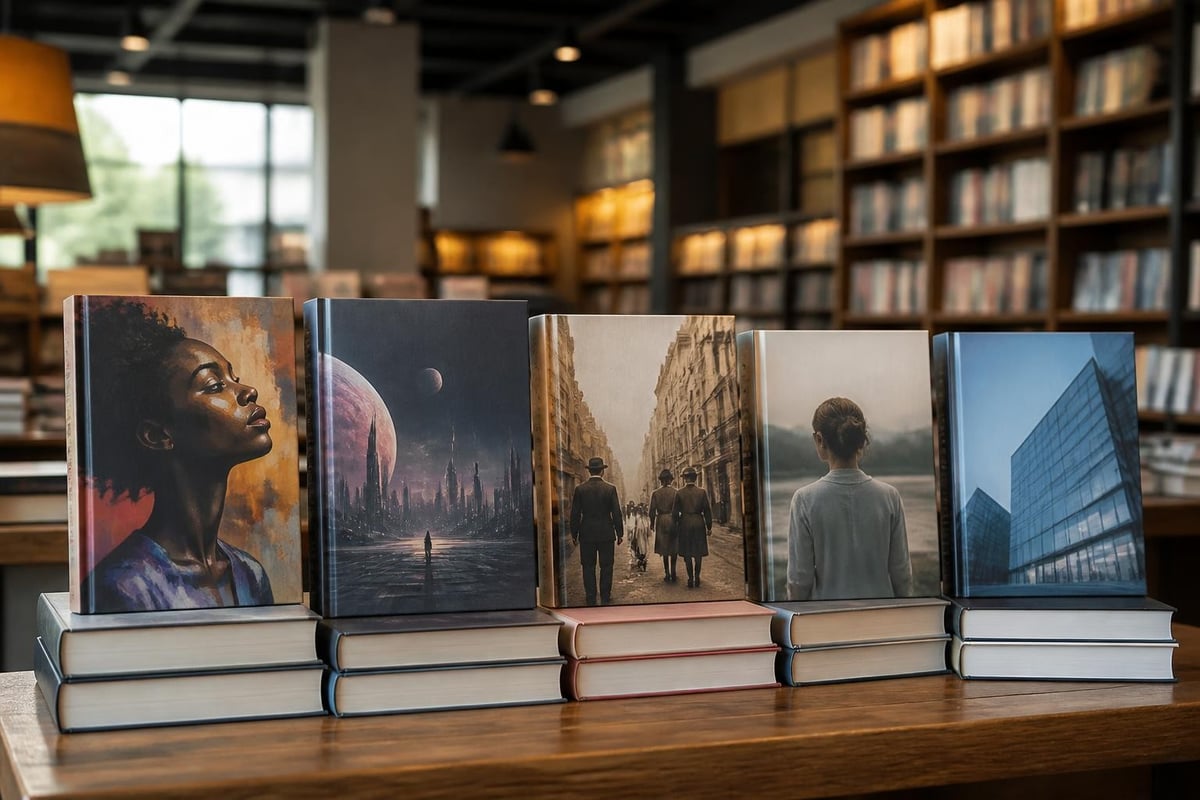
The diversity in storytelling approaches reflects broader cultural conversations about representation, authenticity, and the power of narrative to shape understanding. Readers seeking new in books will find platforms like Tell eBook offer convenient access to these titles in digital formats, making it easier to explore multiple genres simultaneously.
Fiction Trends Shaping Reader Preferences
Fiction continues dominating reader interest, with specific subgenres experiencing remarkable growth. Romance, particularly contemporary and fantasy romance, maintains strong momentum as readers seek emotionally satisfying narratives. Thriller and mystery categories also show consistent performance, with psychological suspense gaining particular traction among discerning readers.
Genre-Blending Narratives
One notable trend in what's new in books involves the deliberate blending of traditional genre boundaries. Authors increasingly combine elements from multiple categories to create unique reading experiences:
| Primary Genre | Blended Element | Reader Appeal |
|---|---|---|
| Literary Fiction | Speculative Elements | Thought-provoking premises with artistic prose |
| Romance | Mystery/Thriller | Emotional stakes heightened by external danger |
| Historical Fiction | Fantasy | Familiar periods reimagined with magical realism |
| Science Fiction | Literary Character Studies | Complex technology paired with deep human exploration |
This cross-pollination creates fresh storytelling opportunities while challenging readers to expand their typical genre preferences. The approach has proven particularly successful in attracting younger readers who resist rigid categorical boundaries.
Contemporary fiction also addresses pressing social themes:
- Climate anxiety and environmental responsibility
- Digital privacy and surveillance culture
- Generational wealth disparities and economic justice
- Mental health awareness and therapeutic approaches
- Immigration experiences and cultural adaptation
Authors crafting new in books increasingly recognize that readers want entertainment that also engages with meaningful issues affecting their lives and communities.
The Audiobook Revolution Continues
Emerging publishing trends for 2026 highlight the continued expansion of audiobook production and consumption. This format has transitioned from a niche offering to a mainstream preference for millions of readers who appreciate the convenience and immersive quality of professionally narrated content.
Production quality has reached exceptional standards, with publishers investing in celebrity narrators, full-cast productions, and sound design that enhances storytelling. Many authors now write with audio performance in mind, crafting dialogue and pacing specifically suited to the listening experience.
Why Audiobooks Dominate Growth
The audiobook surge reflects changing lifestyle patterns and technology adoption. Commuters, fitness enthusiasts, and multitaskers find audio formats integrate seamlessly into daily routines. Subscription services have also normalized audiobook consumption, making it economically practical for listeners to explore numerous titles monthly.
Audiobook advantages driving adoption:
- Accessibility for readers with visual impairments or reading difficulties
- Professional narration adding emotional depth and character distinction
- Portability enabling reading during activities requiring visual attention
- Discovery opportunities through enhanced recommendation algorithms
- Family-friendly options for shared listening experiences
Platforms offering new in books increasingly prioritize audiobook availability alongside traditional ebook formats, recognizing that format preference varies based on reading context rather than fixed consumer identity.

Self-Publishing and Independent Authors
The democratization of publishing has fundamentally altered who can share stories with global audiences. Independent authors now command significant market share, with many achieving bestseller status without traditional publisher support. This shift empowers diverse voices and niche content that might not align with conventional commercial calculations.
Self-publishing platforms provide comprehensive tools for authors managing the entire publication process:
- Manuscript preparation with professional editing and formatting services
- Cover design through template customization or designer collaboration
- Distribution across multiple retail channels simultaneously
- Marketing support including promotional tools and analytics dashboards
- Rights management maintaining complete creative and business control
The quality gap between independent and traditionally published works has narrowed considerably. Many successful independent authors invest in professional services, producing books indistinguishable from major publisher releases in terms of editorial polish and production values.
Finding Quality Independent Titles
Discovering exceptional self-published works among millions of titles requires strategic approaches. Reader reviews, genre-specific communities, and curated recommendation newsletters help filter options. Many readers now follow specific independent authors across series, building direct relationships that bypass traditional publishing gatekeepers.
What's new in books from independent creators often includes:
- Faster publication schedules allowing timely topic coverage
- Greater creative risks in plot structure and narrative voice
- Niche specialization serving passionate enthusiast communities
- Serial releases building anticipation through episodic storytelling
- Direct author engagement through social media and reader groups
The Tell eBook shop features selections from both traditional publishers and independent authors, providing readers access to the full spectrum of contemporary publishing.
Non-Fiction Categories Experiencing Growth
While fiction captures headlines, non-fiction demonstrates robust performance across multiple categories. Readers increasingly seek books that enhance skills, provide practical guidance, or deepen understanding of complex topics.
High-performing non-fiction categories include:
| Category | Focus Areas | Typical Reader Goals |
|---|---|---|
| Business & Leadership | Entrepreneurship, management philosophy, organizational culture | Career advancement, skill development |
| Self-Help & Wellness | Mental health, productivity, habit formation | Personal improvement, stress management |
| True Crime | Investigative narratives, criminal psychology | Entertainment, psychological insight |
| Science & Nature | Climate science, astronomy, biology | Knowledge expansion, world understanding |
| Biography & Memoir | Political figures, cultural icons, ordinary lives | Inspiration, historical perspective |
Biography and memoir maintain particular relevance as readers seek authentic human stories that illuminate broader cultural moments. The most successful memoirs balance personal vulnerability with universal themes, allowing readers to find resonance with experiences different from their own.

Digital Reading Habits and Platform Evolution
Consumer behavior around digital reading continues maturing, with readers developing sophisticated preferences about format, device, and purchasing approach. Some readers maintain exclusive loyalty to ebooks, while others toggle between digital and physical books depending on title type and reading context.
Reader Preferences by Format
Research indicates that genre often influences format preference. Thriller and romance readers show higher digital adoption rates, perhaps valuing convenience and privacy. Literary fiction readers demonstrate greater attachment to physical books, possibly valuing the tactile experience and shelf display.
Factors influencing format decisions:
- Price sensitivity driving ebook purchases for casual reads
- Space constraints making digital libraries practical for apartment dwellers
- Collection display motivating physical purchases for favorite authors
- Travel frequency encouraging digital libraries for portable access
- Gift giving maintaining physical book relevance for special occasions
Platforms serving readers exploring what's new in books must accommodate these varied preferences through flexible purchasing options and cross-format compatibility.
Comics, Graphic Novels, and Visual Storytelling
Visual narrative formats experience remarkable growth, transcending their historical association with children's content. Graphic novels now tackle sophisticated themes through the unique storytelling possibilities that combine illustration with text.
The medium attracts acclaimed literary authors experimenting with visual narrative, while established comics creators push artistic and thematic boundaries. Memoir, journalism, and historical documentation increasingly utilize graphic formats to make complex subjects accessible through visual metaphor and sequential art.
Why graphic formats attract new readers:
- Visual learning styles accommodated through illustration integration
- Pacing control through panel composition and page layout
- Emotional impact heightened through artistic style choices
- Cultural diversity represented through global artistic traditions
- Accessibility for reluctant readers intimidated by text-heavy formats
What's new in books within the graphic category includes adaptations of classic literature, original fantasy epics, and investigative journalism presented through illustrated reporting. These works demonstrate the medium's capacity for serious artistic and intellectual engagement.
International Perspectives and Translation
Global literature in translation brings international perspectives to English-language readers, expanding cultural understanding and narrative traditions. Publishers increasingly prioritize translation projects, recognizing reader appetite for stories from diverse geographical and cultural contexts.
Translated works often achieve critical acclaim and commercial success, with several international authors winning major literary prizes. The global perspective enriches the reading landscape, introducing narrative structures and thematic concerns shaped by different cultural priorities.
However, challenges persist within the international market. While some regions show stable reading habits, declining book reading in France threatens bookstore viability, illustrating broader concerns about reading culture sustainability across developed nations.
Technology Integration in Publishing
Artificial intelligence and machine learning increasingly influence publishing workflows, from manuscript evaluation to marketing optimization. Publishers utilize AI tools for market analysis, predictive sales modeling, and even editorial assistance, though human judgment remains central to acquisition and creative decisions.
Technology also enables enhanced reading experiences through interactive ebooks, embedded multimedia content, and social reading platforms that facilitate community discussion. These innovations particularly appeal to younger readers accustomed to digital interactivity across media consumption.
Balancing Innovation with Reading Experience
The challenge for publishers involves integrating technology meaningfully without compromising the focused, immersive quality that makes reading distinctive. Excessive interactivity can fragment attention rather than enhance engagement, requiring thoughtful implementation of technological features.
Readers seeking what's new in books increasingly expect seamless cross-device synchronization, personalized recommendations based on reading history, and instant access to new releases. Meeting these expectations while maintaining affordable pricing and author compensation remains an ongoing industry challenge.
Cultural Impact and Reading Communities
Physical books maintain cultural significance beyond their content, as evidenced by design trends like "book drenching." Interior design trends for 2026 include filling shelves with well-loved books, reflecting how book ownership communicates identity and values within living spaces.
Online reading communities facilitate discussion, recommendation sharing, and author interaction at unprecedented scale. Book clubs, both virtual and in-person, create social dimensions around reading that enhance enjoyment and accountability. These communities often drive discovery of new in books through enthusiastic member recommendations.
Reading community benefits include:
- Exposure to titles outside typical preference patterns
- Deeper engagement through structured discussion
- Social connection around shared intellectual interests
- Author accessibility through virtual events and Q&A sessions
- Accountability structures encouraging consistent reading habits
Platforms like Tell eBook serve these communities by providing convenient access to discussion-ready titles and enabling simultaneous reading through instant digital delivery.
Economic Considerations for Readers
Book pricing strategies vary considerably across formats and publishers. Ebook prices typically fall below physical book costs, though pricing gaps have narrowed as publishers recognize digital format value. Audiobooks command premium pricing reflecting production costs, though subscription services offer economical alternatives for frequent listeners.
Savvy readers employ multiple strategies for economical book access:
- Library borrowing through physical branches and digital platforms
- Subscription services offering unlimited monthly access
- Pre-order discounts for anticipated releases
- Publisher direct purchases during promotional periods
- Newsletter subscriptions alerting to temporary price reductions
Understanding these options allows readers to maintain robust reading habits while managing entertainment budgets. The variety of access models ensures that financial constraints need not limit reading volume or title selection.
Staying current with what's new in books requires understanding industry trends, format evolution, and the diverse storytelling approaches shaping contemporary publishing. Whether you're drawn to literary fiction, practical non-fiction, immersive audiobooks, or visual narratives, 2026 offers extraordinary variety across every reading preference. The digital revolution has made accessing new releases more convenient than ever while expanding opportunities for independent voices and international perspectives. Explore the latest titles and discover your next favorite read through Tell eBook, where a comprehensive selection of ebooks and audiobooks across all genres awaits your exploration.