

Reading exceptional books transforms how we understand ourselves and the world around us. The best literature transcends its original publication date, speaking to universal human experiences while offering unique perspectives from different cultures, time periods, and voices. Whether you're drawn to sweeping historical epics, intimate character studies, or groundbreaking experimental narratives, understanding what elevates certain works above others helps readers make informed choices about their next literary journey.
Understanding Literary Excellence
Literary merit encompasses multiple dimensions beyond simple entertainment value. The best literature demonstrates mastery of language, creates memorable characters who feel authentically human, and explores themes with depth and nuance. These works often challenge readers to reconsider their assumptions while providing emotional resonance that lingers long after the final page.
Key characteristics of exceptional literature include:
- Craftsmanship in language: Precise word choice, compelling rhythm, and distinctive voice
- Complex characterization: Multi-dimensional protagonists and supporting characters who evolve
- Thematic depth: Exploration of universal questions about identity, morality, love, loss, and meaning
- Structural innovation: Purposeful narrative architecture that enhances the story's impact
- Cultural significance: Works that capture or reshape the zeitgeist of their era
The distinction between popular fiction and literary fiction sometimes creates artificial boundaries. Many works combine commercial appeal with artistic achievement, proving that accessibility and excellence need not be mutually exclusive.
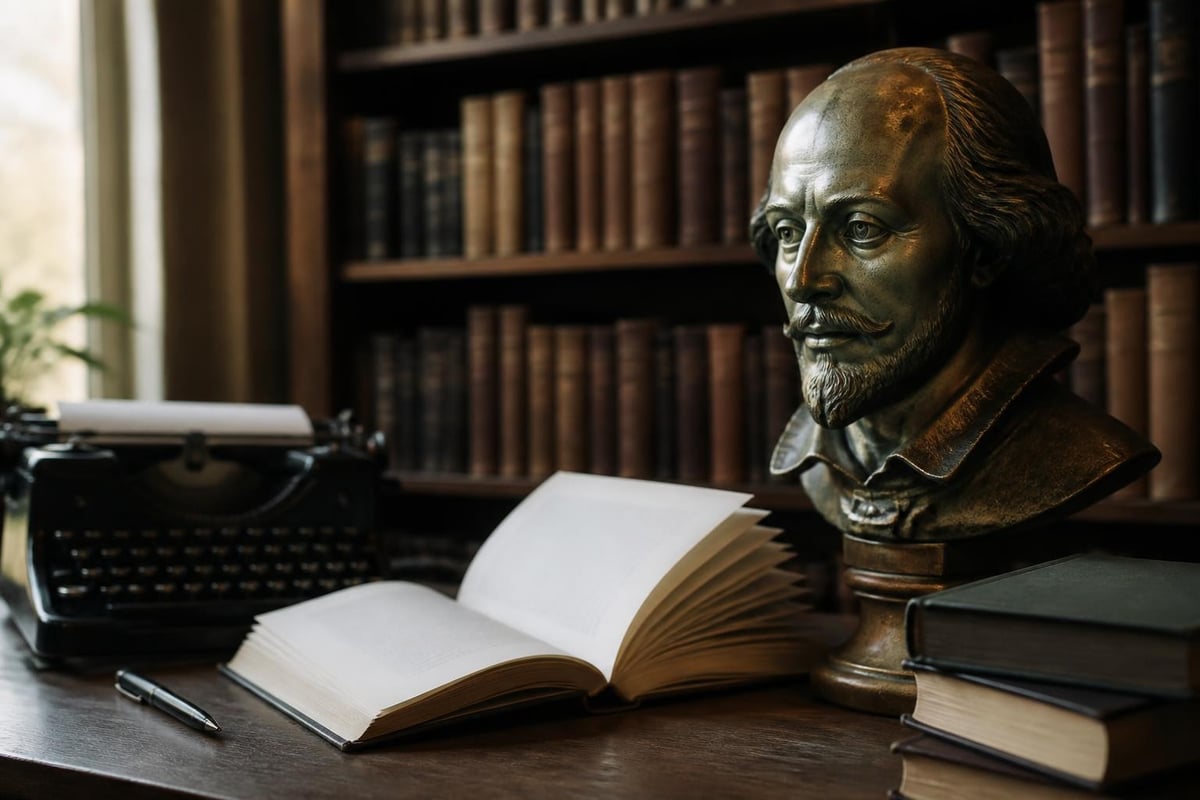
Classic Novels That Define Literary Achievement
Classic literature provides the foundation for understanding narrative evolution and cultural dialogue across generations. These works have earned their status through sustained critical acclaim and continued relevance to contemporary readers. The Guardian’s comprehensive list of the 100 best novels offers perspectives from authors, critics, and academics worldwide on which works have achieved timeless status.
European Literary Masterworks
European literature spans centuries of artistic innovation and philosophical inquiry. From the psychological depth of Dostoyevsky's explorations of morality to the social commentary woven through Dickens' Victorian narratives, these works continue shaping literary conversations.
Russian literature particularly excels at examining the human soul under extreme conditions. War and Peace by Leo Tolstoy combines historical epic with intimate family drama, while Crime and Punishment probes the psychological aftermath of transgression. French literature contributes equally significant works, including Flaubert's Madame Bovary, which revolutionized realistic fiction through meticulous attention to psychological detail.
British classics offer different strengths. Jane Austen's novels balance sharp social observation with romantic plot structures, creating works that feel simultaneously historical and contemporary. The Brontë sisters brought Gothic intensity to domestic settings, while George Eliot's Middlemarch achieved unprecedented scope in exploring an entire community's interconnected lives.
American Literary Traditions
American literature reflects the nation's complex identity formation and ongoing cultural tensions. Penguin Random House highlights classic American works that have inspired generations of readers, offering insights into the American experience through fiction.
The Great Gatsby by F. Scott Fitzgerald captures the Jazz Age's glamour and emptiness, while Herman Melville's Moby-Dick transcends its whaling narrative to become a philosophical meditation on obsession and meaning. Mark Twain's Adventures of Huckleberry Finn pioneered vernacular American prose while addressing foundational issues of race and freedom.
Twentieth-century American literature expanded in multiple directions simultaneously. Modernist experiments by William Faulkner and Virginia Woolf fragmented traditional narrative structures. The Harlem Renaissance introduced essential voices like Zora Neale Hurston and Langston Hughes. Post-war literature grappled with existential questions through works like Invisible Man by Ralph Ellison and Catch-22 by Joseph Heller.
| Era | Representative Works | Key Themes | Stylistic Innovations |
|---|---|---|---|
| 19th Century | Moby-Dick, The Scarlet Letter | Individualism, moral complexity | Symbolic narratives, romantic prose |
| Early 20th | The Great Gatsby, The Sound and the Fury | Disillusionment, modernization | Stream of consciousness, fragmentation |
| Mid 20th | Invisible Man, To Kill a Mockingbird | Identity, social justice | Multiple perspectives, regional dialects |
| Late 20th | Beloved, The Road | Historical trauma, survival | Experimental timelines, sparse prose |
Contemporary Literature Shaping Modern Reading
The best literature being published today builds upon historical traditions while addressing contemporary concerns through fresh perspectives. Current literary fiction tackles globalization, technology's impact on human connection, climate anxiety, and evolving understandings of identity.
Diverse Voices and Global Perspectives
Contemporary publishing has increasingly recognized voices historically marginalized in literary canons. Writers from Africa, Asia, Latin America, and indigenous communities worldwide contribute essential perspectives that expand our collective understanding of human experience.
Chimamanda Ngozi Adichie's novels explore post-colonial Nigeria with nuance and specificity. Haruki Murakami blends surrealism with contemporary Japanese settings, creating dreamlike narratives that examine loneliness and connection. Elena Ferrante's Neapolitan novels demonstrate how intimate friendship stories can illuminate broader social dynamics.
Notable contemporary authors include:
- Ocean Vuong (Vietnamese-American perspective, poetic prose)
- Colson Whitehead (historical reimagining, genre fusion)
- Hanya Yanagihara (emotional intensity, character depth)
- Kazuo Ishiguro (philosophical questions, restrained emotion)
- Arundhati Roy (political engagement, lyrical language)
These writers demonstrate that the best literature continues evolving, incorporating new forms while maintaining commitment to artistic excellence and meaningful exploration of human complexity.

Genre Fiction's Literary Contributions
Dismissing genre fiction as inherently less valuable than literary fiction ignores significant artistic achievements within specific categories. Science fiction, fantasy, mystery, and historical fiction all include works demonstrating exceptional craft and thematic sophistication.
Science Fiction and Speculative Literature
Science fiction at its best extrapolates contemporary concerns into imaginative futures, allowing readers to examine current issues from fresh angles. Ursula K. Le Guin's The Left Hand of Darkness uses alien cultures to question gender assumptions. Margaret Atwood's The Handmaid's Tale employs dystopian speculation to examine reproductive politics and religious extremism.
Octavia Butler brought overlooked perspectives to science fiction through works exploring power, survival, and human adaptation. Her Parable series combines post-apocalyptic settings with philosophical inquiry about community building and social change. These works achieve literary recognition while satisfying genre expectations for imaginative world-building.
Mystery and Crime Fiction
Detective narratives provide structures for examining justice, morality, and social dysfunction. Raymond Chandler elevated pulp fiction through distinctive prose style and complex moral ambiguity. More recent practitioners like Tana French combine procedural precision with psychological depth, while international crime writers like Henning Mankell use murder investigations to explore societal problems.
The best literature in mystery formats recognizes that solving crimes provides entry points for deeper questions about human motivation, systemic failures, and the possibility of justice in imperfect systems.
Building Your Literary Reading List
Approaching the best literature strategically helps readers develop deeper appreciation while discovering personal preferences. Forbes’ compilation of classic novels focuses on works with themes relatable across diverse backgrounds, making it valuable for readers beginning their literary exploration.
Balancing Canon and Personal Taste
No single reading path suits everyone. Some readers thrive on chronological approaches, watching literary styles evolve across centuries. Others prefer thematic organization, comparing how different authors address similar questions. Genre-hopping between classics and contemporary works prevents reading fatigue while maintaining variety.
Effective reading strategies include:
- Mixing time periods: Alternate between classics and modern works
- Varying length: Balance lengthy novels with shorter works
- Exploring translations: Read literature from multiple cultures
- Following recommendations: Use trusted sources and award lists
- Rereading favorites: Revisit impactful books at different life stages
Editor Eric’s ranked list of 99 top works provides a concise selection across genres and periods, offering a manageable framework for readers seeking guidance.
Understanding Critical Consensus
Multiple resources help readers navigate literary landscapes. TopBookReviews utilizes consensus scoring across categories and countries, providing authoritative rankings based on aggregated critical opinion. Award winners from the Pulitzer, Booker, National Book Award, and Nobel Prize in Literature offer vetted starting points.
Critical consensus shouldn't replace personal judgment, but understanding which works receive sustained acclaim helps readers identify books worth the investment of time and attention. The best literature often requires active engagement rather than passive consumption.
| Resource Type | Advantages | Limitations | Best Used For |
|---|---|---|---|
| Critic Lists | Expert curation, historical context | Potential bias, limited diversity | Understanding canon formation |
| Reader Reviews | Authentic responses, accessibility notes | Variable expertise, spoilers | Gauging contemporary reception |
| Award Winners | Vetted quality, current recognition | Genre limitations, political factors | Discovering recent excellence |
| Bestseller Lists | Popular appeal, current trends | Commercial focus, temporary popularity | Understanding mainstream tastes |

Digital Reading and Literary Access
E-books and audiobooks have revolutionized access to the best literature, removing barriers of cost, storage, and availability. Digital formats allow readers to carry entire libraries, adjust text size for comfort, and access titles immediately upon publication or discovery.
Benefits of Digital Literary Collections
Digital reading platforms offer advantages beyond convenience. Built-in dictionaries facilitate vocabulary expansion when encountering unfamiliar terms. Highlighting and note-taking features help readers engage actively with complex texts. Social reading features allow sharing reactions and discussing interpretations with other readers globally.
Audiobooks provide alternative entry points for complex literature. Professional narration enhances character differentiation and emotional impact. For works in translation, audiobooks sometimes capture rhythmic qualities lost in written form. Listeners can experience literature while commuting, exercising, or performing routine tasks.
Digital format advantages include:
- Instant access to millions of titles
- Adjustable formatting for reading comfort
- Built-in reference tools and dictionaries
- Portability of extensive libraries
- Environmental sustainability compared to physical books
Curated Digital Collections
Online platforms specializing in e-books can organize literature thoughtfully, helping readers discover works matching their interests and reading level. Curated collections by theme, period, or critical acclaim guide exploration while maintaining quality standards.
Fiction categories allow readers to find literary novels alongside genre works, recognizing that excellence appears across all types of storytelling. Business books, biographies, and comics each include exemplary titles demonstrating superior craft within their respective formats.
Literary Fiction Versus Popular Fiction
The distinction between literary and popular fiction remains contentious and somewhat artificial. Commercial success and artistic merit frequently overlap, with many widely read books demonstrating exceptional quality. The best literature sometimes achieves both critical acclaim and popular resonance.
Redefining Literary Value
Contemporary discussions increasingly question traditional hierarchies that privilege certain narrative approaches over others. Accessibility doesn't preclude depth, and experimental form doesn't guarantee substance. Evaluating individual works on their own merits rather than categorical assumptions leads to richer reading experiences.
Some genre fiction displays more sophisticated characterization and thematic complexity than self-consciously literary works. Conversely, some experimental fiction prioritizes style over emotional engagement or narrative coherence. Readers benefit from approaching each book individually, asking whether it achieves its apparent goals effectively.
The democratization of publishing through digital platforms introduces more voices and perspectives into literary conversations. Self-published works occasionally achieve excellence matching traditional publishing's output. The best literature emerges from authentic vision and skilled execution rather than particular publishing channels.
Building Reading Communities
Engaging with literature becomes richer through shared discussion and diverse interpretations. Book clubs, online forums, and social reading platforms allow readers to test their understandings against others' perspectives, discovering dimensions they might have missed independently.
Enhancing Literary Appreciation
Structured discussion helps readers articulate their responses while considering alternative viewpoints. Questions about character motivation, thematic significance, and stylistic choices deepen engagement with texts. Hearing how others interpret ambiguous passages or symbolic elements expands appreciation for literary complexity.
Reading communities also provide accountability and motivation for tackling challenging works. Committing to group discussion deadlines helps readers complete lengthy or difficult books they might otherwise abandon. Shared enthusiasm for particular authors or periods creates momentum for continued exploration.
Community reading benefits include:
- Multiple interpretations enriching understanding
- Accountability for completing challenging books
- Discovery of overlooked works through recommendations
- Historical and cultural context from knowledgeable members
- Sustained engagement with literature over time
Approaching Difficult or Complex Literature
The best literature sometimes demands patience and active effort from readers. Modernist experiments, dense philosophical novels, or works from unfamiliar cultural contexts require different reading strategies than immediately accessible narratives. Developing skills for engaging challenging texts expands the range of meaningful reading experiences.
Strategies for Complex Works
Breaking lengthy novels into manageable sections prevents overwhelm while maintaining momentum. Taking notes on character relationships, timeline shifts, or recurring symbols helps track complex narratives. Consulting secondary sources provides historical context or critical perspectives illuminating difficult passages.
Rereading challenging works often reveals dimensions invisible on first encounter. Initial readings establish basic plot comprehension, while subsequent readings allow attention to stylistic nuances, symbolic patterns, and thematic depth. Many classics reward multiple rereadings across different life stages.
Accepting that some confusion or uncertainty enhances rather than diminishes literary experience allows readers to embrace ambiguity. The best literature often resists simple interpretation, instead offering multiple valid readings that coexist productively.
| Challenge Type | Reading Strategy | Supporting Resources | Expected Timeline |
|---|---|---|---|
| Dense prose | Read aloud, slow pace | Study guides, annotations | Extended periods with breaks |
| Nonlinear narrative | Character/timeline charts | Reader forums, diagrams | Second reading recommended |
| Cultural unfamiliarity | Research context first | Historical background, cultural guides | Supplementary reading alongside |
| Philosophical complexity | Note key passages | Critical essays, author interviews | Multiple readings over time |
Discovering and engaging with the best literature enriches life through exposure to diverse perspectives, complex ideas, and artful storytelling that resonates across time. Whether you're drawn to established classics or contemporary innovations, building a thoughtful reading practice opens pathways to deeper understanding of human experience. Tell eBook offers extensive digital collections across fiction, business, comics, and biographies, providing convenient access to acclaimed works and hidden gems alike, helping you build the literary library that matches your evolving interests and curiosity.
Explore literary science fiction at its finest with Dune Messiah by Frank Herbert, God Emperor of Dune by Frank Herbert, and Heretics of Dune by Frank Herbert — all available for instant download. Browse more titles in the Tell eBook shop to discover thousands of ebooks and audiobooks.