

The digital reading revolution has transformed how we access and consume literature, but it has also created complex questions about sharing digital content. While passing a physical book to a friend feels natural, the concept of ebook share requires understanding digital rights, licensing agreements, and legitimate distribution channels. For readers, authors, and platforms alike, navigating this landscape demands awareness of both technological capabilities and legal boundaries that govern digital content in 2026.
Understanding Digital Rights Management and Sharing Restrictions
Digital Rights Management (DRM) serves as the primary mechanism controlling how ebook share practices operate across different platforms. Unlike physical books that can be freely lent or resold, ebooks typically come with technological protections that limit unauthorized distribution.
Most major ebook retailers implement DRM to protect copyright holders' interests. Amazon Kindle, Apple Books, and other platforms embed these restrictions directly into the file format, preventing simple copying or unlimited sharing. This technology creates a fundamental difference between owning a physical book and licensing a digital one.
The legal framework surrounding these protections is substantial. The legal implications of sharing purchased ebooks highlight how DRM circumvention can lead to serious consequences, even when done with good intentions. Publishers and authors rely on these safeguards to maintain revenue streams and protect intellectual property.
Legitimate Ebook Share Methods
Despite restrictions, several authorized methods exist for sharing digital reading material:
- Family Library Sharing: Amazon's Family Library allows up to two adults to share ebook purchases
- Lending Features: Kindle Owners' Lending Library permits one-time, limited-duration loans
- Public Library Systems: OverDrive, Libby, and other platforms facilitate institutional lending
- Gift Options: Most platforms allow purchasing ebooks as gifts for specific recipients
- Publisher Permissions: Some independent publishers enable DRM-free distribution
These official channels respect copyright while enabling the community aspects readers value.

Platform-Specific Sharing Capabilities
Different ebook ecosystems offer varying levels of flexibility for sharing digital content. Understanding these platform-specific features helps readers maximize legitimate sharing opportunities while staying within legal boundaries.
| Platform | Family Sharing | Lending Period | Number of Devices | DRM Protection |
|---|---|---|---|---|
| Amazon Kindle | 2 adults + 4 children | 14 days (one-time) | 6 devices | Yes |
| Apple Books | Up to 6 family members | Not available | 5 devices | Yes |
| Google Play Books | Up to 5 family members | Not available | Unlimited | Varies |
| Kobo | Not available | Not available | 6 devices | Yes |
Amazon's ecosystem provides the most developed family sharing infrastructure, allowing household members to access each other's libraries without repurchasing titles. However, this requires linking accounts through Amazon Household, which shares payment methods and other account features.
Apple's approach through Family Sharing enables broader family access but lacks the lending feature that Amazon offers. This means family members can read shared purchases simultaneously, which some users prefer for book club situations or educational purposes.
Regional Variations and International Sharing
Ebook share capabilities often differ by geographic region due to publishing rights and distribution agreements. A title available for family sharing in the United States might carry different restrictions in Europe or Asia. These variations stem from complex international copyright laws and regional licensing agreements.
Publishers negotiate territorial rights separately, creating a patchwork of availability and sharing features. Readers traveling internationally may discover that their home library becomes temporarily inaccessible, or that sharing features function differently abroad.
Library Systems and Institutional Ebook Share
Public and academic libraries represent one of the most significant legitimate ebook share channels available to readers. These institutions negotiate licensing agreements directly with publishers, creating legal frameworks for broader digital lending.
OverDrive and Libby dominate the public library ebook lending space, serving thousands of libraries across North America and beyond. These platforms handle the complex licensing arrangements that allow libraries to lend digital titles while respecting copyright protections.
The institutional model differs fundamentally from consumer purchases:
- Libraries license rather than own ebooks, paying for specific circulation periods
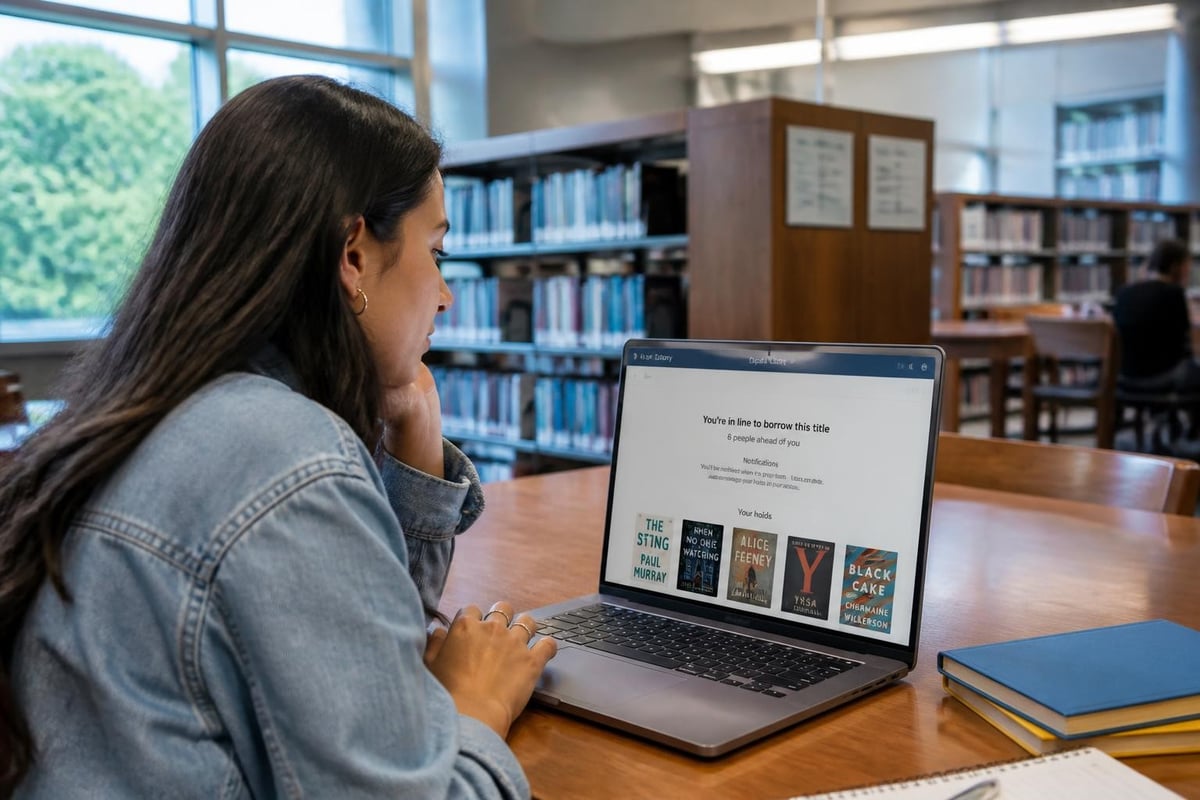
- Wait lists emerge when demand exceeds available licenses for popular titles
- Automatic returns prevent late fees but also interrupt reading sessions
- Platform compatibility varies, requiring specific apps or devices
Academic libraries face additional challenges when implementing ebook share systems for students and faculty. Research institutions must balance access needs with budget constraints while navigating publisher restrictions on simultaneous users.
The Economics of Library Ebook Licensing
Publishers often charge libraries significantly more for ebook licenses than consumer prices, creating sustainability concerns. Some titles cost libraries three to five times the retail price, with licenses expiring after a set number of loans or time period.
Constitutional challenges to state library ebook licensing regulations illustrate ongoing tensions between public access and publisher revenue models. These legal debates will shape how institutional ebook share evolves through 2026 and beyond.
Author and Publisher Perspectives on Sharing
Understanding why restrictions exist requires examining the economics of publishing and author compensation. Every ebook share instance that circumvents payment systems potentially reduces revenue for creators and publishers who depend on sales for sustainability.
Independent authors face particular challenges. Without the marketing budgets of major publishers, many rely on word-of-mouth recommendations and legitimate sharing features to build readership. However, unauthorized distribution can devastate their limited income streams.
Traditional publishers balance several competing interests:
- Protecting intellectual property and revenue streams
- Enabling discovery through limited sharing and sampling
- Competing with piracy by offering convenient legal alternatives
- Maintaining relationships with retail partners and libraries
Some publishers experiment with more permissive approaches. DRM-free ebooks from publishers like Tor Books trust readers to share responsibly, betting that convenience and reader goodwill outweigh potential losses from unauthorized distribution.
Alternative Distribution Models
Progressive publishers and authors explore creative approaches to controlled ebook share that balance access with compensation. These models acknowledge that sharing drives discovery while establishing boundaries that protect creator interests.
The best ebook sharing platforms in 2026 showcase diverse approaches to distribution, from subscription services to creative commons licensing. Authors can choose platforms aligning with their philosophy about access and compensation.
Subscription services like Kindle Unlimited create middle ground where unlimited reading within the platform generates per-page-read compensation for authors. This model enables extensive ebook share functionality while maintaining revenue streams.
Safe and Legal Sharing Practices for Readers
Readers who want to share favorite discoveries with friends and family can do so legally by following platform guidelines and respecting copyright protections. These practices ensure that sharing enhances rather than harms the literary ecosystem.
Recommended approaches include:
- Use official family sharing features when available
- Utilize platform lending options for one-on-one recommendations
- Direct friends to library systems for free access
- Purchase gift copies for meaningful recommendations
- Share links to retailer pages rather than files
- Recommend titles through social media and reviews
Avoiding unauthorized sharing protects readers from potential legal consequences while supporting authors and publishers who create the content we value. The legality of converting DRM-protected books clarifies that even personal format shifting typically violates terms of service.
Building Reading Communities Legally
Book clubs and reading groups can structure their ebook share practices around legitimate channels. Many libraries offer book club kits with multiple simultaneous-use licenses for popular titles, enabling group discussions without requiring individual purchases.

Platforms like Tell eBook often feature curated collections and recommendations that help readers discover new titles across diverse categories without resorting to unauthorized sharing. Professional curation serves the same discovery function as peer recommendations while respecting copyright.
Technical Considerations for Ebook Management
Managing a digital library across multiple devices and platforms requires understanding synchronization, backup, and compatibility issues that affect legitimate ebook share capabilities. Readers invest considerable time building collections that they want to access flexibly while maintaining legal compliance.
Cloud synchronization enables reading progress to transfer seamlessly between devices, creating the perception of ownership similar to physical books. However, this convenience depends on maintaining active accounts with platforms and accepting their terms of service.
| Management Task | Best Practice | Common Pitfall |
|---|---|---|
| Backup | Use platform cloud storage | Converting to unprotected formats |
| Multi-device access | Official platform apps | Unauthorized file transfers |
| Format compatibility | Stay within ecosystem | DRM removal attempts |
| Account security | Strong unique passwords | Account sharing outside family |
Platform lock-in represents a significant consideration for long-term digital library building. Ebooks purchased through Amazon remain tied to Kindle ecosystem, while Apple Books purchases require Apple devices or applications. This fragmentation complicates legitimate ebook share across different platform users.
Readers switching platforms face migration challenges since DRM prevents simple file transfers. This reality emphasizes the importance of choosing platforms carefully and understanding the long-term implications of where digital purchases reside.
Educational and Research Applications
Academic and educational contexts create unique ebook share requirements where institutional needs often conflict with standard consumer licensing. Students, researchers, and educators require flexible access to scholarly materials while institutions manage budget constraints and compliance obligations.
Course reserve systems in academic libraries enable professors to make specific chapters or excerpts available to enrolled students through controlled access systems. These arrangements require careful negotiation with publishers and adherence to fair use guidelines.
Research collaboration across institutions presents particular challenges. While physical books can travel through interlibrary loan, ebook share between academic libraries remains restricted by licensing agreements that typically limit access to institutional affiliates.
The latest news about ebook industry developments often covers changes in educational licensing that affect how institutions can share digital resources with students and faculty.
Accessibility and Ebook Sharing
Digital formats offer significant advantages for readers with disabilities, including adjustable text size, screen reader compatibility, and alternative navigation options. These accessibility features make ebook share particularly important for disabled readers who may face additional challenges accessing physical materials.
However, DRM sometimes interferes with assistive technology, creating situations where legal access doesn't guarantee functional access. Advocacy organizations work with publishers and platforms to ensure that copyright protection doesn't inadvertently exclude disabled readers from ebook share benefits.
International Perspectives on Digital Lending
Global approaches to ebook share vary significantly based on copyright traditions, cultural attitudes toward intellectual property, and economic development levels. These international differences shape both legal frameworks and practical sharing behaviors.
European Union regulations provide stronger consumer rights in some respects than United States law, though recent court decisions have limited certain resale and lending rights for digital goods. The principle of "digital exhaustion" remains contested, with publishers arguing that digital goods differ fundamentally from physical products.
Emerging markets face distinct challenges where ebook prices may represent significant portions of average incomes. This economic reality drives both piracy and innovative approaches to legitimate ebook share that balance access needs with creator compensation.
Regional considerations include:
- Currency conversion and pricing disparities
- Internet infrastructure and connectivity limitations
- Local language availability and translation rights
- Cultural attitudes toward copyright and sharing
- Regulatory approaches to digital content
Some countries experiment with national licensing schemes where governments negotiate bulk access agreements with publishers, enabling broader ebook share through public libraries while compensating rights holders through public funds.
Building Sustainable Sharing Ecosystems
The future of ebook share depends on developing models that serve reader needs while maintaining viable creator compensation. Stakeholders across the industry recognize that overly restrictive approaches drive piracy, while unlimited free access undermines publishing economics.
Successful platforms balance several key elements:
- Reasonable pricing that acknowledges economic realities across markets
- Flexible sharing features within defined household or family groups
- Library partnerships that extend access beyond individual purchases
- Discovery mechanisms that help readers find relevant content
- Creator compensation tied to actual consumption patterns
Subscription models demonstrate one approach to this balance, offering extensive catalogs for monthly fees while tracking consumption to distribute payments. These platforms enable guilt-free exploration and sharing within their ecosystems while generating sustainable revenue.
Navigating ebook share in 2026 requires balancing your desire to share great reading experiences with respect for the creators and systems that make digital literature possible. By understanding legitimate sharing channels and the reasons behind restrictions, you can participate in reading communities while supporting sustainable publishing. Whether you're building a personal collection, participating in book clubs, or discovering new authors, Tell eBook offers extensive selections across fiction, business, comics, and biographies with features designed to enhance your digital reading experience legally and conveniently.