

The audiobook industry has experienced remarkable transformation over the past few years, with U.S. audiobook sales reaching $2.43 billion in 2025, representing a 9% increase from the previous year. This explosive growth reflects changing consumer preferences and the increasing quality of audio productions. Understanding what makes good audiobooks exceptional helps readers maximize their listening experience while discovering content that truly resonates with their interests and lifestyle.
Understanding What Defines Good Audiobooks
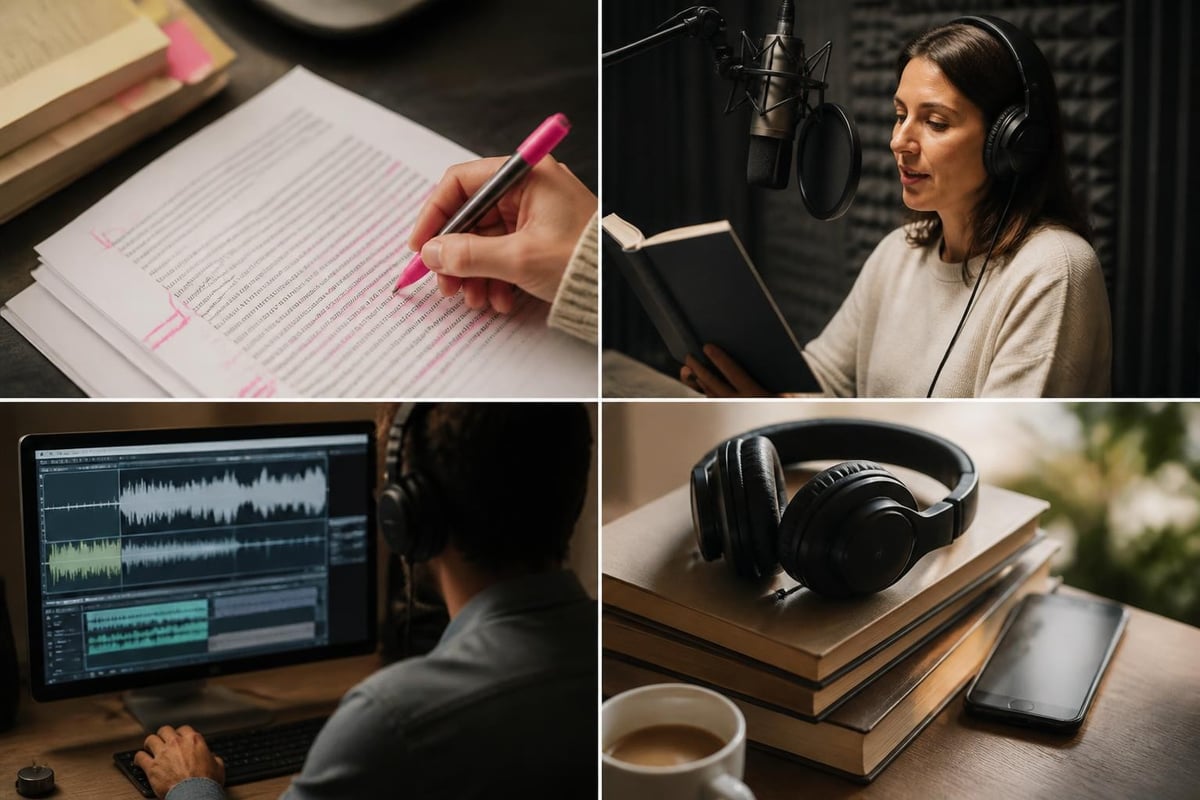
Quality audiobooks combine several essential elements that elevate them above ordinary recordings. The narrator's performance stands as the most critical factor, transforming written words into an engaging auditory experience. A skilled narrator doesn't simply read text; they embody characters, convey emotions, and maintain listener engagement throughout the entire production.
Production quality matters significantly in the audiobook experience. Professional recordings feature clear audio without background noise, consistent volume levels, and proper pacing that allows listeners to absorb information naturally. Technical excellence ensures that the content remains the focus rather than being distracted by poor sound quality or editing issues.
Narration Excellence and Performance Quality
The difference between average and good audiobooks often lies in narrator selection and performance. Professional narrators bring extensive training in voice modulation, character differentiation, and emotional delivery. They understand how to maintain energy levels during lengthy recordings while preserving authenticity.
Consider these critical aspects of narration quality:
- Voice clarity and diction that ensures every word remains understandable
- Character distinction through unique voices and speech patterns
- Emotional range that captures the author's intended tone
- Pacing control that matches the content's natural rhythm
- Consistent quality maintained throughout the entire recording
Julia Whelan, a prolific audiobook narrator, exemplifies the dedication required for exceptional narration. Her work demonstrates how professional narrators navigate the evolving dynamics of the industry while delivering performances that enhance rather than merely reproduce the written text.
Top Genres for Good Audiobooks in 2026
Different genres translate to audio format with varying degrees of success. Some content types naturally lend themselves to listening experiences, while others require specific narrative approaches to maintain engagement. Understanding genre strengths helps listeners select audiobooks that deliver maximum enjoyment.
Fiction and Literary Works
Fiction consistently ranks among the most popular audiobook categories. Character-driven narratives particularly shine in audio format, where skilled narrators bring personalities to life through voice acting. Mystery and thriller genres benefit from the suspenseful pacing that audio delivery provides, keeping listeners engaged during commutes or workout sessions.
According to Spotify’s 2025 Wrapped audiobook trends, romantasy has emerged as a dominant genre, combining romance and fantasy elements that captivate modern listeners. Modern classics also continue gaining traction, introducing new audiences to timeless literature through accessible audio formats.
| Genre | Audio Advantages | Best For |
|---|---|---|
| Mystery/Thriller | Suspenseful pacing, dramatic narration | Commuters, gym sessions |
| Romance | Emotional connection, intimate delivery | Relaxation, evening listening |
| Fantasy | World-building through voice, character variety | Long listening sessions |
| Literary Fiction | Nuanced performance, artistic interpretation | Focused listening time |
Non-Fiction and Educational Content
Business books and self-improvement titles represent significant segments of the audiobook market. These works often feature author narration, adding authenticity and personal insight to the content. Biographies and memoirs particularly benefit from first-person narration, creating intimate connections between subjects and listeners.
Educational audiobooks require different production approaches:
- Clear section markers that help listeners navigate content
- Slower pacing for complex concepts and technical information
- Repeated key points to reinforce learning objectives
- Supplemental materials provided in digital companion formats
- Chapter summaries that aid retention and review
Business professionals increasingly turn to audiobooks for professional development, maximizing productivity during travel time or daily routines. The flexibility of audio learning allows continuous education without requiring dedicated reading time.
Features That Distinguish Good Audiobooks
Modern audiobook platforms have introduced innovative features that enhance the listening experience beyond simple playback. These technological advances contribute to what makes contemporary audiobooks superior to earlier productions. Understanding available features helps listeners optimize their audio reading experience.
Advanced Playback and Accessibility Options
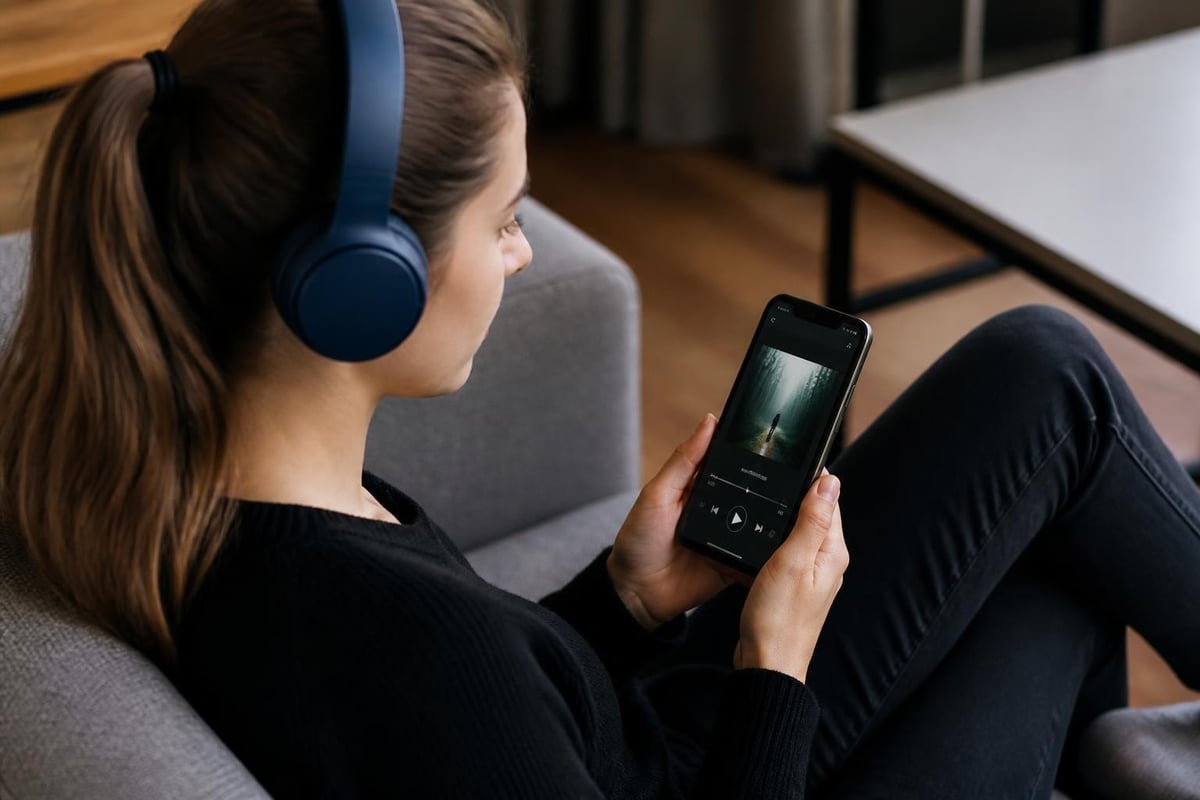
Speed control allows listeners to adjust narration pace according to their preferences and comprehension needs. Some listeners prefer faster playback for familiar content types, while complex material benefits from slower speeds. Bookmark and note-taking features enable listeners to mark important passages for later review, bridging the gap between traditional reading and audio consumption.
Audible’s Read and Listen feature synchronizes text and audio, offering an immersive multimodal experience. This innovation particularly benefits language learners and readers who prefer combining visual and auditory input. However, accessibility comes with platform-specific limitations that consumers should consider.
Sleep timers and chapter navigation provide practical functionality for different listening scenarios. These features acknowledge that audiobook consumption differs fundamentally from traditional reading, requiring specialized controls that match varied use cases.
Selection Criteria for Quality Audio Content
Choosing good audiobooks requires evaluating multiple factors beyond simple plot interest or subject matter. Informed selection processes increase satisfaction rates and reduce abandoned listens. Developing personal criteria helps build a curated library that consistently delivers value.
Evaluating Narrator Compatibility
Not every narrator suits every listener's preferences. Voice characteristics, accent neutrality, and performance style significantly impact enjoyment levels. Sample listening before purchase prevents mismatches between narrator style and listener expectations. Most platforms offer preview clips that showcase narrator performance.
Consider these narrator evaluation points:
- Does the voice match your expectations for the content?
- Can you distinguish between different characters easily?
- Does the pacing feel natural or forced?
- Are emotional moments conveyed authentically?
- Can you listen for extended periods without fatigue?
Reader reviews often provide insights into narrator performance beyond publisher descriptions. Community feedback identifies potential issues with pacing, pronunciation, or character interpretation that might affect individual listening experiences.
Length and Time Commitment Considerations
Audiobook length directly impacts completion rates and satisfaction. While extensive epic fantasies might span 40+ hours, busy professionals often prefer concise business titles under 8 hours. Matching content length to available listening time prevents abandoned books and maximizes value.
| Duration | Best Content Types | Ideal Listeners |
|---|---|---|
| Under 5 hours | Business summaries, short fiction | Busy professionals, new listeners |
| 5-12 hours | Standard novels, biographies | Regular commuters, moderate listeners |
| 12-20 hours | Complex fiction, detailed non-fiction | Dedicated listeners, long commutes |
| 20+ hours | Epic series, comprehensive guides | Enthusiasts, long-distance travelers |
Platform Selection and Subscription Models
The rapid growth of the audiobook industry has produced numerous platforms offering different pricing structures and content libraries. Choosing the right platform affects both cost efficiency and content accessibility. Understanding subscription models helps maximize value while supporting sustainable reading habits.
Comparing Access Models
Traditional ownership models allow permanent library building, while subscription services provide extensive catalogs for monthly fees. Audible’s introduction of a more affordable tier at $9 monthly targets casual listeners, expanding market accessibility. This pricing strategy acknowledges different consumption patterns and budget considerations.
Spotify reported a 35% increase in audiobook listening hours, demonstrating how bundled services attract diverse audiences. Integration with music and podcast platforms creates convenience for users already engaged with these ecosystems.
Premium platforms offer advantages including:
- Exclusive content and early releases
- Superior audio quality and production standards
- Advanced features like offline downloads
- Cross-device synchronization and cloud storage
- Curated recommendations based on listening history
Budget-conscious consumers might explore library partnerships, promotional offers, or rotating subscriptions to access good audiobooks while managing expenses effectively.
Building Your Personal Audiobook Strategy
Successful audiobook integration requires intentional planning and habit formation. Identifying optimal listening contexts maximizes both enjoyment and comprehension. Different content types suit different activities, and matching books to situations enhances overall satisfaction.
Matching Content to Activities
Engaging fiction works well during exercise or commutes when partial attention suffices. Complex non-fiction requires focused listening during activities with minimal cognitive demands. Multitasking effectiveness varies by individual, with some listeners able to absorb technical content while others require undivided attention.
Create listening routines that align with your schedule:
- Morning commutes: Motivational business content or engaging fiction
- Workout sessions: Fast-paced thrillers or energetic narratives
- Household tasks: Familiar genres or re-reads requiring less concentration
- Pre-sleep routines: Calming fiction or meditation-focused content
- Long trips: Epic series or comprehensive biographies
The Audio Publishers Association’s 2026 report confirms continued growth in audiobook adoption, suggesting that strategic listening habits contribute to sustained engagement. Developing personalized approaches ensures long-term satisfaction with audio reading.

Quality Indicators Across Different Categories
Different audiobook categories require specialized evaluation approaches. Fiction demands different quality markers than business content, and understanding these distinctions improves selection accuracy. Genre-specific criteria help identify truly exceptional productions within each category.
Fiction Quality Markers
Good audiobooks in fiction categories demonstrate narrative immersion through voice acting excellence. Multi-narrator productions enhance complex stories with multiple viewpoints, providing distinct voices for different character perspectives. Full-cast recordings elevate dramatic works, creating theater-like experiences.
Technical elements supporting fiction quality include:
- Appropriate soundtrack and sound effects enhancing atmosphere
- Smooth transitions between scenes and chapters
- Consistent character voices throughout lengthy series
- Emotional authenticity in dramatic moments
- Pacing that maintains tension and engagement
Non-Fiction Excellence Standards
Educational and business audiobooks require clarity above theatrical performance. Author narration often provides authenticity, though professional readers might deliver superior technical quality. The balance between expertise and presentation skill determines overall effectiveness.
Non-fiction quality depends on:
- Structured organization facilitating comprehension
- Clear articulation of complex concepts
- Logical flow between topics and chapters
- Practical examples and real-world applications
- Supplemental resources supporting deeper learning
Maximizing Value From Your Audiobook Investment
Smart consumption strategies extend audiobook value beyond initial listening. Good audiobooks offer re-listening potential, reference utility, and knowledge application opportunities. Treating audiobooks as investments rather than disposable entertainment increases returns on both time and money.
Active Listening Techniques
Passive listening provides entertainment, but active engagement deepens comprehension and retention. Taking notes, either mentally or physically, during key passages reinforces learning. Pause and reflect practices allow processing complex ideas before continuing.
Implement these active listening strategies:
- Set specific learning objectives before starting
- Summarize chapters mentally after completion
- Discuss content with others to reinforce understanding
- Apply concepts from business audiobooks immediately
- Revisit challenging sections using bookmark features
Finding good audiobooks that merit repeated listening builds valuable personal libraries. Classic literature, foundational business texts, and masterfully narrated fiction offer new insights with each experience.
Building a Balanced Audio Library
Curating diverse collections prevents genre fatigue while supporting varied learning and entertainment needs. Rotation strategies between fiction and non-fiction maintain engagement across different contexts. Browse selections at Tell eBook’s shop to discover titles spanning multiple categories and formats.
Balance your collection across:
| Category | Percentage | Purpose |
|---|---|---|
| Professional Development | 30% | Career growth, skill building |
| Fiction Entertainment | 40% | Relaxation, enjoyment |
| Personal Growth | 20% | Self-improvement, wellness |
| Exploration/Variety | 10% | New genres, experimental listening |
Future Trends Shaping Good Audiobooks
Technological advancement and changing consumer preferences continue reshaping the audiobook landscape. Understanding emerging trends helps listeners anticipate improvements and adapt consumption habits. The industry's evolution promises enhanced experiences and expanded accessibility.
AI and Production Innovation
Artificial intelligence influences audiobook production through editing efficiency, quality control, and even synthetic narration for certain content types. While human narrators remain irreplaceable for premium fiction, AI assists with technical books, language learning, and specialized content. Hybrid approaches combining human artistry with technological efficiency may define future production standards.
Enhanced personalization through machine learning algorithms improves content discovery. Platforms increasingly recommend titles based on listening patterns, completion rates, and contextual preferences. These systems help listeners discover good audiobooks aligned with their tastes more efficiently than manual browsing.
Expanding Access and Inclusivity
Global market expansion brings diverse voices and perspectives to audiobook catalogs. International authors, translated works, and multicultural narratives enrich available content. Accessibility features including adjustable speeds, text synchronization, and descriptive audio serve listeners with different needs and preferences.
Platform competition drives innovation in pricing, features, and content exclusivity. This dynamic environment benefits consumers through improved services and broader selection. Staying informed about industry developments helps maximize value from audiobook investments.
Selecting and enjoying good audiobooks involves understanding narration quality, matching content to personal preferences, and developing strategic listening habits that fit your lifestyle. The audiobook market's continued growth reflects increasing consumer recognition of audio reading's unique benefits and accessibility. Whether you're seeking professional development, entertainment, or personal growth, the right audiobooks enhance daily routines while delivering valuable content. Explore Tell eBook to discover a curated selection of audiobooks and e-books across multiple genres, helping you build a diverse digital library that supports your reading goals and preferences.