

The digital revolution has fundamentally transformed how we consume literature, making reading e book formats an increasingly popular choice for millions worldwide. Whether you're commuting to work, relaxing at home, or traveling across continents, digital books offer unprecedented convenience and accessibility. This comprehensive guide explores the nuances of digital reading, from choosing the right devices to optimizing your reading experience for maximum enjoyment and retention.
Understanding the Digital Reading Landscape
Reading e book content has evolved significantly since the early days of digital publishing. Modern readers now have access to millions of titles across genres, with platforms like Tell eBook offering extensive catalogs spanning fiction, business, comics, and biographies. The convenience factor cannot be overstated-carrying an entire library in your pocket was unimaginable just two decades ago.
Digital reading platforms have addressed many early criticisms through technological improvements. Screen technology has advanced from basic LCD displays to eye-friendly e-ink screens that mimic the appearance of printed paper. These developments have made reading e book formats more comfortable for extended sessions, reducing eye strain that plagued early adopters.

The Health and Cognitive Benefits
Research consistently demonstrates that reading provides numerous cognitive and emotional benefits, regardless of format. Regular reading strengthens neural pathways, improves vocabulary, and enhances analytical thinking skills. These advantages apply equally whether you're reading e book versions or physical copies.
Key cognitive benefits include:
- Enhanced memory retention through regular mental exercise
- Improved focus and concentration abilities
- Expanded vocabulary and language skills
- Stronger analytical and critical thinking capabilities
- Increased empathy through exposure to diverse perspectives
However, understanding the pros and cons of ebooks helps readers make informed decisions about their reading habits. While digital formats offer convenience, some readers experience challenges with screen-based reading that don't occur with traditional books.
Optimizing Your Digital Reading Experience
The quality of your reading e book experience depends heavily on device selection and configuration. E-readers with e-ink technology provide the closest approximation to printed pages, minimizing eye strain during extended reading sessions. These dedicated devices typically offer weeks of battery life and excellent outdoor readability.
Device Selection Considerations
| Device Type | Best For | Battery Life | Price Range |
|---|---|---|---|
| E-ink Readers | Extended reading, outdoor use | 2-6 weeks | $100-$300 |
| Tablets | Multimedia content, color graphics | 8-12 hours | $150-$1000 |
| Smartphones | Quick reading, portability | 1-2 days | $200-$1200 |
| Computers | Research, reference materials | Plugged in | $400-$2000 |
Tablets and smartphones offer versatility but require careful screen brightness and color temperature adjustments. Blue light filters become essential for evening reading sessions to prevent sleep disruption. Many modern devices include night mode features that automatically adjust screen properties based on time of day.
Screen Configuration Best Practices
- Adjust brightness to match ambient lighting rather than using maximum settings
- Enable blue light filters during evening hours to protect sleep quality
- Increase font size to reduce eye strain and improve reading speed
- Select serif fonts for easier character distinction during prolonged reading
- Configure line spacing to prevent text from appearing cramped
- Reduce screen contrast slightly to minimize eye fatigue
Reading e book content effectively requires understanding how screen properties affect comprehension. Studies examining why ebooks are harder to read than print identify screen resolution, display size, and paragraph structure as critical factors influencing reading comfort and comprehension rates.
Navigation and Organization Strategies
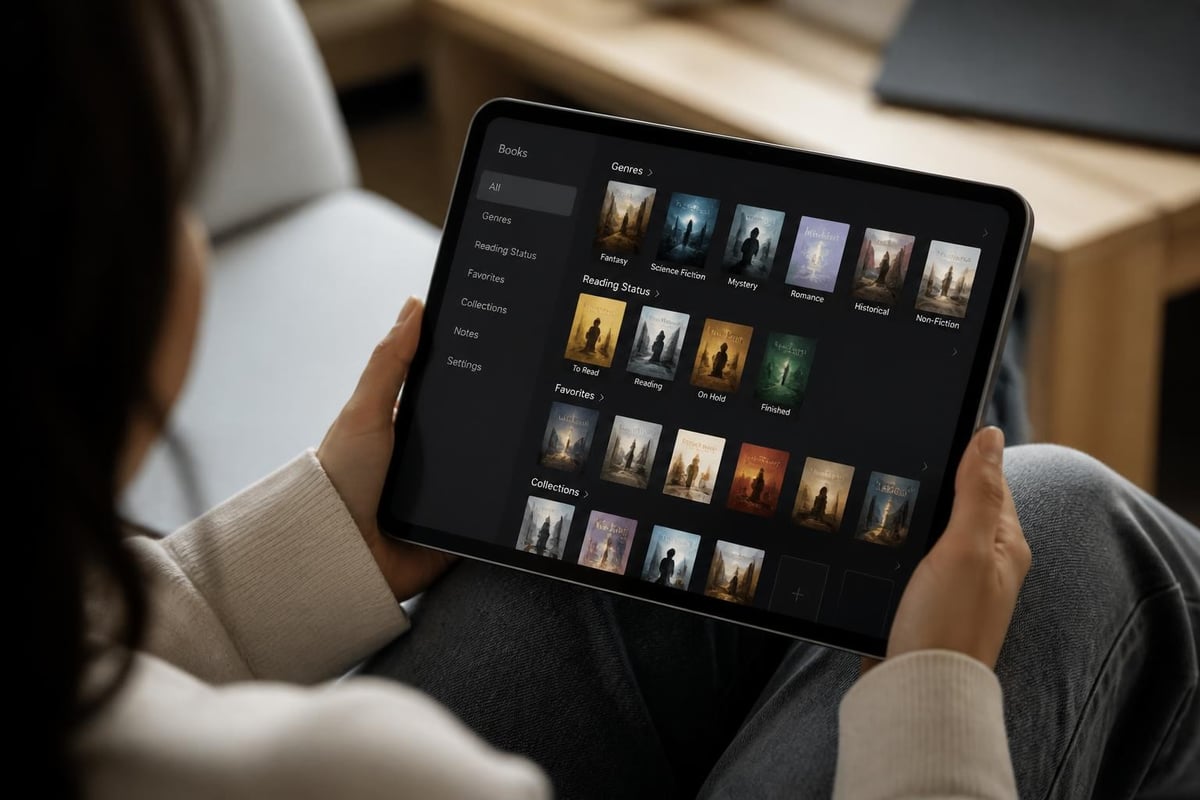
Modern e-book platforms provide sophisticated organizational tools that surpass physical book capabilities. Cloud synchronization ensures your reading progress, highlights, and notes remain accessible across all devices. This seamless integration means you can start reading e book chapters on your tablet during breakfast and continue on your smartphone during lunch breaks.
Advanced organizational features:
- Custom collections and shelves for categorizing titles
- Searchable highlights and annotations
- Dictionary and translation tools for vocabulary building
- Adjustable reading statistics and progress tracking
- Social sharing and recommendation systems
Annotation and Note-Taking
Digital annotation capabilities transform reading e book materials into interactive learning experiences. Unlike physical books where highlighting requires permanent marks, digital platforms allow unlimited experimentation with different highlighting colors, bookmark placements, and marginal notes.
Research institutions exploring dialogue-based reading comprehension demonstrate how digital formats can enhance understanding through interactive elements. Readers can export annotations for later review, creating personalized study guides directly from highlighted passages.
Addressing Common Digital Reading Challenges
Despite technological advances, some readers struggle with sustained digital reading. Research on student preferences reveals that eye strain, navigation difficulties, and screen distractions remain significant concerns. Understanding these challenges helps readers implement effective countermeasures.
Managing Eye Strain and Fatigue
The 20-20-20 rule provides essential relief during extended reading sessions: every 20 minutes, look at something 20 feet away for 20 seconds. This simple practice reduces eye muscle fatigue and prevents the development of digital eye strain symptoms.
Additional eye care strategies include:
- Maintaining proper reading distance (16-18 inches from screen)
- Positioning screens slightly below eye level
- Ensuring adequate ambient lighting
- Taking regular breaks every 45-60 minutes
- Using artificial tears if experiencing dryness
Concerns about e-reader harm highlight legitimate health considerations, particularly regarding sleep disruption from evening screen exposure. However, e-ink devices with minimal backlighting largely eliminate these concerns compared to LCD and OLED displays.
Platform Flexibility and Format Compatibility
Reading e book content no longer requires device-specific commitments. Recent developments, such as Amazon’s DRM-free options for Kindle ebooks, provide greater flexibility in device selection, though some restrictions still apply.
| Format | Compatibility | DRM Options | Best Use Case |
|---|---|---|---|
| EPUB | Universal | Flexible | General reading |
| MOBI/AZW | Kindle ecosystem | Restrictive | Amazon purchases |
| Universal | Variable | Academic/reference | |
| DJVU | Limited | Rare | Technical documents |
Understanding format compatibility ensures you can access your library regardless of device changes. Many platforms now support multiple formats, converting files automatically to optimize display on specific devices.
Building a Sustainable Digital Library
When building your digital collection, consider platform longevity and format portability. Purchasing reading e book titles from established platforms with export capabilities protects your investment against technological obsolescence. Look for retailers that provide multiple download formats and don't impose excessive DRM restrictions.

Reading Habits and Comprehension Retention
Developing effective digital reading habits requires intentional practice. Many readers find that reading e book formats differently impacts their comprehension and retention compared to physical books. However, research demonstrates that format matters less than reading environment and attention management.
Creating an Optimal Reading Environment
Environmental factors for successful digital reading:
- Minimize notifications and distractions before beginning
- Establish dedicated reading times free from interruptions
- Create comfortable seating with proper lighting
- Set realistic session goals to maintain motivation
- Use built-in dictionaries to enhance vocabulary learning
While comparing physical books versus ebooks reveals distinct advantages for each format, successful readers focus on consistency rather than medium. The best reading format is whichever encourages regular engagement with literature.
Advanced Features and Future Developments
Modern platforms continuously introduce features that enhance reading e book experiences beyond what physical books can offer. Audiobook integration allows seamless switching between reading and listening, perfect for maintaining story momentum during activities that prevent visual reading.
Interactive and Multimedia Elements
Digital formats excel at incorporating supplementary materials directly within texts. Enhanced e-books include video demonstrations, interactive diagrams, and hyperlinked references that deepen understanding without breaking reading flow. Educational and technical titles particularly benefit from these capabilities.
Emerging digital reading technologies:
- Adaptive fonts that adjust based on reading speed
- AI-powered comprehension assessments
- Virtual reality reading environments
- Collaborative annotation and discussion features
- Personalized reading recommendations using machine learning
Research into computational readability assessment informs how platforms can automatically adjust text presentation to match individual reading levels and preferences, making reading e book content more accessible across diverse audiences.
Genre-Specific Reading Strategies
Different genres benefit from specific digital reading approaches. Technical books and reference materials excel in searchable digital formats, allowing quick location of specific information. Fiction reading often benefits from distraction-free modes that remove interface elements, creating immersive experiences comparable to physical books.
Business and Educational Reading
Professional development reading requires different approaches than leisure reading. Digital platforms facilitate active learning through highlighting, note-taking, and easy reference return. Creating a systematic annotation system transforms reading e book business titles into actionable knowledge repositories.
Many readers maintain separate devices for different reading types-e-ink readers for fiction and tablets for illustrated or technical content. This separation helps establish mental context switching between leisure and educational reading modes.
Fiction and Narrative Content
Story immersion requires minimizing interruptions and maintaining narrative flow. Digital platforms support this through customizable reading environments that remove distracting interface elements. Progress indicators can be hidden to prevent awareness of remaining pages from influencing reading pace.
Series tracking features help readers maintain continuity across multiple books, automatically suggesting the next installment upon completion. This seamless progression enhances binge-reading experiences for serialized fiction.
Building Sustainable Reading Habits
Consistency matters more than duration when developing reading habits. Reading e book formats for 15 minutes daily creates stronger long-term habits than irregular marathon sessions. Digital platforms support habit formation through streak tracking, daily goals, and personalized recommendations that maintain engagement.
Habit-building strategies for digital readers:
- Set achievable daily page or time goals
- Schedule reading during established routines (morning coffee, lunch breaks)
- Use reading challenges to maintain motivation
- Join online reading communities for accountability
- Track progress to visualize consistency over time
- Celebrate milestones to reinforce positive associations
Reading analytics provided by modern platforms offer insights into reading speed, session duration, and completion rates. These metrics help readers understand their patterns and optimize reading schedules around peak concentration times.
Financial and Environmental Considerations
Reading e book formats offers significant economic advantages over physical book collecting. Digital titles typically cost less than print editions, with frequent promotional pricing and subscription services providing additional value. Storage costs disappear entirely, as digital libraries occupy no physical space regardless of size.
Environmental benefits include eliminated paper consumption, reduced transportation emissions, and zero waste from unsold inventory. For readers concerned about sustainability, digital formats represent an ecologically responsible choice without sacrificing access to literature.
However, device manufacturing carries environmental costs. Maximizing device lifespan and choosing durable, repairable options minimizes this impact. The environmental break-even point typically occurs after reading 20-30 books digitally versus purchasing physical copies.
Mastering the art of reading e book content opens access to unlimited literary worlds while offering unprecedented convenience and customization. Whether you prefer fiction, business insights, comics, or biographies, digital reading platforms provide tools to enhance your experience beyond traditional formats. Tell eBook offers an extensive catalog across all genres with seamless access on any device, making it easier than ever to build your digital library and establish consistent reading habits that enrich your life.
Related books you may enjoy:
- Dune Messiah – Frank Herbert (classic science fiction)
- The Unreal and the Real – Ursula K. Le Guin (short story collection)
- Half City – Kate Golden (romantasy)