

The digital reading landscape has transformed dramatically over the past decade, with electronic books becoming the preferred format for millions of readers worldwide. Whether you're commuting, traveling, or relaxing at home, having access to thousands of titles at your fingertips has revolutionized how we consume literature. This comprehensive guide explores the best electronic books across multiple genres and platforms, helping you build a diverse digital library that matches your reading preferences and lifestyle needs.
Understanding Electronic Book Formats and Platforms
Electronic books come in various formats, each designed to optimize the reading experience on different devices. The most common formats include EPUB, MOBI, PDF, and proprietary formats like Amazon's AZW. EPUB has emerged as the industry standard due to its reflowable text capability, which automatically adjusts content to fit any screen size.
Platform-Specific Considerations
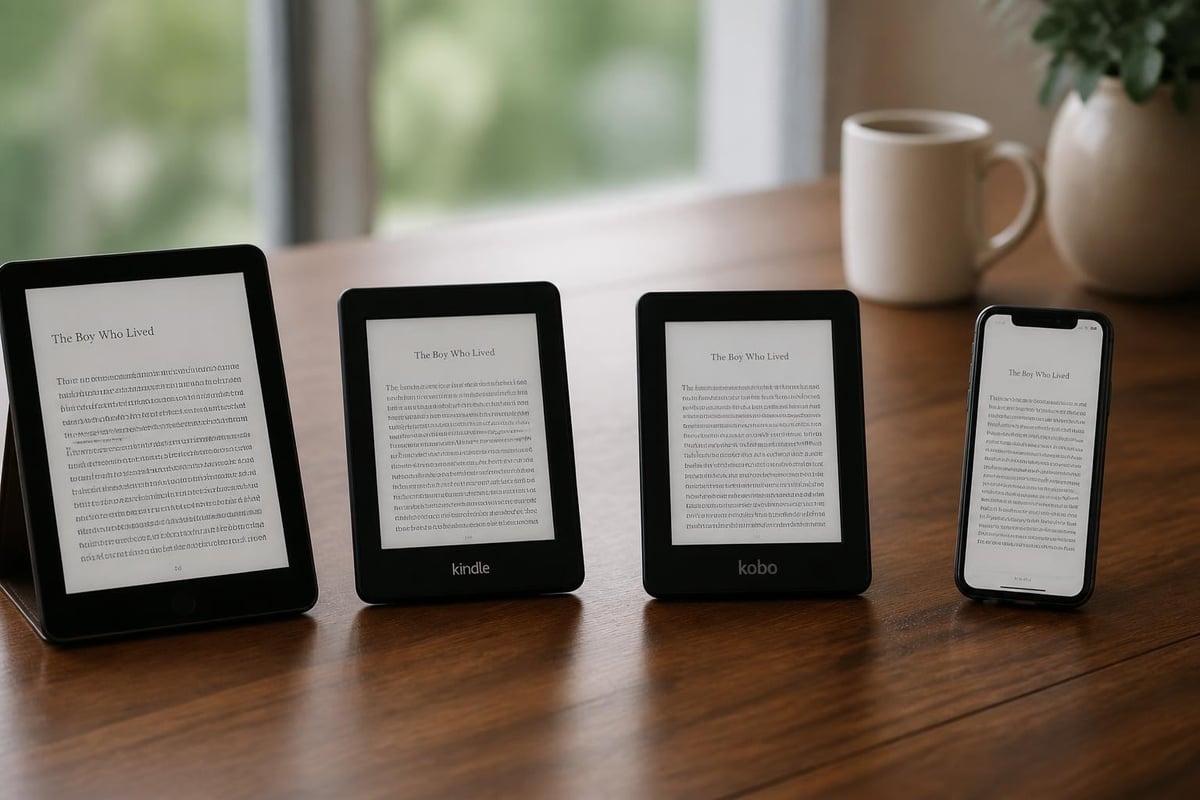
When selecting the best electronic books, your reading device or application plays a crucial role in determining compatibility and features. Amazon's Kindle ecosystem dominates the market but uses proprietary formats, while platforms like Kobo, Apple Books, and Google Play Books primarily support EPUB files. Understanding these distinctions ensures you choose titles that work seamlessly with your preferred reading method.
Key platform features to consider:
- Cloud synchronization across multiple devices
- Annotation and highlighting capabilities
- Dictionary and translation tools
- Adjustable font sizes and typefaces
- Night mode and reading comfort options
Modern e-readers have evolved significantly, with the best e-readers of 2026 offering features that rival traditional books while providing digital conveniences. These devices use E Ink technology that mimics printed pages, reducing eye strain during extended reading sessions.
Top Fiction Electronic Books for 2026
Fiction remains the most popular category for electronic book readers, offering escapism and storytelling excellence across multiple subgenres. The best electronic books in fiction combine compelling narratives with formatting that enhances the digital reading experience.
Contemporary fiction has adapted beautifully to the electronic format, with publishers optimizing typography and chapter breaks for screen reading. Literary fiction titles often include author notes, discussion questions, and bonus content that enriches the reading experience beyond the printed version.
Genre-Specific Recommendations
Science fiction and fantasy series particularly excel in electronic format due to their length and complexity. Readers appreciate having entire series available instantly, along with searchable character indexes and world-building appendices. Mystery and thriller novels benefit from the portability factor, allowing readers to maintain suspense across multiple reading sessions without carrying physical books.
| Genre | Key Benefits | Popular Features |
|---|---|---|
| Literary Fiction | Enhanced typography | Author interviews |
| Science Fiction | Series accessibility | Glossaries and maps |
| Romance | Discreet reading | Series tracking |
| Mystery/Thriller | Portable suspense | Cliffhanger bookmarks |
Romance readers particularly value the privacy that electronic books provide, while also enjoying algorithmic recommendations that help discover new authors within preferred subgenres. The digital format has democratized publishing, allowing independent authors to reach audiences directly through platforms that curate and recommend titles based on reading history.
Business and Professional Development Titles
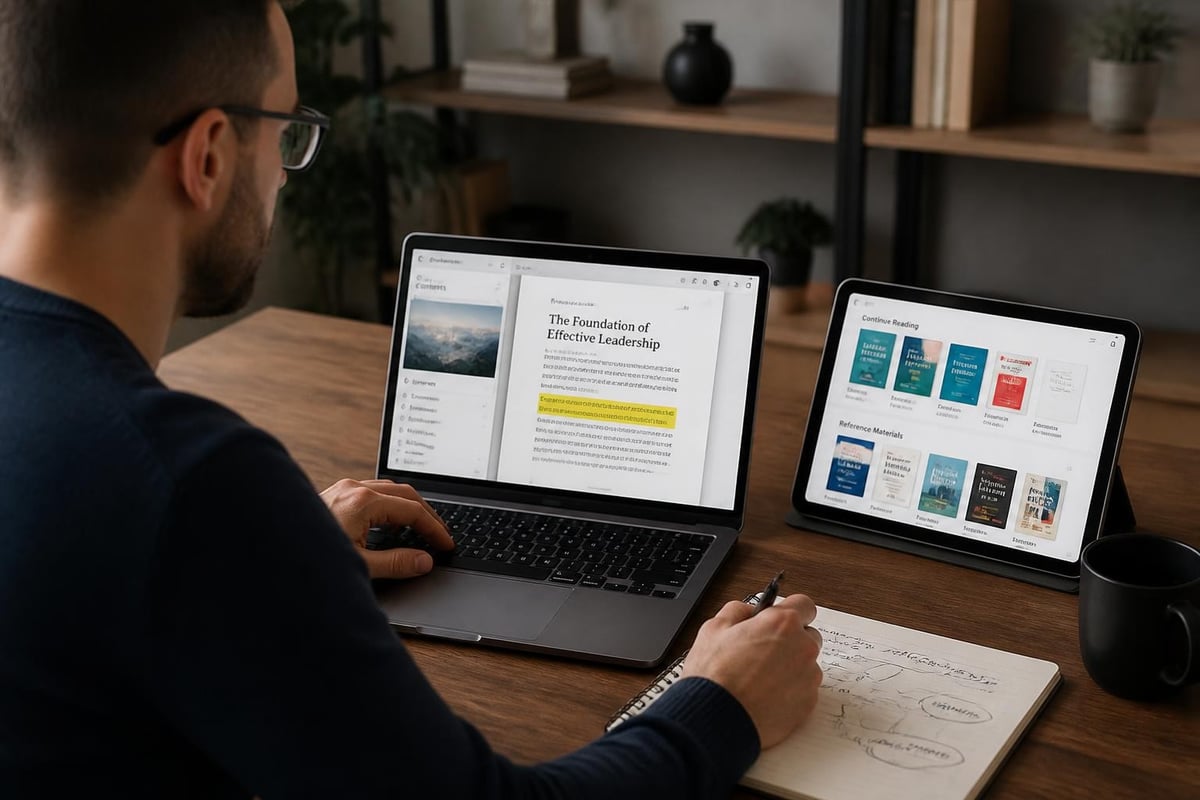
Professional readers have embraced electronic books as essential tools for continuous learning and career development. The best electronic books in business categories offer searchable content, highlighting capabilities, and note-taking features that transform passive reading into active learning experiences.
Leadership and management titles frequently include case studies, frameworks, and actionable templates that readers can bookmark and reference repeatedly. The ability to search across multiple business books simultaneously creates a personalized knowledge base that grows with your library.
Essential business ebook features:
- Searchable indexes and glossaries
- Exportable highlights and notes
- Interactive charts and diagrams
- Hyperlinked references and citations
- Regular content updates from authors
Marketing and sales professionals particularly benefit from electronic business books that include updated statistics and current market examples. Unlike printed editions, digital versions can receive minor updates, ensuring information remains relevant in rapidly changing industries.
Technical and Skill Development
Programming and technical books have found their ideal medium in electronic format. Code samples become copyable text rather than requiring manual transcription, while syntax highlighting and formatting preserve the clarity essential for learning complex technical concepts. E Ink tablets now support technical PDFs and programming guides with improved readability.
Entrepreneurship titles combine theoretical frameworks with practical worksheets that readers can complete digitally, creating action plans directly within their reading environment. This integration of content and application accelerates the journey from knowledge acquisition to implementation.
Comics, Graphic Novels, and Visual Content
The evolution of color E Ink technology has revolutionized how readers experience comics and graphic novels in electronic format. While early e-readers struggled with visual content, devices like the Kobo Libra Colour now deliver vibrant illustrations that honor the artistic vision of creators while maintaining the portability advantages of digital reading.
Manga and comic book collections benefit tremendously from electronic format, allowing readers to maintain extensive libraries without physical storage concerns. Panel-by-panel reading modes optimize the experience for smaller screens, while tablet readers can display full pages in stunning detail.
Visual Reading Experience Enhancements
Modern comic book readers include guided view technology that automatically focuses on individual panels in reading order, creating a cinematic experience that flows naturally. Zoom capabilities allow readers to appreciate artistic details that might be missed in rapid reading, while maintaining smooth navigation between pages.
Graphic novels and illustrated fiction receive special formatting attention from publishers, with electronic versions often matching or exceeding print quality. The Kobo Clara Colour represents the new generation of affordable color e-readers making visual content accessible to budget-conscious readers.
Children's illustrated books have particularly benefited from electronic format innovations. Interactive elements, animation options, and read-along audio features create engaging experiences that support early literacy development while maintaining the visual richness parents expect.
Biography and Non-Fiction Excellence
Biography and memoir readers appreciate electronic books for their comprehensive indexes and timeline features that help track complex life stories. The best electronic books in this category include photo galleries, document facsimiles, and supplementary materials that provide context beyond the narrative text.
Historical biographies benefit from hyperlinked references that allow curious readers to explore related events, figures, and sources without interrupting their primary reading flow. This layered approach to information delivery transforms linear narratives into multidimensional learning experiences.
Non-fiction enhancements in electronic format:
- Clickable table of contents
- Embedded photographs and illustrations
- Reference linking to source materials
- Author commentary and updates
- Related title recommendations
True crime and investigative journalism titles frequently include maps, timelines, and character relationship diagrams that electronic formats can present more effectively than print versions. Readers can reference these materials while reading, creating a more immersive understanding of complex narratives.
Audiobook Integration and Multimodal Reading
The convergence of electronic books and audiobooks represents one of the most significant developments in digital reading. Whispersync technology and similar features allow readers to seamlessly switch between reading and listening, maintaining their position across formats. This flexibility accommodates different contexts throughout the day, whether commuting, exercising, or reading before sleep.
The best electronic books now frequently offer companion audiobooks, with synchronized highlighting that follows along with professional narration. This multimodal approach supports different learning styles while maximizing the utility of content investments.
Accessibility and Inclusive Reading
Electronic books have democratized reading access for individuals with visual impairments, dyslexia, and other reading challenges. Adjustable fonts, text-to-speech capabilities, and high-contrast modes ensure that the best electronic books remain accessible to the widest possible audience.
Screen reader compatibility has become a standard requirement for electronic book publishing, with major platforms enforcing accessibility guidelines that benefit all readers. These features transform electronic books from simple digital replicas into adaptive tools that respond to individual needs and preferences.

Building Your Digital Library Strategy
Developing a curated electronic book collection requires strategic thinking about platform choice, format preferences, and long-term access. Unlike physical books, electronic titles remain tied to specific ecosystems, making platform selection a significant decision that affects years of reading.
Cross-platform readers might consider DRM-free options that allow file ownership independent of any single retailer. Platforms like Tell eBook offer diverse selections across multiple categories, allowing readers to explore various genres while building comprehensive digital libraries.
| Strategy Element | Consideration | Recommendation |
|---|---|---|
| Platform Selection | Long-term ecosystem lock-in | Choose based on device preference |
| Format Preference | Compatibility across devices | Prioritize EPUB when possible |
| Storage Management | Cloud versus local storage | Hybrid approach for important titles |
| Price Optimization | Sales and subscription services | Monitor deals across platforms |
The best electronic books often appear in curated collections and recommendation algorithms that help readers discover titles aligned with their interests. Investing time in rating and reviewing books improves these recommendations, creating a personalized discovery experience that evolves with reading preferences.
Organization and Collection Management
Digital libraries can quickly become overwhelming without organizational systems. Using collections, tags, and custom shelves helps maintain order across hundreds or thousands of titles. Many readers organize by reading status (to-read, currently reading, completed), genre, or personal categories that reflect their unique interests.
Archive features allow removal of completed books from active libraries while maintaining access and reading history. This decluttering maintains focus on current interests while preserving the ability to revisit previous reads or recommend titles to others.
Reading Analytics and Personal Insights
Electronic books generate reading data that provides fascinating insights into personal reading habits. Time spent reading, pages per session, and completion rates help readers understand their engagement patterns and set realistic reading goals.
Some platforms track vocabulary exposure, showing unfamiliar words looked up and their context. These features transform reading from passive consumption into measurable personal development, particularly valuable for language learners and students.
Reading streaks and achievement systems gamify the reading experience, encouraging consistent daily reading habits. While controversial among some readers who prefer intrinsic motivation, these features help others maintain momentum during busy periods when reading might otherwise fall by priority.
Social Reading and Community Connection
Book clubs have migrated successfully to digital platforms, with electronic books enabling synchronized reading and discussion features. Shared highlights and annotations create collaborative reading experiences that extend beyond geographical limitations, connecting readers worldwide around shared literary interests.
Goodreads integration and similar social features allow readers to track friends' reading activities, exchange recommendations, and participate in reading challenges. These community aspects combat the potential isolation of digital reading, creating social accountability and shared enthusiasm for literature.
Educational and Academic Electronic Books
Academic reading has embraced electronic formats with textbooks offering search functionality, embedded quizzes, and supplementary resources that enhance learning outcomes. Research on digital literacy demonstrates how university students integrate electronic books into study workflows, using annotation and highlighting features to support retention and comprehension.
The best electronic books for education include interactive elements that transform passive reading into active learning. Practice problems, self-assessment tools, and multimedia explanations create comprehensive learning environments within single titles.
Reference works and encyclopedias particularly excel in electronic format, where search functionality and cross-referencing replace physical index navigation. Medical, legal, and technical reference materials benefit from regular updates that keep information current without requiring new editions.
Scholarly journals and academic papers increasingly appear in electronic formats that include citation tools, related article recommendations, and author contact information. These features support research workflows while reducing the physical burden of maintaining extensive academic libraries.
Subscription Services and Reading Access Models
The rise of ebook subscription services has changed how readers access the best electronic books. Services like Kindle Unlimited, Scribd, and Kobo Plus offer unlimited reading from curated catalogs for monthly fees, appealing to voracious readers who consume multiple titles weekly.
These models work particularly well for genre readers who enjoy series and discovering new authors without financial risk per title. However, subscription libraries typically exclude bestsellers and recent releases, requiring hybrid approaches that combine subscriptions with individual purchases for highly anticipated titles.
Subscription service evaluation criteria:
- Catalog size and quality
- Genre representation matching interests
- New release availability timeline
- Simultaneous title access limits
- Offline reading capabilities
Library integration through services like Libby and OverDrive provides free access to electronic books using existing library cards. While availability and wait times vary, these services significantly expand reading access while supporting public library systems.
Finding the best electronic books transforms reading from a logistical challenge into a seamless experience that adapts to your lifestyle and preferences. Whether you're drawn to gripping fiction, professional development resources, visual storytelling, or biographical narratives, the right electronic books enhance every reading moment while providing convenience impossible with physical formats. Tell eBook offers an extensive collection spanning fiction, business, comics, and biographies, providing the variety and quality you need to build your ideal digital library today.
Start building your digital library with standout ebooks like System Collapse by Martha Wells, The Tainted Cup by Robert Jackson Bennett, and Jade War by Fonda Lee — all available for instant download. Browse more titles in the Tell eBook shop to discover thousands of ebooks.