

Literature has always been defined by its exceptional voices, those writers who transcend their time and create works that resonate across generations. Understanding who qualifies as the best authors requires looking beyond mere sales figures or critical acclaim to examine their cultural impact, narrative innovation, and lasting influence on readers worldwide. Whether you're building your digital library or exploring new literary territories, recognizing these exceptional writers helps you make informed choices about what to read next.
What Defines the Best Authors in Literary History
The criteria for identifying the best authors have evolved considerably over time, yet certain fundamental qualities remain constant. Literary excellence, cultural impact, and enduring relevance form the foundation of authorial greatness. These writers don't simply entertain; they challenge perspectives, introduce innovative narrative techniques, and create characters that become cultural touchstones.
When we examine the top best-selling authors of all time, we see a pattern emerge. Writers like William Shakespeare, Agatha Christie, and Barbara Cartland achieved remarkable commercial success, but their influence extends far beyond book sales. Shakespeare revolutionized dramatic structure and enriched the English language itself. Christie transformed detective fiction into an art form, while Cartland demonstrated the power of prolific, consistent output.
Measuring Literary Impact Across Generations
The best authors create ripple effects that extend decades or even centuries beyond their lifetime. This impact manifests in several ways:
- Influence on other writers who cite them as inspiration
- Cultural references that permeate everyday language and thought
- Academic study that continually reveals new layers of meaning
- Adaptations across multiple media formats
- Translation into numerous languages, expanding global reach
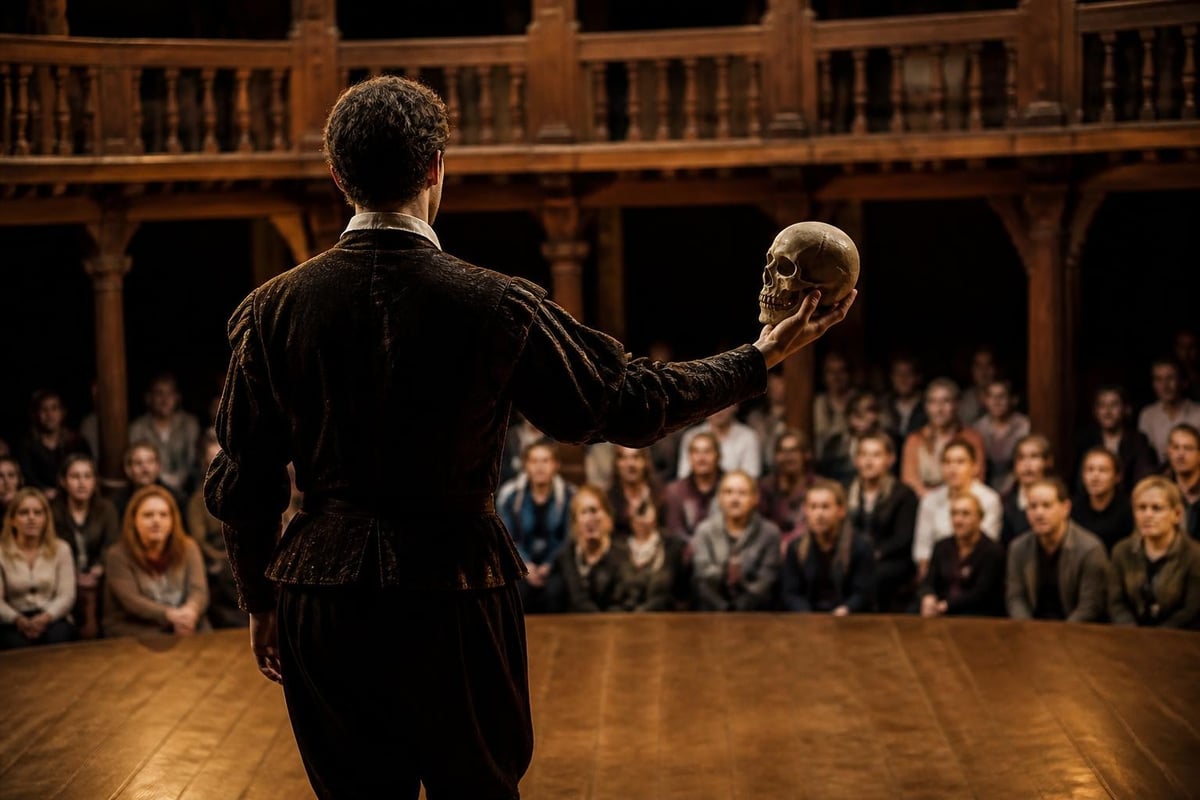
Consider how contemporary authors build upon foundations laid by their predecessors. Modern mystery writers still reference Agatha Christie's plotting techniques, while fantasy authors acknowledge J.R.R. Tolkien's world-building as a benchmark. This intergenerational dialogue demonstrates how the best authors create frameworks that subsequent writers expand and reimagine.
Classic Authors Who Established Literary Standards
The pantheon of classic literature contains writers whose works have become synonymous with excellence. These authors established narrative conventions, explored universal human experiences, and created stories that remain relevant despite vast cultural and technological changes.
Jane Austen stands as a masterful observer of social dynamics, her novels examining class, gender, and morality with wit and precision. Her influence on romantic fiction and social commentary continues to shape contemporary literature. Similarly, Charles Dickens transformed the serial novel format while addressing social injustices, creating memorable characters that represent broader societal issues.
The Enduring Power of Classic Narratives
Classic authors achieved their status by addressing timeless themes through compelling storytelling. Their works explore fundamental human conditions-love, ambition, mortality, justice-in ways that transcend their original context. This universality explains why readers in 2026 still find relevance in novels written centuries ago.
| Author | Era | Key Innovation | Lasting Impact |
|---|---|---|---|
| William Shakespeare | 16th-17th Century | Character psychology | Modern dramatic structure |
| Jane Austen | 19th Century | Social satire through romance | Contemporary relationship narratives |
| Leo Tolstoy | 19th Century | Epic scope with intimate detail | Historical fiction frameworks |
| Virginia Woolf | 20th Century | Stream of consciousness | Modernist literary techniques |
The Tell eBook shop offers extensive access to these foundational works, allowing modern readers to engage with the texts that shaped literary tradition. Digital formats make these classics more accessible than ever, removing barriers of availability and cost.
Contemporary Authors Redefining Modern Literature
While honoring classic voices remains essential, the best authors of our current era are actively reshaping what literature can accomplish. Contemporary writers bring diverse perspectives, experimental techniques, and urgent relevance to their work. The 2025 National Book Festival showcased over 85 contemporary authors, demonstrating the breadth and vitality of modern literary voices.
Chimamanda Ngozi Adichie exemplifies contemporary excellence through her exploration of identity, feminism, and post-colonial experience. Her narrative voice combines accessibility with intellectual depth, making complex ideas engaging for broad audiences. Similarly, authors like Colson Whitehead blend genre fiction with literary experimentation, proving that commercial success and artistic innovation need not be mutually exclusive.
Genre-Defining Contemporary Voices
Today's literary landscape spans multiple genres, each with authors who elevate their chosen form:
- Mystery and Thriller: Gillian Flynn, Tana French, and Don Winslow craft psychologically complex narratives
- Science Fiction: N.K. Jemisin, Ted Chiang, and Ann Leckie expand genre boundaries
- Historical Fiction: Hilary Mantel, Anthony Doerr, and Yaa Gyasi merge research with imagination
- Literary Fiction: Sally Rooney, Ocean Vuong, and Celeste Ng capture contemporary consciousness
The biography and memoir section at Tell eBook highlights how contemporary authors also excel in non-fiction, crafting personal narratives that illuminate broader cultural experiences.
Business and Self-Development Authors Transforming Lives
The best authors aren't confined to fiction. Business literature has produced writers whose insights transform how we work, lead, and innovate. These authors combine research, experience, and clear communication to deliver actionable wisdom.
Malcolm Gladwell revolutionized business writing by making social science accessible and engaging. His narrative approach to complex ideas created a template that countless authors have followed. Brené Brown brought academic research on vulnerability and courage to mainstream audiences, demonstrating how personal development writing can be both rigorous and relatable.
The Evolution of Business Literature
Business and self-development writing has matured significantly, moving beyond simplistic formulas to embrace complexity and nuance. The best authors in this space acknowledge that leadership, success, and fulfillment resist easy answers. They provide frameworks rather than prescriptions, encouraging readers to develop their own approaches.
| Author | Focus Area | Key Contribution |
|---|---|---|
| Peter Drucker | Management Theory | Modern management principles |
| Daniel Goleman | Emotional Intelligence | EQ in leadership contexts |
| Carol Dweck | Psychology | Growth mindset framework |
| Adam Grant | Organizational Psychology | Work culture transformation |
Exploring the business and finance category reveals how these authors and their contemporaries continue expanding our understanding of professional excellence and organizational effectiveness.

Comic and Graphic Novel Masters Elevating Visual Storytelling
The recognition that the best authors include those working in visual narratives marks a significant shift in literary appreciation. Graphic novelists and comic creators have elevated their medium from entertainment to art form, proving that sequential storytelling can address serious themes with sophistication and nuance.
Alan Moore transformed comic narratives through works like "Watchmen," which deconstructed superhero mythology while exploring power, morality, and human nature. Marjane Satrapi demonstrated how graphic memoir could communicate complex political and personal history through "Persepolis." These authors prove that visual storytelling demands the same craft, insight, and artistry as traditional prose.
Contemporary graphic novelists continue pushing boundaries. Gene Luen Yang addresses identity and cultural heritage, while Alison Bechdel explores family dynamics and LGBTQ+ experience. Their work appears alongside traditional literature on prize shortlists, reflecting evolved understanding of what constitutes literary excellence.
The comics, graphic novels, and manga section showcases this diversity, offering everything from superhero narratives to experimental visual literature.
Award-Winning Authors and Critical Recognition
Literary prizes provide one framework for identifying the best authors, though accolades alone don't guarantee lasting significance. The Nobel Prize in Literature, Pulitzer Prize, Booker Prize, and National Book Award highlight authors whose work demonstrates exceptional achievement, yet many celebrated writers never receive major prizes while some award winners fade from memory.
Toni Morrison, who won both the Pulitzer and Nobel prizes, exemplifies how critical recognition can align with enduring literary importance. Her novels explored African American experience with lyrical prose and unflinching honesty, creating works that remain essential decades after publication. The Guardian’s best fiction of 2025 demonstrates how contemporary critical attention identifies emerging voices alongside established masters.
Understanding Different Literary Prizes
Different awards emphasize varying aspects of literary achievement:
- Nobel Prize in Literature: Lifetime achievement and global impact
- Pulitzer Prize: American writing excellence across categories
- Booker Prize: Best English-language novel published in UK/Ireland
- National Book Award: American literary achievement annually
- Hugo and Nebula Awards: Science fiction and fantasy excellence
These recognitions help readers discover the best authors within specific genres and traditions, though personal taste ultimately determines what resonates most deeply.
Diverse Voices Expanding Literary Boundaries
The best authors of the 21st century increasingly reflect global diversity, bringing perspectives previously marginalized in mainstream publishing. This expansion enriches literature, introducing new narrative traditions, cultural contexts, and storytelling approaches.
Authors like Jhumpa Lahiri explore immigrant experience and cultural identity, while Yaa Gyasi examines historical trauma and its contemporary reverberations. Ocean Vuong brings Vietnamese American perspectives through poetry and prose, and Tommy Orange centers Indigenous experience in contemporary urban settings. These writers don't simply add diversity to existing literary traditions; they fundamentally reshape what stories get told and how.
This democratization of literary voice benefits all readers by expanding available perspectives and challenging provincial assumptions about universal human experience. The best authors recognize that truth emerges through multiple viewpoints, each offering unique insights.
Building Your Digital Library With the Best Authors
Selecting which authors to read from the overwhelming available options requires strategy. Start by identifying your interests-genre preferences, thematic concerns, stylistic tastes-then explore highly regarded authors within those categories. Reading lists from trusted sources provide helpful starting points, but personal exploration remains essential.
Consider building a balanced reading diet that includes:
- Classic authors who established literary foundations
- Contemporary voices addressing current concerns
- Award winners representing critical consensus
- Genre specialists excelling in preferred formats
- Emerging writers offering fresh perspectives
The comprehensive collection at Tell eBook enables readers to explore broadly without physical storage constraints. Digital libraries allow experimentation-trying new authors and genres without commitment-while maintaining easy access to favorites.
Creating Reading Goals Around Author Discovery
Rather than focusing solely on quantity, develop reading goals that emphasize quality and diversity. Commit to reading authors from different eras, cultures, and genres each year. Track not just books completed but new perspectives encountered and assumptions challenged.
| Reading Goal Type | Example Target | Benefit |
|---|---|---|
| Author Diversity | 12 authors from different countries | Global perspectives |
| Genre Exploration | 4 new genres annually | Broadened taste |
| Classic Literature | 6 canonical works yearly | Literary foundation |
| Contemporary Releases | Current year publications | Cultural relevance |
How the Best Authors Influence Popular Culture
Literary influence extends far beyond the page, shaping film, television, music, and visual art. The best authors create intellectual property that generates multiple adaptations, demonstrating how compelling narratives translate across media. J.K. Rowling's Harry Potter series became a multimedia phenomenon, while Stephen King's horror fiction has spawned countless film adaptations.
This cultural penetration works bidirectionally-popular adaptations often drive readers back to source texts, introducing the best authors to audiences who might not otherwise encounter them. However, adaptations also spark debates about fidelity, artistic interpretation, and the unique qualities of different media.
The Amazon best books of 2025 reflects how commercial success often correlates with broader cultural impact, though the relationship remains complex and sometimes contradictory.
Finding Your Next Favorite Among the Best Authors
Personal reading preferences ultimately determine which authors resonate most powerfully. While critical consensus and sales figures provide useful guidance, individual taste remains paramount. Some readers gravitate toward lyrical prose, others prefer sparse minimalism. Some seek intellectual challenge, others emotional catharsis.
Discovering your preferred authors requires experimentation and reflection. Notice patterns in what you enjoy-not just subject matter but narrative voice, pacing, structure, and thematic concerns. Use these insights to guide further exploration, recognizing that taste evolves over time.
The Tell eBook blog offers recommendations and insights to help readers navigate the overwhelming abundance of excellent writing available today. Whether exploring classics or discovering emerging voices, having a curated starting point accelerates the journey toward finding the best authors for your particular sensibilities.
Engage with reading communities, both online and offline, to discover recommendations from people with similar tastes. Book clubs, literary podcasts, and review sites provide valuable filtering mechanisms in an era of infinite choice. The best authors for you are those whose work speaks to your specific interests, challenges, and aspirations.
The best authors across all genres and eras share common qualities: masterful craft, meaningful insight, and the ability to connect with readers across boundaries of time, culture, and experience. Whether you're drawn to classic literature, contemporary fiction, business wisdom, or graphic narratives, building a thoughtful reading practice enriches life immeasurably. Tell eBook provides instant access to thousands of titles spanning every category, making it easier than ever to discover both established masters and emerging voices that will become your new favorites.