

The digital reading revolution has transformed how millions of people consume written content. An e reader ebook combines specialized hardware or software with digital publishing formats to deliver books, magazines, and documents directly to readers without physical paper. This technology has evolved from simple text displays to sophisticated platforms supporting multimedia, accessibility features, and vast libraries accessible instantly. Whether you're building a personal collection or exploring professional knowledge resources, understanding the e reader ebook ecosystem helps you make informed choices about devices, formats, and content sources.
Understanding E Reader Ebook Technology
The foundation of any e reader ebook experience rests on two pillars: the device or application used for reading, and the digital file format containing the content. Modern e-readers employ specialized display technology designed specifically for prolonged reading sessions. Most dedicated devices use electronic ink (E Ink) displays, which replicate the appearance of physical paper through electrophoretic technology, offering superior readability in direct sunlight and dramatically extended battery life compared to LCD or OLED screens.
Device Categories and Reading Platforms
E reader ebook devices fall into three primary categories, each serving different reader needs and preferences:
- Dedicated e-readers (Kindle, Kobo, Nook) optimized exclusively for reading with E Ink displays
- Tablets and smartphones offering versatile functionality with backlit color screens
- Desktop and laptop computers providing large-screen reading through browser or application interfaces
Dedicated e-readers excel at delivering a distraction-free reading environment with minimal eye strain. Their battery life typically extends for weeks rather than hours, and their lightweight construction makes them ideal for extended reading sessions. Tablets and smartphones sacrifice some reading comfort for versatility, enabling readers to access color content, multimedia elements, and interactive features that dedicated devices cannot support. Each platform offers distinct advantages depending on content type and reading context.

Digital Book File Formats
The e reader ebook format determines compatibility, features, and reading experience quality. EPUB 3.3 has emerged as the industry standard, offering reflowable text, fixed-layout options, multimedia support, and robust accessibility features. This open format ensures content works across multiple platforms and devices without vendor lock-in.
| Format | Compatibility | Features | Best Use Case |
|---|---|---|---|
| EPUB | Universal (most platforms) | Reflowable, accessible, multimedia | Fiction, general nonfiction |
| Universal | Fixed layout, precise formatting | Technical documents, forms | |
| MOBI/AZW | Amazon ecosystem | Reflowable, proprietary features | Kindle-exclusive content |
| CBZ/CBR | Comic readers | Image archives, page-based | Comics, graphic novels |
EPUB files support advanced typography, embedded fonts, and semantic markup that enhances both visual presentation and accessibility. PDF formats preserve exact page layouts but sacrifice reflow capabilities, making them less ideal for reading on smaller screens. Understanding these format distinctions helps readers select content that matches their device capabilities and reading preferences.
Building and Managing Your Digital Library
Creating a comprehensive e reader ebook collection requires strategic planning around acquisition sources, organization systems, and long-term access considerations. The digital nature of ebooks introduces both opportunities and challenges compared to physical book collections.
Content Acquisition Strategies
Readers can build their digital libraries through multiple channels, each offering different advantages in pricing, selection, and ownership terms. Commercial ebook retailers like Tell eBook provide curated selections across categories including fiction and literature, business and finance, biography and memoir, and comics and graphic novels. These platforms typically offer instant delivery, robust search capabilities, and synchronized reading progress across devices.
Public libraries have expanded their digital lending programs significantly. The American Library Association’s ecosystem report documents how library patrons can access thousands of titles through services like OverDrive and Libby without purchase costs. While lending periods create temporary access, libraries provide risk-free discovery of new authors and genres.
Independent publishers and authors frequently offer DRM-free ebooks directly, giving readers greater flexibility and supporting creators more directly. Academic and professional resources often require institutional subscriptions but provide specialized content unavailable through consumer channels.
Organization and Cataloging
As digital libraries grow beyond dozens into hundreds or thousands of titles, systematic organization becomes essential:
- Metadata management ensures accurate author names, publication dates, series information, and genre classifications
- Collection software like Calibre enables bulk editing, format conversion, and custom categorization
- Cloud storage creates backup copies protecting against device failure or vendor account issues
- Reading lists separate purchased-but-unread titles from active reading queues and reference materials
- Tagging systems complement folder structures for cross-cutting categorization by topic, mood, or project
Professional readers developing expertise in specialized fields benefit from creating subject-specific subcollections. A business finance researcher might separate titles by methodology, industry sector, or publication era, while a literature enthusiast could organize by literary movement, geographic origin, or thematic elements.
Accessibility and Reading Experience Optimization
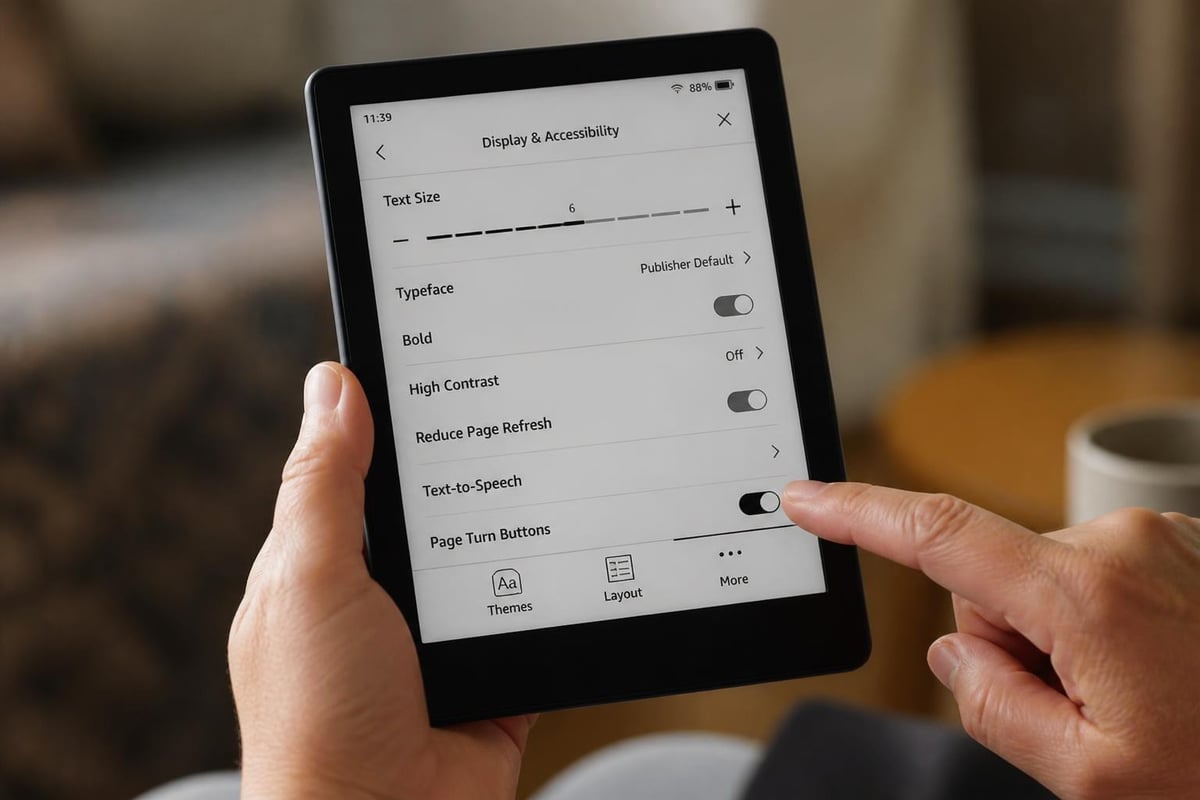
Modern e reader ebook platforms incorporate extensive accessibility features that extend reading opportunities to users with visual, cognitive, or motor impairments. These capabilities represent one of digital reading's most significant advantages over traditional print.
Accessibility Standards and Implementation
Publishers and platform providers must consider Web Content Accessibility Guidelines (WCAG) when creating and distributing digital content. The DAISY Consortium’s accessible publishing resources provide detailed implementation guidance for producers ensuring their ebooks serve all readers effectively.
Key accessibility features include:
- Text-to-speech synthesis enabling auditory content consumption
- Adjustable font sizes, weights, and typefaces for visual customization
- High-contrast color schemes reducing eye strain
- Semantic navigation through headings, landmarks, and page lists
- Image descriptions and alt text for visual content
- Synchronized audio-text presentation for multisensory learning
These features benefit not only users with disabilities but also readers in specific contexts-such as driving (audio), bright sunlight (contrast adjustment), or limited attention bandwidth (customized presentation). Quality ebook files include proper semantic markup enabling assistive technologies to navigate content efficiently rather than forcing linear progression through sequential text.
Reading Comprehension and Digital Formats
Research comparing digital versus paper reading reveals nuanced findings about comprehension, retention, and reader preferences. While early studies suggested disadvantages for screen reading, more recent evidence indicates that platform design, content type, and reader familiarity significantly influence outcomes. E reader ebook platforms optimized for reading-particularly those using E Ink displays-show minimal comprehension differences compared to print for narrative content.
Readers can optimize their digital reading experience through deliberate habit formation:
- Minimize distractions by enabling airplane mode or using dedicated devices during focused reading sessions
- Leverage annotation tools for active reading, creating highlights and notes that support retention
- Establish reading rituals that signal mental transition into focused reading mode
- Adjust typography to personal preferences rather than accepting default settings
- Take strategic breaks respecting natural attention cycles rather than forcing prolonged sessions
The ability to search full text, cross-reference multiple titles simultaneously, and instantly access definitions or translations provides powerful learning advantages for certain content types, particularly nonfiction technical material and reference works.
Rights, Privacy, and Digital Ownership
The e reader ebook ecosystem introduces complex questions around ownership, privacy, and user rights that differ fundamentally from physical book purchases. Understanding these distinctions helps readers make informed decisions about where and how they acquire digital content.
Digital Rights Management Considerations
Most commercial ebooks include Digital Rights Management (DRM) technology restricting copying, sharing, and platform transfer. The Electronic Frontier Foundation’s analysis explains how DRM affects reader rights and practical usage. While DRM aims to prevent piracy, it also creates vendor lock-in, prevents archival preservation, and can revoke access if vendors close platforms or change terms.
| DRM Status | Advantages | Limitations |
|---|---|---|
| DRM-protected | Wider selection, mainstream titles | Device restrictions, no transfer |
| DRM-free | True ownership, format flexibility | Limited mainstream publisher participation |
| Library lending | No purchase cost, legal access | Temporary availability, waitlists |
Readers concerned about long-term access should prioritize DRM-free sources when available, maintain local backups of purchased content, and understand license terms before building extensive libraries on any single platform. Some retailers like Tell eBook may offer varying terms depending on publisher agreements and content categories.
Privacy and Reading Data
E reader ebook platforms collect extensive data about reading behaviors: which books users purchase, how quickly they read, where they pause or abandon titles, and which passages they highlight. This information serves both beneficial purposes (personalized recommendations, synchronized progress) and raises privacy concerns about surveillance and data monetization.
Privacy-conscious readers should:
- Review platform privacy policies and data retention terms
- Disable analytics and data sharing where optional
- Consider using dedicated devices without personal account linkage
- Evaluate whether cloud synchronization benefits justify data collection
- Understand jurisdiction and legal protections for reading data
Reading history reveals sensitive information about political views, health concerns, religious beliefs, and personal interests. Readers in professions requiring confidentiality or those researching sensitive topics should carefully assess platform privacy practices before building digital libraries containing potentially revealing content patterns.
Technical Standards and File Validation
For readers who create, convert, or manage ebook files directly, understanding technical specifications and validation tools ensures optimal compatibility and feature support across devices and platforms.
EPUB Specification and Best Practices
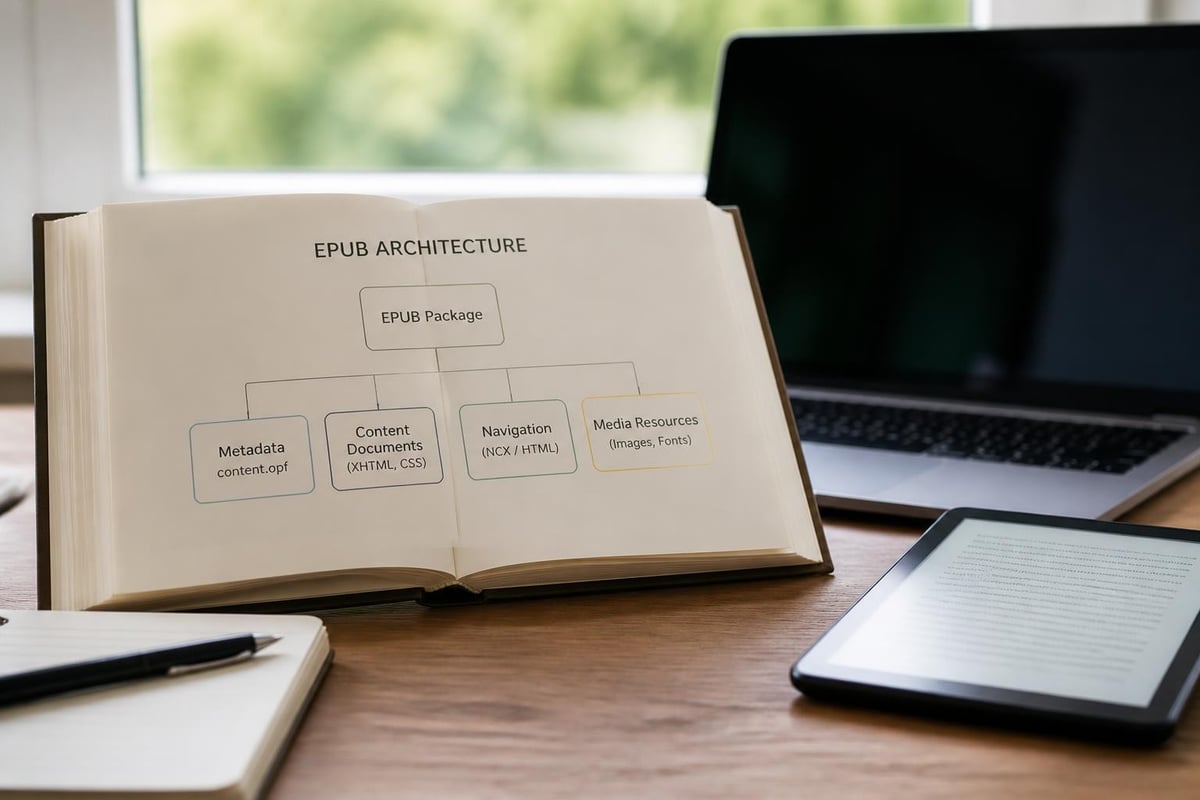
The EPUB 3.3 specification defines the technical requirements for creating compliant ebook files. This standard encompasses file structure, metadata schema, content document formats, and package manifest requirements. Publishers and advanced users can reference the W3C EPUB specifications repository for detailed implementation guidance and security considerations.
Properly constructed EPUB files ensure:
- Consistent rendering across different reading applications and devices
- Accessibility feature support for assistive technologies
- Future compatibility as platforms evolve
- Efficient file size through optimized compression
- Metadata accuracy for library systems and discovery
Quality Control and Validation
EPUBCheck serves as the authoritative validation tool for verifying EPUB files meet specification requirements. This open-source utility identifies structural errors, missing required elements, and accessibility issues before distribution. Content creators should validate files during production rather than after discovering platform-specific rendering problems.
Common validation issues include:
- Missing or malformed metadata elements
- Broken internal links between content documents
- Improper file extensions or MIME type declarations
- Inaccessible image content lacking text alternatives
- Invalid HTML or CSS within content documents
Regular validation becomes particularly important when converting between formats or updating content for new specification versions. Files that pass validation checks demonstrate professional production quality and maximize compatibility across the diverse e reader ebook ecosystem.
Selecting Content for Different Reading Goals
Not all e reader ebook content serves the same purposes, and matching format, device, and content type to reading goals optimizes the overall experience. Strategic content selection considers both immediate reading plans and long-term reference needs.
Category-Specific Recommendations
Different content types perform optimally in specific formats and on particular device types. Fiction titles in standard text format work excellently on any e reader ebook platform, from dedicated E Ink devices to smartphone apps. Business and finance titles often include charts, tables, and diagrams that benefit from larger tablet screens or desktop applications where zooming and navigation don't interrupt reading flow.
Format matching by category:
- Fiction and narrative nonfiction: Standard EPUB on any device, particularly E Ink for extended reading
- Technical and reference: PDF or enhanced EPUB on tablets, searchable content critical
- Comics and graphic novels: Fixed-layout EPUB or CBZ on color tablets with high resolution
- Academic and research: EPUB with robust annotation tools, citation export capabilities
- Professional development: Synchronized across devices for reading continuity between locations
Readers building comprehensive libraries across multiple categories benefit from owning both a dedicated e-reader for extended fiction reading and a tablet for technical, visual, or interactive content. This multi-device approach matches tool to task rather than forcing compromises.
Building Specialized Collections
Professional readers, researchers, and serious hobbyists often develop specialized collections requiring careful curation. A biography and memoir collection might emphasize cross-referencing capabilities and chronological organization, while a technical library prioritizes searchability and version tracking as fields evolve.
Collection development strategies include:
- Systematic gap identification comparing owned titles against comprehensive bibliographies or syllabi
- Format consistency within subject areas enabling uniform annotation and navigation approaches
- Edition verification ensuring authoritative texts rather than OCR-scanned, error-prone versions
- Metadata enrichment adding custom tags, ratings, and notes supporting future discovery
- Regular review cycles identifying outdated material and discovering new essential titles
Serious collectors benefit from maintaining acquisition wishlists organized by priority, tracking price histories, and monitoring publisher catalogs for forthcoming releases in specialized areas. Digital platforms' instant delivery eliminates the need to anticipate future availability, but strategic purchasing during promotional periods can significantly reduce collection costs over time.
The e reader ebook ecosystem continues evolving with improved devices, expanded accessibility features, and growing content libraries across all genres and subjects. Understanding device options, file formats, accessibility standards, and digital rights empowers readers to build libraries matching their specific needs while avoiding common pitfalls around compatibility and long-term access. Whether you're exploring classic literature, professional development resources, or specialized nonfiction, choosing the right platform and content sources creates a sustainable, enjoyable digital reading practice. Tell eBook offers diverse categories and formats to help you discover your next great read and build a digital library that grows with your interests.