

Finding the best books store has transformed dramatically in recent years, with readers now enjoying unprecedented access to millions of titles across physical and digital formats. The modern book retail landscape encompasses everything from charming independent shops to comprehensive digital platforms offering instant access to e-books and audiobooks. Understanding what separates exceptional book retailers from mediocre ones helps readers make informed decisions about where to invest their time and money. Whether you're searching for the latest bestseller, a rare biography, or an extensive audiobook collection, knowing what to look for ensures you'll discover a retailer that matches your reading habits and preferences perfectly.
What Defines the Best Book Retailer in 2026
The characteristics that make a book retailer exceptional have evolved significantly beyond simply stocking popular titles. Today's top-performing stores understand their audience deeply and curate selections that reflect diverse interests and reading formats.
Selection breadth and depth remain foundational to any great book retailer. The best bookstores offer comprehensive coverage across multiple genres while maintaining specialized depth in key categories. Tell eBook exemplifies this approach by providing extensive collections spanning fiction, business literature, comics, and biographies, ensuring readers find both mainstream hits and niche titles.
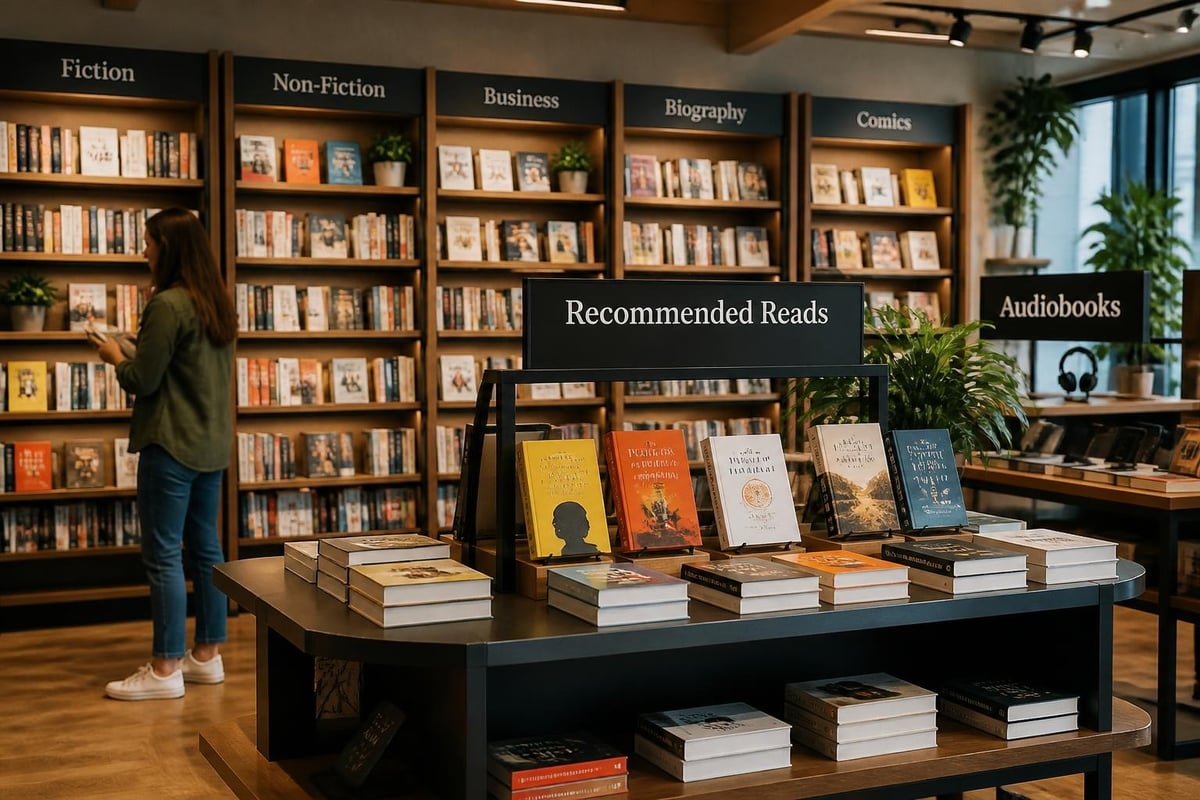
Format flexibility has become non-negotiable for contemporary readers. According to research on book-reading habits in the United States, different demographics prefer different formats, making it essential for retailers to accommodate varied preferences.
Essential Features of Top Book Retailers
The best book retail platforms incorporate several critical features that enhance the reader experience:
- Intuitive navigation systems that help readers discover titles through multiple pathways
- Personalized recommendations based on reading history and preferences
- Instant access to digital formats eliminating shipping delays
- Comprehensive preview options allowing readers to sample before purchasing
- Cross-device compatibility enabling reading across smartphones, tablets, and e-readers
- Frequent updates with new releases and curated collections
Platform accessibility matters tremendously in 2026, with readers expecting seamless experiences whether browsing on mobile devices during commutes or exploring catalogs on desktop computers at home.
Digital vs. Physical Book Retailers
The debate between digital and physical book shopping continues, though increasingly, the best book retail options recognize these aren't mutually exclusive choices. Each format offers distinct advantages that appeal to different reading situations and preferences.
Physical bookstores provide tactile experiences and community gathering spaces that digital platforms cannot replicate. The Guardian’s coverage of the world’s best independent bookshops highlights how these establishments create cultural hubs where readers connect with books and each other.
| Feature | Digital Stores | Physical Stores |
|---|---|---|
| Immediate access | Yes | Limited to in-stock items |
| Storage space | Unlimited cloud storage | Physical shelf space required |
| Browsing experience | Search and filter tools | Tactile discovery |
| Price flexibility | Often lower overhead costs | Fixed retail pricing |
| Environmental impact | No shipping, minimal waste | Transportation and packaging |
| Reading options | E-books and audiobooks | Print only |
Digital platforms excel at convenience and selection scale. The best digital bookstores maintain extensive catalogs that would be physically impossible for brick-and-mortar locations to house. Explore diverse categories to see how comprehensive digital collections can become.
The Rise of Hybrid Shopping Experiences
Forward-thinking retailers increasingly blend physical and digital elements. Some independent bookstores now offer e-book companions to print purchases, while digital-first platforms create curated recommendation lists that mirror the personalized service of knowledgeable booksellers.
This hybrid approach acknowledges that different reading scenarios demand different formats. Commuters appreciate audiobook access through their smartphones, while weekend readers might prefer e-books on tablets. The best book retailers recognize these varied contexts and provide flexible options.
Evaluating Selection Quality and Curation
Beyond sheer volume, selection quality distinguishes exceptional book retailers from merely adequate ones. The best bookstores balance popular demand with thoughtful curation that introduces readers to titles they might not discover independently.
Curation expertise involves understanding genre trends, recognizing emerging authors, and identifying timeless works that deserve continued attention. Publishers Weekly’s annual best books coverage provides industry-standard benchmarks that quality retailers use when building their catalogs.
Professional curation creates value through:
- Thematic collections that group titles around concepts or events
- Staff picks and expert recommendations highlighting hidden gems
- New release spotlights keeping readers current with publishing trends
- Classic literature sections preserving access to foundational works
- Diverse voices representation ensuring varied perspectives and experiences
The best retail platforms invest in editorial content that contextualizes their offerings, helping readers understand why certain titles matter and how books relate to broader conversations.
Specialized vs. General Interest Collections
Some retailers excel by specializing deeply in specific genres or subjects, while others succeed through comprehensive general-interest catalogs. Neither approach is inherently superior, the best choice depends on individual reading preferences.
Specialized stores often provide unmatched depth in their focus areas, with knowledgeable staff or sophisticated recommendation algorithms that understand nuanced reader preferences. Biography enthusiasts, for example, might find curated biography collections more valuable than general-interest platforms.
General-interest retailers serve readers whose tastes span multiple genres or who enjoy exploring new categories. These platforms typically offer stronger discovery tools and cross-genre recommendations that introduce fiction readers to relevant non-fiction titles, or business book enthusiasts to applicable biographies.
Pricing, Value, and Subscription Models
Cost considerations significantly influence where readers choose to shop for books. The best bookstores balance fair pricing with sustainable business practices that support authors and publishers while remaining accessible to diverse readers.
Digital formats generally cost less than physical books due to eliminated production and distribution expenses. However, pricing varies considerably across retailers based on licensing agreements, operational costs, and business models.
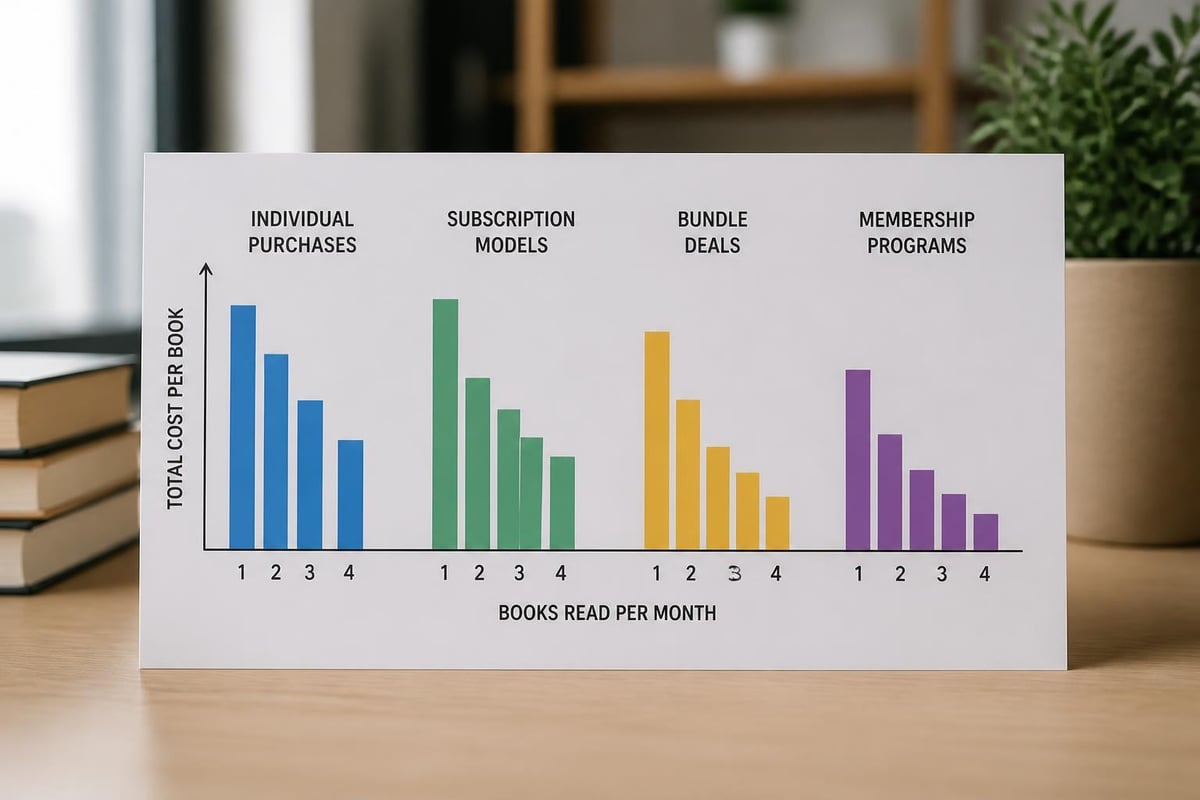
Subscription Services vs. Individual Purchases
Subscription models have gained traction, particularly for voracious readers who consume multiple titles monthly. These services typically offer:
- Unlimited access to catalog selections for flat monthly fees
- Credit-based systems providing specific numbers of titles per period
- Hybrid models combining unlimited access to certain titles plus credits for premium selections
- Family plans enabling multiple household members to access content
Individual purchase models remain preferable for occasional readers or those with highly specific tastes. The best book retail platforms often provide both options, allowing readers to choose based on their consumption patterns.
Value assessment extends beyond sticker prices to consider factors like reading completion rates, discovery of new favorite authors, and long-term library building. A subscription might cost more monthly but prove economical for readers who finish numerous books, while individual purchases better serve selective readers who carefully choose each title.
User Experience and Platform Accessibility
Technical performance and interface design profoundly impact reader satisfaction with book retailers. The best retail platforms prioritize user experience through thoughtful design and robust functionality.
Navigation efficiency determines how quickly readers find desired titles or discover new ones. Effective search functions incorporate:
- Advanced filtering by genre, publication date, author, format, and rating
- Natural language processing understanding conversational search queries
- Synonym recognition connecting related terms and concepts
- Preview capabilities allowing readers to sample chapters before purchasing
- Wishlist and cart functions facilitating future purchase planning
Reading experience quality matters equally to catalog access. Digital platforms must provide comfortable reading environments with adjustable fonts, background colors, and brightness levels. Audiobook platforms need reliable playback with bookmark functionality and speed adjustment options.
Cross-Device Synchronization
Modern readers access content across multiple devices throughout their day. The best retail platforms ensure seamless synchronization that remembers reading positions, notes, and highlights regardless of which device readers use.
This functionality proves particularly valuable for readers who start books on smartphones during commutes, continue on tablets during lunch breaks, and finish on e-readers before bed. Friction-free transitions between devices encourage continued reading and improve completion rates.
Community Features and Reader Engagement
Book retail has evolved beyond transactional relationships into community-building experiences. The best book retail platforms foster reader communities that enhance discovery and deepen engagement with literature.
Social features that enrich the reading experience include:
- Reader reviews and ratings providing peer recommendations
- Discussion forums enabling conversations about specific titles
- Author Q&A sessions and virtual events connecting readers with creators
- Reading challenges and achievement systems gamifying reading goals
- Social sharing capabilities allowing readers to recommend titles to friends
These community elements transform solitary reading into shared cultural experiences. Author-focused collections become more valuable when accompanied by reader discussions and author commentary contextualizing the works.
Reader engagement metrics help platforms understand which features drive satisfaction and retention. The best platforms continuously refine their community offerings based on how readers interact with various features.
Personalization and Discovery Algorithms
Sophisticated recommendation systems distinguish exceptional platforms from basic retailers. The best book retail platforms use multiple signals to suggest relevant titles:
| Signal Type | Description | Example Use |
|---|---|---|
| Purchase history | Tracks completed transactions | Suggests similar genres |
| Reading progress | Monitors completion rates | Identifies preferred lengths |
| Search behavior | Analyzes browsing patterns | Surfaces related topics |
| Rating patterns | Studies user preferences | Matches taste profiles |
| Social connections | Considers friend activity | Highlights popular titles among similar readers |
Machine learning algorithms improve over time as they process more reader data, creating increasingly accurate recommendations that feel personally curated rather than generically suggested.
Supporting Independent Retailers and Ethical Practices
Conscious consumers increasingly consider the broader impact of their purchasing decisions, including where they buy books. The best bookstores demonstrate commitment to sustainable practices and ethical operations.
The American Booksellers Association provides resources helping independent bookstores compete effectively while maintaining values-driven operations. Many readers prioritize supporting these establishments even when convenient alternatives exist.
Digital retailers can demonstrate ethical commitment through:
- Fair author compensation ensuring creators receive appropriate royalties
- Accessibility compliance making content available to readers with disabilities
- Privacy protection safeguarding reader data and browsing habits
- Environmental responsibility minimizing digital infrastructure's carbon footprint
- Diverse representation actively promoting underrepresented voices
Sustainable bookselling practices extend to digital operations through server efficiency, responsible data storage, and mindful marketing approaches.
Transparency and Author Support
The best bookstores clearly communicate how purchases support authors and publishers. Readers who understand that their spending directly enables creators to continue writing often feel greater satisfaction with purchases beyond the immediate reading enjoyment.
Direct author support programs, where possible, allow readers to contribute additional amounts to writers whose work they particularly value. These optional contributions create meaningful connections between readers and creators while providing financial support that helps authors sustain their careers.
Market Trends Shaping Book Retail
Understanding current industry dynamics helps readers identify retailers positioned for long-term success. Market research on the retail sector reveals several significant trends influencing how people discover and purchase books.
Audiobook growth continues accelerating as multitasking readers integrate book consumption into commutes, exercise routines, and household tasks. The best book retail platforms now treat audiobooks as equal priorities alongside e-books and print formats rather than afterthought additions.
Self-publishing democratization has flooded markets with new titles, making curation and quality signaling more valuable than ever. Retailers that effectively separate exceptional self-published works from mediocre offerings provide tremendous value to time-conscious readers.
Recent reporting on bookstore growth indicates renewed interest in physical locations, particularly those offering distinctive experiences beyond basic retail. This resurgence doesn't diminish digital platform importance but rather indicates both models can thrive by serving different reader needs.
Emerging Technologies and Reading Experiences
Technological advancement continuously reshapes how people interact with books. The best retail platforms experiment with innovations including:
- Augmented reality previews allowing readers to visualize books in their spaces
- AI-powered reading assistants answering questions about complex texts
- Integrated learning tools helping readers build vocabulary and comprehension
- Social reading features enabling friends to read together remotely
- Adaptive reading experiences adjusting presentation based on reading speed and comprehension
These technologies enhance rather than replace traditional reading experiences, providing optional tools that readers can adopt based on personal preferences.
Building Your Personal Book Ecosystem
Selecting the best bookstore ultimately requires understanding your individual reading habits, format preferences, and discovery methods. Rather than seeking a single universally superior retailer, successful readers often develop ecosystems combining multiple sources.
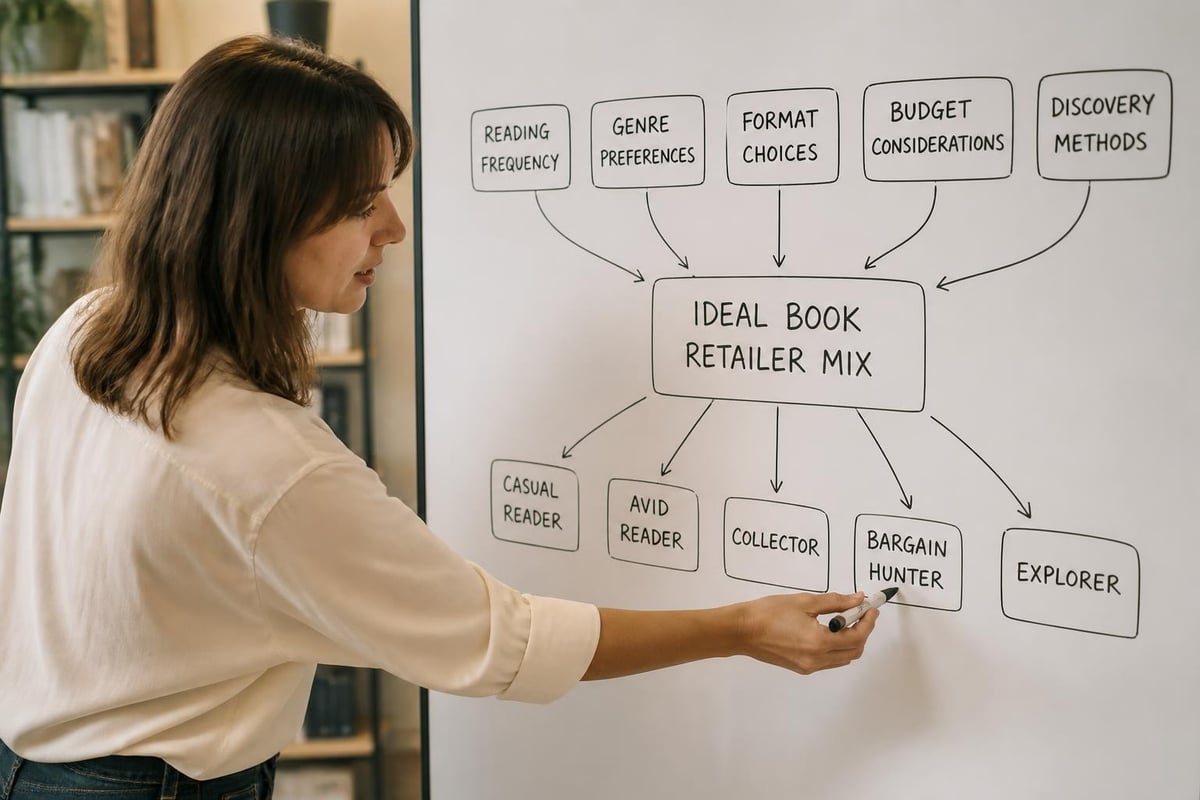
Reading frequency dramatically influences which retail model provides best value. Daily readers benefit from subscription services or extensive digital libraries, while occasional readers prefer pay-per-title models without ongoing commitments.
Genre preferences matter when evaluating specialized versus general retailers. Readers with narrow interests often find specialized platforms provide superior depth and knowledgeable recommendations, while eclectic readers need broad general-interest catalogs.
Creating a Sustainable Reading Habit
The best bookstore supports rather than hinders sustainable reading habits. Look for platforms that:
- Provide realistic recommendations matching your available reading time
- Offer varied formats accommodating different contexts
- Enable easy access without excessive friction or technical barriers
- Support progress tracking and goal setting
- Facilitate discovery without overwhelming choice paralysis
Sustainability also means financial sustainability. The best bookstore provides pricing structures that fit your budget while ensuring you feel good about supporting authors and the broader literary ecosystem.
Explore curated collections to see how organized categories help readers navigate extensive catalogs efficiently.
Getting Started With Digital Book Platforms
Transitioning to digital reading or trying new book retail platforms can feel overwhelming initially. The best book retail platform makes onboarding straightforward through clear guidance and intuitive interfaces.
Start by:
- Identifying your primary devices for reading (smartphone, tablet, e-reader, computer)
- Downloading necessary apps and familiarizing yourself with basic features
- Browsing familiar genres to understand navigation and discovery tools
- Sampling free or discounted titles before committing to full-price purchases
- Exploring recommendation features to assess curation quality
- Testing reading customization to find comfortable settings
Most platforms offer free trial periods for subscription services, allowing risk-free evaluation. Use these trials actively, reading multiple titles to genuinely assess whether the platform matches your needs.
Technical support quality separates great platforms from frustrating ones. The best book retail platform provides accessible customer service through multiple channels, helping readers resolve issues quickly without abandoning their reading sessions.
Maximizing Your Digital Reading Investment
Once you've selected primary platforms, optimize your experience through:
- Customizing notification settings to avoid distraction while maintaining awareness of new releases
- Building organized collections or shelves grouping related titles
- Setting reading goals that motivate without creating pressure
- Participating in community features to enhance discovery
- Providing thoughtful reviews helping fellow readers
- Exploring advanced features like notes, highlights, and sharing capabilities
Digital reading offers capabilities impossible with physical books, including searchable text, instant definitions, and cross-device access. The best retail platforms help readers discover and utilize these advantages fully.
The best books store combines comprehensive selection, user-friendly access, fair pricing, and strong community features that enhance rather than complicate your reading life. Whether you prefer the tactile experience of independent bookshops or the instant access of digital platforms, understanding what distinguishes exceptional retailers helps you make informed choices that support your reading goals. Tell eBook provides the extensive e-book and audiobook selection modern readers need, with organized categories spanning fiction, business, comics, and biographies, ensuring you'll always find your next great read.