

The digital reading landscape has fundamentally transformed how millions of people access and consume books. At the center of this revolution stands Amazon’s massive digital marketplace, which has become synonymous with ebook purchasing for countless readers worldwide. Whether you’re a voracious reader seeking your next page-turner or someone exploring digital alternatives to physical books, understanding how this ecosystem operates can help you make informed decisions about where and how to build your digital library. This comprehensive guide examines the store’s structure, offerings, and impact on modern reading habits.
Understanding the Platform’s Structure and Offerings
The kindle store operates as Amazon’s dedicated digital marketplace for ebooks, audiobooks, and periodicals. Unlike physical bookstores constrained by shelf space, this digital platform hosts millions of titles across every conceivable genre and category.
The marketplace divides its inventory into several key sections:
- Kindle eBooks: The primary catalog of digital books in Amazon’s proprietary format
- Kindle Unlimited: A subscription service offering unlimited access to over one million titles
- Prime Reading: A benefit included with Amazon Prime, providing rotating access to select titles
- Newspapers and magazines: Digital subscriptions delivered directly to Kindle devices
- Audible integration: Seamless audiobook purchasing and Whispersync for Voice functionality
Each category serves different reader needs and purchasing preferences. The platform’s official documentation outlines how these services interact and what readers can expect from each tier.
Pricing Models and Economics
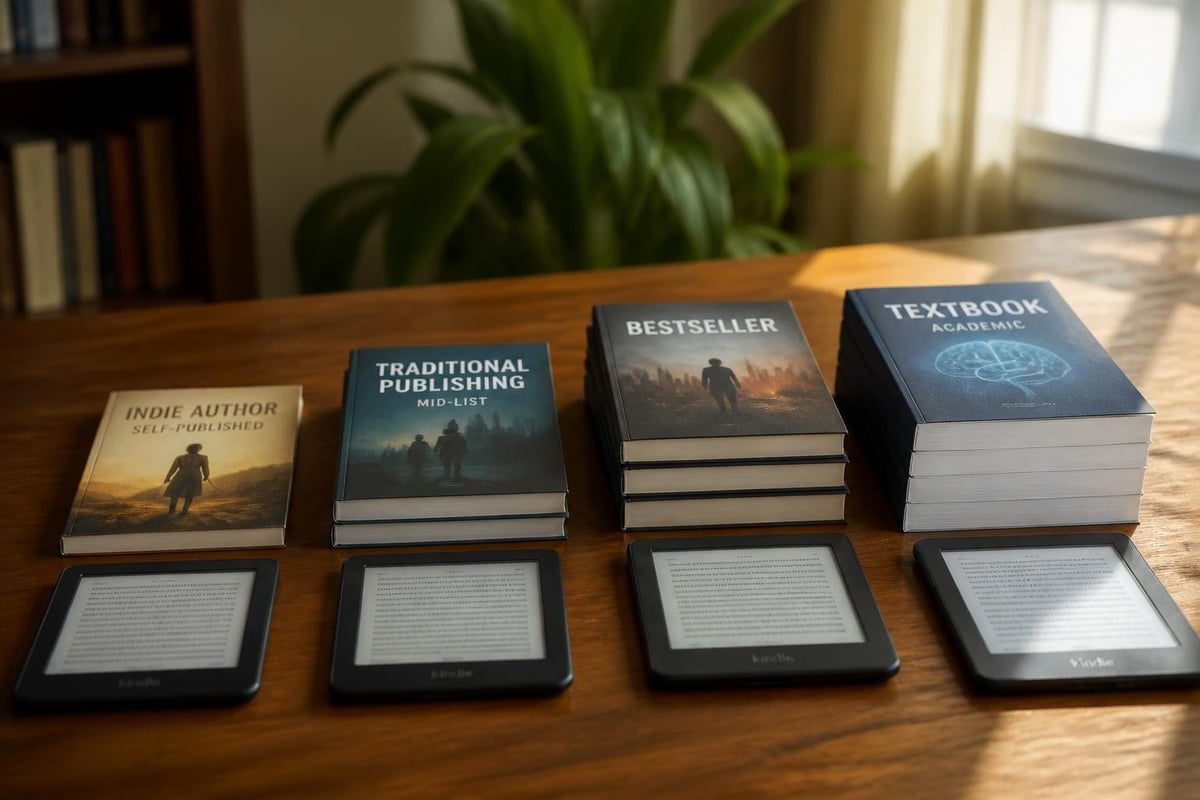
The kindle store employs multiple pricing strategies that affect both readers and publishers. Individual ebook prices typically range from $0.99 to $14.99, with bestsellers often priced between $9.99 and $12.99.
| Pricing Tier | Typical Price Range | Common Content Types |
|---|---|---|
| Indie/Self-Published | $0.99 – $4.99 | Genre fiction, niche nonfiction |
| Mid-List Traditional | $4.99 – $9.99 | Backlist titles, established authors |
| Bestsellers/New Releases | $9.99 – $14.99 | Front-list fiction, major nonfiction |
| Textbooks/Professional | $15.00 – $100.00+ | Academic, technical, medical |
Publishers and authors determine their own pricing through Kindle Direct Publishing (KDP), Amazon’s self-service publishing platform. The royalty structure incentivizes certain price points, with 70% royalties available for titles priced between $2.99 and $9.99, while lower and higher prices receive 35% royalties.
Content Discovery and Algorithmic Curation
Finding books within the kindle store’s vast catalog relies heavily on Amazon’s recommendation algorithms and search functionality. The platform tracks browsing history, purchase behavior, and reading patterns to suggest titles aligned with individual preferences.
The store’s discovery mechanisms include:
- Personalized recommendations based on purchase and reading history
- Curated lists organized by genre, theme, and editorial selection
- Customer reviews and ratings that influence visibility and social proof
- “Customers who bought this also bought” algorithmic suggestions
- Browse categories with detailed subcategories for granular searching
Recent research published on arXiv examined how algorithmic recommendation systems interact with the surge of AI-generated content flooding the platform. The study found that discoverability challenges have intensified as the volume of published titles has exploded, making quality curation increasingly difficult for readers.
The Quality Control Challenge
Content quality within the kindle store has become a contentious issue in 2026. The platform’s low barrier to entry through KDP means virtually anyone can publish, leading to concerns about substandard and algorithmically generated content.
The Authors Guild has documented a significant increase in AI-produced books that dilute catalog quality and make discovery harder for legitimate authors. These concerns echo broader questions about how platforms balance openness with quality control.
For readers seeking curated selections of quality titles, alternative marketplaces like Tell eBook offer hand-picked collections across genres including fiction, business, and biography, providing a more focused browsing experience than navigating massive uncurated catalogs.
Device Compatibility and Format Considerations
The kindle store primarily distributes content in Amazon’s proprietary formats: AZW, AZW3, and KFX. This format strategy locks content to Amazon’s ecosystem, limiting portability to non-Kindle devices and apps.
Format and DRM Implications
Most books purchased through the kindle store include Digital Rights Management (DRM) that prevents copying or sharing. This protection mechanism ties purchases to Amazon accounts and approved devices. In late 2025, Publishers Weekly reported that Amazon announced plans to allow DRM-free downloads in EPUB and PDF formats for select titles, representing a significant shift in the company’s distribution strategy.
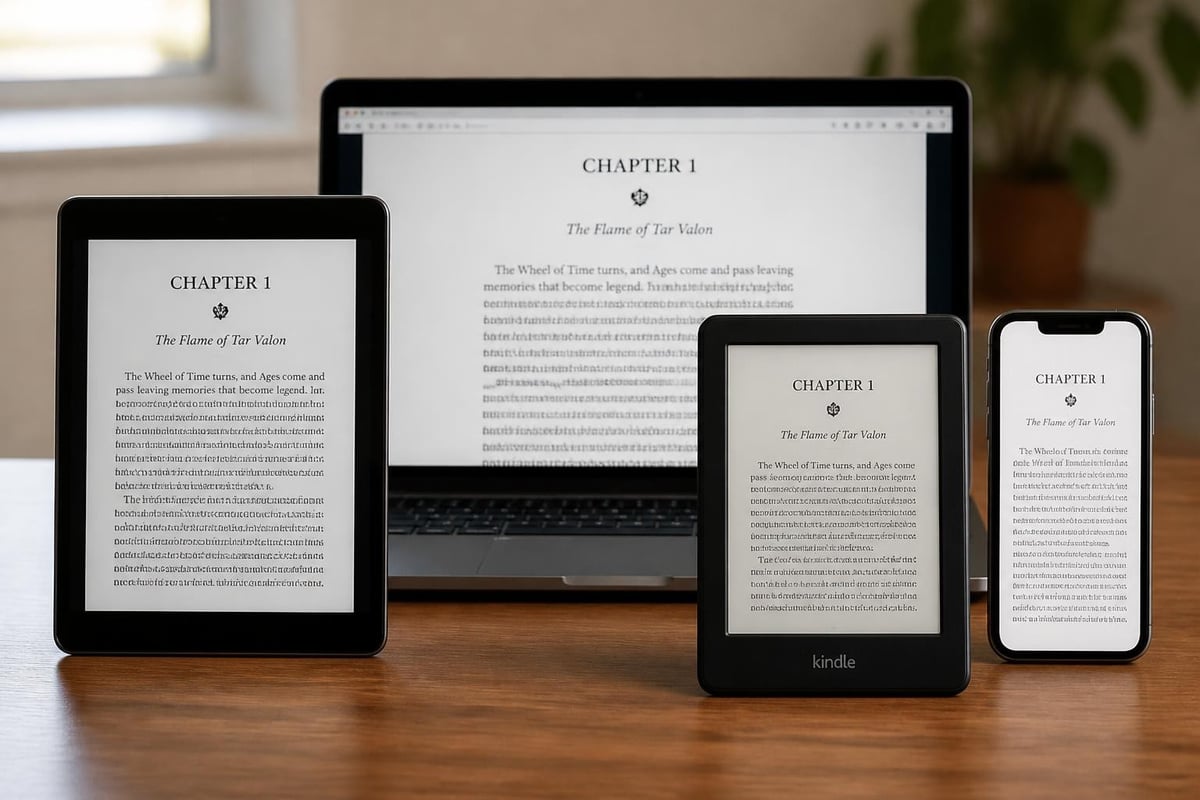
Supported reading platforms include:
- Kindle e-readers (multiple generations and models)
- Kindle mobile apps (iOS, Android)
- Kindle desktop applications (Windows, Mac)
- Web-based Kindle Cloud Reader
- Fire tablets and Fire TV devices
However, device support isn’t indefinite. TechCrunch reported in April 2026 that Amazon ended support for Kindle devices manufactured before 2012, meaning those older e-readers can no longer access the kindle store or download previously purchased content. This lifecycle limitation raises important questions about long-term access to digital libraries.
Readers concerned about vendor lock-in often explore alternatives to Amazon’s ecosystem or compare devices like Kobo versus Kindle to understand the trade-offs between different platforms.
Publishing and Author Economics
The kindle store revolutionized publishing by enabling direct author-to-reader distribution through KDP. This democratization lowered barriers but also created an intensely competitive marketplace where discoverability determines success.
Self-Publishing Dynamics
Authors can publish within hours of uploading their manuscript, choosing between exclusive enrollment in Kindle Select (which includes Kindle Unlimited) or wide distribution across multiple platforms. The exclusivity decision involves significant trade-offs:
| Factor | Kindle Exclusive | Wide Distribution |
|---|---|---|
| KDP Select Benefits | Yes (borrows, promotional tools) | No |
| Kindle Unlimited Inclusion | Yes | No |
| 70% Royalty Availability | Yes (with restrictions) | Yes (non-Amazon stores) |
| Other Platform Sales | Prohibited | Allowed |
| Reader Reach | Kindle ecosystem only | Multiple stores and readers |
Many self-published authors report that Kindle Unlimited borrows now constitute 50-70% of their income, creating heavy dependence on the kindle store’s subscription program. This concentration of earning potential in a single platform raises sustainability concerns when algorithm changes or policy updates can dramatically impact author income.
The official KDP resources provide comprehensive guidance on formatting, metadata optimization, and marketing tools available to self-published authors navigating the platform.
Market Position and Reading Trends
Understanding the kindle store requires context about broader ebook market dynamics. Statista’s comprehensive ebook data shows the U.S. ebook market generated approximately $15.7 billion in revenue in 2025, with Amazon commanding an estimated 67-75% market share across ebook retail.
Consumer Reading Preferences
Despite ebook availability, print remains dominant for many readers. A Pew Research Center study from April 2026 found that 65% of American adults read at least one print book in the previous year, compared to 29% who read ebooks and 23% who listened to audiobooks. These figures suggest that the kindle store serves a substantial but minority segment of the overall reading population.
Key demographic patterns include:
- Younger readers (18-29) show higher ebook adoption rates than older cohorts
- Income correlates positively with ebook purchasing and device ownership
- Urban readers utilize digital formats more frequently than rural readers
- Genre preferences vary significantly between print and digital consumers
These trends inform how the kindle store structures its offerings and which categories receive promotional emphasis. Romance, mystery, and science fiction consistently outperform literary fiction in digital sales, reflecting genre readers’ higher comfort with digital formats.
Library Integration and Lending
An often overlooked aspect of the kindle store involves its integration with public library systems. Through partnerships with OverDrive and Libby, libraries can lend Kindle-compatible ebooks to patrons who then access them through the kindle store infrastructure.
The technical documentation from OverDrive explains how library ebooks are fulfilled through Amazon’s delivery system, creating a hybrid model where patrons borrow from their library but receive books through the kindle store’s distribution network. This arrangement benefits Amazon by increasing ecosystem engagement while providing libraries with broader format compatibility.

For readers building digital libraries, combining library borrowing with strategic purchases from platforms offering psychological thriller ebook deals or fantasy ebook deals creates an economical approach to maintaining a diverse reading queue without exclusively relying on the kindle store.
Legal and Copyright Considerations
Digital book distribution involves complex copyright and licensing frameworks that differ fundamentally from physical book ownership. When readers “purchase” from the kindle store, they’re technically licensing content rather than buying it outright.
The U.S. Copyright Office FAQ on digital files clarifies that ebook transactions grant specific usage rights rather than ownership, meaning Amazon retains the ability to revoke access under certain circumstances. High-profile cases where Amazon remotely deleted purchased books from user devices have highlighted these limitations.
Terms of Service Implications
The kindle store’s terms govern what readers can and cannot do with purchased content:
- No sharing or lending to others (except through Amazon’s limited Family Library feature)
- No format conversion or DRM removal (violates terms regardless of legal format-shifting arguments)
- No resale or transfer of digital licenses
- Platform access contingent on maintaining Amazon account in good standing
- Geographic restrictions based on publishing rights territories
These restrictions create a fundamentally different relationship between readers and books compared to physical ownership, where purchasers enjoy first-sale doctrine protections that allow lending, resale, and gifting without restriction.
Subscription Models and Value Propositions
The kindle store offers multiple subscription tiers that change the economic calculus for frequent readers. Kindle Unlimited, priced at $11.99 monthly in 2026, provides unlimited reading from a catalog of over one million titles plus audiobook access for select books.
Value analysis depends on reading volume:
- Reading 2-3 books monthly typically breaks even versus individual purchases
- Genre readers in romance, mystery, or science fiction find stronger catalog depth
- Literary fiction and recent bestsellers often excluded from subscription catalog
- Audiobook inclusion adds value for multiformat consumers
Prime Reading, included with Amazon Prime membership ($14.99/month or $139/year), offers a smaller rotating catalog that appeals to occasional readers who want digital access without committing to a dedicated ebook subscription.
For readers who prefer ownership over rental access, purchasing individual titles from curated retailers remains attractive. Discovering titles like *Artificial Condition* by Martha Wells or *Live Like a Hot Chick* through specialized ebook stores ensures permanent access without monthly subscription costs.
International Availability and Regional Variations
The kindle store operates in dozens of countries, but content availability varies significantly by region due to publishing rights territories. A book available in the U.S. kindle store may be absent or differently priced in Canada, the UK, or Australia.
Regional Pricing Disparities
Currency conversion doesn’t fully explain international price differences. Publishers set region-specific pricing, and the kindle store maintains separate storefronts for each market. Canadian readers often find better pricing when purchasing Kindle books from Canadian retailers rather than defaulting to the U.S. store.
The geographic fragmentation of digital rights creates friction for readers who travel internationally or maintain residences in multiple countries, as their kindle store account locks them to a single regional marketplace.
Content Categories and Genre Performance
The kindle store’s breadth encompasses virtually every subject imaginable, but certain categories drive disproportionate sales volume and reader engagement.
Top-Performing Categories
- Romance: Consistently the highest-earning category, with contemporary, paranormal, and historical subgenres leading
- Mystery/Thriller: Strong digital adoption among genre enthusiasts
- Science Fiction/Fantasy: Early ebook adopters, high Kindle Unlimited engagement
- Self-Help/Business: Professional readers value digital accessibility and searchability
- Biography/Memoir: Growing digital sales, particularly for celebrity and political figures
Niche categories like art and architecture or specialized business topics perform better in physical formats where image quality and browsing experience matter more than portability.
Privacy and Data Collection
Purchasing and reading through the kindle store generates extensive data that Amazon collects and analyzes. Reading speed, highlighting patterns, page-turning behavior, and abandonment points all feed into Amazon’s analytics systems.
Data collected includes:
- Which books you purchase and download
- Reading progress and completion rates
- Highlighting and note-taking patterns
- Time spent on each page
- Dictionary lookups and word searches
- Sharing behavior and social annotations
This granular behavioral data informs recommendation algorithms but also raises privacy concerns for readers uncomfortable with detailed tracking of their reading habits and intellectual interests.
The Changing Landscape of Digital Reading
The kindle store continues evolving as reading habits shift and technology advances. Voice integration through Alexa, enhanced typography, and improved annotation tools represent ongoing platform refinement.
However, challenges persist. The flood of low-quality content, DRM restrictions, device obsolescence, and market concentration create ongoing friction between the platform’s convenience and readers’ long-term interests. Understanding these dynamics helps readers make informed choices about where to build their digital libraries and how much to invest in any single ecosystem.
The future of the kindle store likely involves deeper AI integration for discovery, expanded subscription models, and continued tension between openness and quality control as self-publishing volumes grow exponentially.
Building a digital library requires balancing convenience, price, and long-term access across multiple platforms and formats. While the Kindle Store dominates digital book retail through its massive selection and seamless device integration, readers benefit from exploring complementary sources that offer curated selections and competitive pricing. Tell eBook provides carefully selected ebooks and audiobooks across fiction, business, biography, and other categories, giving readers quality alternatives for discovering their next great read without sacrificing convenience or variety.