

The decision to novels buy has evolved dramatically over the past decade, transforming from simple bookstore visits to a sophisticated digital ecosystem. Modern readers face exciting choices when building their libraries, navigating between ebooks, audiobooks, print editions, and subscription services. Understanding how to effectively purchase novels in 2026 requires knowledge of platform differences, pricing strategies, format considerations, and reading preferences. This comprehensive guide explores the essential factors that influence successful novel purchases, helping you make informed decisions that enhance your reading experience while maximizing value for your investment.
Understanding Novel Formats and Their Impact on Purchase Decisions
When you novels buy today, the format selection process significantly affects both your immediate reading experience and long-term library management. Ebooks offer portability and convenience, allowing thousands of titles to reside on a single device. Audiobooks provide hands-free enjoyment during commutes or workouts, transforming downtime into productive reading hours. Print editions deliver tactile satisfaction and collectible value that digital formats cannot replicate.
Ebook Advantages for Modern Readers
Digital novels present compelling benefits that align with contemporary lifestyles. Instant delivery eliminates shipping delays, enabling readers to start new titles within seconds of purchase. Adjustable font sizes accommodate visual preferences and accessibility needs, while built-in dictionaries enhance vocabulary development without interrupting narrative flow.
Storage efficiency represents another critical advantage. A single tablet or e-reader can hold entire series, reference materials, and personal favorites without occupying physical space. For frequent travelers or readers with limited shelf space, this compression capability proves invaluable.
Key ebook benefits include:
- Immediate access after purchase completion
- Searchable text for research and reference
- Adjustable brightness for comfortable reading in various lighting conditions
- Annotation and highlighting capabilities synchronized across devices
- Lower environmental impact compared to printed editions

Audiobook Considerations for Busy Lifestyles
The audiobook market has experienced explosive growth, with narration quality reaching unprecedented levels. Professional voice actors bring characters to life through distinct voices and emotional delivery, creating immersive experiences that rival theatrical performances. When you novels buy in audio format, narrator selection becomes as important as the story itself.
Performance speed controls allow customization of listening pace, accommodating both leisurely enjoyment and efficient consumption. Many platforms offer 1.25x to 2x speed options without significant audio degradation, enabling listeners to complete novels faster while maintaining comprehension.
| Format Type | Average Price | Completion Time | Best For |
|---|---|---|---|
| Ebook | $8-15 | 6-10 hours | Focused reading sessions |
| Audiobook | $15-30 | 8-12 hours | Multitasking activities |
| Print Hardcover | $20-35 | 8-12 hours | Collectors and gift-givers |
| Print Paperback | $10-18 | 8-12 hours | Budget-conscious readers |
Evaluating Where to Purchase Novels in 2026
Platform selection profoundly influences the value proposition when you novels buy for your digital library. Major retailers offer different advantages regarding pricing, selection depth, device compatibility, and additional features. Understanding these distinctions helps optimize both immediate purchases and long-term reading strategies.
Tell eBook provides diverse categories spanning fiction, business, comics, and biographies, allowing readers to explore multiple genres through a single trusted platform. This consolidation simplifies library management while ensuring access to curated selections across interest areas.
Major Retailer Comparison
Established platforms dominate the digital novel marketplace, each presenting unique value propositions. Barnes & Noble combines extensive ebook catalogs with physical retail presence, offering hybrid shopping experiences that blend online convenience with in-store browsing. Their loyalty programs frequently provide exclusive discounts and early access to new releases.
Alternative retailers beyond mainstream giants offer competitive advantages worth exploring. Tom’s Guide highlights various online book retailers that provide specialized selections, competitive pricing, and unique discovery features. These platforms often cater to niche interests or emphasize independent authors, expanding readers' exposure to diverse voices.
Platform evaluation criteria:
- Device ecosystem compatibility and app quality
- DRM policies affecting library portability
- Pricing consistency and promotional frequency
- Customer service responsiveness and return policies
- Recommendation algorithms and discovery features
Specialized Platforms for Genre Enthusiasts
Genre-focused retailers cultivate curated selections that mainstream platforms struggle to match. Mystery, romance, science fiction, and literary fiction communities benefit from specialized vendors who understand subgenre distinctions and reader preferences. These platforms employ staff with deep genre knowledge, resulting in superior recommendation systems and editorial content.
When you novels buy through specialized retailers, you gain access to exclusive editions, author interviews, and community features that enhance the reading experience beyond simple content consumption. Many genre platforms host virtual book clubs, author events, and reader forums that build connections among enthusiasts.
Pricing Strategies and Value Optimization
Understanding novel pricing dynamics enables strategic purchasing that maximizes library value without compromising quality. Digital novels exhibit significant price variations based on release timing, publisher strategies, promotional campaigns, and format selection. Savvy readers develop purchasing patterns that capitalize on these fluctuations while maintaining steady reading pipelines.

Release Window Pricing Patterns
Newly released novels command premium prices during their initial launch periods, typically lasting three to six months. Publishers justify higher ebook prices through parity arguments with hardcover editions, though production costs differ substantially. Patient readers can save 40-60% by waiting for price reductions that inevitably follow initial release windows.
Pre-order strategies occasionally offer savings through promotional pricing designed to generate launch momentum. Some publishers discount pre-orders to build early buzz, while others maintain full pricing until after official release dates. Monitoring pre-order prices against historical patterns helps identify genuine opportunities versus standard pricing.
Subscription Service Economics
Monthly subscription models present compelling value propositions for voracious readers who complete multiple novels monthly. Services offering unlimited access to catalog titles eliminate per-book purchase decisions, encouraging experimental reading across unfamiliar genres and authors. The break-even threshold typically ranges from two to four novels monthly, depending on subscription cost and typical purchase prices.
Subscription considerations:
- Catalog depth in preferred genres and series availability
- Simultaneous access limits across devices and family members
- Offline download capabilities for reading without connectivity
- Title rotation policies affecting long-term availability
- Integration with existing digital libraries and reading apps
Limited-time promotions frequently reduce subscription costs during holiday periods or service anniversaries. New subscribers often receive extended trial periods or discounted initial months, providing opportunities to evaluate service fit before committing to ongoing expenses.
Building a Strategic Novel Acquisition Plan
Successful novel purchasing requires systematic approaches that balance immediate reading desires with long-term library building. Understanding what constitutes a novel helps readers make informed decisions about which titles merit purchase versus library borrowing or subscription access. Strategic readers develop acquisition frameworks aligned with personal goals, budget constraints, and reading velocity.
Prioritization Framework Development
Effective prioritization separates essential purchases from negotiable acquisitions. Favorite authors and ongoing series often warrant immediate purchase regardless of pricing, ensuring continuation of beloved narratives without delay. New releases from trusted creators deliver predictable satisfaction that justifies premium pricing.
Exploratory titles from unfamiliar authors benefit from risk mitigation strategies. Sample chapters, reviews from trusted sources, and recommendation algorithms help assess purchase worthiness before committing resources. Many platforms offer generous sampling, allowing readers to evaluate writing style, pacing, and narrative voice before purchase completion.
- Immediate Purchase Category: Favorite authors, series continuations, highly anticipated releases
- Wishlist Monitoring Category: Interesting titles awaiting price reductions or promotional windows
- Sample Evaluation Category: Unfamiliar authors requiring preview assessment before commitment
- Subscription Access Category: Backlist titles available through existing service memberships
- Library Request Category: Titles available through public library digital collections
Budget Allocation Methods
Monthly reading budgets create sustainable purchasing patterns that prevent overspending while maintaining steady content pipelines. Allocating specific amounts to novel purchases encourages thoughtful selection and reduces impulse buying that often results in unread titles accumulating in digital libraries.
| Budget Level | Monthly Allocation | Typical Acquisition | Reading Pace |
|---|---|---|---|
| Light Reader | $15-25 | 1-2 novels | 2-4 books/month |
| Moderate Reader | $30-50 | 3-5 novels | 5-8 books/month |
| Avid Reader | $60-100 | 6-10 novels | 10+ books/month |
| Professional Reader | $100+ | 10+ novels | 15+ books/month |
Maximizing Novel Discovery and Selection Quality
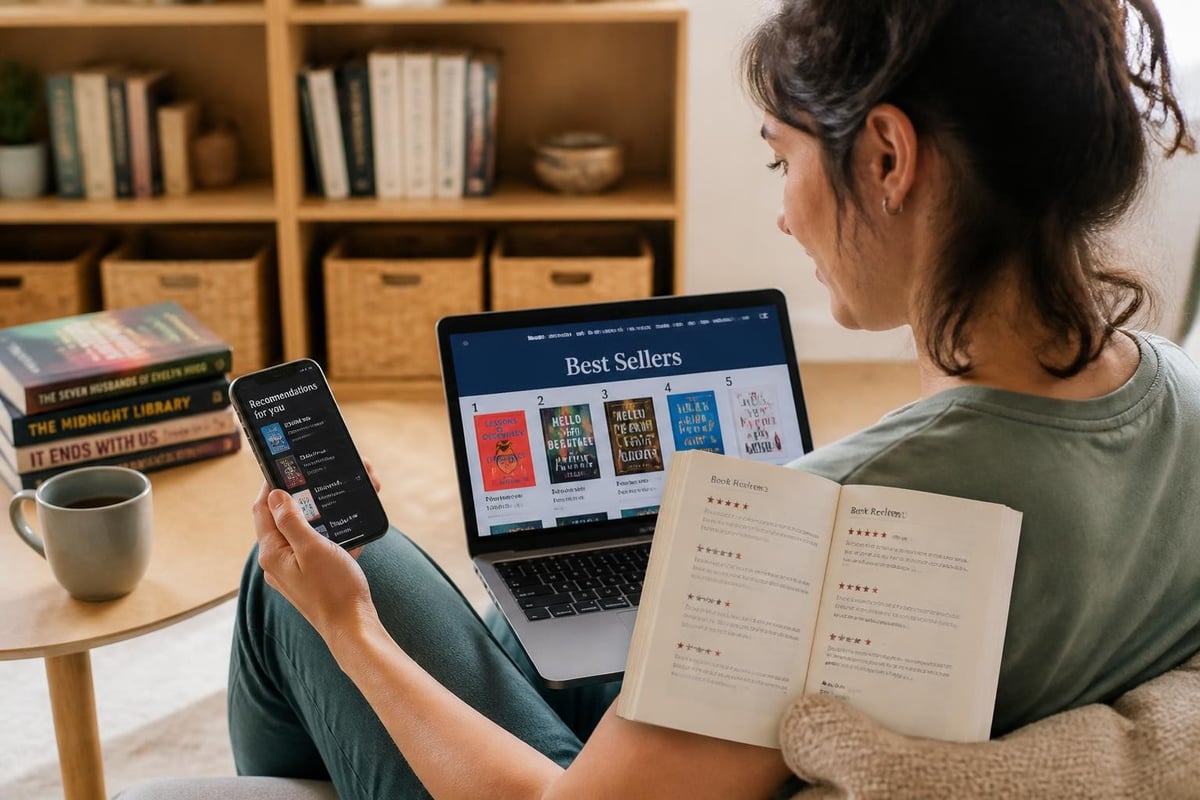
When you novels buy based on informed discovery rather than random browsing, reading satisfaction increases substantially. Modern platforms provide sophisticated recommendation systems, editorial curation, and community-driven ratings that surface quality titles aligned with individual preferences. Leveraging these tools effectively requires understanding their strengths and limitations.
Algorithm-Driven Recommendations
Machine learning systems analyze purchase history, reading completion rates, rating patterns, and browsing behavior to suggest relevant titles. These algorithms excel at identifying similar works within established preferences but often struggle with serendipitous discovery outside comfortable patterns. Readers benefit from periodically challenging recommendation boundaries through deliberate exploration beyond suggested titles.
Comprehensive book selection guides provide structured approaches to evaluating novels against personal goals and interests. These frameworks help readers articulate preferences, identify gaps in current reading patterns, and systematically explore new territories.
Discovery enhancement strategies:
- Follow trusted book reviewers across multiple platforms and genres
- Participate in online reading communities and book clubs
- Explore award winner lists and literary prize nominations
- Sample debut authors through promotional pricing and free chapters
- Track favorite authors' recommendations and endorsements
Editorial Curation and Expert Recommendations
Platform editorial teams curate thematic collections, seasonal recommendations, and hidden gem promotions that highlight quality titles beyond bestseller lists. These human-curated selections provide context, background, and comparative analysis that algorithms cannot replicate. Editorial content often includes author interviews, reading guides, and discussion questions that enrich the reading experience.
Genre specialists within editorial teams bring expertise that elevates recommendation quality for dedicated enthusiasts. Mystery editors understand subgenre distinctions between cozy mysteries and police procedurals, while romance specialists navigate the complex taxonomy of contemporary, historical, and paranormal categories.
Managing Digital Novel Libraries Effectively
After you novels buy and build substantial digital collections, library management becomes essential for maximizing reading enjoyment and content accessibility. Organizational systems, metadata accuracy, and cross-platform synchronization determine how easily readers locate desired titles and track reading progress across expanding libraries.
Organization Best Practices
Custom collections and shelf systems allow readers to group novels by genre, reading status, series membership, or thematic connections. Creating "to-read," "currently reading," and "completed" categories provides simple progress tracking, while more sophisticated taxonomies enable precise filtering based on mood, setting, or subject matter.
Series management presents particular challenges when volumes release across years or decades. Dedicated series tracking ensures proper reading order and prevents accidental spoilers from out-of-sequence consumption. Many platforms offer series grouping features, though manual verification remains advisable for complex publishing histories.
Cross-Platform Considerations
Readers often maintain libraries across multiple platforms due to exclusive content, format preferences, or historical purchasing patterns. Managing fragmented collections requires systematic tracking to prevent duplicate purchases and ensure awareness of owned content. Spreadsheet logs, dedicated apps, or manual lists help consolidate ownership records across dispersed platforms.
Cloud synchronization enables reading progress continuation across devices, though implementation quality varies significantly between platforms. Testing synchronization reliability before assuming seamless transitions prevents frustration from lost bookmarks or disappeared annotations.
Understanding Novel Word Counts and Reading Time
Purchase decisions benefit from understanding novel length expectations across genres and categories. Standard word count ranges for fiction formats help readers set appropriate time expectations and evaluate value propositions based on content volume. Novella-length works demand different pricing considerations than epic fantasy series entries exceeding 200,000 words.
Genre conventions establish typical length expectations that influence reader satisfaction. Romance novels traditionally range from 70,000 to 100,000 words, while epic fantasy entries frequently exceed 120,000 words. Readers accustomed to specific genre conventions may find unusual lengths either refreshing or disappointing, depending on execution quality.
Typical novel length categories:
- Flash fiction: Under 1,000 words
- Short story: 1,000-7,500 words
- Novelette: 7,500-20,000 words
- Novella: 20,000-50,000 words
- Novel: 50,000-110,000 words
- Epic novel: 110,000+ words
Reading velocity varies substantially between individuals and changes based on genre complexity, writing density, and engagement level. Average reading speeds range from 200 to 400 words per minute, translating to roughly one hour per 25,000 words for typical readers. These estimates help plan reading schedules and evaluate whether ambitious series commitments align with available time.
Exploring Diverse Novel Purchasing Platforms
The landscape where you novels buy continues expanding with specialized platforms addressing specific reader needs and preferences. Reviews of top book-buying websites highlight emerging competitors and established players, offering comparative insights into selection breadth, pricing competitiveness, and user experience quality.
Independent bookstore platforms combine curated selections with community values, directing portions of purchase revenue toward local literary ecosystems. These platforms often emphasize diverse voices, independent publishers, and debut authors who struggle for visibility on algorithm-driven mainstream sites.
Genre-specific retailers cultivate deep catalogs within particular categories, often surpassing general retailers in obscure title availability and backlist depth. Science fiction specialists, romance boutiques, and mystery-focused vendors develop expertise that enhances recommendation quality and editorial content relevance.
Comprehensive listings of book purchasing platforms demonstrate the breadth of options available to contemporary readers. Exploring beyond familiar retailers occasionally reveals superior value propositions, exclusive content, or community features that enhance overall reading experiences.
Readers can explore diverse selections across multiple categories at Tell eBook’s shop, where curated collections span fiction, business, and specialized interests. This variety enables discovery across genres while maintaining centralized library management through a single trusted platform.
Evaluating Novel Quality Before Purchase
Risk mitigation strategies reduce disappointment rates and improve overall reading satisfaction. Preview features, sample chapters, and "look inside" functions provide direct exposure to writing quality, narrative voice, and stylistic choices before purchase commitment. Dedicating time to sample evaluation prevents wasted resources on incompatible titles.
Professional reviews from established publications offer critical analysis that highlights strengths, weaknesses, and comparative context within genre traditions. These reviews typically avoid spoilers while providing sufficient detail for informed decision-making. Aggregating perspectives from multiple professional reviewers creates balanced impressions that individual reviews cannot provide.
Reader reviews present grassroots perspectives from actual consumers, though quality and reliability vary dramatically. High-volume review platforms accumulate sufficient data points for pattern recognition, where consistent praise or criticism across hundreds of reviews signals genuine quality indicators. Single reviews, even detailed ones, represent individual preferences that may not align with broader reader populations.
Quality evaluation checklist:
- Read sample chapters to assess writing style compatibility
- Review professional critical assessments from trusted publications
- Analyze reader review patterns across high-volume platforms
- Investigate author credentials and previous work reception
- Compare similar titles within genre for relative quality assessment
Author reputation and track record provide predictive indicators for quality expectations. Established authors with consistent output demonstrate reliability, though creative evolution occasionally produces works that diverge from previous patterns. Debut authors carry higher uncertainty but offer fresh perspectives and innovative approaches that established voices sometimes sacrifice for commercial safety.
Strategic novel purchasing in 2026 combines platform knowledge, format selection expertise, pricing awareness, and quality evaluation skills that collectively maximize reading satisfaction while optimizing value. Whether you prefer ebooks for their convenience, audiobooks for multitasking flexibility, or curated collections across diverse genres, understanding the modern purchasing landscape enables informed decisions aligned with personal preferences and budget constraints. Tell eBook offers readers a comprehensive platform featuring diverse categories from fiction to biographies, providing convenient access to quality digital content that enriches your reading journey across all interests and occasions.