

Finding the best ebook for your needs involves more than simply selecting a popular title. Today's digital reading landscape offers unprecedented choice, from format specifications to accessibility features, metadata standards, and discovery mechanisms that directly impact your reading experience. Whether you're building a personal library, researching for academic purposes, or seeking entertainment across genres, understanding what makes an ebook truly excellent helps you make informed decisions that enhance both immediate enjoyment and long-term value.
Understanding eBook Quality Fundamentals
The best ebook combines technical excellence with compelling content. Quality begins at the file level, where proper formatting, clean metadata, and adherence to industry standards create seamless reading experiences across devices. Publishers and platforms that prioritize metadata best practices ensure readers can discover, purchase, and enjoy digital content without technical frustrations.
Technical Standards That Matter
Modern ebook quality relies on several interconnected standards. The EPUB format has become the industry benchmark, offering reflowable text that adapts to different screen sizes and user preferences. Fixed-layout EPUBs serve specialized needs for illustrated works, textbooks, and graphic-heavy publications, though they present unique accessibility challenges.
Key technical indicators of a quality ebook include:
- Clean HTML/CSS structure without formatting errors
- Properly embedded fonts that display consistently
- Functional table of contents with accurate links
- High-resolution cover images that scale appropriately
- Valid metadata following ONIX standards
- Logical reading order for accessibility
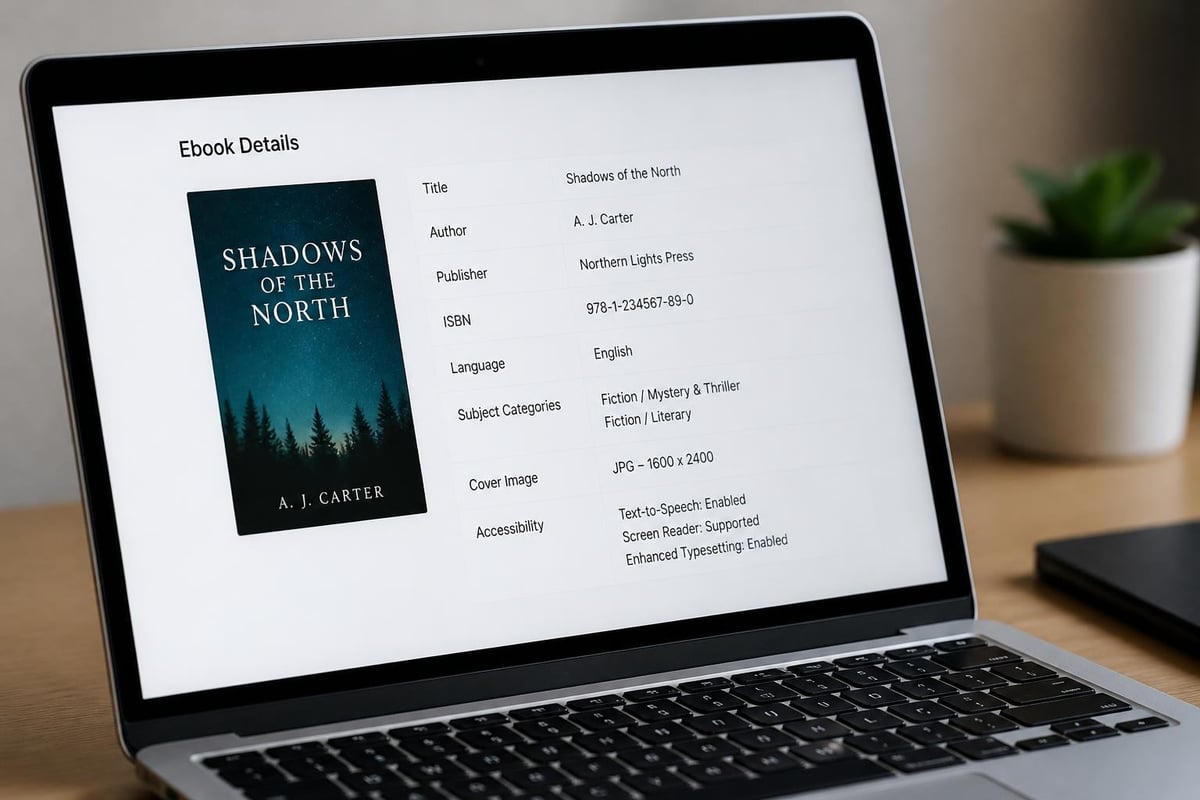
The NISO recommended practice for ebook bibliographic metadata establishes comprehensive guidelines that publishers should follow across the entire supply chain, from creation through preservation. These standards ensure that when you purchase an ebook, it includes essential information about authorship, publication details, subject classifications, and technical specifications.
Accessibility Features Define Modern Excellence
An accessible ebook serves readers of all abilities, and accessibility has become a defining characteristic of the best ebook offerings in 2026. The W3C accessibility requirements for EPUB publications provide authoritative guidance that forward-thinking publishers implement to ensure inclusive reading experiences.
Critical Accessibility Components
Accessibility extends beyond mere compliance to fundamentally improve usability for everyone. Screen reader compatibility, adjustable text sizing, alternative text for images, and semantic markup create better experiences for readers with visual, cognitive, or physical disabilities while simultaneously benefiting all users.
| Accessibility Feature | Benefit to All Readers | Special Benefit |
|---|---|---|
| Semantic HTML structure | Improved navigation and search | Essential for screen reader users |
| Alternative text descriptions | Context when images fail to load | Critical for visually impaired readers |
| Adjustable typography | Customization for comfort | Required for readers with dyslexia or low vision |
| Logical reading order | Predictable content flow | Necessary for non-visual navigation |
| Keyboard navigation | Faster browsing without mouse | Essential for motor impairment |
Publishers creating fixed-layout ebooks face additional accessibility considerations. The W3C guidance on fixed-layout EPUB accessibility addresses these specialized challenges, helping ensure that illustrated books, children's books, and graphic novels remain accessible despite their visual complexity.
Content Discovery and Metadata Quality
Finding the best ebook depends heavily on metadata quality. Poor metadata creates invisible books that never reach their intended audience, while comprehensive, accurate metadata connects readers with content that matches their interests and needs. EDRLab’s Qualebook standards outline core metadata requirements including title, author, publisher, cover image, language, and source information.
How Metadata Shapes Your Reading Options
Effective metadata includes far more than basic bibliographic information. Subject classifications using BISAC codes or Thema qualifiers enable precise genre browsing. Contributor roles distinguish authors from illustrators, editors, and translators. Series information helps readers find related titles in correct reading order.
Essential metadata categories for ebook discovery:
- Descriptive metadata – Title, subtitle, author, contributors, series information, edition
- Subject metadata – Genre codes, keywords, audience level, content warnings
- Technical metadata – Format, file size, DRM status, compatible devices, accessibility features
- Rights metadata – Copyright holder, publication territory, licensing terms
- Discovery metadata – Marketing copy, reviews, sample chapters, related titles
When browsing ebook selections, comprehensive metadata allows filtering by precise criteria that match reading preferences. This discovery infrastructure separates exceptional digital bookstores from basic digital file repositories.
Genre-Specific Quality Indicators
The best ebook for fiction differs fundamentally from excellence in non-fiction, technical manuals, or visual works. Each genre presents unique requirements that define quality within its category.
Fiction Excellence Standards
Fiction ebooks benefit from reflowable formats that support immersive reading experiences. Quality indicators include proper paragraph formatting, correctly styled dialogue, chapter breaks that respect narrative structure, and seamless handling of special elements like letters, excerpts, or multi-perspective sections.
Contemporary literary works like Frank Herbert’s Dune Saga demonstrate how classic science fiction translates to digital formats while maintaining the immersive qualities readers expect. Proper formatting preserves the author's intended pacing and emphasis without technical distractions.
Non-Fiction and Reference Materials
Non-fiction ebooks require robust navigation features. Comprehensive tables of contents, functional indexes, working hyperlinks for citations and cross-references, and properly formatted footnotes or endnotes distinguish professional-grade non-fiction from hastily converted documents.
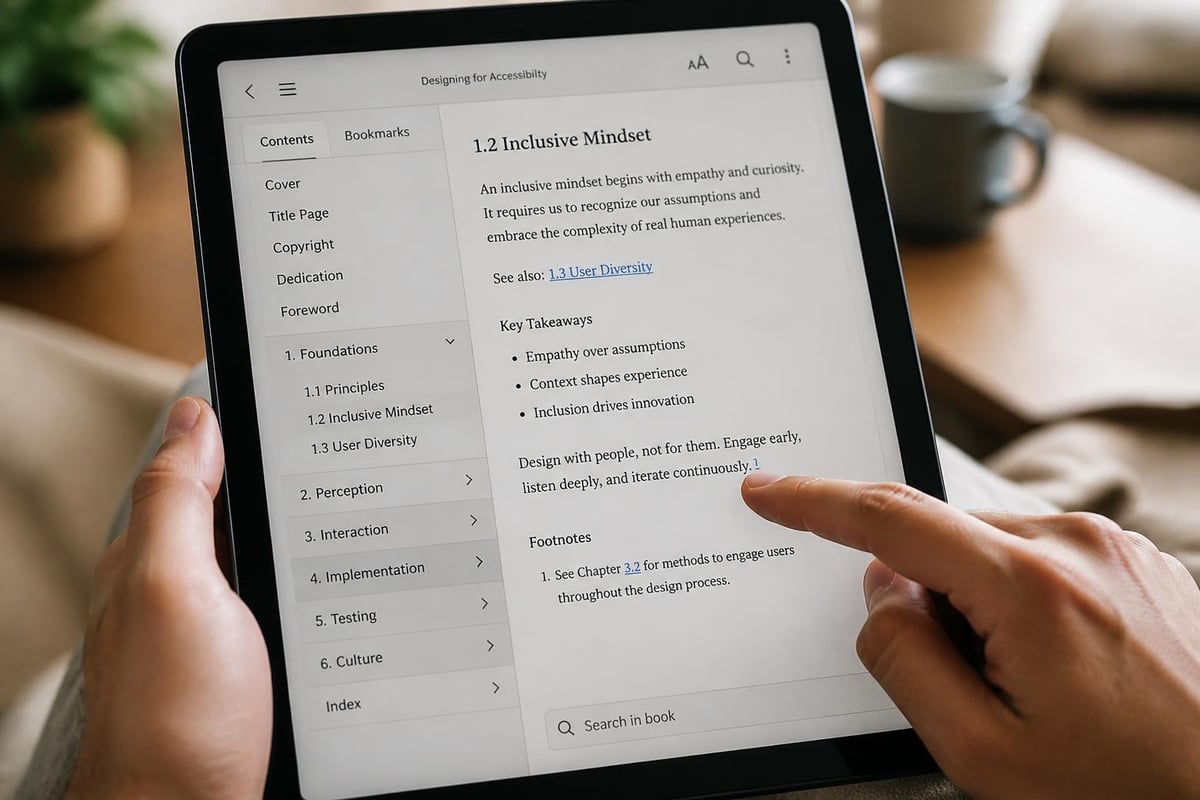
Biography collections benefit from chronological timelines, photo inserts with descriptive captions, and bibliography sections with active links. Titles like Becoming Steve Jobs or Andrew Carnegie biographies showcase how thoughtful digital presentation enhances biographical storytelling through supplementary materials impossible in print editions.
Visual and Illustrated Works
Fixed-layout ebooks serve illustrated content, art books, graphic novels, and children's picture books. Quality in this category requires high-resolution images, careful attention to color accuracy, and zoom functionality that reveals fine details without pixelation.
Art and Biography Hybrid Titles
Art-focused biographies present unique challenges and opportunities. Works exploring artists' lives and works, such as Mikhail Vrubel paintings or Karl Bryullov collections, demonstrate how digital formats enable unprecedented access to high-quality reproductions previously available only in expensive museum catalogs.
Quality indicators for illustrated ebooks:
- Minimum 300 DPI image resolution for full-page illustrations
- Color-managed images maintaining artist's intended palette
- Pan-and-zoom functionality for detail examination
- Image captions with artist, title, date, and medium
- Gallery view options for browsing image sequences
- Download options for personal study or reference
Pricing, Value, and Access Models
The best ebook delivers value proportional to its price point. Digital books eliminate printing and distribution costs, enabling competitive pricing while maintaining author and publisher revenue. Smart readers compare pricing across platforms while considering factors like DRM restrictions, lending rights, and long-term access guarantees.
Understanding Digital Pricing Dynamics
Ebook pricing varies significantly based on publication date, popularity, publisher policies, and platform-specific promotions. Recent releases from major publishers often maintain price parity with hardcover editions, while backlist titles and independent publications frequently offer substantial discounts. Some platforms, including retailers offering discount ebooks, provide bestselling titles at lower prices than major retailers with instant EPUB and PDF downloads.
| Purchase Model | Advantages | Considerations |
|---|---|---|
| Direct purchase | Permanent ownership, multiple format options | Higher initial cost, limited sharing |
| Subscription access | Unlimited reading for fixed monthly fee | No permanent ownership, rotating catalog |
| Library lending | Free access, supports public institutions | Limited availability, time restrictions |
| DRM-free purchases | Cross-platform flexibility, preservation rights | Fewer mainstream publishers participate |
The American Library Association’s analysis of the digital library ecosystem provides valuable context about ebook lending, licensing models, and how market concentration affects reader access. Understanding these dynamics helps readers make informed decisions about where and how to acquire digital content.
Platform Compatibility and Device Optimization
The best ebook performs flawlessly across your preferred reading devices. Format compatibility, reading app quality, synchronization capabilities, and annotation features vary significantly between platforms, influencing both immediate usability and long-term satisfaction.
Multi-Device Reading Ecosystems
Modern readers move seamlessly between smartphones during commutes, tablets for evening reading, and desktop computers for research and note-taking. Quality ebooks support this mobility through cloud synchronization that preserves reading position, highlights, and notes across devices.
Essential cross-platform features:
- Reading position sync across all devices
- Annotation and highlight preservation
- Adjustable display settings saved per device type
- Offline access after initial download
- Export capabilities for notes and excerpts
- Family sharing or multiple device authorization
Format considerations influence device compatibility. EPUB works across most platforms and apps, while proprietary formats like Amazon's AZW or Apple's iBooks format create vendor lock-in. Savvy readers prioritize DRM-free EPUB or PDF formats that ensure long-term accessibility independent of any single retailer's continued operation.

Evaluating Content Quality Beyond Technical Specs
Technical excellence means nothing without substantive, engaging content. The best ebook combines compelling writing, accurate information, thoughtful editing, and meaningful insights that justify the time invested in reading.
Editorial Quality Markers
Professional editing distinguishes polished ebooks from self-published works lacking quality control. Look for publisher reputations, editorial credits, peer reviews, and reader feedback that indicate content underwent rigorous editorial processes before publication.
Fiction quality assessment considers narrative structure, character development, prose style, and thematic depth. Non-fiction evaluation examines research rigor, citation quality, argument coherence, and practical applicability. Biography excellence requires both historical accuracy and engaging storytelling, as demonstrated in works like Benjamin Franklin: The First American.
Specialized Categories and Niche Excellence
Certain ebook categories serve specialized audiences with particular quality requirements. Academic texts need citation management integration. Technical manuals require searchable troubleshooting guides. Children's books benefit from read-along audio synchronization.
Academic and Research Publications
Scholarly ebooks demand features supporting serious research. Functional citation export to reference managers, permission to excerpt for academic use, and access to supplementary data sets distinguish research-grade publications from general-interest adaptations.
Business and Professional Development
Business ebooks serve readers seeking actionable insights for career advancement or organizational improvement. Quality indicators include current data reflecting 2026 market conditions, case studies with quantifiable outcomes, and frameworks readers can immediately implement.
Biographical studies of business leaders provide valuable lessons through personal narratives. Collections examining figures like Bill Gates or Michael Bloomberg offer insights into strategic thinking, leadership development, and innovation management applicable across industries.
International Considerations and Multi-Language Content
The best ebook for international readers properly handles language-specific typography, right-to-left text direction for languages like Arabic or Hebrew, and cultural context appropriate to diverse audiences. Global accessibility requires more than simple translation.
Language Quality and Localization
Professional translation preserves author intent while adapting idioms, cultural references, and humor for target audiences. Quality multilingual ebooks include translator credits, notes explaining culturally specific concepts, and glossaries for specialized terminology.
Multi-language ebook quality factors:
- Native-speaker translation verified by subject experts
- Proper character encoding supporting full Unicode ranges
- Culturally appropriate cover art and marketing materials
- Regional pricing reflecting local purchasing power
- Localized metadata for discovery in non-English markets
Privacy, Security, and Digital Rights
Reader privacy and content security represent increasingly important quality dimensions. The best ebook respects reader data while protecting author intellectual property through balanced approaches that avoid excessive restrictions.
DRM and Reader Rights Balance
Digital Rights Management (DRM) prevents unauthorized sharing but creates friction for legitimate uses. Excessive DRM restrictions prevent format shifting for accessibility, backup creation for preservation, or cross-platform use for convenience. Progressive publishers recognize that reader-friendly policies build loyalty while overly restrictive DRM encourages piracy.
Quality ebook vendors clearly communicate DRM status before purchase, explain limitations transparently, and offer DRM-free alternatives when available. Reader privacy policies should limit data collection to essential functions, prohibit sharing reading histories with third parties, and allow anonymous purchases.
Long-Term Value and Collection Management
The best ebook maintains value over time through future-proof formats, preservation-friendly storage, and organizational tools that scale with growing libraries. Readers building significant digital collections benefit from platforms supporting long-term curation.
Building a Sustainable Digital Library
Digital collection longevity depends on format standards, backup strategies, and vendor stability. EPUB files stored locally provide insurance against platform closures or licensing changes. Comprehensive metadata enables library organization as collections grow to hundreds or thousands of titles.
Smart collectors maintain multiple backups, prefer DRM-free formats when available, and choose vendors with established track records of customer service and technical reliability. Tools supporting collection management include calibre for desktop organization, cloud storage for redundancy, and cataloging systems supporting advanced searching and filtering.
Selecting the best ebook requires balancing technical quality, content excellence, accessibility features, and value considerations specific to your reading goals and preferences. Armed with understanding of metadata standards, format specifications, and quality indicators across genres, you can confidently build a digital library that delivers lasting satisfaction. Whether you're exploring business biographies, diving into science fiction classics, or discovering new authors across diverse genres, Tell eBook offers carefully curated selections meeting the highest standards for digital reading excellence, with instant access to titles spanning fiction, non-fiction, comics, and specialized categories designed for discerning readers.