

Finding the best buy ereader in 2026 requires balancing features, performance, and value. With manufacturers releasing innovative models featuring color displays, improved processors, and enhanced note-taking capabilities, readers have more options than ever before. Whether you're looking to build your digital library from Tell eBook or seeking a device for productivity and leisure, understanding what makes an ereader a smart purchase helps you invest wisely in your reading future.
Understanding eReader Value Propositions
The concept of "best buy" extends beyond the lowest price tag. A best buy ereader delivers optimal performance for your specific reading habits while fitting your budget. Premium features matter only if you'll actually use them, which is why identifying your primary use case guides your purchasing decision.
Core Features That Define Value
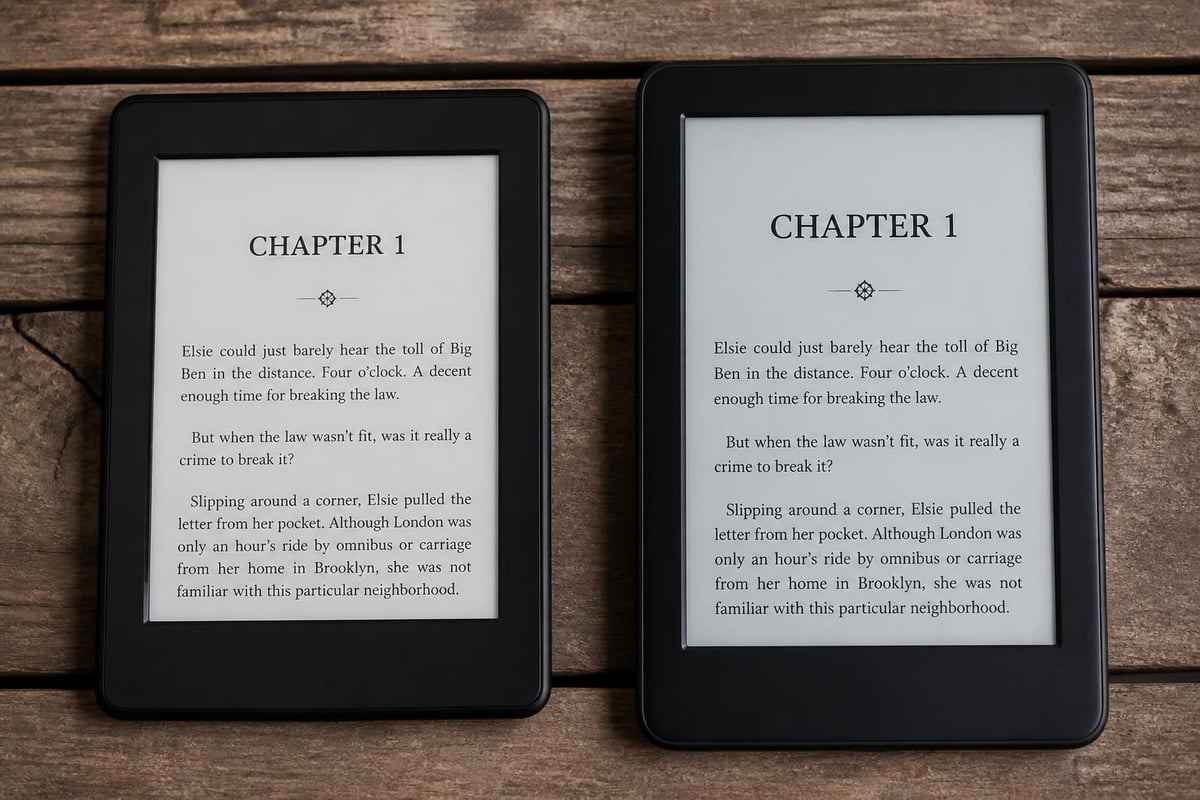
When evaluating any potential best buy ereader, several foundational specifications determine whether a device offers genuine value or simply appears inexpensive. Screen quality ranks as the most critical factor since you'll spend hours staring at the display. Modern E Ink technology has evolved significantly, with the latest Carta 1300 screens offering 20% faster page turns and improved contrast ratios compared to older generations.
Essential specifications to evaluate:
- Screen resolution: Minimum 300 PPI for crisp text rendering
- Display size: 6-7 inches for portability, 8-10 inches for comics and PDFs
- Storage capacity: 8GB minimum, 32GB for audiobook listeners
- Battery life: Weeks of reading per charge versus days
- Waterproofing: IPX8 rating for bath and beach reading
The comprehensive review from Forbes highlights how these specifications translate to real-world performance across leading models in 2026.
Format Compatibility and Ecosystem Lock-In
A critical consideration when searching for the best buy ereader involves understanding format support and digital rights management. Amazon's Kindle ecosystem uses proprietary formats (AZW, KFX) that lock you into their marketplace, while Kobo devices support EPUB, the industry-standard open format. According to eWritable’s comprehensive buying guide, this distinction significantly impacts your long-term flexibility and content acquisition options.
Devices running Android, such as the Boox lineup, offer maximum flexibility by supporting virtually every eBook format through third-party apps. This versatility makes them attractive for readers who source content from multiple platforms, including specialized stores offering business and professional titles.
| Device Type | Primary Formats | Third-Party App Support | Library Borrowing |
|---|---|---|---|
| Kindle | AZW, KFX, MOBI | Limited | Limited to Amazon ecosystem |
| Kobo | EPUB, PDF | None | Overdrive integration |
| Boox | All formats | Full Android apps | Multiple library apps |
| ReMarkable | PDF, EPUB | None | Manual transfer only |
Top Best Buy eReader Options for 2026
Current market leaders offer distinct advantages depending on your priorities. The best buy ereader for one reader may not suit another's needs, which is why understanding each device's strengths matters more than simply choosing the cheapest option.
Budget-Conscious Picks Under $150
The Amazon Kindle (11th generation) continues dominating the entry-level market at $99. This basic model lacks waterproofing and uses an older screen with visible bezels, but delivers reliable performance for straightforward reading. For budget-minded consumers who primarily read text-based fiction and nonfiction titles, this represents a solid best buy ereader choice.
Stepping up to $139, the Kobo Clara BW provides a backlit screen with adjustable color temperature, EPUB support, and Overdrive integration for library borrowing. This $40 premium over the base Kindle delivers significant functionality improvements that justify the investment for many readers.
Value features in budget models:
- Adjustable front lighting with warm/cool temperature control
- Cloud storage for thousands of books
- Dictionary and translation tools
- Weeks of battery life with moderate use
- Lightweight design under 6 ounces
Mid-Range Champions ($150-$250)
The Amazon Kindle Paperwhite represents the sweet spot for most readers seeking a best buy ereader. At $149, this waterproof device features a flush-front design, 300 PPI screen, and 16GB storage. The detailed analysis from NBC News confirms this model's position as the most balanced option in Amazon's lineup, offering premium features without unnecessary extras.
Kobo's Libra Colour introduces color E Ink technology at $219, enabling full-color covers, highlighted passages, and enhanced comic book reading. As TechRadar’s expert review demonstrates, this feature appeals strongly to graphic novel enthusiasts and readers who appreciate visual organization through color-coded highlights.
Premium Devices for Power Users
For readers seeking the absolute best buy ereader regardless of price, several premium options deliver exceptional capabilities. The Amazon Kindle Scribe at $339 adds an 11-inch screen and stylus support, transforming the device into a note-taking powerhouse. The TechRadar review of the 2025 Scribe praises its improved frontlight and writing responsiveness, making it ideal for students and professionals who annotate extensively.
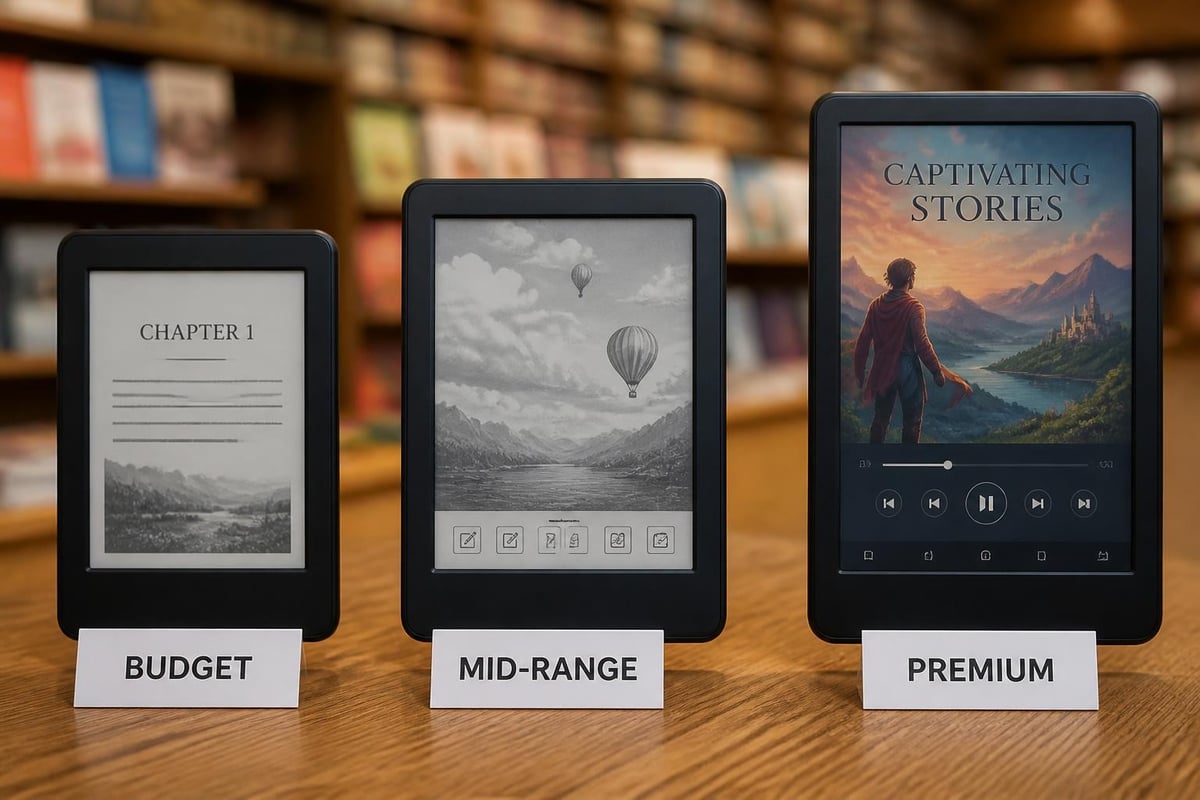
Boox devices occupy a unique premium niche, with the Note Air 5 C reviewed by Android Central offering a 10.3-inch color display and full Android 15 operating system. At approximately $450, these devices appeal to readers who value absolute format flexibility and want to run apps like Kindle, Kobo, Google Play Books, and library services simultaneously.
| Model | Price | Screen Size | Color Support | Note-Taking | Best For |
|---|---|---|---|---|---|
| Kindle (11th gen) | $99 | 6" | No | No | Budget text reading |
| Kindle Paperwhite | $149 | 6.8" | No | Limited | General reading |
| Kobo Libra Colour | $219 | 7" | Yes | Basic | Comics and visuals |
| Kindle Scribe | $339 | 11" | No | Advanced | Professional annotation |
| Boox Note Air 5 C | $450 | 10.3" | Yes | Advanced | Maximum flexibility |
Matching Devices to Reading Habits
Identifying the best buy ereader starts with honest assessment of your reading patterns and content preferences. A device that excels for fiction readers may frustrate someone who primarily consumes technical manuals or comics and graphic novels.
Fiction and Linear Text Readers
Standard 6-7 inch devices provide optimal experiences for readers who primarily enjoy novels, memoirs, and traditional text-based content. The compact size fits easily in bags and purses while delivering comfortable one-handed reading. Battery life matters more than processing power since page turns occur at natural reading pace rather than rapid navigation.
For this use case, the best buy ereader prioritizes display quality, comfortable backlighting, and seamless dictionary integration. The Kindle Paperwhite and Kobo Clara models both excel in these areas, with the choice between them depending on whether you prefer Amazon's ecosystem or open EPUB support for sourcing content from diverse retailers.
Technical, Academic, and Reference Material
Readers who frequently consult textbooks, manuals, and reference materials benefit from larger screens that display full pages without excessive zooming. The ability to annotate, highlight, and search efficiently becomes paramount, as does support for PDF files with complex formatting.
Critical features for reference reading:
- Screen size 8 inches or larger for comfortable PDF viewing
- Stylus support for margin notes and diagrams
- Robust search functionality across your entire library
- Table of contents navigation and bookmark management
- Landscape orientation for wide-format documents
The Kindle Scribe and Boox devices dominate this category, though their higher prices require justification through regular use. According to Tom’s Guide’s comprehensive review, these devices transform how professionals interact with digital documents, potentially eliminating the need for separate notebooks and tablets.
Multimedia and Comic Enthusiasts
Color E Ink technology revolutionizes how readers experience illustrated content. The Kobo Libra Colour and Kobo Clara Colour bring vibrant covers and full-color comic panels to life while maintaining E Ink's eye-friendly characteristics and weeks-long battery life.
These devices represent the best buy ereader option for readers building collections of graphic novels, illustrated biography and memoir titles, and children's books. The color implementation uses Kaleido technology, which overlays color filters on traditional E Ink displays. While not as vibrant as LCD tablets, the approach preserves battery efficiency and outdoor readability that make ereaders superior to backlit screens.
Hidden Costs and Long-Term Value
The initial purchase price represents just one component of total ownership costs. A comprehensive best buy ereader analysis considers accessories, content expenses, and ecosystem limitations that impact your investment over years of use.
Accessory Requirements
Most ereaders benefit from protective cases, particularly waterproof models you'll use near water. Quality cases range from $20-$60, with premium leather options exceeding $100. Kindle devices often require separate charging cables since newer models use USB-C while older accessories use Micro-USB.
The Kindle Scribe and similar note-taking devices require stylus accessories. While Amazon includes a basic stylus, the premium pen with eraser functionality costs an additional $30. Boox styluses typically come included but replacement tips and nibs add minor ongoing expenses.
Content Acquisition Strategies
Amazon's pricing often favors Kindle owners with exclusive deals and Kindle Unlimited subscriptions ($11.99/month). However, Kobo and Android-based devices enable library borrowing through Overdrive and Libby, potentially saving hundreds annually for prolific readers.
Readers who source content from multiple retailers, including specialized platforms offering business and finance titles or cooking and food ebooks, benefit from devices supporting sideloading and format conversion. This flexibility transforms an initially more expensive device into a better long-term value.
Cost-saving strategies:
- Purchase during Prime Day, Black Friday, or manufacturer sales
- Consider certified refurbished units for 20-30% savings
- Leverage library systems for mainstream titles
- Compare ebook pricing across retailers before buying
- Watch for bundle deals including cases or extended warranties
Technical Specifications Decoded
Marketing materials often emphasize specifications without explaining their practical impact. Understanding what these numbers mean helps you identify the best buy ereader for your actual needs rather than impressive-sounding features you'll never use.
Screen Technology Variations
E Ink Carta represents the current standard, with Carta 1200 and 1300 iterations offering progressively faster refresh rates and higher contrast. The difference between 1200 and 1300 remains subtle during normal reading but becomes noticeable when rapidly flipping through pages or reading manga with detailed artwork.
Color E Ink uses Kaleido 3 technology as of 2026, displaying approximately 4,096 colors. While impressive for an E Ink implementation, this pales compared to millions of colors on LCD screens. The technology trades color vibrancy for the benefits that make ereaders preferable to tablets: battery life measured in weeks, outdoor readability, and reduced eye strain.
Processing Power and RAM
Most readers don't need powerful processors since ereading demands minimal computing resources. However, devices supporting Android apps, PDF rendering, and complex note-taking benefit from faster chips and additional RAM. The Boox lineup typically includes 2-4GB RAM versus 512MB-1GB in dedicated ereaders, enabling smoother multitasking when running multiple applications.
Storage Considerations
Text-based ebooks consume minimal space, with typical novels occupying 1-3MB. An 8GB device holds thousands of books before requiring content rotation. However, audiobook listeners need significantly more capacity, with a single title consuming 100-500MB depending on length and quality settings.
Comic book readers face similar constraints since high-resolution images demand substantial storage. Readers planning to maintain offline libraries of graphic novels should target 32GB minimum capacity, while text-only consumers rarely need more than 8GB.
| Content Type | Average File Size | Books per 8GB | Books per 32GB |
|---|---|---|---|
| Text novels | 2MB | 4,000 | 16,000 |
| Technical PDFs | 15MB | 500 | 2,000 |
| Comic books | 100MB | 80 | 320 |
| Audiobooks | 250MB | 30 | 120 |
Seasonal Buying Patterns and Deal Timing
Smart shoppers recognize that patience often yields better prices than impulsive purchases. The best buy ereader of summer may appear overpriced compared to fall promotional periods when manufacturers clear inventory before releasing new models.
Prime Day and Black Friday
Amazon typically discounts Kindle devices 25-40% during Prime Day (July) and Black Friday (November). The 2026 Prime Day saw the Kindle Paperwhite drop to $99, matching the regular price of the basic model. These sales represent optimal purchasing windows for budget-conscious readers.
Kobo and other manufacturers match Amazon's promotional timing, though their deals appear across multiple retailers rather than exclusive to one platform. Checking price tracking websites helps identify genuine discounts versus artificial markdowns.
New Model Release Cycles
Amazon refreshes Kindle models every 2-3 years, with the Paperwhite's last major update arriving in 2024. Kobo follows similar patterns, introducing new color models in 2025-2026. Previous generation devices see permanent price reductions following new releases, often delivering 90% of current performance at 60% of the price.
The Tom’s Guide video review from February 2026 provides valuable context on how different manufacturers time their releases and which older models retain strong value propositions despite newer alternatives.
Future-Proofing Your Purchase
Technology evolves rapidly, but ereaders mature more slowly than smartphones or laptops. A best buy ereader purchased in 2026 should remain functional and relevant through 2030 and beyond, assuming you select features aligned with your long-term needs.
Emerging Technologies to Consider
Color E Ink continues improving, with Gallery 3 technology promising faster color refresh rates arriving in 2027. Early adopters accepting current limitations versus waiting for next-generation improvements must weigh immediate gratification against modest future enhancements.
Software updates extend device lifespans by adding features and fixing bugs. Amazon supports Kindle devices for 5-7 years post-release, while Boox's Android foundation enables longer software viability through third-party apps even after manufacturer support ends.
Resale Value and Upgradeability
Unlike modular computers, ereaders offer zero upgradeability. The device you purchase remains functionally identical throughout its lifespan. This reality emphasizes buying the right device initially rather than planning incremental improvements.
Kindle devices maintain stronger resale values than competitors due to brand recognition and ecosystem lock-in. A three-year-old Paperwhite retains 40-50% of original value on secondary markets, while comparable Kobo models drop to 30-40%. Boox devices depreciate more steeply given their higher initial costs and niche appeal.
Selecting the best buy ereader balances immediate budget constraints with long-term reading preferences, content sourcing strategies, and feature requirements. Whether you choose an entry-level Kindle for straightforward fiction reading or invest in a premium Boox device for maximum flexibility, the right ereader enhances your digital reading experience for years to come. Once you've found your perfect device, Tell eBook offers an extensive catalog of ebooks and audiobooks across fiction, business, comics, and biographies to fill your new library with engaging content that matches your interests.
Once you’ve chosen your perfect eReader, load it with standout ebooks like System Collapse by Martha Wells, The Tainted Cup by Robert Jackson Bennett, and Jade War by Fonda Lee — all available for instant download. Browse more titles in the Tell eBook shop to discover thousands of ebooks and audiobooks.