

The digital reading landscape has evolved dramatically, and understanding how to navigate www amazon com kindle ebooks remains essential for modern readers. Amazon's Kindle platform has shaped the eBook industry since 2007, creating a vast ecosystem of digital titles, proprietary formats, and reading devices. Whether you're a casual reader exploring fiction or a professional seeking business titles, knowing how to maximize your Kindle eBook experience can save you money and expand your reading options. This comprehensive guide explores everything from purchasing and managing Kindle eBooks to understanding format compatibility and discovering cost-effective alternatives.
Understanding the Amazon Kindle eBook Ecosystem
Amazon's Kindle Store represents the world's largest eBook marketplace, hosting millions of titles across every imaginable category. When you visit www amazon com kindle ebooks through your browser, you encounter a sophisticated platform designed to sell digital content specifically formatted for Kindle devices and apps.
How Kindle eBooks Differ from Standard Digital Books
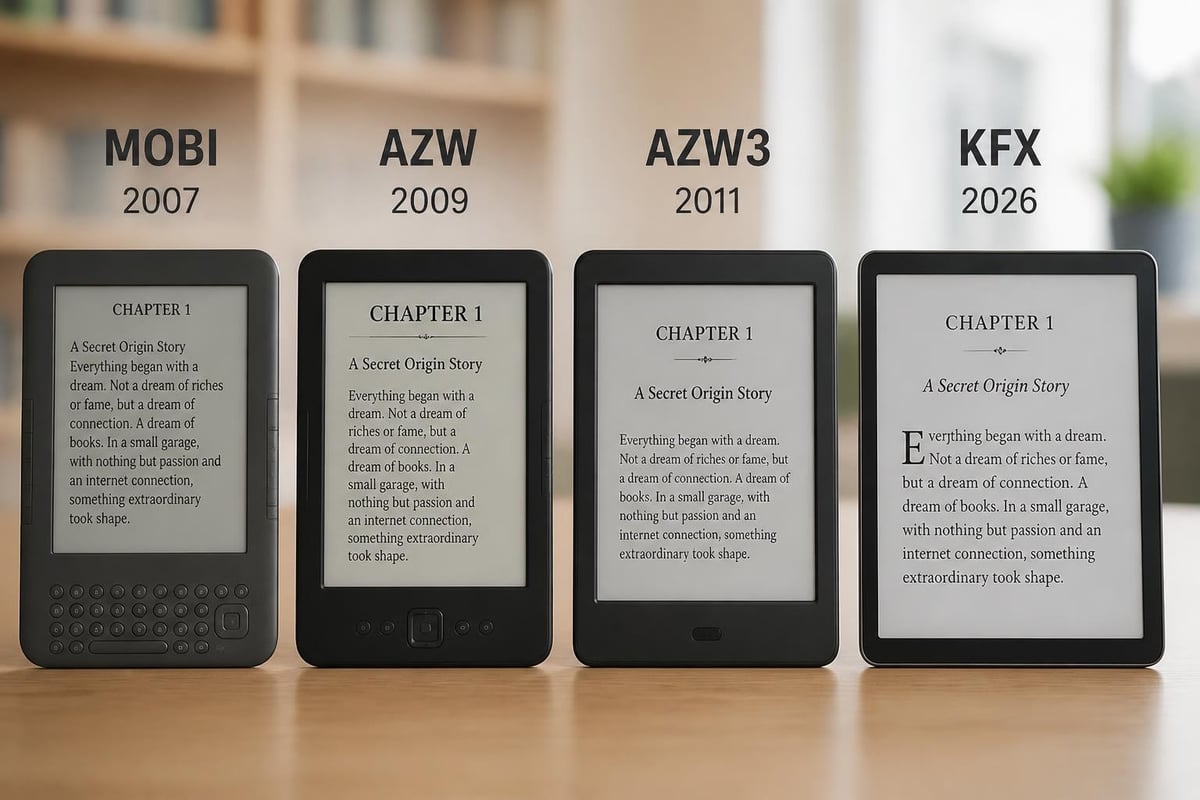
Kindle eBooks traditionally use Amazon's proprietary formats rather than the industry-standard EPUB. The evolution includes:
- AZW and AZW3: Amazon's original proprietary formats with built-in DRM
- KFX: The current Kindle Format 10, optimized for enhanced typography
- MOBI: An older format Amazon inherited when purchasing Mobipocket
- EPUB support: Recently added in 2026 for Send to Kindle features
The technical specifications for Kindle Publishing Guidelines define exactly what file types Amazon accepts and how content must be structured. These requirements ensure consistent rendering across Kindle's family of devices, from the basic Kindle to the Kindle Scribe.
Amazon's recent policy shift allows some publishers to offer DRM-free options, as reported by Popular Mechanics in their coverage of the 2026 policy change. This represents a significant departure from Amazon's historical approach to digital rights management.
Navigating www amazon com kindle ebooks: A Buyer's Guide
Purchasing Kindle eBooks requires understanding Amazon's unique pricing structure and purchasing mechanisms. The Kindle Store operates differently from physical book retailers, with dynamic pricing and various purchase options.
Price Comparison and Finding Deals
Kindle eBook prices fluctuate based on publisher agreements, promotional periods, and algorithmic pricing. Smart readers employ several strategies:
- Monitor daily deals on the Kindle Store homepage
- Check price-tracking tools that alert you to temporary discounts
- Explore Kindle Unlimited for unlimited reading at $11.99/month
- Review publisher sales during seasonal promotions
- Compare prices with alternative eBook retailers
| Purchase Method | Typical Price Range | DRM Status | Format Flexibility |
|---|---|---|---|
| Full-price Kindle eBook | $9.99 – $14.99 | Usually DRM-locked | Kindle ecosystem only |
| Kindle Daily Deal | $1.99 – $4.99 | Usually DRM-locked | Kindle ecosystem only |
| Kindle Unlimited Rental | Included in subscription | DRM-locked | Kindle ecosystem only |
| Independent eBook Stores | $7.99 – $12.99 | Often DRM-free | EPUB, PDF, MOBI |
For readers seeking greater flexibility and competitive pricing, platforms like Tell eBook provide bestselling eBooks at lower prices than major retailers with instant EPUB/PDF download, giving you true ownership and cross-device compatibility.
Understanding What You're Actually Buying
When you purchase through www amazon com kindle ebooks, you're technically licensing content rather than owning it outright. This distinction matters because:
- Amazon can revoke access to purchased titles (rare but documented)
- You cannot freely transfer eBooks to other people
- Your library depends on maintaining your Amazon account
- Family sharing requires specific Amazon Household setup
The American Library Association’s analysis of DRM and eBooks explores how digital rights management affects long-term access and ownership rights, raising important questions about digital asset permanence.
Managing Your Kindle eBook Library
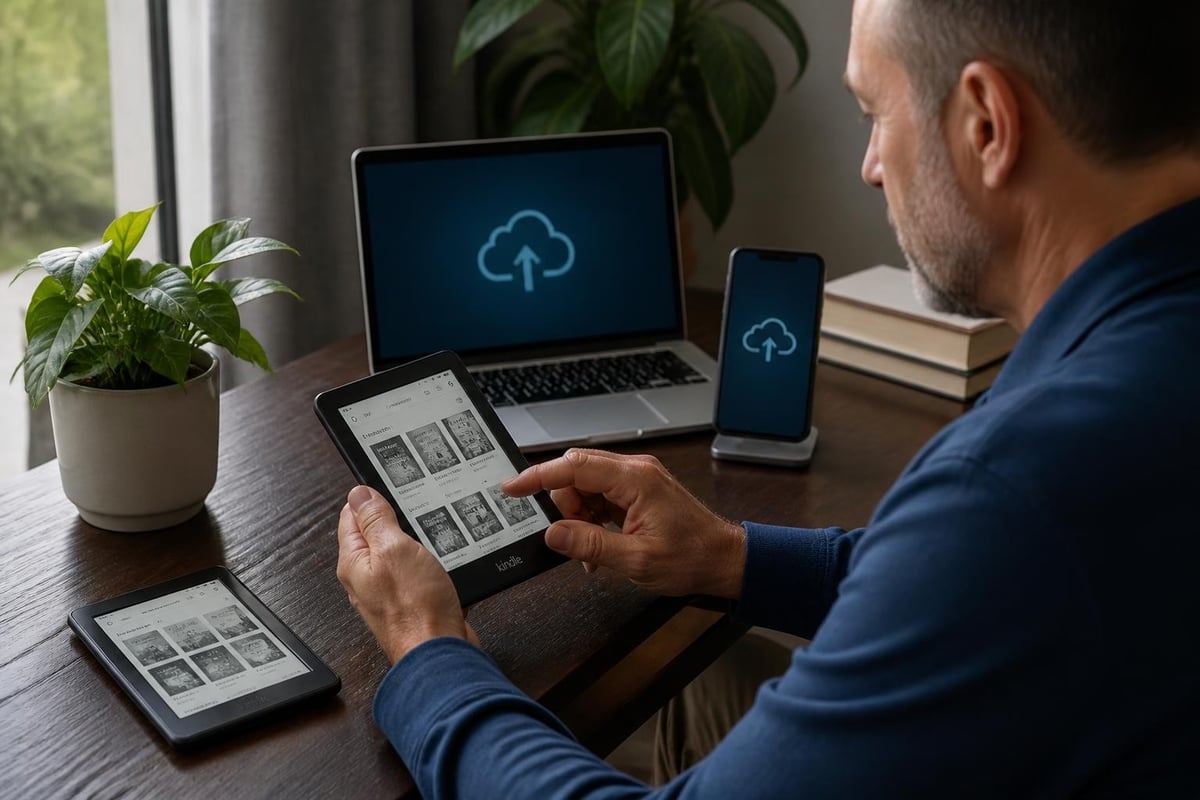
After purchasing from www amazon com kindle ebooks, effective library management becomes crucial, especially as your collection grows. Amazon provides cloud storage for all purchased titles, but local management requires understanding several tools and techniques.
Organizing Collections and Categories
The Kindle platform offers multiple organizational features:
- Collections: Custom categories you create on devices
- Series view: Automatic grouping of book series
- Cloud vs. Device: Managing what downloads to each device
- Archives: Accessing previously purchased but not downloaded titles
- Samples: Free previews before purchasing
Collections don't sync perfectly across all devices, particularly between e-ink Kindles and mobile apps. This fragmentation requires manual recreation of organizational structures on each device you use.
Backing Up Your Kindle eBooks
Despite Amazon's cloud storage, creating personal backups protects against account issues or content removal. Methods include:
- Download books through "Manage Your Content and Devices"
- Use Calibre software to organize and convert formats
- Strip DRM for personal archival purposes (legal gray area)
- Export highlights and notes separately
- Maintain purchase receipts for proof of ownership
The Technical Side: Formats and Compatibility
Understanding eBook file formats helps you make informed decisions when purchasing from www amazon com kindle ebooks or alternative sources. The technical landscape has shifted considerably in 2026.
Format Standards and Kindle Compatibility
The EPUB 3.3 specification represents the industry standard for digital books, offering reflowable text, embedded media, and accessibility features. Amazon's historical resistance to EPUB created ecosystem lock-in, but recent changes show movement toward interoperability.
Current Kindle format support includes:
- Native Kindle formats (AZW3, KFX) for store purchases
- EPUB files via Send to Kindle (converted to Kindle format)
- MOBI files (deprecated but still readable)
- PDF files (with limited reflowability)
- TXT files for plain text documents
The conversion process when sending EPUB files to Kindle devices often degrades formatting, particularly for complex layouts, tables, or specialized typography. Understanding these limitations helps set appropriate expectations.
Creating Kindle-Compatible Content
Authors and publishers preparing books for www amazon com kindle ebooks must follow specific technical requirements. The Kindle Direct Publishing platform provides comprehensive tools for preparing manuscripts, including:
- Kindle Create: Format manuscripts with automated styling
- Kindle Previewer: Test how books render on different devices
- KDP formatting guides: Detailed specifications for images, fonts, and layout
- Quality checks: Automated validation before publication
Metadata optimization significantly impacts discoverability in the Kindle Store. The Book Industry Study Group’s metadata best practices offer authoritative guidance on keywords, categories, and descriptions that improve search visibility and sales potential.
Reading Experience Across Devices
Accessing www amazon com kindle ebooks extends far beyond dedicated Kindle e-readers. Amazon's cross-platform strategy ensures content availability on virtually any device with an internet connection.
Device and App Options
| Platform | App Name | Key Features | Limitations |
|---|---|---|---|
| iOS (iPhone/iPad) | Kindle for iOS | Whispersync, X-Ray, Word Wise | Cannot purchase in-app |
| Android | Kindle for Android | Full store access, offline reading | Variable performance by device |
| Windows/Mac | Kindle for PC/Mac | Large screen reading, notes export | Limited touch optimization |
| Web Browser | Kindle Cloud Reader | No installation required | Reduced feature set |
| E-ink Kindles | Built-in software | Optimal eye comfort, long battery | No color, slower refresh |
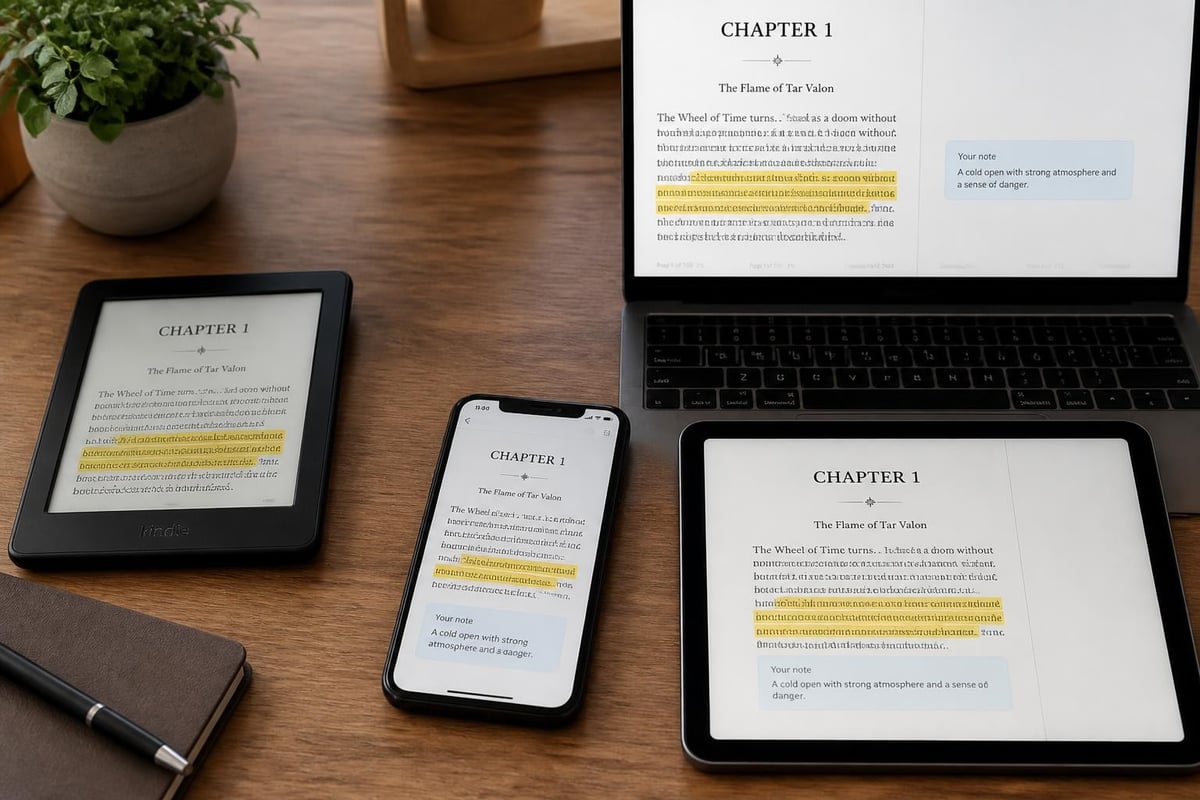
Whispersync technology synchronizes your reading position, bookmarks, and notes across all devices, creating seamless transitions between reading contexts. This feature distinguishes Kindle's ecosystem from competitors, though it requires consistent internet connectivity.
Accessibility Features and Inclusive Design
Modern Kindle eBooks include numerous accessibility enhancements that benefit readers with disabilities. Following WIPO’s Accessible Publishing Guidelines, properly formatted Kindle books support:
- Screen reader compatibility (VoiceView on devices, TalkBack/VoiceOver on mobile)
- Adjustable font sizes and line spacing
- Dyslexia-friendly font options (OpenDyslexic)
- Text-to-speech narration (available on most titles)
- High-contrast display modes
- Braille display support through connected devices
Publishers who implement proper semantic HTML structure and include alt text for images create significantly better experiences for assistive technology users. Unfortunately, not all titles available through www amazon com kindle ebooks meet these standards.
Alternatives and Complementary Platforms
While www amazon com kindle ebooks dominates the market, savvy readers benefit from exploring alternative eBook sources that offer different advantages, pricing models, and format flexibility.
Why Consider Non-Amazon eBook Sources
Diversifying your eBook purchasing protects against several risks:
- Account suspension would lose access to your entire Kindle library
- Geographic restrictions prevent purchasing certain titles in specific regions
- Price variations mean competitors often offer better deals
- Format freedom allows reading on any device or app you prefer
- DRM-free options provide true ownership and archival capability
Independent eBook retailers typically use the standard EPUB format, which works with Apple Books, Google Play Books, Kobo, Nook, and dozens of other reading apps. This flexibility means you're never locked into a single ecosystem.
Building a Diverse Digital Library
Strategic readers combine multiple sources to maximize value and selection. For specialized content, niche retailers often provide superior curation. Biography enthusiasts might explore titles like Andrew Carnegie: Prince of Steel and Libraries or Becoming Steve Jobs, which offer insights into influential historical figures across various formats and pricing tiers.
Art and cultural content particularly benefits from platform diversity. Titles such as Monet: Itinerant of Light or Vincent Van Gogh: 72 Watercolors may feature better image quality and layout in EPUB format compared to Kindle's compression and display limitations.
Metadata, Discovery, and the Publishing Supply Chain
Understanding how books reach www amazon com kindle ebooks reveals important insights about pricing, availability, and content quality. The publishing supply chain relies heavily on standardized metadata systems.
How Publishers Deliver Content to Amazon
The EDItEUR ONIX standards govern how publishers communicate essential information about books to retailers. This structured data includes:
- Title, subtitle, and contributors
- Publication dates and edition information
- Categories and subject classifications (Thema/BISAC)
- Descriptions and marketing copy
- Pricing for different territories
- DRM preferences and rights information
- Related products and series data
ONIX feeds automate the flow of tens of thousands of titles monthly from publishers to Amazon's catalog. Errors in this metadata directly impact discoverability when readers search www amazon com kindle ebooks, making professional metadata management crucial for sales success.
The Role of ISBNs and Identifiers
Different identifier systems serve distinct purposes:
- ISBN: Universal book identifier required for traditional distribution
- ASIN: Amazon's internal catalog number (auto-generated for Kindle eBooks)
- DOI: Digital Object Identifier used in academic publishing
- LCCN: Library of Congress Control Number for cataloging
Self-published authors using Kindle Direct Publishing can publish without purchasing ISBNs, as Amazon assigns free ASINs. However, this limits distribution to Amazon's ecosystem only, preventing library sales or sales through other retailers.
Kindle Unlimited and Subscription Models
Amazon's subscription service represents an alternative way to access www amazon com kindle ebooks, fundamentally changing the economics for both readers and authors.
How Kindle Unlimited Works
For $11.99 monthly (2026 pricing), subscribers can:
- Borrow up to 20 titles simultaneously
- Read as many books as desired (no monthly limit)
- Access select audiobooks through the catalog
- Download to any Kindle device or app
- Keep books as long as subscription remains active
Not all Kindle eBooks participate in Kindle Unlimited. Publishers and authors must opt-in, and major traditional publishers typically exclude their titles. This creates a catalog heavily weighted toward self-published content, genre fiction, and romance novels.
Value Analysis for Different Reader Types
| Reader Profile | Books/Month | Better Option | Annual Savings |
|---|---|---|---|
| Light reader (1-2 books) | 1-2 | Individual purchases | $40-60 |
| Moderate reader (3-5 books) | 3-5 | Break-even point | $0-20 |
| Heavy reader (6+ books) | 6+ | Kindle Unlimited | $150-300 |
| Genre-specific reader | Varies | Depends on genre | Varies |
Genre matters significantly. Romance, mystery, and science fiction readers find abundant Kindle Unlimited selections, while literary fiction, business, and academic readers encounter limited options within the subscription catalog.
Privacy, Data Collection, and Reading Analytics
Using www amazon com kindle ebooks means participating in Amazon's extensive data collection ecosystem. Understanding what information Amazon gathers helps readers make informed privacy decisions.
What Amazon Knows About Your Reading
Kindle devices and apps collect detailed behavioral data:
- Reading speed: Pages per minute, session duration
- Completion rates: How far you read into each book
- Highlights and notes: Content you mark as important
- Dictionary lookups: Words you don't know
- Time patterns: When you read, for how long
- Purchase behavior: Browse history, wish lists, abandoned carts
Amazon uses this data to refine recommendations, inform authors about reader engagement, and optimize pricing algorithms. While this personalization can improve discovery, it also raises questions about reading privacy and surveillance capitalism.
Privacy-Protective Reading Strategies
Readers concerned about data collection can:
- Use airplane mode during reading sessions (prevents real-time tracking)
- Disable Whispersync in device settings
- Delete cloud highlights periodically through Amazon's website
- Purchase from DRM-free retailers for completely private reading
- Use dedicated e-readers without Wi-Fi connectivity
Alternative platforms prioritizing reader privacy offer different trade-offs between convenience and data protection. DRM-free eBooks from independent retailers enable completely offline, untracked reading experiences.
Future Trends in Digital Reading
The landscape of www amazon com kindle ebooks continues evolving as technology, consumer preferences, and regulatory pressures shape the industry's direction.
Emerging Technologies and Features
Several developments will impact Kindle eBooks in coming years:
- AI-generated content: Automated book creation raising quality concerns
- Enhanced interactivity: Embedded video, audio, and interactive elements
- Social reading features: Shared highlights and community discussions
- Personalized content: AI-customized storylines and difficulty levels
- Voice-first interfaces: Audiobook integration and conversational commands
Regulatory scrutiny of Amazon's market dominance may force changes in DRM policies, pricing practices, or platform openness. European Union investigations into Amazon's use of seller data could establish precedents affecting the Kindle ecosystem globally.
Sustainability and Environmental Considerations
Digital reading's environmental impact proves complex. While eliminating paper production and shipping reduces carbon footprint, the manufacturing and energy consumption of electronic devices creates different environmental costs. E-readers become environmentally superior only after reading approximately 20-30 books, making heavy readers the most eco-conscious digital adopters.
Navigating www amazon com kindle ebooks effectively requires understanding formats, pricing strategies, device ecosystems, and the broader digital publishing landscape. Armed with knowledge about alternatives, technical specifications, and privacy implications, readers can make choices aligned with their values and reading habits. Whether you're building a comprehensive digital library or exploring specific genres, Tell eBook offers competitive pricing on bestselling titles with instant downloads in multiple formats, giving you the flexibility and ownership that truly enhances your reading experience.