

Stephen King's "IT" stands as one of the most influential horror novels ever written, creating a rich and terrifying universe that continues to captivate readers decades after its initial publication in 1986. The world of IT book encompasses far more than jump scares and supernatural terror-it explores profound themes of childhood trauma, the power of memory, and the bonds of friendship that transcend time. For readers seeking to understand why this particular novel has maintained its cultural relevance and spawned numerous adaptations, a deep exploration into its complex narrative structure, character development, and thematic resonance proves essential. At Tell eBook, readers can access this monumental work and discover why it remains a cornerstone of horror literature.
Understanding the Dual Timeline Structure
The world of IT book operates on two distinct yet interconnected timelines that create a unique narrative experience. King masterfully weaves between 1958 and 1985, following the same group of characters-the Losers' Club-as children and adults. This structure isn't merely a stylistic choice; it serves as the foundation for exploring how childhood trauma shapes adult identity.
The 1958 Timeline: Innocence Under Siege
The past timeline introduces readers to seven outcast children in Derry, Maine, who form an unlikely alliance against a shapeshifting entity. Bill Denbrough, whose brother Georgie fell victim to IT, leads this group through their first confrontation with evil. The comprehensive summary available through detailed analyses reveals how King develops each character's personal fears and vulnerabilities during this period.
- Bill Denbrough: The stuttering leader seeking vengeance
- Beverly Marsh: Escaping domestic abuse at home
- Ben Hanscom: The overweight new kid finding acceptance
- Richie Tozier: The wisecracking comedian masking insecurity
- Eddie Kaspbrak: Controlled by his overprotective mother
- Stan Uris: The logical skeptic confronting the supernatural
- Mike Hanlon: The historian documenting Derry's dark patterns
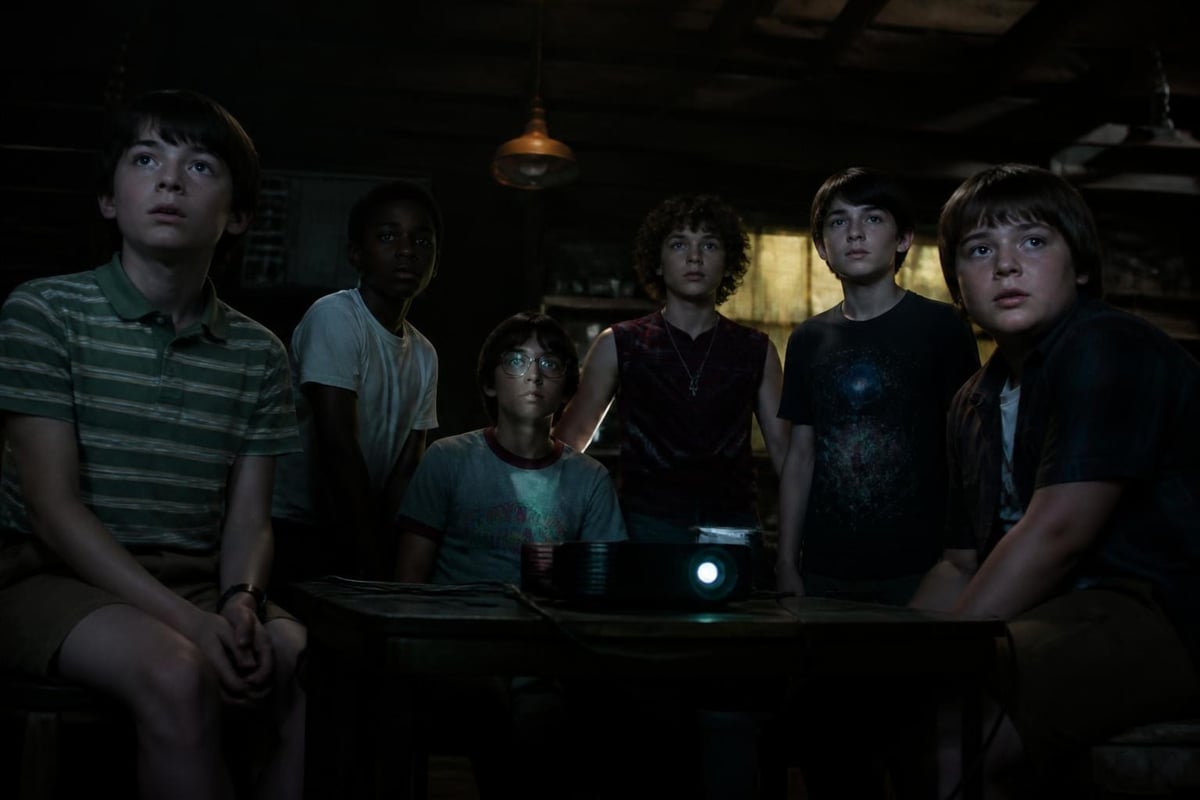
The 1985 Timeline: Adult Confrontation
Twenty-seven years later, the adults have scattered across the country, their memories of IT suppressed until Mike Hanlon calls them home. This timeline explores how unresolved childhood trauma manifests in adult dysfunction. The world of IT book demonstrates that forgetting trauma doesn't eliminate its impact-it merely delays the inevitable reckoning.
The adult section reveals successful careers masking profound emptiness. Bill became a bestselling author, Beverly a fashion designer, Ben a renowned architect, and Richie a famous comedian, yet none have maintained lasting relationships or found genuine happiness.
| Character | Childhood Fear | Adult Manifestation | Career Achievement |
|---|---|---|---|
| Bill | Failure to save Georgie | Inability to commit | Bestselling novelist |
| Beverly | Abusive father | Abusive husband | Fashion designer |
| Ben | Body image/rejection | Loneliness despite success | Architect |
| Eddie | Illness/contamination | Hypochondria | Limousine company owner |
| Richie | Irrelevance/being forgotten | Shallow relationships | Comedian |
| Stan | Loss of control | Perfectionism | Accountant |
| Mike | Isolation/history repeating | Remaining in Derry | Librarian |
Thematic Depth and Literary Significance
The world of IT book extends beyond horror conventions to examine fundamental human experiences. Major themes explored throughout the narrative include the nature of evil, the power of belief, and the sacrifices required by true friendship.
Evil as a Cyclical Force
Derry itself functions as a character, a town where violence and apathy coexist in disturbing harmony. King reveals that IT awakens every twenty-seven years, feeding on fear and pain, but the townspeople's willful ignorance enables this cycle. The entity represents not just supernatural horror but humanity's capacity to ignore suffering when confronting it proves uncomfortable.
The novel documents historical atrocities in Derry-the Black Spot massacre, the Bradley Gang shootout, the Kitchener Ironworks explosion-establishing a pattern of violence that predates the Losers' Club by centuries. This historical context transforms IT from a monster story into an examination of collective moral failure.
The Power of Memory and Belief
One of the most sophisticated aspects of the world of IT book involves the relationship between memory, belief, and power. Children possess imaginative belief that grants them weapons against IT-their silver bullets work because they believe they will. Adults, constrained by rational skepticism, struggle to harness this power.
The exploration of memory’s power reveals how forgetting serves as both protection and vulnerability. The characters suppress traumatic memories to function, yet this amnesia leaves them defenseless when IT returns. Only by remembering-and accepting-their past can they develop the strength to defeat evil permanently.

Friendship as Redemptive Force
The Losers' Club represents an idealized vision of friendship where acceptance, loyalty, and sacrifice create bonds stronger than blood. Each member provides what others lack, creating a collective strength that exceeds individual capabilities. The world of IT book argues that true friendship requires vulnerability-sharing fears rather than hiding them.
The controversial sewer scene, while divisive among readers, serves a thematic purpose within King's narrative: it represents the transition from childhood to adulthood and the bond that will anchor the characters' memories of their shared experience. Whether this scene succeeds literarily remains debated, but its intent within the novel's thematic framework addresses the loss of innocence and the creation of adult identity.
Character Development and Psychological Depth
King's characterization in the world of IT book demonstrates his understanding of trauma's long-term effects. Each Loser carries specific psychological wounds that IT exploits through personalized manifestations.
Beverly Marsh: Breaking Cycles of Abuse
Beverly's arc explores domestic violence across generations. Her father's abuse mirrors in her choice of husband, Tom Rogan, illustrating how trauma victims often recreate familiar dynamics. Her journey involves recognizing this pattern and choosing to break it-a decision requiring confrontation with both her abusive husband and the monster that represents her deepest fears.
The exploration of domestic abuse themes within Beverly's storyline provides psychological realism that grounds the supernatural horror in authentic human suffering.
Bill Denbrough: Guilt and Leadership
Bill's guilt over Georgie's death drives every action throughout both timelines. As a child, he compensates through leadership; as an adult, his writer's block symbolizes his inability to create endings-a reflection of his unresolved grief. The world of IT book uses Bill's character to examine survivor's guilt and the responsibility leaders feel for those they cannot save.
Eddie Kaspbrak: Breaking Maternal Control
Eddie's overprotective mother convinces him he's sick, weak, and dependent-psychological abuse manifesting as Munchausen syndrome by proxy. His inhaler contains nothing but water, yet his belief in its necessity demonstrates the power of conditioning. Eddie's adult hypochondria and marriage to a woman resembling his mother show how childhood programming persists.
His ultimate sacrifice represents complete liberation from this control, choosing courage over the safety his mother demanded.
Adaptations and Cultural Impact
The world of IT book has generated multiple adaptations, each interpreting King's vision differently. The 1990 miniseries introduced Tim Curry's iconic Pennywise to audiences, establishing visual elements that define the character culturally. While limited by television standards and runtime, this adaptation captured the story's emotional core.
The 2017 and 2019 films by Andy Muschietti brought modern production values and psychological depth to the material. These adaptations addressed themes including LGBTQ issues that the novel explored but earlier adaptations minimized or eliminated. The Adrian Mellon hate crime opening Chapter Two directly confronts homophobia, maintaining King's original intent.
Expanding the Universe
Recent developments include "Welcome to Derry," a prequel series exploring Derry's history during the 1960s. This expansion demonstrates the enduring fascination with the world of IT book and audiences' desire for deeper exploration of King's created universe.
For readers interested in similar series that span multiple installments, Tell eBook’s extensive collection includes numerous options across various genres.
Literary Techniques and Narrative Innovations
King employs sophisticated literary techniques throughout the world of IT book that elevate it beyond standard horror fare.
Stream of Consciousness and Multiple Perspectives
King shifts between third-person limited perspectives for each Loser, providing intimate access to their thoughts while maintaining narrative momentum. This technique creates empathy and understanding for each character's unique psychology and fears.
Intertextuality and Meta-Commentary
As a writer character, Bill Denbrough allows King to comment on the creative process and the relationship between fiction and reality. Bill's novels mirror his experiences, raising questions about how writers process trauma through storytelling. This meta-textual element adds depth for readers interested in literary analysis.
The Ritualistic Structure
The novel's structure mirrors ritual-the childhood confrontation, the twenty-seven-year cycle, the return, and the final battle. This ritualistic pattern reflects both horror traditions and psychological theories about how humans process trauma through repeated confrontations in controlled circumstances.
Reading Experience and Accessibility
The world of IT book presents challenges for readers due to its length-over 1,100 pages in most editions. However, King's accessible prose style and compelling characterization maintain momentum throughout. The novel works as both popular entertainment and literary examination of American culture during the 1950s and 1980s.
Best Approaches for New Readers
Readers new to King or lengthy novels should consider:
- Pace yourself: The novel's length allows for gradual reading
- Track the dual timelines: Note how past and present mirror each other
- Focus on character development: The horror serves character growth
- Consider historical context: Understanding 1950s America enhances appreciation
- Prepare for disturbing content: King doesn't shy from graphic material
Digital Reading Advantages
E-book formats offer particular advantages for the world of IT book. The ability to search for character names, bookmark significant passages, and adjust text size makes the lengthy novel more manageable. Readers can easily reference earlier sections when King makes callbacks to previous events.
Tell eBook’s digital platform provides these advantages along with convenient access across multiple devices, making it easier to maintain reading momentum with such a substantial work.
Critical Reception and Legacy
Critical analyses of IT praise King's ambitious scope and psychological depth while noting concerns about pacing and controversial content. The novel's influence on horror literature and popular culture remains undeniable, establishing tropes and techniques that subsequent authors have adopted.
The work demonstrates King's ability to blend literary ambition with commercial appeal-a combination that sometimes draws skepticism from literary critics but resonates deeply with readers. The world of IT book has sold millions of copies worldwide and continues finding new audiences through adaptations and word-of-mouth recommendations.
Influence on Contemporary Horror
Modern horror authors cite IT as influential for its:
- Character-driven approach prioritizing psychological development over shock value
- Blend of supernatural and realistic horror addressing both monsters and human cruelty
- Long-form storytelling demonstrating that horror can sustain epic length
- Exploration of childhood trauma treating young characters with complexity and respect
Thematic Relevance in 2026
The world of IT book remains relevant forty years after publication because its themes transcend temporal specificity. Questions about confronting evil, processing trauma, maintaining friendships across decades, and breaking cycles of abuse resonate regardless of era.
Contemporary Parallels
Modern readers find connections between Derry's collective denial and contemporary social issues. The townspeople's willful ignorance of suffering parallels current debates about institutional responsibility and bystander complicity. IT's cyclical nature mirrors how societies fail to learn from history, repeating mistakes across generations.
The novel's exploration of childhood trauma and its adult manifestations aligns with increased cultural awareness of mental health issues and the long-term impacts of adverse childhood experiences. The world of IT book anticipated psychological frameworks that mainstream culture only recently embraced.
Accessing the Complete Experience
For readers seeking the full experience of the world of IT book, the unabridged novel remains essential. While adaptations capture key elements, King's prose, internal monologues, and complete character arcs exist only in the original text. The novel's length allows for depth that visual media cannot fully replicate within practical runtime constraints.
Comprehensive study guides enhance understanding for readers interested in literary analysis, providing context for King's choices and explaining symbolic elements that might otherwise go unnoticed. These resources transform casual reading into educational exploration.
Readers exploring similar narratives can find extensive options through Tell eBook’s diverse catalog, which includes horror, psychological thrillers, and coming-of-age stories that share thematic elements with King's masterpiece.
The Enduring Power of Storytelling
The world of IT book ultimately celebrates storytelling itself as a tool for processing trauma, preserving memory, and building community. Bill Denbrough's role as writer within the narrative suggests that creating and sharing stories helps humans make sense of chaotic, frightening experiences.
King demonstrates how stories connect us across time and distance. The Losers' Club maintains their bond through shared narrative-their collective story of confronting evil becomes the foundation for their identities and their eventual reunion. This meta-textual celebration of storytelling's power resonates with readers who recognize literature's role in their own lives.
The novel argues that while evil exists and trauma leaves lasting scars, human connection and courageous confrontation of fear can triumph. This fundamentally optimistic message, delivered through a horror framework, explains the world of IT book's enduring appeal and cultural significance.
Stephen King's "IT" offers readers an unparalleled journey through terror, memory, and the transformative power of friendship that continues to resonate with audiences worldwide. Whether you're discovering this masterpiece for the first time or revisiting Derry's haunted streets, the depth and complexity of King's vision rewards careful attention. Explore this groundbreaking work and thousands of other compelling titles across every genre at Tell eBook, where digital reading makes even the most substantial novels accessible and convenient for modern readers.
Do you love the horror genre? Related books you may enjoy:
- Two Sacred Monsters: Boris Karloff and Bela Lugosi (horror legends)
- Pulp Macabre: The Art of Lee Brown Coye (horror art)
- Guillermo del Toro’s Cabinet of Curiosities (horror stories)
👉 Browse more titles in the Tell eBook shop to find more chilling titles.