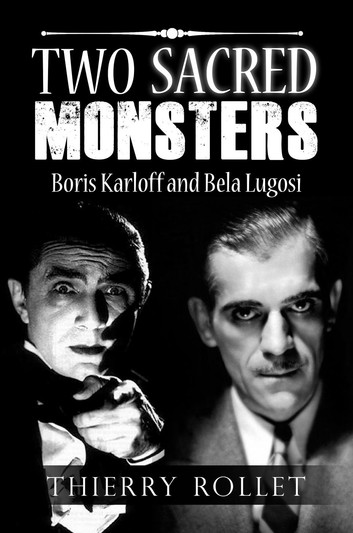
Description
Two Sacred Monsters: Boris Karloff and Bela Lugosi – A Comprehensive Synopsis
Introduction: Boris Karloff and Bela Lugosi as Horror Icons
Boris Karloff and Bela Lugosi defined horror cinema forever. These two actors became the faces of fear itself. Moreover, they created characters that still haunt our imaginations today. Their names remain synonymous with classic monster movies.
Thierry Rollet’s book examines these legendary performers in depth. He explores their careers, rivalry, and lasting impact. Furthermore, he reveals the men behind the monster makeup. Consequently, readers discover the human stories beneath the horror.
The title “Two Sacred Monsters” captures their unique status perfectly. They weren’t just actors playing monsters on screen. Instead, they became monsters in the public imagination. Therefore, their influence extends far beyond their actual films.
The Early Lives of Two Future Legends
Boris Karloff was born William Henry Pratt in England. He originally came from a respectable middle-class family. However, he chose acting over conventional career paths. His family strongly disapproved of this decision.
He struggled for years in theater and silent films. Moreover, he took whatever roles he could find. His breakthrough came relatively late in his career. Nevertheless, his persistence eventually paid off spectacularly.
Bela Lugosi was born Béla Ferenc Dezső Blaskó in Hungary. He became a successful stage actor in Budapest. Furthermore, he achieved fame in Hungarian theater productions. His early career seemed promising and stable.
Political upheaval eventually forced Lugosi to leave Hungary. He immigrated to America in search of new opportunities. Additionally, he faced language barriers and cultural challenges. Therefore, his American journey proved difficult initially.
The Breakthrough Roles That Changed Everything
Lugosi’s portrayal of Dracula completely transformed his career. He originated the role on Broadway in 1927. Moreover, his performance captivated audiences and critics alike. The stage production ran for over 250 performances.
Universal Studios adapted Dracula for film in 1931. Lugosi reprised his iconic role on screen. Furthermore, his performance defined the vampire character forever. Consequently, he became instantly recognizable worldwide.
Karloff’s breakthrough came with Frankenstein later that same year. Director James Whale cast him as the Monster. Moreover, makeup artist Jack Pierce created the iconic look. The film became a massive commercial success.
Karloff’s Monster was sympathetic despite its frightening nature. He brought humanity to the creature through subtle gestures. Additionally, he conveyed emotion through minimal dialogue. Therefore, his performance transcended typical monster movie acting.
Boris Karloff and Bela Lugosi: A Complex Relationship
The two actors shared a complicated professional relationship. They weren’t particularly close friends off-screen. However, they maintained mutual respect. Their rivalry was more professional than personal.
Hollywood often deliberately pitted them against each other. Studios constantly compared their box-office appeal. Moreover, they frequently competed for similar roles. Consequently, tension existed between them at times.
Nevertheless, they collaborated on several films together. Their on-screen chemistry proved undeniable and compelling. Furthermore, audiences loved seeing them share scenes. Therefore, studios paired them whenever possible for commercial purposes.
Their Iconic Film Collaborations
Boris Karloff and Bela Lugosi appeared together in eight films. Their first pairing was “The Black Cat” in 1934. Moreover, this film showcased their contrasting acting styles. It became one of Universal’s biggest hits.
“The Raven” (1935) reunited them successfully again. Lugosi played a mad surgeon obsessed with Poe. Additionally, Karloff portrayed a disfigured criminal seeking help. The film highlighted their different approaches to horror.
Their most famous collaboration was “Son of Frankenstein” (1939). Lugosi played Ygor, a broken-necked shepherd with sinister motives. Meanwhile, Karloff returned as the Monster one final time. Furthermore, their scenes together crackled with tension and energy.
Other notable pairings included:
- “The Invisible Ray” (1936)
- “Black Friday” (1940)
- “You’ll Find Out” (1940)
- “The Body Snatcher” (1945)
- “The Black Castle” (1952)
Contrasting Acting Styles and Approaches
Karloff brought subtlety and nuance to his performances. He used body language and facial expressions masterfully. Moreover, he found humanity in even monstrous characters. His approach was methodical and carefully considered.
He studied his roles extensively before filming began. Furthermore, he collaborated closely with makeup artists and directors. His preparation showed in every detail of his performance. Therefore, his monsters felt real and three-dimensional.
Lugosi relied heavily on theatrical techniques and presence. His stage training significantly influenced his film work. Moreover, he used his distinctive accent as a tool. His performances were always bold and commanding.
He brought intensity and passion to every role. Furthermore, his Dracula became the definitive vampire portrayal. His hypnotic stare and deliberate movements created menace. Consequently, audiences found him both attractive and terrifying.
The Dracula Legacy and Lugosi’s Curse
Lugosi’s Dracula became both a blessing and a curse simultaneously. The role made him internationally famous overnight. However, it also typecast him severely for life. Moreover, he struggled to escape the vampire’s shadow.
He initially turned down the role of the Frankenstein Monster. He believed the part lacked dialogue and dignity. Furthermore, he didn’t want to hide under heavy makeup. This decision ultimately proved costly to his career.
Karloff accepted the Monster role Lugosi rejected. Consequently, Karloff’s career flourished while Lugosi’s stagnated. The Monster allowed Karloff to show range and depth. Therefore, he received better roles and opportunities afterward.
Lugosi became desperate for work in later years. He accepted increasingly inferior roles in bad films. Moreover, his personal life deteriorated alongside his career. His morphine addiction worsened his professional problems.
Karloff’s Sustained Success and Versatility
Karloff maintained a successful career for decades longer. He avoided typecasting by carefully selecting roles. Moreover, he worked in theater, radio, and television. His versatility kept him relevant and employed.
He played villains, heroes, and complex characters equally well. Furthermore, he brought intelligence to every performance. Audiences respected him as a serious actor. Therefore, he successfully transcended the horror genre.
He narrated “How the Grinch Stole Christmas” in 1966. This role introduced him to new generations of fans. Additionally, it showed his range beyond horror completely. The special remains a beloved holiday classic today.
He continued working until shortly before his death. Moreover, he maintained his professionalism throughout his career. Directors and co-stars consistently praised his work ethic. Consequently, he left behind an impressive body of work.
The Personal Struggles Behind the Monsters
Both actors faced significant personal challenges throughout their lives. Karloff dealt with chronic back pain from physical roles. Moreover, he endured multiple surgeries and health problems. Nevertheless, he rarely complained publicly about his difficulties.
He married five times during his long life. Furthermore, he had a daughter he adored deeply. His personal life remained relatively stable despite career pressures. Therefore, he maintained dignity and grace throughout.
Lugosi’s personal struggles were more publicly visible and tragic. His morphine addiction began after legitimate medical treatment. However, it spiraled into serious dependency over time. Moreover, his financial problems compounded his other difficulties.
He married five times and had one son. Furthermore, his relationships suffered from his addiction and career stress. He filed for bankruptcy in his later years. Consequently, his final years were marked by poverty.
Thierry Rollet’s Analytical Approach
Rollet brings scholarly rigor to his dual biography. He conducted extensive research using primary and secondary sources. Moreover, he interviewed people who knew both actors. His approach balances academic analysis with engaging storytelling.
He examines how Hollywood created and marketed these stars. Furthermore, he explores the studio system’s impact on careers. His analysis reveals the business side of horror cinema. Therefore, readers better understand the industry context.
He carefully compares their acting techniques and career choices. Moreover, he analyzes why Karloff succeeded where Lugosi struggled. His insights illuminate the nature of fame and typecasting. Consequently, the book offers valuable lessons about show business.
The Golden Age of Universal Horror
Boris Karloff and Bela Lugosi dominated Universal’s horror output. The studio created a monster movie empire then. Moreover, these films defined the horror genre for decades. Their influence shaped cinema history permanently.
Universal’s monster movies consistently followed successful formulas. They combined Gothic atmosphere with sympathetic monsters. Furthermore, they featured strong visual styles and memorable music. Therefore, they created a distinctive brand identity.
The films effectively reflected Depression-era anxieties and fears. Monsters represented societal outsiders and economic uncertainty. Additionally, they explored themes of science gone wrong. Consequently, they resonated deeply with contemporary audiences.
Their Influence on Horror Cinema
These actors established templates for horror performances that endure to this day. Lugosi’s Dracula influenced every vampire portrayal since. Moreover, Karloff’s Monster set standards for sympathetic creatures. Their work became the foundation for the genre.
Modern horror actors still study their techniques carefully. Furthermore, filmmakers reference their films constantly in new works. Their influence appears in countless homages and parodies. Therefore, their legacy remains vital and relevant today.
They proved that horror could be both artistic and commercial. Moreover, they showed that monster roles required real acting skills. Their performances significantly elevated the genre’s respectability. Consequently, horror became a legitimate cinematic art form.
The Decline and Final Years
Lugosi’s career declined tragically in the 1950s. He appeared in increasingly terrible low-budget films. Moreover, his addiction worsened his professional reputation further. Directors hesitated to hire him despite his fame.
He voluntarily committed himself to addiction treatment in 1955. Furthermore, he courageously spoke publicly about his struggles. This honesty was completely unusual for that era. Nevertheless, his career never recovered fully afterward.
He died in 1956 at age 73. Moreover, he was buried wearing his Dracula cape. His funeral attracted many mourners and fans. Consequently, his death marked the end of an era.
Karloff continued working successfully into the 1960s. He appeared in numerous films, television shows, and plays. Moreover, he maintained his professional standards throughout. His final film was released after his death.
He died in 1969 at age 81. Furthermore, his career spanned over 50 years. He left behind over 170 film credits. Therefore, his body of work remains impressive today.
Boris Karloff and Bela Lugosi in Popular Culture
Their images remain instantly recognizable worldwide even now. Moreover, they appear constantly on merchandise, posters, and collectibles. Their faces symbolize classic horror to multiple generations. Consequently, they’ve achieved true cultural immortality.
Halloween decorations frequently feature their likenesses and characters. Furthermore, their films play on television every October. New audiences discover them annually through these broadcasts. Therefore, their popularity continues to grow rather than fade.
Documentaries, books, and articles regularly examine their lives. Moreover, film scholars analyze their contributions to cinema. Their work receives increasingly serious academic attention. Consequently, they’re now recognized as important cultural figures.
Why They Remain Relevant Today
Modern audiences still respond powerfully to their performances. The emotions they conveyed transcend outdated special effects. Moreover, their humanity shines through the monster makeup. Therefore, their work feels timeless rather than dated.
They represent a lost era of Hollywood craftsmanship. Furthermore, they remind us when movie stars had mystique. Their dedication to their craft inspires contemporary performers. Consequently, they serve as role models for actors.
For many, their films provide comfort through nostalgic familiarity. Moreover, they introduced countless people to horror cinema. Their work created lifelong fans of the genre. Therefore, their cultural impact extends beyond entertainment alone.
The Book’s Contribution to Film Scholarship
Rollet’s book fills an important gap in film literature. Few books examine both actors together comprehensively. Moreover, his analysis provides fresh insights into their careers. The book serves both casual readers and serious scholars.
He contextualizes their work within broader cultural movements. Furthermore, he examines how their images were constructed deliberately. His research reveals the machinery behind Hollywood stardom. Therefore, readers gain a deeper understanding of film history.
The book includes rare photographs and production materials. Moreover, it features detailed filmographies and career timelines. These resources make it valuable for reference purposes. Consequently, it belongs permanently in every film library.
Lessons from Two Different Career Trajectories
Karloff’s career demonstrates the importance of versatility and choices. He avoided typecasting by strategically selecting roles. Moreover, he maintained professionalism and good relationships throughout. His success came from talent combined with smart decisions.
He understood that longevity required adapting to changes. Furthermore, he embraced new media, such as television, early. His willingness to evolve kept him relevant continuously. Therefore, his career serves as a model of sustainability.
Lugosi’s trajectory shows the dangers of typecasting and addiction. His refusal of certain roles limited his options. Moreover, his personal problems undermined his professional opportunities. His story serves as a cautionary tale, unfortunately.
Nevertheless, his iconic portrayal of Dracula ensures his immortality. Furthermore, his influence on horror remains undeniable and profound. His legacy transcends his personal struggles ultimately. Therefore, he’s primarily remembered for his artistry.
The Enduring Appeal of Classic Monsters
These monsters tap into universal human fears and anxieties. Dracula represents seduction, death, and forbidden desires simultaneously. Moreover, Frankenstein’s Monster embodies rejection and the search for belonging. Therefore, they resonate across cultures and generations.
The films explore what it means to be human. Furthermore, they question the boundaries between civilization and savagery. Their themes remain completely relevant to contemporary society. Consequently, new interpretations continue appearing regularly.
The visual iconography they created remains powerful and evocative. Moreover, their makeup and costumes are instantly recognizable worldwide. This visual language transcends linguistic and cultural barriers. Therefore, they’ve achieved truly global cultural status.
Conclusion: Two Sacred Monsters Forever
Thierry Rollet’s book appropriately celebrates Boris Karloff and Bela Lugosi. It examines their contributions to cinema with depth and respect. Moreover, it reveals the complex humans behind the monster masks. The book serves as both tribute and analysis.
These two actors transformed horror cinema into an art form. They brought dignity and craft to roles others might dismiss. Furthermore, they created characters that transcended their original films. Consequently, they achieved a rare form of immortality.
Their rivalry and collaboration enriched cinema history immeasurably. Moreover, their contrasting careers offer valuable lessons about show business. Their legacy continues to influence filmmakers and actors today. Therefore, they truly deserve the title “sacred monsters.”
Boris Karloff and Bela Lugosi will never be forgotten. Their images and performances remain embedded in global culture. Furthermore, new generations continue to discover their work constantly. They are, and will remain, eternal icons of horror.


Reviews
There are no reviews yet.