Description
Analyzing Urban Change
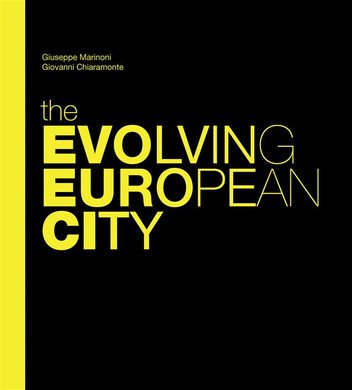
The Evolving European City investigates the shifting landscapes of modern urban centers. Giuseppe Marinoni and Giovanni Chiaramonte provide a deep introduction to this complex topic. They examine how history and modernity collide in European architecture. The book explores the physical and social structures of the city. Consequently, readers gain a better understanding of how urban environments adapt over time.
A Visual and Theoretical Study
This volume combines insightful essays with striking photography. Chiaramonte uses his lens to capture the essence of urban space. Meanwhile, the text analyzes the practical challenges of contemporary city planning. They discuss the balance between preserving heritage and building for the future. Moreover, the authors highlight the importance of public spaces in European life. Thus, the city becomes a living museum of human progress.
Patterns of Urban Growth
The narrative identifies several critical factors that drive urban evolution. It looks at how economic shifts redefine old industrial neighborhoods. Furthermore, the book examines the role of sustainability in modern design. The authors argue that a city must be both functional and beautiful. They use specific case studies to illustrate these points clearly. Therefore, the research offers a blueprint for future developments.
Key Themes of the Evolution
The book focuses on several core elements of the European practice:
Historical Continuity: Maintaining a link between ancient roots and modern needs.
Density and Form: How building height and placement affect social interaction.
Public Infrastructure: The vital role of transport and green spaces in city health.
Visual Identity: The way photography and art document the changing skyline.
The Future of the European Practice
Ultimately, the book serves as a vital resource for architects and planners. It highlights the unique identity of European cities in a globalized world. Additionally, the authors advocate for thoughtful, human-centered design. They remind us that buildings should serve the people who inhabit them. In conclusion, this work celebrates the resilience and beauty of the urban form.






Reviews
There are no reviews yet.