Description
Sketches of Frida: An Artist’s Interpretation of an Artist – A Visual Journey Through Frida Kahlo’s Legacy
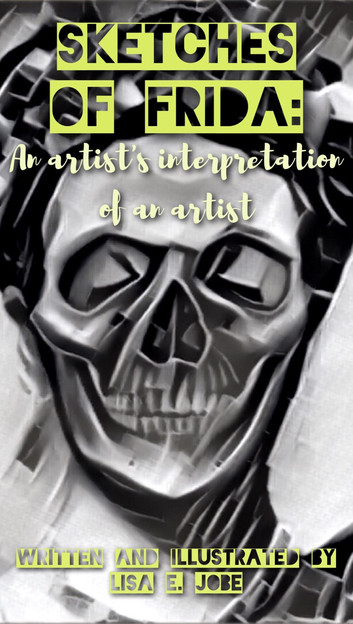
Sketches of Frida: An Artist’s Interpretation of an Artist by Lisa E. Jobe offers a unique visual exploration of Frida Kahlo’s life and art. This fourth installment in The Artist Series presents an artist’s perspective on one of history’s most iconic painters.
Through sketches and thoughtful commentary, Jobe creates an intimate portrait of Frida’s world. The book bridges past and present, connecting Frida’s revolutionary spirit with contemporary artistic expression. Therefore, readers discover both Frida Kahlo and Lisa E. Jobe’s creative vision simultaneously.
Frida Kahlo remains one of the most recognizable artists of the 20th century. Her self-portraits and surrealist works continue inspiring millions worldwide. Moreover, her life story of pain, passion, and resilience resonates across generations. Jobe’s interpretation honors this legacy while adding fresh artistic perspective. Consequently, the book serves as both tribute and creative dialogue.
Understanding Frida Kahlo’s Enduring Impact
Frida Kahlo (1907-1954) transformed personal suffering into powerful art. A devastating bus accident at age 18 left her with lifelong injuries. However, she channeled her pain into extraordinary paintings that explored identity, gender, and Mexican culture. Her work challenged conventions and broke artistic boundaries. Additionally, Frida’s unapologetic self-expression made her a feminist icon.
Her distinctive style combined Mexican folk art with surrealist elements. She painted her physical and emotional reality with unflinching honesty. Furthermore, Frida’s iconic appearance—bold eyebrows, colorful traditional dress, and flower crowns—became symbols of cultural pride. Her art addressed themes of disability, female experience, and postcolonial identity. Therefore, Frida’s influence extends far beyond the art world.
Today, Frida Kahlo’s image appears on everything from museum walls to popular merchandise. Her life has inspired countless books, films, and exhibitions. Nevertheless, her artistic genius sometimes gets overshadowed by her biography. Sketches of Frida returns focus to the art itself. Jobe’s work examines how Frida’s visual language continues speaking to contemporary audiences.
Lisa E. Jobe’s Artistic Approach in The Artist Series
Lisa E. Jobe created The Artist Series to explore legendary artists through visual interpretation. Each book combines sketches, artistic analysis, and personal reflection. The series celebrates creativity while making art history accessible. Moreover, Jobe’s approach emphasizes artist-to-artist connection across time. Book 4 focuses specifically on Frida Kahlo’s revolutionary contributions.
Jobe’s methodology involves studying the subject’s work, life, and cultural context. She then creates original sketches that respond to and reinterpret the artist’s vision. This process generates dialogue between past and present artistic voices. Additionally, Jobe includes written commentary that illuminates her creative choices. The result is both educational and deeply personal.
The Artist’s Interpretation of an Artist subtitle reflects this unique approach. Jobe doesn’t simply document Frida’s life or reproduce her paintings. Instead, she offers her own artistic response to Frida’s legacy. Therefore, readers experience two creative perspectives simultaneously. This layered approach enriches understanding of both artists’ work.
Visual Sketches: Capturing Frida’s Essence
The sketches in this book form the heart of Jobe’s interpretation. She uses various drawing techniques to capture different aspects of Frida’s life and art. Some sketches reference specific Kahlo paintings, while others explore broader themes. However, all maintain Jobe’s distinctive artistic voice. The visual elements include:
- Portrait studies exploring Frida’s iconic appearance
- Interpretations of key symbols from Kahlo’s paintings
- Sketches depicting moments from Frida’s life
- Abstract compositions reflecting emotional themes
- Studies of Mexican cultural elements in Frida’s work
Jobe’s drawing style complements rather than imitates Frida’s painting technique. She employs line work, shading, and composition to create her own visual language. Nevertheless, the sketches clearly honor Frida’s aesthetic sensibility. This balance between homage and originality defines the book’s artistic success.
The visual narrative progresses thematically rather than chronologically. Jobe organizes sketches around concepts like identity, pain, love, and resilience. Therefore, readers experience Frida’s story through emotional and artistic lenses. This structure emphasizes universal themes in Kahlo’s work.
Themes of Identity, Pain, and Resilience in Sketches of Frida
Identity formation stands central to both Frida’s art and Jobe’s interpretation. Frida’s self-portraits interrogated questions of gender, nationality, and selfhood. She painted herself repeatedly, exploring different facets of identity. Moreover, her work challenged binary thinking about gender and culture. Jobe’s sketches examine how Frida constructed and reconstructed her public persona.
Physical and emotional pain permeates Frida Kahlo’s artistic output. Her paintings depicted broken bodies, bleeding hearts, and psychological anguish. However, she transformed suffering into powerful visual statements. Frida refused to be defined solely by her disabilities. Instead, she claimed her pain as part of her complete identity. Sketches of Frida: An Artist’s Interpretation of an Artist explores this complex relationship with suffering.
Resilience emerges as perhaps the most inspiring theme in Frida’s legacy. Despite chronic pain, multiple surgeries, and personal heartbreak, she created prolifically. She maintained her artistic vision and political commitments throughout her life. Additionally, Frida built meaningful relationships and influenced younger artists. Jobe’s interpretation celebrates this indomitable spirit.
The book also addresses Frida’s cultural identity as a Mexican woman artist. She embraced indigenous Mexican traditions and rejected European artistic dominance. Her work asserted Mexican cultural value during a period of intense nationalism. Furthermore, Frida’s art contributed to broader conversations about postcolonial identity. These themes remain relevant in contemporary discussions of cultural representation.
How Art Reflects Frida’s Life and Legacy
Frida Kahlo’s art functioned as visual autobiography and political statement simultaneously. Her paintings documented her physical condition, emotional states, and relationships. She included specific symbols that referenced Mexican history and personal experiences. Therefore, understanding her life enhances appreciation of her art. However, the work also stands independently as powerful visual expression.
Key biographical elements appear throughout Frida’s paintings. The bus accident and subsequent surgeries feature in works like “The Broken Column.” Her tumultuous marriage to muralist Diego Rivera inspired numerous pieces. Moreover, her inability to have children influenced paintings exploring fertility and loss. Jobe’s sketches reference these biographical connections while emphasizing artistic achievement.
Frida’s legacy extends beyond her individual paintings. She opened doors for women artists and artists of color. Her unapologetic self-representation challenged beauty standards and gender norms. Additionally, Frida demonstrated that personal experience could be legitimate artistic subject matter. Contemporary artists continue building on these contributions.
The Artist Series Book 4 examines how Frida’s influence manifests in today’s art world. Her aesthetic appears in contemporary painting, photography, and digital art. Furthermore, her approach to identity politics informs current artistic discourse. Jobe’s interpretation connects historical and contemporary artistic conversations.
Who Should Read Sketches of Frida
This book appeals to multiple audiences with different interests. Art lovers will appreciate Jobe’s skilled sketches and thoughtful visual analysis. The drawings offer fresh perspectives on familiar Kahlo imagery. Moreover, the book’s format makes it accessible to casual readers. Therefore, it works as both coffee table book and serious art study.
Frida Kahlo fans will find new insights into their favorite artist. Jobe’s interpretation highlights aspects of Frida’s work that might be overlooked. She draws connections between different paintings and themes. Additionally, the book celebrates Frida’s enduring relevance. Long-time admirers will discover renewed appreciation for Kahlo’s genius.
Artists and art students can learn from Jobe’s interpretive methodology. The book demonstrates how to engage respectfully with another artist’s work. It shows the value of visual dialogue across time periods. Furthermore, aspiring artists see how to develop distinctive creative voices. The Artist Series provides models for artistic research and response.
Readers interested in women’s history and feminist icons will find inspiration here. Frida’s story of overcoming adversity resonates powerfully. Her refusal to conform to expectations remains revolutionary. Moreover, the book contextualizes Frida’s feminism within her historical moment. Contemporary readers can draw parallels to current gender equality struggles.
Why This Book Matters in Contemporary Art Discussion
Sketches of Frida: An Artist’s Interpretation of an Artist contributes to ongoing conversations about artistic legacy. It demonstrates how past artists continue influencing contemporary creative practice. The book models respectful engagement with cultural icons. Moreover, it shows that interpretation can be creative act rather than mere criticism. Therefore, Jobe’s work expands possibilities for art historical writing.
The book addresses important questions about representation and appropriation. How can contemporary artists engage with figures from different cultures? What constitutes respectful homage versus exploitation? Jobe navigates these issues thoughtfully through her artistic choices. She honors Frida’s Mexican identity while acknowledging her own perspective. This approach offers valuable lessons for cross-cultural artistic dialogue.
Visual literacy remains crucial in our image-saturated world. Books like this help readers develop skills for analyzing and appreciating art. Jobe’s commentary guides viewers through her creative process. She explains artistic decisions and symbolic choices. Consequently, readers learn to look more carefully at visual art. This educational dimension enhances the book’s value.
The Artist Series also preserves artistic legacies for new generations. Young readers might encounter Frida Kahlo first through Jobe’s interpretation. The accessible format invites exploration of Kahlo’s original work. Additionally, the book demonstrates that art history is living conversation. Each generation reinterprets past artists through contemporary lenses.
The Artist Series: Context and Continuation
Lisa E. Jobe’s Artist Series examines legendary creators through visual interpretation. Each volume focuses on a different influential artist. The series maintains consistent format while allowing each subject’s uniqueness to shine. Moreover, Jobe’s approach evolves with each book. Book 4 represents her most mature work in the series.
Previous volumes explored other iconic artists and their contributions. The series builds cumulative understanding of art history and creative process. Readers who follow the entire series gain broader perspective. However, each book also stands alone as complete work. Therefore, newcomers can start with any volume that interests them.
The series format combines visual and textual elements effectively. Sketches dominate the pages, with commentary providing context and insight. This balance respects both visual and verbal learners. Additionally, the books work as quick reads or extended study materials. Their versatility contributes to their appeal across audiences.
Future volumes will continue exploring influential artists from various periods and cultures. Jobe’s commitment to diversity ensures the series represents global artistic achievement. She selects subjects who challenged conventions and expanded artistic possibilities. Therefore, The Artist Series celebrates creativity in its many forms.
Conclusion: A Tribute Worth Discovering
Sketches of Frida: An Artist’s Interpretation of an Artist succeeds as both tribute and original artwork. Lisa E. Jobe honors Frida Kahlo’s legacy while asserting her own creative vision. The book invites readers into intimate dialogue with two talented artists. Moreover, it demonstrates art’s power to connect across time and culture. Therefore, this volume deserves place in any art lover’s collection.
The sketches capture Frida’s essence without attempting exact replication. Jobe’s interpretive approach respects Kahlo’s genius while maintaining artistic independence. This balance makes the book both educational and inspiring. Additionally, the accessible format welcomes readers regardless of art background. Anyone curious about Frida Kahlo will find value here.
As Book 4 in The Artist Series, this volume represents Jobe’s continued commitment to celebrating artistic excellence. Her unique methodology offers fresh perspectives on familiar subjects. The series proves that art history can be dynamic and personal. Furthermore, it shows how contemporary artists can engage meaningfully with past masters.
Pick up Sketches of Frida to experience Frida Kahlo through another artist’s eyes. Discover how Jobe’s sketches illuminate Kahlo’s enduring relevance. Learn about artistic interpretation as creative practice. Most importantly, celebrate two remarkable women artists whose work continues inspiring audiences worldwide. This book reminds us that great art transcends time and speaks to universal human experiences.


Reviews
There are no reviews yet.