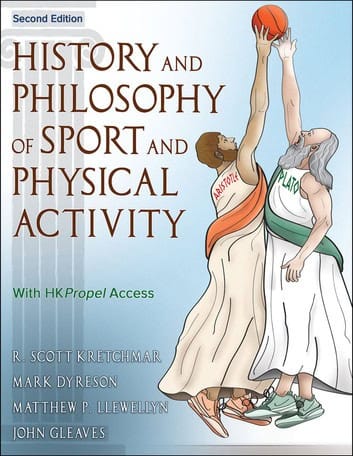
Description
Understanding Sport Through Time: A Complete Guide to History and Philosophy of Sport and Physical Activity
Introduction to a Groundbreaking Text
“History and Philosophy of Sport and Physical Activity” offers readers a comprehensive exploration of athletic culture. This essential textbook examines how sports shaped human civilization. Authors R. Scott Kretchmar, Mark Dyreson, Matt Llewellyn, and John Gleaves bring decades of expertise. Together, they illuminate sport’s profound impact on society.
The book serves students, educators, and sports enthusiasts alike. Moreover, it bridges academic rigor with accessible writing. Consequently, readers gain deep insights into athletic traditions. The text reveals why sports matter beyond entertainment.
Core Themes and Content Overview
The authors explore sport’s evolution across centuries and continents. Additionally, they examine philosophical questions about competition and fair play. Therefore, readers understand sport as a cultural phenomenon. The text connects ancient Olympic games to modern professional athletics.
Furthermore, the book addresses ethical dimensions of physical activity. It investigates questions about performance enhancement and equality. Meanwhile, historical analysis reveals how sports reflect societal values. Each chapter builds upon previous concepts systematically.
Key Topics Covered in the Text
“History and Philosophy of Sport and Physical Activity” encompasses diverse subject matter. The authors organize content into accessible thematic sections. Consequently, readers can follow sport’s development chronologically and conceptually.
The book examines these essential areas:
- Ancient athletic traditions and their cultural significance
- Medieval and Renaissance approaches to physical education
- Modern Olympic movement and international competition
- Philosophical debates about sport’s purpose and meaning
- Gender, race, and class issues in athletic participation
- Technology’s impact on contemporary sports
- Ethics of performance enhancement and doping
- Professionalization and commercialization of athletics
Each topic receives thorough treatment with historical context. Moreover, the authors provide philosophical frameworks for analysis. Thus, readers develop critical thinking skills about sports.
Historical Perspectives on Athletic Culture
The text traces sport’s origins to ancient civilizations. However, it avoids simplistic narratives about athletic progress. Instead, the authors reveal complex relationships between sport and power. Ancient Greeks viewed athletics as essential to citizenship.
Roman gladiatorial contests served different cultural purposes. Meanwhile, medieval societies developed their own physical activities. These included jousting, archery, and folk games. Each era’s sports reflected its unique values and structures.
The Renaissance brought renewed interest in classical athletic ideals. Consequently, physical education gained prominence in European schools. Yet access remained limited by social class. The authors examine these inequalities carefully throughout history.
Philosophical Foundations of Sport
Philosophy helps us understand sport’s deeper meanings. Therefore, the authors explore fundamental questions about competition. Why do humans engage in athletic contests? What makes competition valuable or harmful?
The book examines various philosophical traditions and perspectives. Ancient Greek philosophy emphasized physical excellence as virtue. Moreover, it connected bodily training to mental development. This holistic view influenced Western educational philosophy.
Modern philosophers debate sport’s relationship to human flourishing. Some argue competition builds character and resilience. Others question whether winning justifies aggressive behavior. The authors present multiple viewpoints fairly and thoroughly.
Ethical Questions in Modern Athletics
Contemporary sports face numerous ethical challenges. Consequently, the text addresses performance-enhancing drugs extensively. It examines arguments for and against various substances. The authors also explore genetic enhancement possibilities.
Fair play remains a central philosophical concern. What constitutes cheating versus strategic advantage? How should rules balance competition and safety? These questions lack simple answers.
Additionally, the book investigates commercialization’s impact on sport. Professional athletics generates billions in revenue annually. Yet this money often flows unequally among participants. The authors analyze these economic and moral tensions.
The Evolution of Physical Education
Physical education developed alongside modern schooling systems. However, its purposes and methods changed dramatically over time. Early programs emphasized military preparedness and discipline. Later approaches focused on health and personal development.
The text traces physical education’s professionalization as an academic field. Moreover, it examines debates about curriculum and assessment. Should physical education prioritize skill development or participation? Different educational philosophies offer contrasting answers.
Contemporary physical education faces new challenges and opportunities. Technology enables innovative teaching methods and fitness tracking. Meanwhile, childhood obesity concerns increase physical activity’s importance. The authors explore these evolving dynamics thoughtfully.
Gender and Sport Throughout History
Women’s athletic participation faced severe restrictions historically. Consequently, the authors dedicate substantial attention to gender issues. Ancient Olympic games excluded women entirely from competition. Victorian-era beliefs deemed vigorous exercise harmful to women.
The twentieth century brought gradual progress toward equality. Yet significant barriers remained in funding and opportunities. Title IX legislation transformed American collegiate athletics dramatically. Still, gender equity remains incomplete in many contexts.
The book examines ongoing debates about transgender athletes. These discussions involve complex biological and philosophical questions. Moreover, they reflect broader societal conversations about gender identity. The authors present various perspectives respectfully and analytically.
Race, Class, and Athletic Opportunity
Social hierarchies profoundly shaped athletic access throughout history. Therefore, the text analyzes how race and class affected participation. Elite sports often excluded working-class and minority athletes. Economic barriers prevented many talented individuals from competing.
Racial segregation created separate athletic institutions in many societies. African American athletes faced discrimination despite exceptional abilities. However, sports also provided platforms for challenging racial injustice. Jackie Robinson’s baseball career exemplifies this transformative potential.
Contemporary sports still reflect socioeconomic inequalities in various ways. Expensive sports like golf and tennis favor wealthy participants. Meanwhile, some sports offer mobility for disadvantaged communities. The authors examine these complex patterns without oversimplification.
Technology’s Transformation of Sport
Technological innovation continuously reshapes athletic competition and training. Consequently, the book explores technology’s multifaceted impacts on sport. Equipment improvements enhance performance across virtually all activities. Synthetic materials create lighter, stronger gear than ever before.
Digital technology revolutionizes how athletes train and compete. Video analysis enables detailed performance evaluation and improvement. Moreover, wearable sensors track physiological data in real time. These tools raise new questions about fairness and privacy.
Broadcasting technology transformed sports into global entertainment spectacles. Television brought athletics into millions of homes worldwide. Furthermore, streaming platforms now offer unprecedented access to competitions. This visibility generates enormous revenue but also commercial pressures.
The Globalization of Sport
Modern sports transcend national and cultural boundaries increasingly. Therefore, the authors examine globalization’s effects on athletic culture. International competitions like the Olympics unite diverse nations. Yet they also reveal political tensions and inequalities.
Western sports spread globally through colonialism and cultural influence. However, this process wasn’t simply one-directional or uniform. Indigenous games and sports also persist and evolve. The text acknowledges this complex cultural exchange honestly.
Global sports markets create new opportunities and challenges. Athletes now compete internationally for lucrative professional contracts. Meanwhile, wealthy nations and organizations dominate many sports. The authors analyze these power dynamics and their consequences.
Professional Sports and Commercialization
Professionalization fundamentally altered sport’s nature and purposes. Consequently, the book examines this transformation’s philosophical implications. Amateur ideals once dominated Olympic and collegiate athletics. Money was considered corrupting to sport’s pure competitive spirit.
Today’s professional sports constitute massive entertainment industries. Athletes earn millions while owners profit from franchises. Moreover, sponsorships and media rights generate additional billions. This commercialization raises questions about sport’s authentic values.
The text explores tensions between athletic and business priorities. Winning generates revenue, creating intense pressure on athletes. Yet excessive commercialization may undermine sport’s intrinsic goods. The authors help readers think critically about these tradeoffs.
Why This Book Matters Today
“History and Philosophy of Sport and Physical Activity” remains highly relevant. Contemporary sports face unprecedented challenges and opportunities simultaneously. Therefore, historical and philosophical perspectives provide essential guidance. Understanding sport’s past illuminates present dilemmas and future possibilities.
The book equips readers with analytical tools for evaluating athletics. Moreover, it encourages thoughtful reflection on sport’s societal roles. Sports influence health, education, economics, and international relations. Consequently, informed citizens need sophisticated understanding of athletic culture.
The authors demonstrate that sports deserve serious intellectual attention. Athletics reveal fundamental truths about human nature and society. Furthermore, they embody our highest aspirations and deepest conflicts. This text makes those insights accessible to all readers.
Conclusion: Sport as Human Expression
Sport represents a universal human activity across cultures. However, its meanings and practices vary enormously throughout history. This textbook illuminates that rich diversity and complexity. The authors successfully balance breadth with analytical depth.
Readers finish with enhanced appreciation for sport’s significance. Additionally, they gain frameworks for continued learning and reflection. The book serves as both introduction and ongoing reference. Its insights remain valuable long after initial reading.
Ultimately, understanding sport helps us understand ourselves better. Therefore, “History and Philosophy of Sport and Physical Activity” offers invaluable knowledge. It transforms how we watch, play, and think about athletics. This comprehensive text deserves a place in every sports enthusiast’s library.

Reviews
There are no reviews yet