

Description
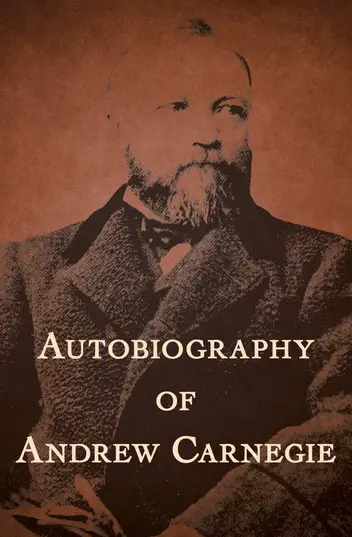
He arrived a penniless Scottish boy — and died one of the richest men in history. The Autobiography of Andrew Carnegie, published in 1920 after his death, is the industrialist's own account of that astonishing journey: from bobbin boy in a cotton factory to the steel magnate who built an empire. Carnegie writes with the plain confidence of a man who believed absolutely in hard work, education, and what he called the Gospel of Wealth — the idea that great fortunes carry great obligations. He describes the railroads, the steel mills, the deals and rivalries — and then the turn toward giving it all away: the libraries, universities, and peace endowments that still bear his name.
What makes this autobiography endure is its double story. The first half is the classic American ascent: an immigrant boy who taught himself, worked relentlessly, understood railroads and steel before his competitors did, and built the largest steel company the world had ever seen. The second half is rarer and more interesting: a man at the peak of wealth deciding that keeping it would be a failure. Carnegie gave away most of his fortune in his lifetime, funding thousands of public libraries, universities, and institutions for peace and knowledge — and he argued, forcefully, that every rich person owed the same. You will find both the pride and the blind spots of a self-made man, told without apology.
Whether you admire him or argue with him, this is essential reading for American business, philanthropy, and the making of the modern world — history told by the man who helped make it. For entrepreneurs, it is a masterclass in ambition and scale; for everyone else, it is a front-row seat to the Gilded Age and to the question every fortune eventually faces: what is wealth for? Get the ebook edition here at a discount from Tellebook.


Reviews
There are no reviews yet