

Across every culture and continent, humanity has looked to the forest and sensed something divine dwelling among the trees. The god of the woods appears in countless forms-sometimes benevolent protector, sometimes untamed force of nature, always commanding reverence. These woodland deities represent our ancestral relationship with wild places, embodying both the beauty and terror of nature in equal measure. From ancient Greece to Buddhist Southeast Asia, from Celtic groves to modern literature, the figure of a forest god continues to capture our imagination and shape our stories.
Ancient Origins of Forest Deities
The concept of the god of the woods stretches back to humanity’s earliest spiritual traditions. Before organized religion established temples in cities, sacred groves served as the first places of worship. Archaeological evidence from Indo-European cultures reveals that forest sanctuaries predated constructed religious buildings by millennia.
Pan: The Classical Woodland God
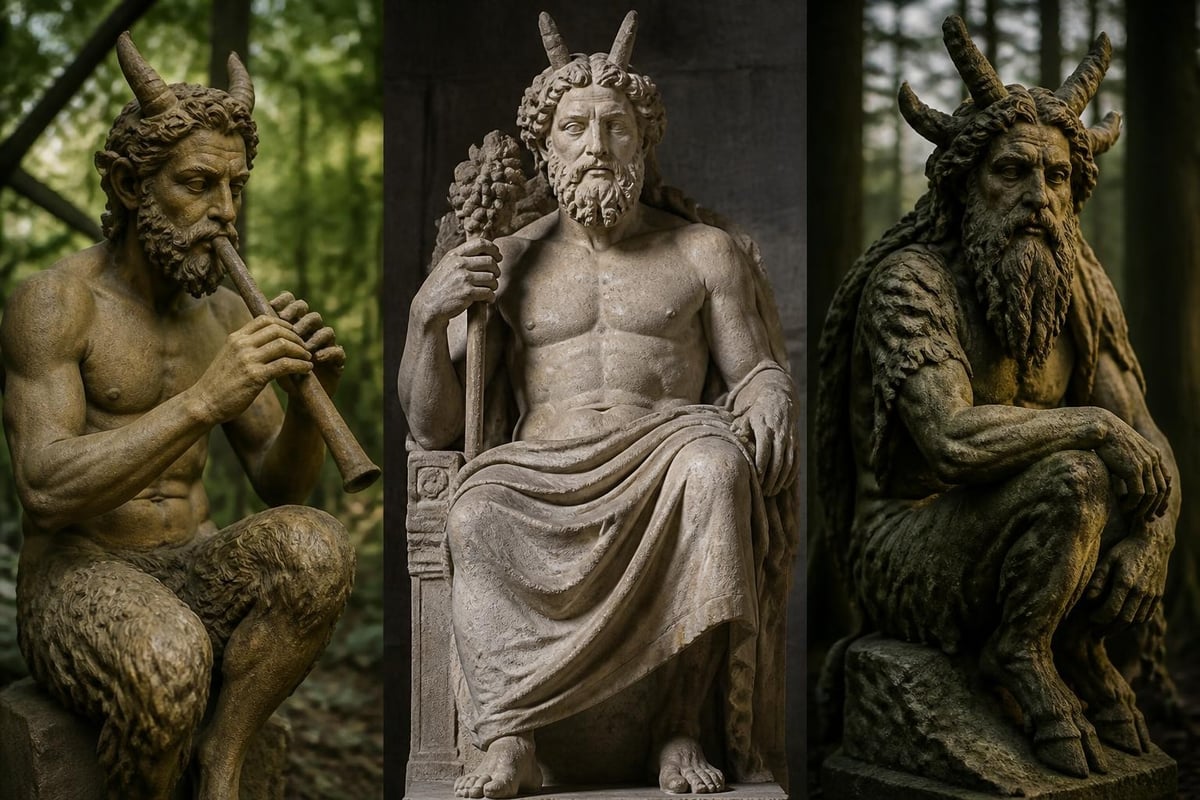
Greek mythology offers perhaps the most recognizable forest deity in Western tradition. Pan, the half-goat god of shepherds and wild places, embodied the untamed spirit of nature. According to scholars studying Pan’s cultural evolution, this deity represented far more than simple pastoral scenes-he symbolized the raw, unpredictable power of wilderness itself.
Pan’s influence extended beyond ancient Greece. His image as the god of the woods shaped Roman interpretations through Faunus, influenced medieval depictions of wilderness spirits, and eventually contributed to Christian imagery of temptation and wildness. The very word “panic” derives from Pan, referring to the sudden, overwhelming fear travelers experienced when alone in deep forest-a fear attributed to the god’s presence.
Key characteristics of Pan included:
- Dual nature combining human intelligence with animal instinct
- Association with midday heat and shadowy groves
- Musical talent represented through pan pipes
- Role as protector of flocks and wild creatures
- Representation of fertility and natural abundance
Eastern Traditions and Grove Goddesses
While Western readers often default to Greco-Roman mythology, Eastern traditions offer equally rich portrayals of woodland divinity. Buddhist narratives feature the Lumbinī forest goddess, a local grove deity who witnessed Buddha’s birth and became integrated into sacred site formation.
Sacred Groves in South Asian Traditions
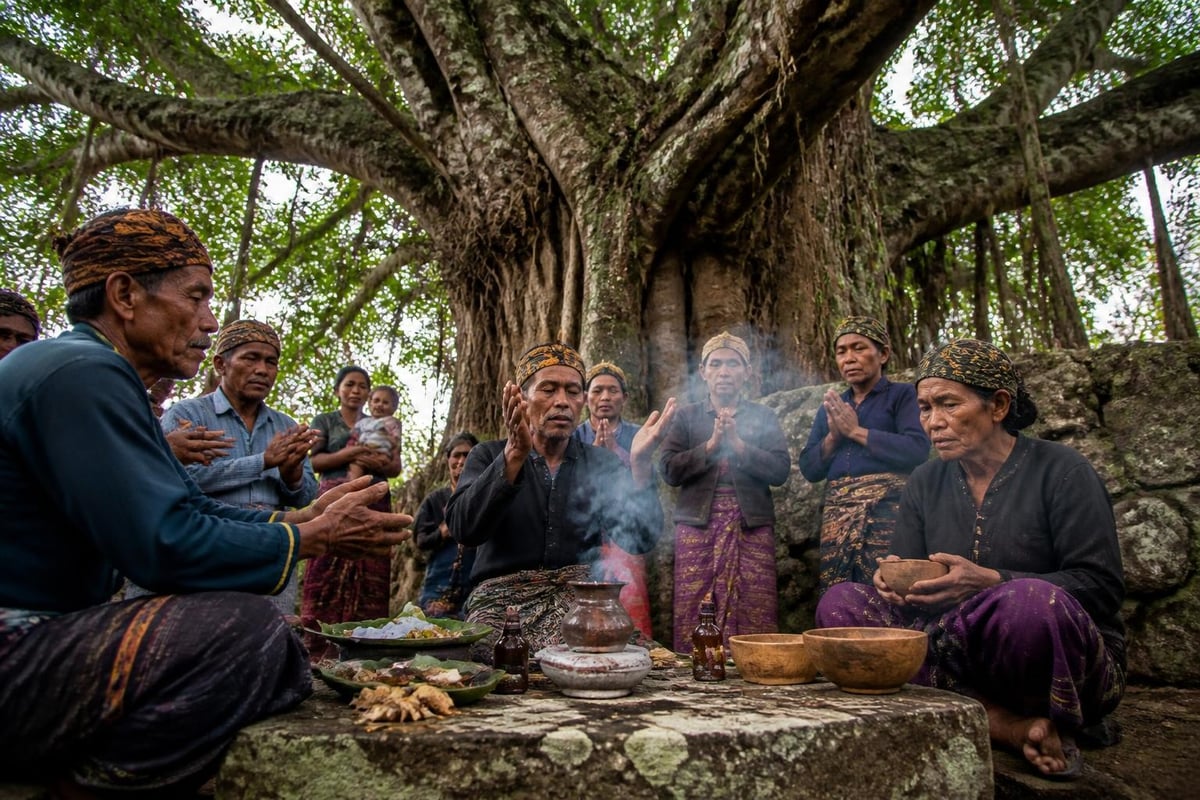
The god of the woods takes particularly tangible form in South Asian sacred grove traditions. Unlike abstract theological concepts, these forest deities manifest through specific trees, particular groves, and local landscape features. Research on sacred trees and pilgrimage practices documents how communities protect forest areas through religious reverence, creating practical conservation outcomes through spiritual belief.
| Tradition | Forest Deity Type | Primary Function | Cultural Region |
|---|---|---|---|
| Hindu | Vana Devata | Grove protector | India, Nepal |
| Buddhist | Yaksha/Yakshini | Tree spirits | Southeast Asia |
| Shinto | Kodama | Tree dwelling spirits | Japan |
| Celtic | Dryad equivalents | Oak guardians | Ancient Europe |
These woodland deities served dual purposes. Spiritually, they provided accessible divine presence without requiring elaborate temples or priestly intermediaries. Practically, declaring forests sacred prevented deforestation and maintained ecosystem health for communities dependent on forest resources.
Celtic and Northern European Forest Gods
Celtic traditions particularly emphasized the sacredness of specific trees and groves. Druids-whose very name connects to oak trees-conducted rituals in forest sanctuaries rather than built structures. The god of the woods appeared through multiple manifestations: Cernunnos, the antlered deity of wild things; tree spirits inhabiting specific oaks or ash trees; and nature goddesses presiding over sacred groves.
Norse mythology added another dimension to woodland divinity. While not exclusively forest-bound, deities like Vidar possessed strong associations with wild, wooded places. The World Tree, Yggdrasil, represented cosmic order through arboreal imagery, making forests literal connections between earthly and divine realms.
Practical Applications of Forest Worship
These weren’t merely poetic metaphors. Archaeological evidence reveals that Celtic and Germanic peoples conducted serious legal proceedings, tribal councils, and religious ceremonies in designated forest groves. The god of the woods witnessed oaths, blessed marriages, and received offerings ranging from valuable metalwork to agricultural first-fruits.
Common practices at sacred groves included:
- Seasonal festivals marking agricultural cycles
- Rites of passage for community members
- Dispute resolution and legal judgments
- Offerings to ensure hunting success
- Healing ceremonies using forest plants
- Weather magic and crop blessing rituals
Philosophical Perspectives on Nature Divinity
Modern theology and philosophy continue exploring the concept of divinity manifested through nature. Panentheistic frameworks examine how the divine might exist both transcendent and immanent-everywhere present yet beyond simple pantheistic identification with nature itself. The god of the woods fits naturally into these discussions, representing localized divine presence within broader cosmic unity.
This philosophical approach helps explain why forest deities appear across disconnected cultures. Rather than cultural diffusion, perhaps humans independently recognized something genuinely present in wild places-whether understood literally as divine beings or metaphorically as the awesome complexity of forest ecosystems.
The God of the Woods in Literature and Modern Storytelling
Contemporary authors continue drawing on woodland deity archetypes, recognizing their enduring narrative power. Fantasy literature particularly embraces these figures, from Tolkien’s tree-herding Ents to more recent interpretations in urban fantasy and contemporary mythology retellings.
Literary Evolution of Forest Gods
Early romantic literature treated the god of the woods as symbolizing humanity’s lost connection to nature during industrialization. Victorian writers like Algernon Blackwood wrote supernatural stories where ancient forest deities still lurked in diminishing woodlands, representing nature’s resistance to human encroachment.
Twentieth-century fantasy codified many tropes still used today. Forest gods became protectors opposing environmental destruction, wise counselors offering ancient knowledge, or dangerous forces punishing human arrogance. These characterizations reflected changing environmental awareness while maintaining mythological roots.
Common modern literary portrayals include:
- Protector of endangered wilderness areas
- Source of natural magic or primal power
- Judge of human worthiness to enter sacred spaces
- Teacher of ecological balance and interconnection
- Antagonist representing nature’s indifference or hostility
Modern storytelling often merges various cultural traditions, creating syncretic woodland deities borrowing from Greek, Celtic, Indigenous, and invented mythologies. This creative blending reflects our globalized culture while maintaining the core concept: forests harbor something greater than mere trees.
For readers interested in exploring these themes deeper, Tell eBook’s science fiction and fantasy collection offers numerous titles featuring woodland mythology and nature-based magic systems.
Psychological Archetypes and the Wild Divine
Jungian psychology identifies the forest as archetypal space representing the unconscious mind-wild, unexplored, containing both treasure and danger. The god of the woods thus becomes an externalized representation of our psyche’s untamed aspects. Meeting this deity in myth or story symbolizes confronting what civilization has repressed or denied.
The Shadow and the Sacred Grove
Forest gods frequently embody characteristics society excludes or fears: sexuality, violence, mortality, chaos. Pan’s association with panic captures this perfectly-the terror of encountering what we’ve pushed outside civilized boundaries. Yet these deities also offer gifts: creativity, vitality, authentic connection, freedom from artificial constraints.
This psychological dimension explains why the god of the woods remains relevant long after literal belief in forest spirits faded. The archetype addresses genuine psychological needs: reconnection with nature, integration of shadow aspects, recovery of vitality dulled by modern life’s constraints.
| Psychological Function | Mythological Expression | Modern Application |
|---|---|---|
| Shadow integration | Wild, untamed deity characteristics | Accepting natural impulses |
| Reconnection to body | Physical, sensual forest gods | Embodiment practices |
| Environmental awareness | Sacred grove protection | Conservation ethics |
| Authenticity recovery | Truth-telling forest spirits | Psychological honesty |
Environmental Ethics and Sacred Ecology
Contemporary environmentalism increasingly recognizes the practical value of treating nature as sacred. Communities protecting forests through religious reverence often achieve better conservation outcomes than purely secular approaches. The god of the woods, whether understood literally or metaphorically, creates ethical frameworks preventing exploitation.
From Myth to Conservation Practice
Indigenous communities worldwide maintain forest protection traditions rooted in beliefs about woodland spirits and sacred groves. These aren’t primitive superstitions but sophisticated land management systems encoding ecological knowledge through spiritual narrative. When forests house deities, cutting trees requires serious justification and ceremonial permission.
Modern conservation efforts sometimes partner with religious communities precisely because spiritual motivation proves more durable than economic incentives. The god of the woods provides non-utilitarian reasons for forest preservation-these places matter beyond timber value or carbon sequestration.
Conservation benefits of sacred grove traditions:
- Long-term protection spanning generations
- Community enforcement without external oversight
- Biodiversity preservation through restricted access
- Cultural continuity strengthening environmental stewardship
- Resistance to short-term economic pressures

Reading and Researching Forest Mythology
For readers fascinated by these traditions, numerous resources enable deeper exploration. Academic texts examine specific cultural contexts, while contemporary fiction reimagines ancient archetypes for modern audiences. Understanding the god of the woods requires both scholarly rigor and imaginative engagement.
Primary sources matter tremendously. Reading Ovid’s Metamorphoses provides direct access to Roman forest deity stories, while translations of Celtic poetry preserve pre-Christian nature reverence. Classic literature collections often include mythology-rich texts that shaped Western understanding of woodland divinity.
Modern retellings offer fresh perspectives on ancient themes. Authors like Patricia McKillip, Charles de Lint, and Juliet Marillier weave forest mythology into contemporary narratives, demonstrating these archetypes’ continued vitality. Their work shows how the god of the woods adapts to address current environmental and spiritual concerns while maintaining mythological depth.
Building Your Mythology Library
Serious exploration requires reading across disciplines: comparative mythology, environmental history, anthropology, psychology, and creative literature. Nonfiction sections covering history and cultural studies provide scholarly context, while fiction brings myths alive through imaginative storytelling.
Essential reading categories include:
- Classical mythology primary sources and commentaries
- Anthropological studies of sacred grove traditions
- Environmental philosophy and ethics
- Jungian psychology and archetypal analysis
- Contemporary fantasy incorporating woodland mythology
- Folklore collections from various cultures
Many readers begin with accessible introductions before progressing to specialized academic work. Joseph Campbell’s comparative mythology, though sometimes criticized for overgeneralization, offers useful entry points. From there, culture-specific studies provide greater depth and accuracy.
Contemporary Spirituality and Forest Connection
Modern paganism, ecopsychology, and nature-based spiritual movements explicitly revive worship of the god of the woods. These aren’t simple recreations of ancient practice but creative adaptations addressing contemporary needs. Urban practitioners adapt forest deity reverence to park visits or even houseplants, maintaining spiritual principles when literal groves prove inaccessible.
Forest bathing practices, derived from Japanese shinrin-yoku, suggest scientific validation for intuitions underlying woodland worship. Measured health benefits from forest exposure-reduced stress hormones, improved immune function, enhanced mood-hint at why humans might perceive forests as healing, sacred spaces. The god of the woods becomes metaphor for measurable biological responses to natural environments.
Personal Practice and Ecological Action
Many contemporary practitioners combine spiritual reverence with concrete environmental action. Treating forests as sacred means protecting them through political advocacy, restoration volunteering, and sustainable consumption choices. The god of the woods inspires both inner transformation and outer activism.
This integration addresses criticisms that nature spirituality offers mere escapism. By linking reverence to responsibility, modern forest spirituality creates ethical frameworks driving environmental protection. Personal practice-meditation in nature, seasonal rituals, artistic expression-connects to collective action preserving wild places.
Mythology’s Future in Environmental Crisis
As climate change threatens forest ecosystems globally, might renewed reverence for the god of the woods serve practical purposes? Some environmentalists argue that technical solutions alone won’t suffice-we need transformed relationships with nature requiring spiritual or mythological dimensions.
Stories shape perception and thus behavior. If forests remain mere resources, timber inventories and carbon banks, they lack protection against short-term economic pressures. But forests housing divine presence, serving as sacred space, earn protection exceeding utilitarian calculation.
The god of the woods offers narrative resources for this transformation. These aren’t lies or manipulations but different truth frameworks. Scientific ecology describes forest complexity; mythology addresses human meaning and moral responsibility. Both perspectives together create richer understanding than either alone.
Whether readers approach these traditions as literal religious truth, psychological archetype, literary metaphor, or cultural history, the god of the woods remains relevant. These stories encode ecological wisdom, psychological insight, and spiritual depth developed across millennia. Modern readers discover resources for environmental ethics, creative inspiration, and personal transformation.
Those seeking to explore mythology and storytelling further can discover diverse perspectives through Tell eBook’s extensive shop, where thousands of titles spanning fiction, nonfiction, and biography offer countless windows into humanity’s relationship with nature and the sacred.
The enduring presence of the god of the woods across cultures and centuries reveals something fundamental about human consciousness and our relationship with wild places. These myths aren’t relics but living resources addressing contemporary environmental and spiritual needs. Whether you’re drawn to ancient mythology, modern fantasy reimaginings, or scholarly analysis of cultural traditions, exploring woodland deity narratives enriches understanding of both nature and ourselves. Tell eBook offers thousands of titles across fiction, fantasy, classics, and nonfiction to support your journey into these timeless stories-discover your next read today and reconnect with humanity’s oldest sacred narratives.