

The digital publishing industry has transformed how authors, publishers, and content creators distribute their work. Setting up a shopify ebook store offers entrepreneurs a powerful platform to sell digital content without managing physical inventory or shipping logistics. Whether you're an independent author, a business sharing industry expertise, or a curator building a comprehensive digital library, understanding the technical and strategic elements of selling ebooks through Shopify positions you for sustainable growth in the expanding digital marketplace.
Building Your Shopify Ebook Store Foundation
Setting up a professional ebook store requires strategic planning beyond simply uploading files. The foundation you build determines how smoothly your operations run and how customers perceive your brand.
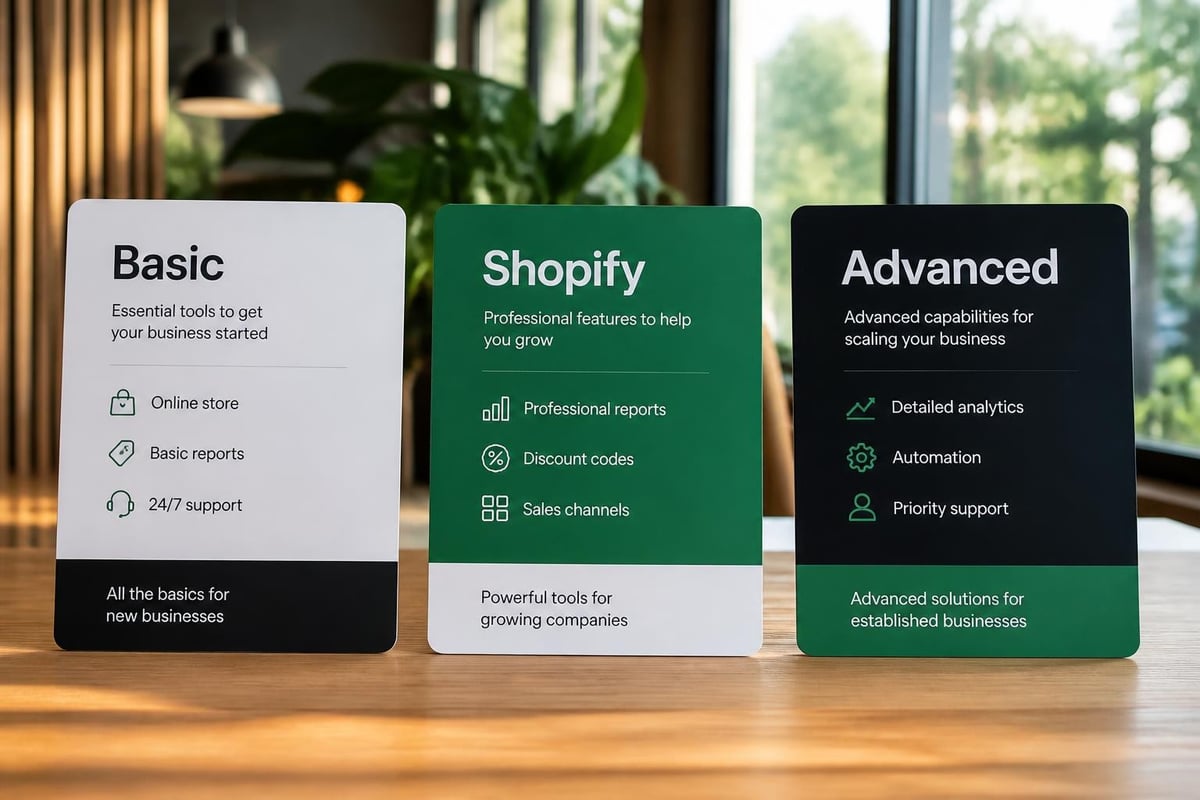
Choosing the Right Shopify Plan
Your store requirements influence which Shopify subscription tier makes sense. Basic Shopify plans work well for new sellers testing the market, while growing businesses benefit from advanced features in higher tiers. Consider your expected monthly sales volume, desired customization level, and need for detailed analytics when selecting your plan.
Key factors to evaluate:
- Transaction fees versus monthly subscription costs
- Number of products you plan to offer initially
- Required staff accounts for team management
- Advanced reporting needs for business decisions
- Professional features like abandoned cart recovery
The initial setup process on Shopify is straightforward, but sellers should invest time customizing their storefront to reflect their brand identity. Choose a theme that highlights digital products effectively and ensures easy navigation across all devices.
Essential Digital Download Applications
Shopify doesn't natively support digital product delivery, making third-party apps essential for shopify ebook sellers. These applications automate file delivery, manage licensing, and protect your digital assets from unauthorized distribution.
Popular digital download apps include Digital Downloads by Shopify, SendOwl, FetchApp, and Sky Pilot. Each offers different feature sets:
| App Name | Best For | Key Features | Price Range |
|---|---|---|---|
| Digital Downloads | Simple stores | Basic delivery, PDF support | Free |
| SendOwl | Content creators | Licensing, affiliate tools | $9-39/month |
| FetchApp | High-volume sellers | Automated delivery, analytics | $5-20/month |
| Sky Pilot | Professional publishers | DRM protection, streaming | $10-30/month |
According to comprehensive guides on selling ebooks on Shopify, selecting the right digital delivery system impacts customer satisfaction and reduces support requests significantly.
Creating Compelling Product Listings
Your product pages serve as virtual salespeople, converting browsers into buyers. Effective shopify ebook listings combine persuasive copywriting with technical optimization.
Crafting Engaging Descriptions
Ebook descriptions should communicate value immediately. Start with a compelling hook that addresses reader pain points or desires. Include specific benefits readers gain from your content, not just generic features.
Structure your descriptions for scanability:
- Opening hook that captures attention within three seconds
- Problem identification showing you understand reader challenges
- Solution presentation explaining how your ebook addresses those needs
- Author credentials building trust and authority
- Clear call-to-action guiding the purchase decision
Include technical details like page count, file format, file size, and compatibility information. Customers appreciate knowing exactly what they're purchasing before clicking buy.
Optimizing Product Images and Previews
Visual elements dramatically impact conversion rates for digital products. Create professional 3D mockups showing your ebook on tablets, phones, and e-readers. These images help customers visualize owning and using your product.
Offer preview chapters or sample pages. This transparency builds confidence in your content quality and reduces purchase hesitation. Many successful sellers provide the first chapter free, demonstrating value before asking for payment.
Image optimization checklist:
- High-resolution 3D mockups from multiple angles
- Consistent branding across all product images
- Mobile-optimized image sizes for fast loading
- Preview pages showcasing content quality
- Badge graphics highlighting special features or bonuses
Pricing Strategies for Digital Products
Pricing a shopify ebook requires balancing perceived value, production costs, and competitive positioning. Unlike physical products, digital goods have minimal marginal costs, offering flexibility in pricing experimentation.
Competitive Pricing Analysis
Research similar titles in your niche before setting prices. Examine what established authors charge for comparable content length and topic depth. Consider your positioning: are you the premium expert resource or the accessible entry-level option?
Shopify’s official guide to selling ebooks suggests testing multiple price points to identify your optimal conversion rate. Higher prices with fewer sales sometimes generate more revenue than volume-based strategies.
Price anchoring techniques work effectively with digital bundles. Offer individual ebooks at standard prices while presenting multi-book collections at discounted rates. This encourages larger purchases and increases average order value.

Implementing Tiered Pricing Models
Create multiple versions of your content at different price points. A basic ebook might include core information, while premium versions add worksheets, templates, video tutorials, or one-on-one consultations.
| Pricing Tier | Content Included | Typical Price | Best For |
|---|---|---|---|
| Basic | Core ebook only | $9-19 | Budget-conscious readers |
| Standard | Ebook plus worksheets | $29-49 | Action-oriented buyers |
| Premium | Full package with coaching | $99-199 | Serious implementers |
This tiered approach increases revenue per customer while serving different segments of your audience effectively.
Marketing Your Shopify Ebook Store
Building a beautiful store means nothing without traffic. Successful shopify ebook sellers implement multi-channel marketing strategies that attract qualified visitors consistently.
Content Marketing and SEO
Create valuable content that attracts your target audience organically. Blog posts addressing reader questions position you as an authority while driving search engine traffic. Focus on long-tail keywords related to your ebook topics.
Optimize product pages for search engines by:
- Writing unique, keyword-rich descriptions for each ebook
- Using descriptive file names for images and downloadable files
- Creating detailed category pages with helpful buying guides
- Building internal links between related products and content
- Encouraging customer reviews for social proof and fresh content
Guest posting on industry blogs expands your reach to established audiences. Provide genuine value in these contributions while subtly mentioning your expertise and resources.
Email Marketing Campaigns
Email remains one of the highest-converting channels for digital product sales. Build your list by offering free content in exchange for email addresses. Sample chapters, exclusive articles, or helpful checklists work well as lead magnets.
Effective email sequence structure:
- Welcome email with promised lead magnet
- Value-focused content sharing helpful tips
- Story-based email building personal connection
- Soft pitch introducing your paid ebook naturally
- Direct promotional offer with clear benefits
- Last chance reminder creating urgency
Segment your email list based on interests and purchase history. Readers who bought business ebooks receive different recommendations than fiction enthusiasts. Personalization significantly improves engagement and conversion rates.
Social Media Promotion Tactics
Different platforms serve different purposes in your marketing ecosystem. Instagram and Pinterest work well for visually showcasing ebook covers and reader testimonials. Twitter facilitates conversations with your audience and industry networking. Facebook groups allow community building around your topics.
Share behind-the-scenes content about your writing process, research methods, or upcoming projects. This transparency builds authentic connections that translate into loyal customers. According to detailed guides on digital product sales, consistent social presence increases brand recognition and drives steady traffic to your store.
Automation and Streamlined Operations
As your shopify ebook business grows, automation becomes essential for maintaining service quality without proportionally increasing workload. Smart sellers implement systems that handle routine tasks automatically.
Automated Delivery Systems
Configure your digital download app to send ebooks immediately upon purchase confirmation. Customers expect instant access to digital products, and delays create frustration that leads to refund requests.
Set up automated email sequences for different customer actions:
- Purchase confirmation with download instructions
- Follow-up three days later requesting feedback
- Cross-sell recommendations based on purchase history
- Re-engagement campaigns for inactive customers
These automated touchpoints maintain customer relationships without manual intervention for each transaction.
Customer Service Workflows
Despite automation, some customers need personal assistance. Create a comprehensive FAQ section addressing common questions about file formats, download procedures, and device compatibility. This self-service resource reduces support tickets significantly.
For questions requiring personal responses, use templated replies that you customize slightly for each inquiry. This approach maintains efficiency while providing personalized service that customers appreciate.
Common support topics to address:
- File format compatibility issues
- Download link expiration problems
- Payment processing questions
- Refund policy clarifications
- Technical access challenges
Protecting Your Digital Assets
Security concerns represent a legitimate challenge when selling digital products. While you cannot prevent all unauthorized sharing, implementing protective measures reduces casual piracy and demonstrates professional standards.
Digital Rights Management Options
Some digital download apps include DRM (Digital Rights Management) features that restrict copying, printing, or sharing. Advanced platforms for selling ebooks on Shopify offer watermarking capabilities that embed purchaser information into files, discouraging redistribution.
Consider whether strict DRM aligns with your brand values. Some customers resent restrictive protections that limit legitimate use across their devices. Others appreciate security knowing they purchased authentic content.
Legal Protections and Terms
Include clear terms of service and licensing agreements with each purchase. Specify that customers purchase a license for personal use, not ownership of the intellectual property itself. These legal documents provide recourse if you discover significant unauthorized distribution.
Copyright your content formally before publication. While copyright exists automatically upon creation, formal registration provides stronger legal standing if enforcement becomes necessary.
Expanding Your Product Catalog
Successful shopify ebook sellers continually expand their offerings to serve growing audiences and increase revenue streams. Strategic product development keeps your store fresh and gives customers reasons to return.
Creating Complementary Products
Audiobook versions of popular ebooks serve customers who prefer listening over reading. Workbooks, templates, and companion guides extend the value of core content while commanding additional purchase prices.
Bundle related ebooks into themed collections. A business productivity store might offer separate ebooks on time management, goal setting, and delegation, then create a "Complete Productivity System" bundle at a discounted combined price.
Seasonal and Trending Topics
Monitor industry trends and seasonal interests to create timely content. Business topics like tax preparation gain traction in early months of each year, while summer might favor light reading or vacation planning guides.
Quick-turnaround ebooks addressing current events or emerging trends position you as a responsive, relevant resource. Balance evergreen content providing lasting value with timely pieces capturing immediate interest.

Analyzing Performance and Optimization
Data-driven decisions separate growing businesses from stagnating ones. Regular analysis of your shopify ebook store performance reveals optimization opportunities and guides strategic planning.
Key Metrics to Monitor
Track these essential performance indicators:
- Conversion rate: Percentage of visitors who make purchases
- Average order value: Mean revenue per transaction
- Customer acquisition cost: Marketing spend divided by new customers
- Customer lifetime value: Total revenue from average customer relationship
- Product performance: Which ebooks sell best and which underperform
Shopify's built-in analytics provide basic insights, while Google Analytics offers deeper understanding of customer behavior and traffic sources. Set up goal tracking to measure specific conversion events and identify drop-off points in your sales funnel.
A/B Testing Strategies
Test individual elements systematically to improve conversion rates. Change one variable at a time to isolate what drives results.
Elements worth testing:
- Product page headlines and descriptions
- Cover image designs and 3D mockup styles
- Pricing points and discount structures
- Call-to-action button text and colors
- Product page layouts and information hierarchy
Run tests for sufficient duration to gather statistically significant data. Premature conclusions based on small sample sizes lead to poor optimization decisions.
Building Customer Loyalty Programs
Acquiring new customers costs significantly more than retaining existing ones. Implementing loyalty programs encourages repeat purchases and increases customer lifetime value for your shopify ebook business.
Rewards and Incentive Systems
Offer points for purchases that customers redeem for discounts on future orders. A simple system might award one point per dollar spent, with 100 points earning a $10 discount.
Exclusive access creates perceived value. Give loyal customers early access to new releases, special edition covers, or bonus content unavailable to general purchasers. This VIP treatment strengthens emotional connections to your brand.
Subscription and Membership Models
Monthly subscription services providing ongoing access to your full catalog or regular new releases create predictable recurring revenue. This model works especially well for sellers with extensive catalogs or regular publishing schedules.
Platforms specializing in digital products often integrate subscription management features that automate billing, content access, and member communications. These systems handle technical complexity while you focus on creating valuable content.
International Expansion Considerations
Digital products eliminate shipping barriers, making international sales accessible from day one. However, cultural, linguistic, and payment considerations require attention for successful global expansion.
Multi-Currency and Payment Options
Enable multiple currencies so international customers see prices in familiar formats. Shopify Payments supports numerous currencies, reducing friction in the purchase process.
Offer payment methods popular in your target markets. While credit cards dominate in North America, other regions prefer digital wallets, bank transfers, or regional payment platforms. Research preferences in your highest-traffic countries and add appropriate options.
Localization Strategies
Translating ebooks into additional languages exponentially expands addressable markets. Start with languages spoken by significant portions of your current traffic. Google Analytics reveals which countries send the most visitors.
Beyond translation, cultural localization adapts examples, references, and case studies to resonate with different audiences. Business advice written for American entrepreneurs may require adjustment for European or Asian markets where business customs differ.
Technical Optimization for User Experience
Smooth technical performance directly impacts sales conversion. Customers abandon slow-loading stores or struggle with confusing checkout processes.
Site Speed Optimization
Compress images without sacrificing visual quality. Large cover images slow page loading, particularly for mobile users on cellular connections. Tools like TinyPNG reduce file sizes while maintaining appearance.
Minimize apps and custom code that add unnecessary loading overhead. Each app increases page weight and processing requirements. Audit your installed apps quarterly, removing those providing minimal value.
Mobile Experience Refinement
Over sixty percent of ecommerce traffic comes from mobile devices in 2026. Test your shopify ebook store thoroughly on various phones and tablets.
Mobile-specific considerations include:
- Larger tap targets for buttons and links
- Simplified navigation menus
- Condensed product descriptions with expandable sections
- Streamlined checkout with auto-fill capabilities
- Prominent download instructions for post-purchase
Leveraging Customer Reviews and Social Proof
Testimonials and reviews dramatically influence purchase decisions for digital products where customers cannot physically examine items before buying. Strategic collection and display of social proof increases conversion rates measurably.
Review Collection Systems
Automate review requests in post-purchase email sequences. Wait 5-7 days after delivery so customers have time to consume content before requesting feedback. Make the process easy with direct links to review forms.
Incentivize reviews ethically by offering entry into drawings or bonus content for leaving honest feedback. Never offer rewards contingent on positive reviews, which creates bias and potentially violates platform policies.
Display reviews prominently on product pages, particularly those mentioning specific benefits or solving particular problems. These detailed testimonials help prospects envision how your ebook addresses their needs.
Showcasing Success Stories
Feature customer success stories in blog posts, social media, and email campaigns. Interview readers who achieved notable results applying your content. These narratives provide compelling evidence of value beyond generic praise.
Video testimonials carry exceptional persuasive weight. Ask satisfied customers to record brief videos sharing their experiences and results. Even smartphone-quality recordings effectively build credibility when content is genuine and specific.
For businesses like Tell eBook, which curates diverse categories from fiction to business content, showcasing varied customer experiences demonstrates broad appeal across different reader interests.
Successfully selling digital content through a shopify ebook store combines strategic planning, technical implementation, and ongoing optimization. The platform provides robust infrastructure supporting everything from initial setup through scaling operations, while third-party apps extend functionality for specialized needs. Whether you're launching a new digital publishing venture or expanding an existing business, Shopify offers the flexibility and features necessary for sustainable growth. Tell eBook provides an excellent example of how comprehensive ebook collections spanning fiction, business, comics, and biographies can serve diverse reading preferences through a well-structured digital storefront. Explore the possibilities for your own digital content business by visiting Tell eBook to see a professional ebook store in action.