

Description
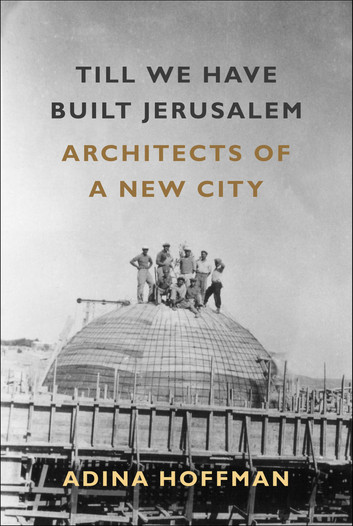
The city, told through three men who built it. Adina Hoffman’s Till We Have Built Jerusalem is a richly layered portrait of modern Jerusalem during the turbulent decades of British rule — told through Austen St. Barbe Harrison, the colonial architect behind the Rockefeller Museum; Erich Mendelsohn, the German modernist who fled the Nazis; and Spyro Houris, the Greek-Armenian contractor whose hands quite literally built the city.
Blending biography, architectural history, and detective-like research, Hoffman traces how their grand projects collided with the politics, faiths, and rivalries of 1930s and 1940s Palestine. The result is equal parts architectural meditation and human drama: a story of ambition, exile, and compromise set against one of the world’s most contested cities.
Elegantly written and deeply researched, this is narrative nonfiction at its finest — for readers of architectural history, Middle Eastern history, and anyone drawn to the human stories behind the stones of a holy city.
Adina Hoffman’s Till We Have Built Jerusalem is a richly layered portrait of modern Jerusalem, told through the lives of three extraordinary men who shaped the city during the turbulent decades of British rule. Austen St. Barbe Harrison, the British colonial architect behind the Rockefeller Archaeological Museum; Erich Mendelsohn, the celebrated German modernist who fled the Nazis and designed landmark buildings for the Hebrew University and Hadassah Hospital; and Spyro Houris, the ambitious Greek-Armenian contractor whose hands quite literally built the city — each arrived in Jerusalem with a different vision, and each left an indelible mark on its streets and skyline.
Blending biography, architectural history, and detective-like research, Hoffman traces how their grand projects collided with the politics, faiths, and rivalries of 1930s and 1940s Palestine. The result is equal parts architectural meditation and human drama: a story of ambition, exile, and compromise set against one of the world’s most contested cities.
Elegantly written and deeply researched, this book will appeal to readers of architectural history, Middle Eastern history, and narrative nonfiction. It offers a fresh, intimate way of understanding how Jerusalem became the city it is today — not through grand plans alone, but through the dreams and struggles of the people who built it.


Reviews
There are no reviews yet