Description
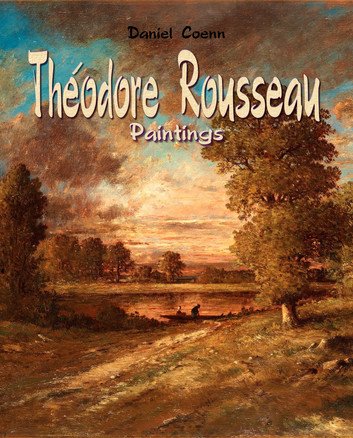
Théodore Rousseau Paintings: Discover the Father of Modern Landscape Art
Théodore Rousseau Paintings by Daniel Coenn celebrates France’s revolutionary landscape master. This collection showcases the visionary works of Théodore Rousseau, founder of the Barbizon School. Moreover, readers discover why Rousseau transformed landscape painting from minor genre to major art form. The My Pocket Gallery series makes his masterpieces accessible to everyone seeking artistic inspiration.
Théodore Rousseau: Pioneer of Naturalistic Landscape Painting
Théodore Rousseau (1812-1867) revolutionized how artists approached nature and landscape subjects. Before Rousseau, landscape painting served primarily as backdrops for historical or mythological scenes. However, Rousseau believed nature itself deserved serious artistic attention and profound respect. Consequently, he dedicated his entire career to capturing forests, fields, and skies authentically.
Born in Paris, Rousseau showed exceptional artistic talent from early childhood onward. He studied briefly at the École des Beaux-Arts but rejected academic conventions quickly. Furthermore, he preferred painting outdoors directly from nature rather than studio compositions. Therefore, he pioneered plein air painting techniques that later influenced Impressionism significantly.
Founding the Barbizon School Movement
Rousseau settled permanently in Barbizon village near Fontainebleau Forest in 1847. Consequently, this small village became the center of a revolutionary artistic movement. Moreover, Rousseau attracted other artists who shared his passion for naturalistic landscape painting. Additionally, these artists formed a community dedicated to observing and depicting nature faithfully.
The Barbizon School dramatically transformed French art during the mid-nineteenth century. Rousseau’s leadership inspired painters like Jean-François Millet, Charles-François Daubigny, and Narcisse Díaz. Furthermore, their collective work challenged academic hierarchies that dismissed landscape painting as inferior. Consequently, landscape art gained unprecedented respect and popularity throughout Europe and America.
Rousseau’s Revolutionary Artistic Vision
Théodore Rousseau approached nature with scientific observation and poetic sensibility, combined perfectly. His paintings captured specific locations, seasons, and atmospheric conditions with meticulous accuracy. Moreover, he infused landscapes with emotional depth and spiritual significance beyond mere representation. Therefore, his works balanced naturalism with romantic feeling and philosophical contemplation effectively.
Rousseau spent countless hours studying individual trees, rocks, and cloud formations carefully. He believed each natural element possessed unique character deserving faithful artistic representation. Additionally, he painted the same locations repeatedly under different lighting and weather conditions. Consequently, his paintings reveal nature’s infinite variety and ever-changing beauty profoundly.
Key Themes in Rousseau’s Paintings
Rousseau’s artistic output explored profound themes that resonated with audiences seeking authenticity:
- The majesty of ancient forests and venerable trees as living monuments
- Atmospheric effects including storms, sunlight, and seasonal changes in nature
- The spiritual presence within untouched wilderness and natural landscapes
- Detailed botanical accuracy combined with artistic composition and emotional expression
- The passage of time revealed through nature’s cycles and transformations
- Rural simplicity contrasted with urban industrialization and modern life’s complexities
- Nature’s permanence amid human civilization’s temporary achievements and eventual decay
Moreover, Rousseau pioneered extended observation periods before completing paintings in his studio. His working method combined outdoor sketches with carefully composed finished works indoors. Additionally, this approach allowed him to capture nature’s essence while maintaining artistic control. Therefore, Rousseau elevated landscape painting to unprecedented technical and philosophical sophistication levels.
Masterpieces Included in This Collection
Théodore Rousseau Paintings features the artist’s most celebrated and influential landscape works. Daniel Coenn has curated a comprehensive selection spanning Rousseau’s entire artistic career. Furthermore, the collection includes both his intimate forest studies and grand panoramic compositions. Consequently, readers experience the full range of Rousseau’s genius and technical mastery.
The book showcases “The Oak Trees at Apremont,” Rousseau’s masterpiece depicting ancient oaks. This painting brilliantly captures the monumental character and spiritual presence of venerable trees. Moreover, it demonstrates his ability to render bark texture, foliage patterns, and atmospheric perspective. Additionally, the work reveals why contemporaries called him “the Michelangelo of landscape painting.”
The Forest of Fontainebleau Series
Rousseau’s extensive Fontainebleau Forest paintings appear throughout this collection in representative examples. These works document his lifelong devotion to this ancient woodland near Barbizon village. Moreover, each painting captures different locations, seasons, and times of day within the forest. The series demonstrates his inexhaustible fascination with nature’s variety and complexity throughout.
Furthermore, the collection includes “View in the Forest of Fontainebleau” and related compositions. These paintings showcase Rousseau’s ability to create depth through atmospheric perspective and tonal gradation. Additionally, they reveal his meticulous attention to botanical detail and geological accuracy. Therefore, viewers appreciate both his scientific observation and artistic interpretation simultaneously.
What Makes This Collection Special
Daniel Coenn presents Théodore Rousseau Paintings with expert commentary and historical context throughout. Each painting receives detailed analysis explaining its significance, technique, and influence on art history. Moreover, Coenn discusses Rousseau’s working methods, philosophical beliefs, and artistic development comprehensively. Consequently, readers gain deep appreciation for Rousseau’s achievements and lasting importance in art.
The book includes high-quality reproductions that capture Rousseau’s subtle tonal variations and atmospheric effects. His paintings featured complex color harmonies and luminous qualities that historically challenged reproduction technology. However, modern printing methods now allow viewers to experience his works with unprecedented fidelity. Additionally, the reproductions reveal details often invisible in smaller online images or postcards.
Understanding Rousseau’s Technique
Rousseau combined direct observation with careful studio refinement in his distinctive working method. He sketched outdoors extensively to capture nature’s specific details and changing atmospheric conditions. Furthermore, he then composed finished paintings in his studio from sketches and memory. Therefore, his works balanced naturalistic accuracy with artistic arrangement and emotional enhancement.
His painting technique emphasized rich, complex color mixtures and varied brushwork throughout compositions. Moreover, he built up surfaces through multiple layers, creating depth and luminosity. Additionally, he paid extraordinary attention to light’s effects on foliage, water, and sky. Consequently, his paintings convinced viewers of their authenticity while inspiring profound emotional responses.
Rousseau’s Influence on Modern Art
Théodore Rousseau’s impact on art history extended significantly far beyond his own lifetime. He established landscape painting as a legitimate subject worthy of serious artistic attention. Moreover, he pioneered plein air painting techniques that became fundamental to Impressionism later. Consequently, artists like Monet, Renoir, and Pissarro built upon Rousseau’s revolutionary foundation directly.
The Barbizon School’s emphasis on direct nature observation transformed European and American art. Furthermore, Rousseau’s dedication to specific locations influenced later artists’ series paintings of subjects. Additionally, his atmospheric effects and tonal harmonies anticipated Impressionist innovations in color theory. Therefore, Rousseau deserves recognition as a crucial bridge between Romanticism and Modernism.
Continuing Relevance Today
Rousseau’s reverence for nature remains urgently relevant in our environmentally-threatened contemporary world. His paintings remind viewers of forests’ majesty and natural landscapes’ spiritual value. Moreover, they inspire appreciation for wilderness preservation and environmental conservation efforts worldwide. Additionally, they demonstrate art’s power to shape cultural attitudes toward nature and ecology.
Contemporary landscape painters currently continue drawing inspiration from Rousseau’s vision and techniques. Furthermore, museums regularly feature his works in major exhibitions exploring landscape art’s evolution. Additionally, scholars continue discovering new meanings and relevance in his paintings and philosophy. Therefore, Rousseau’s reputation grows stronger rather than diminishing with passing decades and centuries.
Who Should Explore Rousseau’s Art
This collection appeals to anyone interested in landscape painting, French art, or nature appreciation. Coenn writes accessibly for general audiences while providing scholarly depth and insight throughout. Moreover, the book suits both newcomers and experienced art enthusiasts equally well. Therefore, it serves as both introduction and reference for Rousseau’s work effectively.
Perfect for These Readers
Théodore Rousseau Paintings offers valuable insights and visual pleasure for various audiences:
- Art history students studying nineteenth-century French art and Barbizon School development
- Landscape painting enthusiasts who appreciate naturalistic approaches and atmospheric effects in art
- Nature lovers seeking artistic expressions of forests, trees, and wilderness beauty
- Museum visitors preparing for or remembering exhibitions of French landscape painting
- Artists seeking inspiration from masterful composition, color harmony, and painting techniques
- Environmental advocates interested in art’s role in nature appreciation and conservation
- Collectors researching French art or considering landscape painting acquisitions for collections
- Impressionism fans exploring the movement’s origins and foundational influences in earlier art
Additionally, the book suits anyone curious about how artists perceive and interpret nature. Rousseau’s paintings reveal how careful observation enhances appreciation for natural beauty and complexity. Furthermore, his works remain accessible to viewers without specialized art knowledge or training. Consequently, modern readers find his vision both beautiful and intellectually stimulating simultaneously.
The My Pocket Gallery Series Advantage
My Pocket Gallery makes great art accessible to everyone through affordable, high-quality collections. The series presents museum-quality reproductions with expert commentary in convenient, portable formats. Moreover, each volume focuses on a single artist for comprehensive coverage and understanding. Therefore, readers build substantial art knowledge without expensive museum visits or academic textbooks.
Daniel Coenn curates each collection with care and scholarly expertise throughout every volume. He selects representative works that showcase each artist’s range, development, and significance. Additionally, his commentary provides context without overwhelming readers with academic jargon or obscure references. Furthermore, the series maintains consistent quality across all volumes and featured artists.
Building Your Art Library
The My Pocket Gallery series allows readers to explore art history systematically and affordably. Each volume stands alone while contributing to broader understanding of movements and periods. Moreover, the affordable pricing enables collecting multiple volumes without financial strain or hesitation. Consequently, readers can build comprehensive personal art libraries over time gradually and enjoyably.
The portable format makes these collections perfect for travel, commuting, or casual browsing. Furthermore, the books work equally well for focused study or relaxed enjoyment at home. Additionally, they make excellent gifts for students, art lovers, or curious learners. Therefore, My Pocket Gallery serves multiple purposes and audiences effectively and economically.
Understanding Rousseau’s Historical Context
Rousseau worked during France’s dramatically rapid industrialization and urbanization in the mid-1800s. The nation was transforming from agricultural society to industrial power with unprecedented speed. Moreover, forests were disappearing as cities expanded and railroads spread across landscapes. Consequently, Rousseau witnessed dramatic changes that influenced his artistic vision and philosophical outlook.
Many French citizens felt ambivalent about progress during this period of transformation. They celebrated economic growth while mourning rural life’s disappearance and nature’s destruction. Furthermore, they sought ways to preserve French identity amid rapid modernization and change. Therefore, Rousseau’s paintings resonated deeply with audiences facing these tensions and anxieties.
Romanticism and Naturalism Combined
Rousseau bridged Romantic movement ideals with emerging Naturalist approaches in painting successfully. Romanticism emphasized emotion, imagination, and nature’s spiritual significance over pure reason alone. Moreover, it celebrated individual vision and subjective experience in artistic expression and interpretation. Additionally, it often critiqued industrialization and rationalism’s limitations and dehumanizing effects.
However, Rousseau added scientific observation and naturalistic accuracy to Romantic sensibility uniquely. He studied botany, geology, and meteorology to render nature more faithfully and accurately. Furthermore, he rejected idealized classical landscapes in favor of specific French locations. Consequently, he created a distinctive style combining emotional depth with observational precision.
Rousseau’s Painting Locations and Subjects
Rousseau painted primarily in Fontainebleau Forest and surrounding Barbizon countryside throughout his career. This ancient royal forest provided endless inspiration with its venerable oaks and varied terrain. Moreover, the area remained relatively wild during Rousseau’s lifetime despite proximity to Paris. Therefore, he could access wilderness while maintaining connections to France’s art world and markets.
He also traveled throughout France painting diverse landscapes from Normandy to the Auvergne. Furthermore, these travels broadened his repertoire beyond forest subjects to include plains and mountains. Additionally, he painted coastal scenes and agricultural landscapes that contrasted with woodland compositions. Consequently, his work demonstrated versatility while maintaining consistent vision and technical approach.
Fontainebleau Forest as Artistic Sanctuary
Fontainebleau Forest became synonymous with Barbizon School painting through Rousseau’s devotion and advocacy. His presence in Barbizon attracted other artists seeking similar inspiration and artistic community. Moreover, the forest’s dramatic rock formations, ancient trees, and varied terrain provided perfect subjects. Additionally, the area’s accessibility from Paris made it practically convenient for artists.
Rousseau’s Fontainebleau paintings helped establish French nature tourism and forest conservation efforts significantly. Furthermore, they contributed to the region’s identity as an artistic destination and cultural landmark. Additionally, his advocacy helped protect portions of the forest from commercial logging operations. Therefore, visitors can still experience landscapes that inspired his greatest works directly today.
The Spiritual Dimension of Rousseau’s Art
Rousseau approached nature with reverence bordering on religious devotion throughout his artistic career. He believed forests contained spiritual truths and moral lessons for attentive observers. Moreover, he saw ancient trees as living monuments deserving respect and artistic commemoration. Additionally, he felt nature revealed divine presence more authentically than human institutions.
His paintings invite contemplation and spiritual reflection through their quiet grandeur and careful observation. Furthermore, they suggest nature’s permanence contrasted with human civilization’s temporary achievements and eventual decay. Additionally, they offer refuge from modern life’s anxieties and industrial society’s dehumanizing effects. Therefore, Rousseau’s art provided spiritual sustenance for urban audiences increasingly disconnected from nature.
Nature as Teacher and Healer
Rousseau believed direct contact with nature improved human character and spiritual well-being fundamentally. His paintings encouraged viewers to seek similar experiences in forests and countryside personally. Moreover, they demonstrated that careful observation revealed nature’s infinite complexity and beauty. Additionally, they suggested that nature study offered antidotes to modern life’s stresses.
Furthermore, his dedication to specific locations taught viewers to appreciate familiar places more deeply. Therefore, his work encouraged sustained attention rather than superficial tourism or casual observation. Additionally, it demonstrated that profound beauty existed in ordinary French landscapes, not just exotic locations.
Technical Mastery in Rousseau’s Paintings
Rousseau’s technical skill matched his philosophical depth throughout his artistic career and development. He mastered atmospheric perspective to create convincing depth in complex forest compositions. Moreover, his color harmonies and tonal relationships created unified, believable spaces and environments. Additionally, his brushwork varied from meticulous detail to loose, expressive passages as needed.
His trees particularly demonstrate his technical brilliance and patient observational study over decades. Furthermore, he captured different species’ distinctive characteristics in bark texture, branch structure, and foliage. Additionally, his trees show both botanical accuracy and artistic interpretation of character. Therefore, his trees convince viewers while expressing emotional and spiritual qualities simultaneously.
Light and Atmosphere in Rousseau’s Work
Rousseau understood how light transforms landscape appearance and emotional impact at different times. His paintings feature carefully orchestrated lighting that guides viewer attention and establishes mood. Moreover, he used light symbolically to suggest spiritual presence or nature’s divine character. Additionally, his atmospheric effects create depth and unify complex compositions with multiple elements.
Furthermore, he studied how atmosphere affects color and clarity at different distances systematically. Therefore, his paintings demonstrate sophisticated understanding of optical phenomena and visual perception. Additionally, this knowledge allowed him to create convincing space in densely-packed forest compositions.
Rousseau’s Struggle for Recognition
Despite his genius, Rousseau faced rejection from official art establishment for many years. The Paris Salon jury repeatedly refused his paintings during the 1830s and 1840s. Moreover, academic critics dismissed his work as unfinished, crude, or lacking proper subject matter. Consequently, he struggled financially and emotionally during his early career despite obvious talent.
However, Rousseau persevered and eventually gained recognition from progressive critics and collectors, gradually. Furthermore, his Barbizon community provided support and validation during difficult years of rejection. Additionally, younger artists recognized his innovations and importance even when establishment critics remained hostile. Therefore, his eventual triumph demonstrated the power of artistic conviction and persistence.
Legacy of the Rejected Artist
Rousseau’s struggle against academic prejudice inspired later avant-garde movements and independent artists. Furthermore, his experience demonstrated that official recognition didn’t determine artistic value or historical importance. Additionally, his eventual vindication encouraged artists to follow personal vision despite establishment opposition. Consequently, Rousseau became a symbol of artistic integrity and independence for future generations.
Moreover, his story reminds us that revolutionary art often faces initial rejection and misunderstanding. Therefore, his career teaches valuable lessons about artistic courage, persistence, and long-term perspective. Additionally, it demonstrates that time often vindicates artists dismissed by contemporary establishment critics.
Conclusion: A Timeless Vision of Nature
Théodore Rousseau Paintings offers an essential introduction to France’s greatest landscape master. Daniel Coenn’s expert curation and commentary illuminate Rousseau’s genius and lasting significance comprehensively. Moreover, the collection showcases works that revolutionized landscape painting and influenced modern art. Therefore, this book belongs in every art lover’s library as essential reference.
Rousseau’s vision of nature as spiritual teacher remains powerfully relevant in today’s world. His paintings remind us what we risk losing through environmental destruction and careless development. Additionally, they demonstrate art’s capacity to shape environmental values and cultural consciousness profoundly. Furthermore, they prove that patient observation reveals beauty and meaning in familiar places.
Discover why Théodore Rousseau transformed landscape painting through this magnificent collection of masterworks. Experience the forest scenes that inspired a generation’s artistic awakening and environmental consciousness. Moreover, understand how one artist’s vision shaped French culture and influenced Impressionism’s development. Therefore, explore Théodore Rousseau Paintings and connect with landscape art’s revolutionary foundation today.
The My Pocket Gallery series makes this exploration affordable and accessible for everyone always. Daniel Coenn provides the context and insight needed for deep appreciation and understanding. Consequently, readers gain both visual pleasure and intellectual enrichment from this carefully-curated collection. Add this essential volume to your art library and discover the father of modern landscape painting.



Reviews
There are no reviews yet.