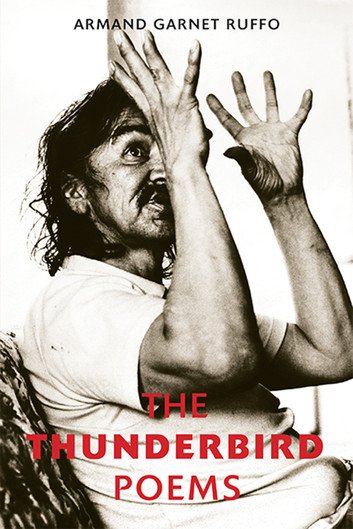
Description
The Thunderbird Poems: A Comprehensive Synopsis of Armand Garnet Ruffo’s Indigenous Poetry Collection
Introduction: Understanding The Thunderbird Poems
“The Thunderbird Poems” by Armand Garnet Ruffo is a powerful collection of Indigenous poetry. This work explores Ojibwe identity, culture, and spirituality through vivid imagery and storytelling. Moreover, it uses the thunderbird as a central symbol of strength and transformation. The collection was published in 2015 and has become essential reading in Canadian literature. Furthermore, it represents a significant contribution to contemporary Indigenous writing and cultural preservation.
Ruffo crafts poems that seamlessly bridge traditional knowledge and modern experience. He writes with authenticity about Indigenous life, history, and ongoing struggles. Therefore, readers gain insight into Ojibwe worldviews and contemporary Indigenous realities. Additionally, the collection demonstrates how poetry can preserve and transmit cultural knowledge. Consequently, “The Thunderbird Poems” serves both artistic and educational purposes for diverse audiences.
The thunderbird appears throughout as a powerful spiritual and cultural symbol. This mythological creature holds deep significance in many Indigenous North American cultures. Moreover, it represents power, protection, and connection to the natural and spiritual worlds. Therefore, Ruffo’s use of this symbol grounds his poetry in Indigenous tradition. Additionally, it provides a unifying thread that connects individual poems into a cohesive whole.
Who Is Armand Garnet Ruffo: Background and Heritage
Armand Garnet Ruffo is an acclaimed Ojibwe author, poet, and scholar from Canada. He was born in Chapleau, Ontario, and has deep roots in his Indigenous community. Moreover, he holds a Ph.D. and has taught Indigenous literature at various universities. His work spans poetry, fiction, screenwriting, and academic scholarship on Indigenous arts. Therefore, he brings multiple perspectives and skills to his creative writing practice.
Ruffo’s Ojibwe heritage profoundly influences all his literary work and artistic vision. He grew up connected to traditional stories, languages, and cultural practices. Furthermore, he witnessed firsthand the impacts of colonization on Indigenous communities. Therefore, his writing addresses both cultural celebration and historical trauma with equal honesty. Additionally, he works to ensure Indigenous voices and perspectives reach wider audiences.
As a scholar, Ruffo has studied and taught Indigenous literature for decades. He understands the literary traditions and contemporary innovations within Indigenous writing. Moreover, he recognizes poetry’s role in cultural survival and resistance against erasure. Therefore, his own poetry reflects both deep knowledge and personal experience. Consequently, “The Thunderbird Poems” benefits from his dual identity as artist and scholar.
His previous works include poetry collections, a novel, and documentary films about Indigenous artists. Furthermore, he has received numerous awards and recognition for his contributions to Canadian literature. Therefore, he has established himself as a leading voice in Indigenous arts. Additionally, his work has influenced younger generations of Indigenous writers and artists.
The Thunderbird as Central Symbol and Metaphor
The thunderbird holds immense significance in Ojibwe and other Indigenous North American cultures. This powerful being controls thunder, lightning, and storms according to traditional teachings. Moreover, it represents strength, protection, and the connection between earth and sky. Therefore, Ruffo’s choice of this symbol carries deep cultural and spiritual meaning. Additionally, it immediately signals the collection’s grounding in Indigenous worldviews and traditions.
Throughout “The Thunderbird Poems,” Ruffo uses this symbol in multiple layered ways. The thunderbird represents Indigenous resilience and survival despite centuries of colonization. Furthermore, it symbolizes the power of cultural knowledge and spiritual traditions. Therefore, the poems explore how Indigenous peoples maintain identity and strength. Consequently, the thunderbird becomes a metaphor for Indigenous resistance and cultural continuity.
Ruffo also uses the thunderbird to explore personal and collective transformation. The creature’s power to create storms mirrors the turbulent experiences of Indigenous peoples. Moreover, it represents the potential for renewal and change after destruction. Therefore, the symbol carries both pain and hope throughout the collection. Additionally, it connects individual experiences to broader community and cultural narratives.
The thunderbird also represents the natural world and Indigenous environmental knowledge. Traditional teachings emphasize respect for nature and the understanding of the interconnections between all living things. Furthermore, the thunderbird embodies the power and mystery of natural forces. Therefore, Ruffo’s poems often explore relationships between humans and the natural world. Consequently, environmental themes emerge naturally through this central symbolic framework.
Themes of Indigenous Identity in The Thunderbird Poems
Identity forms a central theme throughout “The Thunderbird Poems” and Ruffo’s broader work. The collection explores what it means to be Ojibwe in contemporary Canada. Moreover, it addresses the complexities of maintaining Indigenous identity amid ongoing colonization. Therefore, readers encounter poems about language loss, cultural disconnection, and the struggle for belonging. Additionally, the collection celebrates the strength and beauty of Indigenous identity and community.
Ruffo writes honestly about the challenges facing Indigenous peoples in modern society. He addresses poverty, addiction, violence, and systemic discrimination without romanticizing or sensationalizing. Furthermore, he shows how historical trauma continues to affect Indigenous communities today. Therefore, his poems bear witness to ongoing injustices and their human costs. Consequently, the collection serves as both art and social commentary.
However, the poems also celebrate Indigenous resilience, joy, and cultural richness. Ruffo includes moments of humor, love, family connection, and spiritual fulfillment. Moreover, he shows Indigenous peoples as complex, fully human individuals rather than stereotypes. Therefore, the collection presents a balanced, nuanced portrait of Indigenous life. Additionally, it challenges readers to see beyond simplistic or romanticized representations.
The collection explores how Indigenous identity connects to land, language, and community. Ruffo emphasizes that identity isn’t just individual but deeply relational and communal. Furthermore, he shows how connection to traditional territories grounds Indigenous peoples spiritually and culturally. Therefore, land and place appear throughout the poems as essential to identity. Consequently, readers understand that Indigenous identity encompasses relationships with people, land, and ancestors.
Cultural Preservation and Storytelling Traditions
“The Thunderbird Poems” participates in the vital work of cultural preservation and transmission. Indigenous oral traditions have always used stories and poetry to pass knowledge between generations. Moreover, colonization deliberately targeted these traditions through residential schools and cultural suppression. Therefore, contemporary Indigenous writers like Ruffo work to revitalize and continue these practices. Additionally, they adapt traditional forms to contemporary contexts and audiences.
Ruffo incorporates traditional storytelling elements into his contemporary poetic forms. He uses narrative techniques, repetition, and imagery drawn from Ojibwe oral traditions. Furthermore, he includes references to traditional stories, teachings, and cultural practices. Therefore, his poems honor and continue Indigenous literary traditions. Consequently, they serve as bridges between past and present, elders and youth.
The collection also addresses the importance of Indigenous languages for cultural survival. Language carries worldviews, values, and knowledge that cannot be fully translated. Moreover, Ruffo includes Ojibwe words and phrases throughout his poems. Therefore, he demonstrates the beauty and significance of Indigenous languages. Additionally, he highlights the ongoing work to revitalize languages threatened by colonization.
Storytelling in “The Thunderbird Poems” serves multiple purposes simultaneously. It preserves cultural knowledge while also creating new artistic expressions. Furthermore, it educates non-Indigenous readers while affirming Indigenous community members. Therefore, the poems function on multiple levels for different audiences. Consequently, they demonstrate poetry’s power as both art and cultural activism.
Historical Trauma and Colonization in Thunderbird Poems
Ruffo directly addresses the painful history of colonization and its ongoing impacts. His poems reference residential schools, land theft, forced assimilation, and cultural genocide. Moreover, he shows how these historical injustices continue affecting Indigenous peoples today. Therefore, the collection serves as a historical witness and contemporary social critique. Additionally, it challenges readers to confront uncomfortable truths about Canadian history.
The residential school system receives particular attention throughout the collection. These institutions forcibly removed Indigenous children from families and communities for generations. Furthermore, they attempted to erase Indigenous languages, cultures, and identities through abuse and indoctrination. Therefore, Ruffo’s poems bear witness to this trauma and its intergenerational effects. Consequently, readers understand how past policies continue harming Indigenous communities today.
However, Ruffo avoids presenting Indigenous peoples solely as victims of colonization. He emphasizes resistance, survival, and the strength required to maintain culture. Moreover, he celebrates those who fought to preserve languages, traditions, and communities. Therefore, the poems honor Indigenous resilience alongside acknowledging pain and loss. Additionally, they show that Indigenous peoples have always resisted and continue resisting colonization.
The collection also explores how colonization affects individual and family relationships. Trauma passes between generations, affecting parenting, mental health, and community cohesion. Furthermore, Ruffo shows how healing requires addressing both historical and ongoing injustices. Therefore, his poems call for truth, acknowledgment, and systemic change. Consequently, they participate in broader movements for Indigenous justice and reconciliation.
Spirituality and Connection to the Natural World
Spirituality permeates “The Thunderbird Poems” as an essential aspect of Indigenous worldviews. Ruffo explores Ojibwe spiritual beliefs and practices throughout the collection. Moreover, he shows how spirituality connects to daily life rather than being separate. Therefore, readers encounter poems about ceremonies, dreams, visions, and spiritual teachings. Additionally, the collection demonstrates that Indigenous spirituality emphasizes relationships and responsibilities.
The natural world appears throughout as sacred and interconnected with human life. Traditional Ojibwe teachings emphasize that humans are part of nature, not separate from it. Furthermore, all living things possess spirit and deserve respect and reciprocity. Therefore, Ruffo’s poems often feature animals, plants, water, and land as active presences. Consequently, nature becomes a character and teacher rather than a mere backdrop.
Ruffo also explores how colonization has disrupted Indigenous peoples’ relationships with land. Environmental destruction, resource extraction, and displacement have severed traditional connections. Moreover, these disruptions have spiritual and cultural consequences beyond physical impacts. Therefore, environmental justice emerges as inseparable from Indigenous rights and cultural survival. Additionally, the poems call for renewed respect for land and traditional ecological knowledge.
The thunderbird itself embodies the connection between spirituality and nature. This being exists in both physical and spiritual realms simultaneously. Furthermore, it demonstrates the power and mystery of natural forces. Therefore, the symbol helps readers understand Indigenous perspectives on spirituality and the environment. Consequently, it challenges Western distinctions between the sacred and the secular, the spiritual and the material.
Literary Style and Poetic Techniques in The Thunderbird Poems
Ruffo employs diverse poetic forms and techniques throughout “The Thunderbird Poems.” He uses free verse, narrative poetry, and experimental forms to suit different subjects. Moreover, he incorporates visual elements and unconventional spacing in some poems. Therefore, the collection demonstrates formal innovation alongside traditional storytelling. Additionally, it shows how Indigenous writers adapt and transform Western literary forms.
His language balances accessibility with poetic complexity and layered meaning. Ruffo writes clearly without sacrificing depth or artistic sophistication. Furthermore, he uses concrete imagery and sensory details to ground abstract concepts. Therefore, readers can engage with the poems on multiple levels. Consequently, the collection appeals to both general readers and literary scholars.
Repetition appears frequently as both a stylistic choice and a connection to oral traditions. Certain phrases, images, and themes recur throughout the collection, creating unity. Moreover, repetition emphasizes important ideas and creates rhythmic, musical effects. Therefore, the poems often feel meant to be read aloud. Additionally, this technique honors Indigenous oral storytelling traditions.
Ruffo also uses juxtaposition to create meaning and emotional impact. He places traditional and contemporary elements side by side within poems. Furthermore, he contrasts beauty and violence, hope and despair, past and present. Therefore, these juxtapositions reflect the complex realities of Indigenous life. Consequently, they challenge readers to hold multiple truths simultaneously.
Key poetic techniques in the collection include:
- Concrete imagery: Vivid sensory details that ground spiritual and abstract concepts
- Narrative elements: Story-like structures that honor oral traditions
- Repetition and refrain: Phrases that echo throughout poems and the collection
- Juxtaposition: Contrasting elements placed together for emotional and intellectual impact
- Code-switching: Movement between English and the Ojibwe language
- White space: Strategic use of silence and spacing on the page
The Thunderbird Poems and Contemporary Indigenous Literature
“The Thunderbird Poems” contributes significantly to the growing body of contemporary Indigenous literature. This literary movement has gained increasing recognition and readership in recent decades. Moreover, Indigenous writers are reclaiming narrative control and telling their own stories. Therefore, Ruffo’s work participates in this vital cultural and political project. Additionally, it helps establish Indigenous literature as an essential part of the Canadian literary canon.
The collection demonstrates how Indigenous writers innovate while honoring traditional knowledge. Ruffo and his contemporaries create new forms that authentically express Indigenous worldviews. Furthermore, they challenge Western literary conventions and expand definitions of poetry. Therefore, Indigenous literature enriches and transforms Canadian literature as a whole. Consequently, it demands that readers expand their understanding of what literature can be.
Ruffo’s work also contributes to conversations about decolonization and reconciliation. Literature plays a crucial role in educating non-Indigenous peoples about history and ongoing issues. Moreover, it creates empathy and understanding across cultural differences. Therefore, “The Thunderbird Poems” serves both educational and artistic purposes. Additionally, it challenges readers to examine their own assumptions and complicity.
The collection has influenced younger Indigenous writers and validated their experiences. Seeing their stories and perspectives in published literature empowers emerging artists. Furthermore, it demonstrates that Indigenous voices belong in literary conversations and institutions. Therefore, Ruffo’s work helps create space for future generations of Indigenous writers. Consequently, it contributes to the ongoing revitalization of Indigenous arts and cultures.
Teaching and Learning from The Thunderbird Poems
“The Thunderbird Poems” has become an important text in educational settings. Many teachers use it in high school and university courses on Canadian literature. Moreover, it appears in Indigenous studies programs and creative writing classes. Therefore, the collection reaches diverse audiences and serves multiple educational purposes. Additionally, it introduces many readers to Indigenous perspectives and contemporary Indigenous writing.
The collection offers valuable opportunities for learning about Ojibwe culture and history. Readers encounter traditional stories, spiritual concepts, and cultural practices through the poems. Furthermore, they learn about the historical and ongoing impacts of colonization. Therefore, the book serves as an accessible entry point for cultural education. Consequently, it helps fulfill calls for increased Indigenous content in curricula.
However, teaching “The Thunderbird Poems” requires cultural sensitivity and appropriate context. Educators must avoid appropriating or misrepresenting Indigenous knowledge and experiences. Moreover, they should include Indigenous voices and perspectives in classroom discussions. Therefore, many teachers invite Indigenous guest speakers or use supplementary Indigenous-authored resources. Additionally, they create space for Indigenous students to share their perspectives, if they are comfortable.
The collection also teaches valuable lessons about poetry and literary craft. Students can analyze Ruffo’s techniques, symbolism, and formal choices. Furthermore, they can explore how content and form work together to create meaning. Therefore, the book serves both cultural education and literary study purposes. Consequently, it demonstrates that Indigenous literature offers rich material for academic analysis.
Critical Reception and Literary Recognition
“The Thunderbird Poems” received a positive critical reception upon publication in 2015. Reviewers praised Ruffo’s powerful imagery, emotional honesty, and cultural authenticity. Moreover, they recognized the collection’s significance for Canadian literature and Indigenous arts. Therefore, the book enhanced Ruffo’s already strong reputation as a writer. Additionally, it introduced his work to new audiences beyond Indigenous literature specialists.
Critics particularly noted the collection’s balance between accessibility and complexity. Ruffo writes clearly without simplifying difficult subjects or sacrificing artistic sophistication. Furthermore, he creates poems that work on multiple levels for different readers. Therefore, the collection appeals to both general audiences and literary scholars. Consequently, it has reached a broader readership than some more experimental Indigenous poetry.
The book has been extensively discussed in academic journals and literary publications. Scholars have analyzed its themes, techniques, and cultural significance from various perspectives. Moreover, it appears frequently in discussions of contemporary Indigenous literature and Canadian poetry. Therefore, “The Thunderbird Poems” has established itself as an important literary text. Additionally, it continues generating scholarly interest and critical conversation.
Ruffo has received numerous awards and honors for his contributions to literature. While “The Thunderbird Poems” itself may not have won major awards, it has contributed to his overall recognition. Furthermore, it demonstrates the consistent quality and significance of his work. Therefore, the collection enhances his status as a leading Indigenous writer. Consequently, it ensures his work will continue to be read and studied.
Personal and Collective Voices in Thunderbird Poems
Ruffo skillfully balances personal experience with collective Indigenous perspectives throughout the collection. Some poems speak from clearly individual viewpoints about specific experiences and emotions. Moreover, others adopt communal voices that represent shared Indigenous experiences and knowledge. Therefore, the collection moves fluidly between “I” and “we” perspectives. Additionally, this movement reflects Indigenous values that emphasize community alongside individual identity.
The personal poems often address family relationships, childhood memories, and individual spiritual experiences. Ruffo writes intimately about his own life while making these experiences relatable. Furthermore, he shows how personal stories connect to broader cultural and historical patterns. Therefore, individual experiences illuminate collective realities and vice versa. Consequently, readers understand that personal and political are inseparable in Indigenous contexts.
However, Ruffo avoids speaking for all Indigenous peoples or claiming universal Indigenous experience. He writes specifically from his Ojibwe perspective and acknowledges diversity among Indigenous nations. Moreover, he recognizes that Indigenous peoples have diverse experiences shaped by location, history, and circumstances. Therefore, the collection respects Indigenous diversity while identifying common themes. Additionally, it models how to write authentically without claiming false authority.
The interplay between personal and collective voices creates rich, layered meanings. Readers encounter both intimate moments and sweeping historical narratives within the same collection. Furthermore, they see how individual lives are shaped by and contribute to the community. Therefore, the poems demonstrate Indigenous relational worldviews in their very structure. Consequently, form and content work together to express Indigenous perspectives.
Language, Translation, and Cultural Expression
Language emerges as a central theme throughout “The Thunderbird Poems.” Ruffo addresses the importance of Indigenous languages for cultural survival and identity. Moreover, he explores the pain of language loss caused by residential schools and assimilation policies. Therefore, language becomes both subject matter and political issue within the collection. Additionally, his use of Ojibwe words demonstrates the beauty and significance of Indigenous languages.
The inclusion of the Ojibwe language serves multiple purposes within the poems. It honors the language and makes it visible to readers who might not otherwise encounter it. Furthermore, it demonstrates that some concepts and worldviews cannot be fully expressed in English. Therefore, the Ojibwe words resist translation and assert Indigenous linguistic sovereignty. Consequently, they remind readers that Indigenous knowledge exists beyond the English language and Western frameworks.
However, Ruffo also recognizes that many Indigenous peoples no longer speak their ancestral languages fluently. Colonization successfully disrupted language transmission in many families and communities. Moreover, he writes primarily in English to reach broader audiences, including Indigenous youth. Therefore, the collection reflects the complex linguistic realities of contemporary Indigenous life. Additionally, it participates in ongoing conversations about language revitalization and cultural continuity.
The poems themselves become acts of cultural expression and resistance. By writing in Indigenous perspectives and incorporating traditional knowledge, Ruffo asserts Indigenous presence. Furthermore, he demonstrates that Indigenous cultures are living, evolving, and contemporary. Therefore, the collection challenges stereotypes that view Indigenous peoples as historical or vanishing. Consequently, it affirms that Indigenous peoples continue to create, innovate, and thrive.
The Thunderbird Poems: Impact and Continuing Relevance
“The Thunderbird Poems” continues resonating with readers years after its publication. The themes it explores remain urgently relevant in contemporary Canadian society. Moreover, conversations about reconciliation, Indigenous rights, and decolonization have intensified recently. Therefore, Ruffo’s collection provides valuable perspectives on these ongoing issues. Additionally, it helps readers understand historical context for current events and movements.
The collection has influenced how many readers understand Indigenous experiences and perspectives. For non-Indigenous readers, it often provides first exposure to Indigenous worldviews and realities. Furthermore, it challenges stereotypes and encourages deeper engagement with Indigenous issues. Therefore, the book serves important educational and consciousness-raising functions. Consequently, it contributes to broader social change and improved Indigenous-settler relations.
For Indigenous readers, “The Thunderbird Poems” offers recognition, validation, and cultural affirmation. Seeing their experiences reflected in published literature provides powerful validation. Moreover, the collection celebrates Indigenous strength, beauty, and resilience, alongside acknowledging pain. Therefore, it serves both as a mirror and an inspiration for Indigenous community members. Additionally, it demonstrates that Indigenous stories and perspectives deserve literary recognition.
The collection’s relevance extends beyond Canadian contexts to broader Indigenous and colonial situations. Indigenous peoples worldwide face similar histories of colonization and ongoing struggles. Furthermore, they share common values around land, community, and cultural preservation. Therefore, Ruffo’s work resonates internationally with Indigenous and colonized peoples. Consequently, it participates in global conversations about decolonization and Indigenous rights.
Conclusion: The Enduring Power of The Thunderbird Poems
“The Thunderbird Poems” by Armand Garnet Ruffo stands as a significant achievement in contemporary Indigenous literature. The collection powerfully explores Ojibwe identity, history, spirituality, and contemporary realities. Moreover, it uses the thunderbird symbol to unify diverse poems into a cohesive artistic statement. Therefore, it demonstrates how traditional knowledge can inform and enrich contemporary artistic expression. Additionally, it shows that Indigenous literature offers essential perspectives for understanding Canadian history and society.
Ruffo’s skillful poetry balances accessibility with depth, personal experience with collective voice. He writes honestly about painful histories while celebrating Indigenous resilience and cultural richness. Furthermore, he creates poems that work on multiple levels for diverse audiences. Therefore, the collection succeeds both as art and as a cultural and political intervention. Consequently, it has earned its place as essential reading in Canadian literature.
The collection’s use of the thunderbird as a central symbol proves particularly effective and meaningful. This powerful being connects individual poems while grounding the work in Indigenous tradition. Moreover, it represents strength, transformation, and the enduring power of Indigenous cultures. Therefore, the symbol resonates throughout the collection on multiple levels. Additionally, it provides non-Indigenous readers with an entry point into Indigenous worldviews.
“The Thunderbird Poems” continues serving vital functions for both Indigenous and non-Indigenous readers. It preserves and transmits cultural knowledge while creating new artistic expressions. Furthermore, it educates, challenges, and inspires readers to engage more deeply with Indigenous issues. Therefore, the collection remains relevant and necessary in ongoing conversations about reconciliation. Consequently, it will continue being read, taught, and valued for years to come.
The work ultimately demonstrates poetry’s power to bridge cultures, preserve knowledge, and inspire change. Ruffo shows that Indigenous literature enriches Canadian culture and demands serious attention. Moreover, he proves that traditional knowledge and contemporary innovation can coexist productively. Therefore, “The Thunderbird Poems” represents both artistic achievement and cultural activism. Additionally, it stands as a testament to Indigenous survival, creativity, and continuing presence in contemporary Canada.




Reviews
There are no reviews yet.