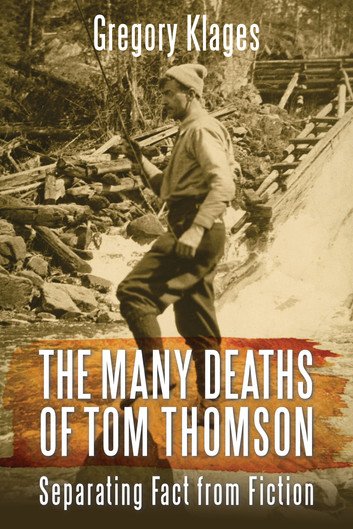
Description
A National Mystery
Gregory Klages investigates the mysterious disappearance of Canada’s most famous painter, Tom Thomson. In 1917, Thomson vanished during a paddling trip on Canoe Lake. His body was found eight days later. This event shocked the nation and birthed a century of rumors. Consequently, the author seeks to uncover the truth behind this cold case. He meticulously examines the evidence left behind.
Fact versus Folklore
The book serves as a scholarly debunking of popular conspiracy theories. Many people believe Thomson was murdered or committed suicide. Others suggest he died from an accidental fall or a drunken brawl. However, Klages scrutinizes the original coroner’s reports and eyewitness accounts. He highlights how myths often overshadow documented facts. Moreover, he explains why the public remains fascinated by these dark legends.
Investigating the Evidence
Klages uses modern forensic analysis to revisit the historical data. He looks at the condition of the body and the physical evidence at the scene. Furthermore, the narrative discusses the political and social context of the era. The author challenges the credibility of several long-standing claims. He points out inconsistencies in the stories told by Thomson’s contemporaries. Thus, the book functions like a historical detective novel.
Theories Under Review
The author categorizes the various explanations for Thomson’s death:
Accidental Drowning: The official cause listed in the original report.
Foul Play: Allegations involving residents and personal disputes.
The “Second Burial” Theory: Rumors that his remains were moved from the park.
Suicide: Theories based on Thomson’s supposed mental state at the time.
A Lasting Artistic Legacy
Ultimately, this work honors Thomson’s memory by separating the man from the myth. Klages reminds us of the artist’s immense contribution to Canadian art. He argues that the mystery should not distract from Thomson’s beautiful landscapes. Additionally, the book provides a clear timeline of the events in July 1917. In conclusion, Klages offers the most comprehensive look at this enduring Canadian enigma.





Reviews
There are no reviews yet.