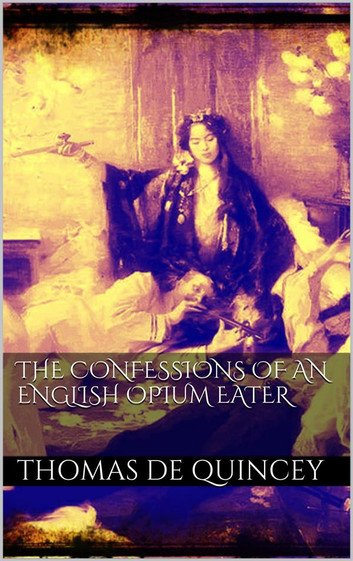
Description
Confessions of an English Opium Eater: A Groundbreaking Opium Addiction Memoir by Thomas De Quincey
Introduction to a Revolutionary Addiction Memoir
Thomas De Quincey’s “Confessions of an English Opium Eater” stands as the first major opium addiction memoir in English literature. Published in 1821, this autobiographical work chronicles De Quincey’s laudanum addiction with startling honesty. Moreover, it explores how opium shaped his life, dreams, and consciousness. The book became an instant sensation upon its release in the London Magazine. Therefore, it established the template for all future addiction narratives in literature.
De Quincey wrote this opium confession work to serve his fellow opium users. Furthermore, he wanted to document both the pleasures and horrors of addiction. His vivid prose captures the drug’s dual nature with remarkable clarity.
De Quincey’s Life and Background
De Quincey began using laudanum (opium dissolved in alcohol) for medical purposes initially. However, what started as pain relief quickly became a lifelong dependency. The author came from a scholarly background and attended Oxford University. Yet his addiction would dominate his existence for decades to come.
Despite his struggles, De Quincey lived until age 74, defying expectations for people with an addiction. Additionally, he produced numerous essays and literary works throughout his career. His life story reveals both the resilience and vulnerability of the human spirit.
The Opium Experience Described
De Quincey’s descriptions of his opium experience remain unparalleled in their poetic intensity. Moreover, he details the drug’s ability to produce extraordinary dreams and visions. The memoir explores both ecstasy and nightmare with equal literary power. Consequently, readers encounter vivid accounts of pleasure alongside descriptions of suffering.
The author describes opium’s effects on memory, imagination, and perception with precision. Furthermore, he documents the physical and psychological toll of long-term use. His honest portrayal influenced how society understood addiction for generations afterward.
Key Themes Explored
The memoir addresses several profound themes that resonate with modern readers:
- Addiction’s Dual Nature: The simultaneous pleasure and pain of drug dependency
- Dreams and Consciousness: How opium transforms perception and creates vivid dreamscapes
- Memory and Guilt: The haunting power of past experiences and regrets
- Social Isolation: The loneliness that accompanies addiction and dependency
- Redemption Possibilities: Whether recovery and normal life remain achievable goals
Literary Significance and Legacy
This laudanum addiction narrative revolutionized autobiographical writing and addiction literature forever. Indeed, it gave readers their first intimate look at drug dependency. The work influenced countless writers, including Edgar Allan Poe and Charles Baudelaire. Additionally, it shaped medical and social understanding of addiction as a condition.
De Quincey’s prose style—dreamlike, digressive, and intensely personal—created a new literary form. Therefore, the book remains essential reading for understanding Romantic literature and addiction studies.
Conclusion
“Confessions of an English Opium Eater” endures as a masterpiece of addiction memoir literature. Thomas De Quincey’s honest portrayal of his opium addiction broke new ground in 1821. Moreover, his work continues to inform our understanding of dependency and recovery today. The book’s literary beauty and psychological insight make it timeless and universally relevant. Consequently, it stands as both a cautionary tale and a profound meditation on human consciousness.




Reviews
There are no reviews yet.