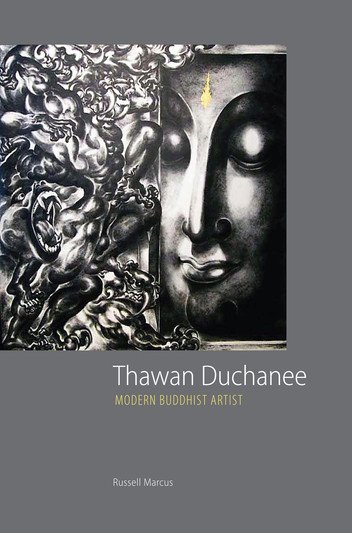
Description
Thawan Duchanee Modern Buddhist Artist: A Journey into Darkness and Enlightenment
Thawan Duchanee Modern Buddhist Artist by Russell Marcus explores one of Thailand’s most provocative contemporary creators. This biography reveals how Duchanee transformed Buddhist art through bold, unconventional vision. Moreover, readers discover the man behind Thailand’s legendary Black House museum. Marcus presents an intimate portrait of artistic genius and spiritual exploration.
Discovering Thailand’s Most Controversial Buddhist Artist
Thawan Duchanee (1939-2014) revolutionized how the world perceives Buddhist art. He rejected traditional serene imagery in favor of darkness and raw power. Furthermore, his work challenged comfortable assumptions about spirituality and beauty. Duchanee believed that understanding darkness leads to genuine enlightenment.
His artistic journey began in rural Chiang Rai province in northern Thailand. However, his vision extended far beyond traditional Thai artistic boundaries. Duchanee studied both classical Buddhist art and Western modernist techniques. Consequently, he created a unique synthesis that shocked and captivated audiences.
The Black House: Duchanee’s Masterpiece
Baan Dam, or the Black House, stands as Duchanee’s most ambitious creation. This sprawling complex contains over forty structures painted entirely black. Moreover, each building houses collections of bones, skins, and dark artifacts. The museum attracts hundreds of thousands of visitors annually from everywhere.
The Black House represents Duchanee’s philosophy about life, death, and spirituality. He incorporated animal remains and natural materials into haunting artistic installations. Additionally, the architecture blends traditional Thai forms with contemporary experimental design. Therefore, visitors experience art that challenges conventional Buddhist aesthetic expectations completely.
Thawan Duchanee’s Revolutionary Artistic Vision
Duchanee’s paintings and sculptures explored themes rarely addressed in Buddhist art. He depicted demons, death, sexuality, and the shadow side of existence. Furthermore, his work incorporated tantric Buddhist imagery, often considered too controversial. However, Duchanee insisted these elements represented authentic spiritual truth.
His artistic style combined meticulous traditional techniques with bold modern expression. The paintings featured intricate details reminiscent of classical Thai temple murals. Moreover, he employed vivid colors and dramatic compositions that commanded attention. Consequently, his work bridged ancient traditions and contemporary artistic movements seamlessly.
Key Themes in Duchanee’s Art
Duchanee’s artistic output explored profound spiritual and existential questions consistently:
- Death and impermanence as pathways to understanding Buddhist teachings
- Animal symbolism representing human nature’s primal and spiritual aspects
- Darkness and shadow as necessary components of enlightenment
- Tantric imagery expressing the union of opposites and transcendence
- Nature’s power through bones, skins, horns, and organic materials
- Traditional motifs reinterpreted through contemporary sensibilities and techniques
Moreover, Duchanee challenged viewers to confront uncomfortable truths about existence. His art demanded engagement rather than passive contemplation or comfortable appreciation. Additionally, he believed authentic spirituality required facing fear and darkness directly. Therefore, his work provoked strong reactions from supporters and critics alike.
What Makes This Biography Essential Reading
Russell Marcus provides unprecedented access to Duchanee’s life, philosophy, and creative process. The biography draws from extensive interviews, personal correspondence, and artistic analysis. Furthermore, Marcus contextualizes Duchanee’s work within Thai culture and Buddhist tradition. Readers gain comprehensive understanding of this complex, fascinating artist.
The book explores Duchanee’s childhood influences and early artistic development thoroughly. Marcus reveals how rural Thai life shaped the artist’s worldview profoundly. Additionally, the biography examines Duchanee’s relationships with teachers, patrons, and critics. Consequently, readers understand the personal struggles behind his artistic achievements.
Behind the Controversial Reputation
Duchanee faced significant criticism from conservative Buddhist communities throughout his career. Many considered his dark imagery disrespectful to sacred Buddhist teachings. However, Duchanee maintained that his work expressed deeper Buddhist truths. He argued that avoiding darkness creates incomplete, superficial spiritual understanding.
Marcus explores these controversies with nuance and balanced perspective throughout. The biography presents both criticism and defense of Duchanee’s artistic choices. Moreover, it examines how controversy actually enhanced his reputation and influence. Therefore, readers appreciate the complex relationship between tradition and innovation.
The Artist’s Spiritual Philosophy
Duchanee practiced Buddhism seriously despite his unconventional artistic approach to sacred themes. He meditated daily and studied Buddhist texts throughout his entire life. Furthermore, he maintained close relationships with several respected Buddhist monks. However, his interpretation of Buddhist teachings emphasized aspects often overlooked.
He believed that Western presentations of Buddhism oversimplified its profound complexity. Consequently, Duchanee sought to restore Buddhism’s acknowledgment of darkness and difficulty. His art reminded viewers that enlightenment requires confronting suffering and impermanence. Additionally, he emphasized that beauty and horror coexist in authentic reality.
Integrating Traditional and Modern Buddhist Art
Duchanee mastered traditional Thai painting techniques before developing his distinctive style. He studied classical temple murals and ancient Buddhist iconography extensively. Moreover, he apprenticed with traditional artists to learn proper methods. However, he ultimately chose to expand rather than merely replicate tradition.
His modern approach incorporated Western artistic movements, including surrealism and expressionism. Consequently, his work appealed to international audiences unfamiliar with Thai art. The fusion created something entirely new while remaining rooted in tradition. Therefore, Duchanee became a bridge between Eastern and Western artistic worlds.
Who Should Read This Biography
This book appeals to diverse readers interested in art, spirituality, and culture. Marcus writes accessibly for general audiences while maintaining scholarly depth. Moreover, the biography includes numerous illustrations of Duchanee’s major works. Consequently, readers experience both intellectual and visual engagement with the material.
Perfect for These Readers
Thawan Duchanee Modern Buddhist Artist offers valuable insights for various audiences:
- Art enthusiasts exploring contemporary Asian art and Buddhist artistic traditions
- Buddhist practitioners seeking deeper understanding of Buddhist philosophy and symbolism
- Cultural scholars studying Thai culture, religion, and modern artistic movements
- Museum visitors who have experienced or plan to visit the Black House
- Artists looking for inspiration from unconventional approaches to sacred themes
- Biography lovers interested in creative genius and controversial cultural figures
Additionally, the book suits anyone curious about how tradition evolves through innovation. Readers need no prior knowledge of Buddhist art or Thai culture. Furthermore, Marcus provides necessary context and explanation throughout the narrative. Therefore, both experts and newcomers will find the biography accessible and rewarding.
Inside Duchanee’s Creative Process
Marcus reveals how Duchanee developed his distinctive artistic vision over decades. The biography describes his working methods, material choices, and conceptual development. Moreover, readers learn about his studio practices and collaborative relationships. Consequently, the book demystifies artistic genius while celebrating its achievements.
Duchanee collected natural materials obsessively throughout his life for artistic use. He gathered bones, animal skins, horns, and other organic objects constantly. Additionally, he studied these materials’ symbolic meanings in various cultural traditions. Furthermore, he experimented endlessly with how to incorporate them into artworks.
The Role of Nature in Duchanee’s Art
Nature provided both materials and inspiration for Duchanee’s most powerful works. He saw animals as embodiments of spiritual principles and natural forces. Moreover, he believed that bones and remains connected viewers to impermanence. Consequently, his use of natural materials served profound philosophical purposes.
His Black House museum showcases this philosophy through carefully arranged installations. Massive animal skeletons dominate several buildings within the complex dramatically. Additionally, furniture and decorative objects incorporate horns, leather, and other materials. Therefore, visitors experience nature’s power and beauty through Duchanee’s artistic vision.
Duchanee’s Influence on Contemporary Buddhist Art
Thawan Duchanee opened new possibilities for Buddhist artists worldwide through his work. He demonstrated that Buddhist art could address contemporary concerns and aesthetics. Furthermore, he proved that challenging tradition can deepen rather than diminish spirituality. Consequently, younger artists cite him as a major influence regularly.
His success encouraged other Asian artists to explore their traditions more freely. Moreover, Western artists gained appreciation for Buddhism’s complexity beyond peaceful stereotypes. Duchanee’s international exhibitions brought Thai art to global attention significantly. Therefore, his impact extends far beyond Thailand’s borders and Buddhist communities.
Recognition and Legacy
Duchanee received Thailand’s highest artistic honors during his lifetime, despite early controversy. The Thai government designated him a National Artist in 2001. Additionally, major museums worldwide acquired his paintings and sculptures for collections. Furthermore, the Black House became one of Thailand’s most visited cultural sites.
His death in 2014 prompted international tributes from artists and scholars. However, his work continues inspiring new generations of creators and thinkers. The Black House remains open as a museum preserving his vision. Therefore, Duchanee’s influence grows stronger even after his passing.
Understanding Duchanee’s Cultural Context
Marcus provides essential background about Thai culture and Buddhist practice throughout. The biography explains how Thai Buddhism differs from other Buddhist traditions. Moreover, it explores Thailand’s artistic heritage and contemporary cultural dynamics. Consequently, readers understand Duchanee’s work within its proper cultural framework.
Thailand’s unique blend of animism, Hinduism, and Buddhism influenced Duchanee profoundly. He drew from all these traditions in creating his distinctive style. Additionally, Thailand’s rapid modernization during his lifetime shaped his artistic concerns. Furthermore, his work reflected tensions between tradition and change in society.
The Thai Artistic Tradition
Traditional Thai art emphasized religious devotion and technical perfection for centuries. Artists worked anonymously to glorify Buddhism rather than express individual vision. However, the twentieth century brought new ideas about artistic individuality and expression. Consequently, Duchanee’s generation faced questions about balancing tradition with personal creativity.
Duchanee respected traditional techniques while rejecting limitations on subject matter and interpretation. He believed artists should master tradition before transcending its boundaries. Moreover, he argued that genuine tradition evolves rather than remaining static. Therefore, his approach honored the past while embracing contemporary possibilities.
The Biography’s Unique Approach
Russell Marcus combines scholarly research with engaging narrative storytelling throughout this biography. He interviewed Duchanee extensively before the artist’s death in 2014. Additionally, Marcus consulted family members, colleagues, and critics for multiple perspectives. Furthermore, he analyzed hundreds of artworks to understand Duchanee’s development.
The book balances personal biography with artistic analysis and cultural context effectively. Readers learn about Duchanee’s personality, relationships, and daily life intimately. Moreover, they gain sophisticated understanding of his artistic achievements and significance. Consequently, the biography satisfies both casual readers and serious scholars equally.
Accessible Yet Authoritative
Marcus writes clearly without sacrificing depth or nuance in his analysis. He explains Buddhist concepts and Thai cultural references for international audiences. Additionally, he provides visual descriptions that help readers appreciate artworks fully. Furthermore, the biography includes extensive illustrations and photographs throughout.
The narrative structure follows Duchanee’s life chronologically while exploring themes deeply. Consequently, readers experience both biographical progression and thematic exploration naturally. Marcus avoids academic jargon while maintaining intellectual rigor and insight. Therefore, the book achieves rare balance between accessibility and scholarly authority.
Why This Story Matters Today
Duchanee’s life and work address questions increasingly relevant in contemporary society. His exploration of darkness challenges superficial positivity dominating modern culture. Moreover, his integration of tradition and innovation models creative cultural evolution. Additionally, his spiritual seriousness offers alternatives to both fundamentalism and secularism.
The biography demonstrates how art can provoke meaningful dialogue about values. Duchanee’s controversial work forced viewers to examine their assumptions about spirituality. Furthermore, his success proved that challenging art can achieve popular recognition. Therefore, his example encourages artists to pursue authentic vision courageously.
Lessons from a Modern Buddhist Artist
Duchanee’s life teaches valuable lessons about creativity, spirituality, and cultural identity. He showed that respecting tradition doesn’t require mindless repetition or stagnation. Moreover, he demonstrated that spirituality encompasses darkness as well as light. Additionally, he proved that local artistic traditions can achieve global significance.
His commitment to his vision despite criticism inspires artists facing similar challenges. Furthermore, his integration of diverse influences models creative synthesis over rigid purity. Duchanee’s work reminds us that authentic art requires courage and conviction. Therefore, his legacy extends beyond Buddhist art to creative practice generally.
Conclusion: A Portrait of Artistic Courage
Thawan Duchanee Modern Buddhist Artist offers an unforgettable portrait of creative genius. Russell Marcus captures both the man and his revolutionary artistic vision. Moreover, the biography provides essential context for understanding Duchanee’s significance fully. Readers emerge with deep appreciation for this remarkable artist’s achievements.
This book belongs on the shelf of anyone interested in contemporary art. It illuminates how tradition and innovation can coexist productively and creatively. Additionally, it demonstrates Buddhism’s capacity for addressing modern concerns and aesthetics. Furthermore, it celebrates an artist who refused to compromise his vision.
Discover why Thawan Duchanee transformed Buddhist art forever through this compelling biography. Experience the darkness and light that defined his spiritual and artistic journey. Moreover, understand how one artist’s courage opened new possibilities for generations. Therefore, this biography becomes essential reading for understanding contemporary Buddhist art.
Russell Marcus has created the definitive account of Duchanee’s life and work. The biography honors its subject while maintaining critical perspective and balance. Consequently, readers gain authentic understanding rather than hagiography or dismissal. Pick up this book and enter the fascinating world of Thailand’s most controversial modern Buddhist artist today.




Reviews
There are no reviews yet.