

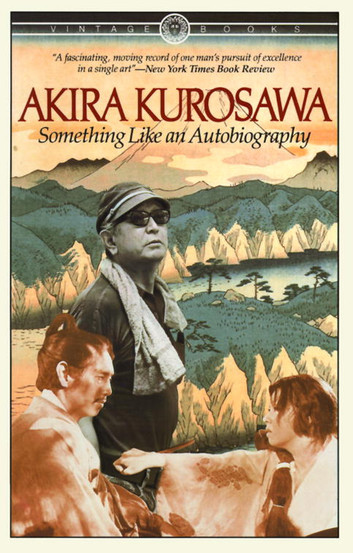
Description
Kurosawa on Kurosawa. Something Like an Autobiography is the memoir of Akira Kurosawa (1910–1998), one of cinema’s greatest directors — the master behind Seven Samurai, Rashomon, Ikiru, and Yojimbo. Published in English in 1982 in Audie E. Bock’s translation, it traces his life from a samurai-descended Tokyo childhood through the assistant-director years to the triumph of Rashomon at Venice — the film that brought Japanese cinema to the world.
Kurosawa writes with the same clarity and force he brought to the screen: vivid memories of his traditionalist father and beloved older brother Heigo, the grueling apprenticeship under director Kajiro Yamamoto, the chaotic and inspired making of his early masterpieces. Along the way he reflects — bluntly, without false modesty — on what directing actually demands: total commitment, visual thinking, and the courage to reshoot until it’s right.
For film lovers, this is indispensable — a masterclass in directing disguised as a memoir. Read it before revisiting the films, and watch them with new eyes: every page reveals the discipline, the humanity, and the ferocious will behind the legend.
Something Like an Autobiography is the memoir of Akira Kurosawa (1910–1998), one of cinema’s greatest directors — the master behind Seven Samurai, Rashomon, Ikiru, and Yojimbo. Published in English in 1982 (translated by Audie E. Bock), it traces his life from a samurai-descended childhood in Tokyo through the assistant-director years to the triumph of Rashomon, the film that brought Japanese cinema to the world.
n
nKurosawa writes with the same clarity and force he brought to the screen: vivid memories of his traditionalist father and beloved older brother, the grueling apprenticeship under director Kajiro Yamamoto, and the chaotic, inspired making of his early masterpieces. Along the way he reflects on craft — what a shot means, how actors should be directed, why a film must have something to say.
n
nMore than a filmmaker’s memoir, this is a portrait of Japan itself across decades of upheaval — earthquake, war, and rebirth. Essential reading for film lovers, students of cinema, and anyone who wants to understand how one man’s vision changed movies forever.




Reviews
There are no reviews yet