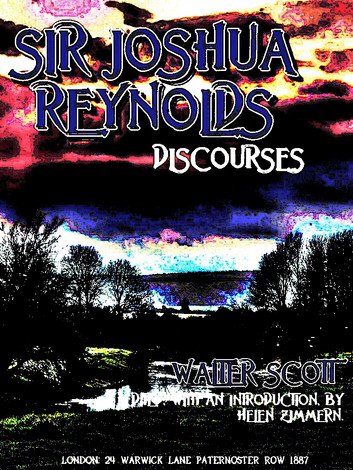
Description
Joshua Reynolds Discourses: A Complete Guide to the Master’s Art Philosophy
Introduction: Understanding Joshua Reynolds Discourses
The Joshua Reynolds Discourses are among the most influential collections in art history. Sir Joshua Reynolds delivered these lectures at the Royal Academy of Arts. Between 1769 and 1790, he shaped how artists think about their craft. Helen Zimmern later edited and presented these timeless teachings for modern readers.
Reynolds served as the Royal Academy’s first president. Therefore, his words carried immense weight in the art world. His ideas continue to influence artists, educators, and art lovers today. Moreover, these lectures offer practical wisdom alongside philosophical depth.
Who Was Sir Joshua Reynolds?
Sir Joshua Reynolds dominated 18th-century British art. He painted portraits of society’s most prominent figures. Additionally, he helped establish the Royal Academy in London. His influence extended far beyond his own paintings.
Reynolds believed art required both skill and intellectual depth. Furthermore, he championed the “Grand Style” of painting. This approach emphasized idealized beauty over mere realism. Consequently, his teachings shaped generations of artists.
He received his knighthood in 1769. That same year, he became the Academy’s president. Thus, he gained a platform to share his artistic vision.
The Structure of Joshua Reynolds Discourses
The collection contains fifteen major lectures. Reynolds delivered these speeches to Academy students annually. Each discourse explores different aspects of artistic practice. Moreover, they build systematically on one another.
Helen Zimmern’s edition makes these texts accessible. She provided helpful context and annotations. Therefore, modern readers can better understand Reynolds’s references. The book preserves his original eloquence while clarifying historical details.
Key Themes Across the Lectures
Reynolds covered several recurring topics throughout his discourses:
- The importance of studying Old Masters
- Technical skill versus creative genius
- The role of imagination in art
- Rules and when to break them
- The hierarchy of artistic genres
- Color, composition, and design principles
Each lecture builds on these foundational concepts. Additionally, Reynolds used specific examples from art history. This approach made abstract ideas concrete and understandable.
The Grand Style Philosophy
Reynolds championed what he called the “Grand Style.” This approach prioritized universal beauty over particular details. Consequently, artists should idealize their subjects rather than copy nature exactly. He believed great art transcends mere representation.
The Grand Style draws from classical antiquity. Therefore, Reynolds urged students to study Greek and Roman sculpture. He also recommended studying Renaissance masters like Raphael and Michelangelo. These artists exemplified the principles he valued most.
However, Reynolds didn’t reject nature entirely. Instead, he argued artists should select nature’s best elements. Then, they should combine these elements into ideal forms. Thus, art becomes an improvement upon reality.
Learning from the Old Masters
Reynolds strongly emphasized studying previous masters. He believed artistic progress required understanding tradition. Moreover, copying great works helped students internalize fundamental principles. This practice wasn’t about imitation but education.
He recommended spending years studying masterpieces. Students should carefully analyze composition, color, and technique. Furthermore, they should understand why certain choices work effectively. This deep study builds artistic judgment over time.
Reynolds himself studied extensively in Italy. There, he absorbed lessons from Renaissance and Baroque masters. Consequently, his own work reflected this classical education. He wanted his students to benefit similarly.
The Role of Genius and Rules
Reynolds addressed the tension between rules and creativity. He acknowledged that rules provide the necessary foundations. However, genius sometimes requires breaking conventional guidelines. Therefore, artists must first master the rules before transcending them.
He distinguished between mechanical skill and true artistry. Technical ability alone doesn’t create great art. Instead, imagination and intellectual depth separate masters from artisans. Nevertheless, technical excellence remains essential.
Reynolds believed genius manifests through hard work. Natural talent matters, but dedication matters more. Thus, he encouraged persistent study and practice. Even gifted artists must develop their abilities systematically.
Practical Advice for Artists
The Joshua Reynolds Discourses contain abundant practical guidance. He discussed color theory and its application. Additionally, he explained compositional principles in accessible terms. His advice remains relevant for contemporary artists.
Reynolds emphasized the importance of drawing skills. He considered drawing the foundation of all visual arts. Moreover, he recommended daily practice to maintain proficiency. Consistent effort produces better results than sporadic brilliance.
He also addressed the business aspects of art. Artists must balance commercial demands with artistic integrity. Furthermore, they should cultivate relationships with patrons wisely. Professional success requires both talent and diplomacy.
The Hierarchy of Genres
Reynolds promoted a specific hierarchy of artistic subjects. History painting occupied the highest position in his system. These works depicted noble themes from history, mythology, or religion. Therefore, they required the greatest skill and imagination.
Portraiture ranked below history painting but remained respectable. Reynolds himself excelled at portraits throughout his career. However, he considered them less intellectually demanding than historical subjects. Still, portraits could achieve greatness through proper execution.
Landscape and still life occupied lower positions. Reynolds viewed these genres as less challenging intellectually. Nevertheless, he acknowledged their value and beauty. Every genre deserves respect when executed skillfully.
Color and Composition Principles
Reynolds devoted considerable attention to technical matters. He discussed color harmony and contrast extensively. Moreover, he explained how colors affect emotional responses. These principles help artists create desired effects.
He emphasized the importance of unified composition. Every element should contribute to the overall design. Additionally, nothing should distract from the main subject. Thus, artists must carefully consider each compositional choice.
Reynolds recommended studying how masters used color. Titian and Rubens particularly exemplified excellent colorist techniques. Furthermore, he suggested systematically analyzing their methods. Understanding their choices helps artists develop their own skills.
Imagination in Artistic Creation
Reynolds placed imagination at the center of art. Technical skill enables expression, but imagination provides content. Therefore, artists must deliberately cultivate their imaginative capacities. Reading, observation, and reflection all feed creative thinking.
He distinguished between mere fancy and true imagination. Fancy produces superficial novelty without depth. Imagination, however, creates meaningful and profound works. Consequently, artists should pursue substance over mere cleverness.
Reynolds believed imagination required intellectual development. Artists should study literature, philosophy, and history. This broad education enriches their creative resources. Thus, the best artists are also learned individuals.
Criticism and Judgment
Reynolds taught students to develop critical judgment. Artists must evaluate their own work honestly. Moreover, they should learn from constructive criticism. This self-awareness enables continuous improvement over time.
He explained how to analyze artworks systematically. First, consider the overall conception and design. Then, examine technical execution and details. Finally, assess the emotional and intellectual impact. This methodical approach develops reliable judgment.
Reynolds encouraged respectful disagreement with established opinions. Students should think independently while respecting tradition. Furthermore, they should articulate their reasoning clearly. Thoughtful criticism advances artistic understanding for everyone.
The Artist’s Education
Reynolds outlined a comprehensive educational program for artists. Young students should begin with drawing fundamentals. Additionally, they must study anatomy to understand human form. This foundation supports all future development.
He recommended spending time in major art centers. Rome particularly offered unparalleled learning opportunities. There, students could study classical and Renaissance masterpieces directly. Such exposure profoundly shapes artistic sensibility.
Reynolds emphasized the importance of continuous learning. Even established artists should keep studying and growing. Moreover, they should remain open to new ideas. Complacency leads to stagnation and decline.
Why Joshua Reynolds Discourses Matter Today
These lectures remain remarkably relevant for contemporary artists. Reynolds addressed timeless questions about creativity and craft. Furthermore, his balanced approach combines theory with practical wisdom. Modern readers find his insights surprisingly applicable.
The discourses offer a historical perspective on artistic debates. Many current discussions echo Reynolds’s era. Therefore, understanding his arguments illuminates present controversies. History provides context for contemporary practice.
Helen Zimmern’s edition makes these ideas accessible. Her annotations clarify historical references for modern readers. Thus, anyone interested in art can benefit. The book serves students, practicing artists, and art enthusiasts equally.
Key Takeaways from the Discourses
Reynolds’s teachings offer several enduring lessons. First, master traditional techniques before seeking innovation. Second, study great predecessors to understand excellence. Third, combine technical skill with intellectual depth.
Additionally, he taught that art requires persistent effort. Natural talent alone never suffices for greatness. Moreover, artists must cultivate broad knowledge beyond their craft. This comprehensive development produces the finest work.
Finally, Reynolds emphasized art’s noble purpose. Great art elevates both creator and viewer. Therefore, artists bear the responsibility to pursue excellence. Their work contributes to the culture’s advancement.
Conclusion: The Lasting Legacy
Sir Joshua Reynolds profoundly shaped art education. His discourses established principles that endure to this day. Moreover, his eloquent expression makes complex ideas understandable. The combination of depth and clarity explains their lasting influence.
Helen Zimmern’s edition preserves this important legacy. She made Reynolds’s wisdom available to new generations. Consequently, these teachings continue inspiring artists worldwide. The book remains essential reading for serious art students.
The Joshua Reynolds Discourses demonstrate art’s intellectual dimension. They prove that great artists think deeply about their practice. Furthermore, they show how tradition and innovation coexist productively. Anyone passionate about the visual arts should explore these timeless lectures.
Whether you’re a practicing artist or enthusiastic admirer, this book offers valuable insights. Reynolds’s balanced perspective combines idealism with practical wisdom. His teachings encourage excellence while acknowledging human limitations. Thus, the discourses remain as relevant now as when first delivered.


Reviews
There are no reviews yet.