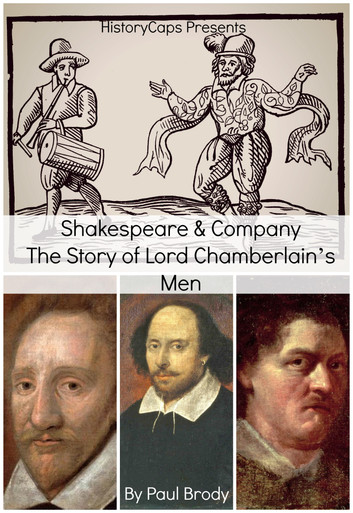
Description
Shakespeare and Company: A Comprehensive Synopsis of the Lord Chamberlain’s Men Story
Introduction to Shakespeare and Company
Shakespeare and Company tells the remarkable story of England’s most famous theatrical troupe. The Lord Chamberlain’s Men shaped Renaissance theater forever. Paul Brody’s e-book explores how this company revolutionized entertainment and literature. Moreover, the book reveals the business side of Elizabethan drama. Shakespeare and Company examines the people, politics, and performances that defined an era. Therefore, readers gain insight into the most influential organization in theatrical history.
The Formation of the Lord Chamberlain’s Men
The company emerged during England’s theatrical golden age in the 1590s. Queen Elizabeth I’s court patronized various acting troupes throughout London. However, the Lord Chamberlain’s Men stood apart from their competitors. They secured powerful protection from Henry Carey, the Lord Chamberlain himself. Consequently, this patronage provided stability and prestige that other companies lacked.
The troupe formed when several existing companies merged their talents and resources. Richard Burbage brought exceptional acting skills and theatrical vision to the group. Meanwhile, his father, James Burbage, contributed to the Theatre playhouse in Shoreditch. Additionally, William Shakespeare joined as both playwright and shareholder. Thus, the company combined performance excellence with literary genius from its inception.
Shakespeare’s Role in the Company
William Shakespeare served multiple crucial functions within the theatrical organization. He wrote plays exclusively for the Lord Chamberlain’s Men throughout his career. Furthermore, he performed in productions alongside his fellow company members. Shakespeare also held a financial stake in the company’s profits and property. Therefore, his investment went beyond mere artistic contribution to a business partnership.
His plays gave the company an unmatched competitive advantage in London’s theater scene. Works like “Romeo and Juliet” and “A Midsummer Night’s Dream” drew massive crowds. Moreover, his histories celebrated English heritage and pleased royal audiences. Comedies and tragedies showcased the company’s versatile acting talents brilliantly. Consequently, Shakespeare’s writing became inseparable from the company’s identity and success.
Key Figures in Shakespeare’s Company
Richard Burbage: The Leading Man
Richard Burbage emerged as Elizabethan England’s greatest tragic actor and company leader. He originated iconic roles including Hamlet, Othello, King Lear, and Richard III. Moreover, Burbage’s performances brought Shakespeare’s complex characters to vivid life on stage. His emotional depth and physical presence captivated audiences throughout his long career. Therefore, many scholars consider him the first true “star” of English theater.
Burbage also contributed significantly to the company’s business operations and strategic decisions. He co-owned the Globe Theatre alongside Shakespeare and other company shareholders. Additionally, he helped negotiate contracts, manage finances, and plan seasonal repertoires. Thus, Burbage effectively balanced artistic excellence with practical theatrical management skills.
Will Kempe: The Comic Genius
Will Kempe brought unparalleled comedic talent to Shakespeare’s company during its early years. He specialized in clowning, physical comedy, and improvised performances that delighted common audiences. Moreover, Kempe’s jigs and dances became legendary throughout London’s entertainment districts. Shakespeare wrote roles like Dogberry and Bottom specifically for Kempe’s unique abilities. However, creative differences eventually led to Kempe’s departure from the company.
His replacement, Robert Armin, brought a different comedic style to the troupe. Armin favored witty wordplay and sophisticated humor over broad physical comedy. Consequently, Shakespeare’s later fools, such as Feste and Touchstone, reflected this stylistic shift. Therefore, the company’s evolution demonstrates how personnel changes influenced Shakespeare’s dramatic writing.
The Globe Theatre and Performance Venues
Building the Globe
The Globe Theatre represents Shakespeare and Company’s most enduring physical legacy today. The company built this iconic playhouse in 1599 on London’s Bankside district. Moreover, they constructed it using timbers from the dismantled Theatre in Shoreditch. This bold move followed a property dispute with their previous landlord. Therefore, the Globe symbolized the company’s independence and entrepreneurial spirit.
The theater’s design reflected both practical considerations and artistic ambitions. It accommodated approximately 3,000 spectators across multiple seating levels and standing areas. Furthermore, the open-air structure utilized natural daylight for afternoon performances. The thrust stage allowed actors to engage audiences from three sides intimately. Consequently, this architectural design influenced how Shakespeare wrote his plays, shaping their staging requirements.
Other Performance Spaces
Shakespeare’s company performed at various venues beyond the Globe throughout their history. They regularly appeared at court for royal command performances before the monarch. Additionally, the company used the Blackfriars Theatre for indoor winter performances. This smaller, enclosed venue attracted wealthier patrons and allowed candlelit evening shows. Thus, the company effectively adapted its repertoire to different performance contexts.
The Blackfriars acquisition in 1608 marked a significant evolution in the company’s operations. Indoor theaters offered protection from the weather and extended the performance season considerably. Moreover, the intimate setting suited the tragicomedies and romances that Shakespeare wrote later. However, the Globe remained their primary venue for large-scale productions. Therefore, the company maintained flexibility by operating multiple performance spaces simultaneously.
Notable Productions and Performances
The Lord Chamberlain’s Men premiered virtually all of Shakespeare’s greatest works originally. Their repertoire included tragedies, comedies, histories, and romances that still captivate audiences today. Moreover, the company performed plays by other contemporary dramatists to diversify its offerings. However, Shakespeare’s works formed the core of their artistic identity and commercial success.
Landmark Productions
Several productions particularly defined the company’s reputation and theatrical innovation:
- Hamlet (c. 1600): Burbage’s performance established the melancholy prince as the theater’s most complex character
- Henry V (1599): Opened the Globe Theatre with patriotic spectacle and stirring speeches
- Twelfth Night (1602): Showcased the company’s comedic ensemble work and musical talents
- King Lear (1606): Demonstrated the troupe’s ability to handle Shakespeare’s darkest tragedy
- The Tempest (1611): Utilized Blackfriars’ indoor staging for magical effects and spectacle
These productions consistently demonstrated the company’s range, technical skill, and artistic ambition. Furthermore, they established performance traditions that influenced Shakespeare’s interpretation for centuries afterward. Therefore, understanding these original productions illuminates how Shakespeare intended his works to be performed.
The Company’s Business Model
Shareholder Structure
Shakespeare and Company operated as a joint-stock company with unique organizational principles. Leading members held shares that entitled them to portions of the company’s profits. Moreover, shareholders participated in major decisions regarding repertoire, casting, and business strategy. This democratic structure differed from the hierarchical patron-actor relationships common elsewhere. Consequently, the company fostered loyalty and long-term commitment among its core members.
Hired men and apprentices worked for wages rather than profit shares. However, talented performers could eventually earn shareholder status through exceptional contributions. Additionally, the company employed musicians, stagehands, and costume makers as support staff. Thus, the organization functioned as a complex business enterprise beyond mere artistic collaboration.
Financial Operations
The company generated revenue from multiple streams, ensuring financial stability. Admission fees from public performances provided the primary source of income for operations. Moreover, lucrative court performances paid premium rates and enhanced the company’s prestige. The shareholders also earned rental income from the Globe and Blackfriars properties. Therefore, diversified revenue protected against seasonal fluctuations and unexpected disruptions.
Operating expenses included actor salaries, costume purchases, script acquisitions, and venue maintenance. The company invested heavily in elaborate costumes that impressed audiences visually. Furthermore, they paid playwrights for new scripts to keep their repertoire fresh. However, careful financial management allowed the company to remain profitable throughout the decades. Consequently, this business acumen contributed as much to their success as artistic excellence.
Royal Patronage and Political Context
From Lord Chamberlain’s to King’s Men
The company’s fortunes improved dramatically when James I ascended England’s throne in 1603. The new king immediately took the troupe under his direct royal patronage. Therefore, they became the King’s Men with enhanced status and financial support. This elevation reflected both their artistic reputation and the monarch’s personal interest. Moreover, royal patronage protected theatrical entertainers from Puritan critics who opposed them.
The King’s Men performed at court more frequently than any other company. James, I particularly enjoyed Shakespeare’s plays and regularly commissioned special performances. Additionally, the company received royal livery and served as Grooms of the Chamber. Thus, they occupied a unique position bridging popular entertainment and aristocratic culture.
Navigating Political Tensions
Elizabethan and Jacobean theater existed amid constant political and religious tensions. Playwrights and companies faced censorship from the Master of the Revels. Moreover, Puritan reformers condemned theater as immoral and sought to close playhouses. The company navigated these challenges through careful political positioning and powerful patronage. However, they occasionally faced controversy over the political content or religious themes of their plays.
Shakespeare’s histories particularly required a diplomatic approach to sensitive issues of dynastic succession. The company avoided explicit commentary on contemporary politics while exploring themes of power. Furthermore, they strategically cultivated relationships with influential courtiers and government officials. Therefore, political savvy complemented artistic talent in ensuring the company’s survival and prosperity.
The Company’s Repertoire Beyond Shakespeare
While Shakespeare dominated their offerings, the King’s Men performed works by other playwrights. Ben Jonson’s satirical comedies provided sophisticated entertainment for educated audiences, particularly. Moreover, John Fletcher collaborated with Shakespeare and later succeeded him as principal dramatist. The company also revived older plays and adapted works from various sources. Thus, they maintained a diverse repertoire that appealed to different audience segments.
Collaborative Playwriting
Renaissance theater companies often commissioned collaborative plays by multiple writers. Shakespeare himself collaborated with Fletcher on “The Two Noble Kinsmen” and “Henry VIII.” Moreover, this practice allowed companies to produce new works quickly and efficiently. Different writers contributed acts or scenes according to their particular strengths. Therefore, collaboration was standard industry practice rather than an exceptional circumstance.
The company’s willingness to experiment with different writers and styles demonstrated commercial pragmatism. They constantly balanced artistic quality with audience demand and financial considerations. Furthermore, maintaining relationships with multiple playwrights protected against over-dependence on single writers. Consequently, this strategy ensured a consistent supply of content even when individual playwrights faced creative blocks.
Performance Practices and Theatrical Conventions
Acting Styles and Techniques
Elizabethan acting differed significantly from modern naturalistic performance approaches in several ways. Actors employed rhetorical delivery that emphasized language’s musical and rhythmic qualities. Moreover, gestures and movements followed conventional patterns that audiences recognized and understood. The open-air theaters required vocal projection and physical expressiveness to engage the audience. Therefore, performances combined heightened theatricality with emotional authenticity in unique ways.
Boy actors played all female roles due to legal and social prohibitions. These young performers trained extensively in voice, movement, and character portrayal. Moreover, Shakespeare wrote roles like Juliet and Cleopatra specifically for talented boy actors. The convention influenced how playwrights constructed female characters and romantic scenes. However, audiences accepted this practice as a normal theatrical convention without question.
Staging and Production Elements
Renaissance staging relied on language, costumes, and minimal props rather than elaborate scenery. The Globe’s bare thrust stage allowed rapid scene changes and fluid storytelling. Moreover, Shakespeare’s descriptive language created imaginary locations through words rather than visual representation. Costumes provided the primary visual spectacle and clearly indicated characters’ social status. Therefore, productions emphasized acting and language over technical theatrical effects.
The company invested substantial sums in acquiring rich, elaborate costumes for performances. Contemporary accounts describe stunning visual displays that impressed audiences greatly despite minimal scenery. Furthermore, special effects like trapdoors, flying apparatus, and sound effects enhanced specific moments. However, these technical elements supported rather than dominated the theatrical experience as a whole.
Legacy and Historical Impact
Preserving Shakespeare’s Works
The King’s Men’s most important legacy involves preserving Shakespeare’s plays for future generations. Company members John Heminge and Henry Condell compiled the First Folio in 1623. This collected edition saved approximately eighteen plays that existed in no other form. Moreover, the Folio established authoritative texts that became the foundation for all subsequent editions. Therefore, without the company’s dedication, much of Shakespeare’s work might have disappeared forever.
The First Folio’s publication demonstrated the company’s recognition of Shakespeare’s extraordinary literary achievement. They invested significant resources in carefully producing this expensive, prestigious volume. Furthermore, their prefatory materials praised Shakespeare’s genius and defended his artistic reputation. Thus, the company’s commercial partners became his earliest literary champions and preservers.
Influence on Theater History
Shakespeare and Company established professional standards that influenced English theater for centuries afterward. Their business model demonstrated how theatrical companies could achieve financial stability and artistic excellence. Moreover, their performance practices shaped how subsequent generations interpreted and staged Shakespeare’s works. The Globe Theatre became an iconic symbol of Renaissance drama and cultural achievement. Therefore, the company’s influence extends far beyond its immediate historical moment.
Modern theater companies worldwide still study the Lord Chamberlain’s Men’s organizational and artistic practices. The reconstructed Globe Theatre in London continues its performance traditions for contemporary audiences. Furthermore, scholars constantly research the company’s history to understand Shakespeare’s original theatrical context. Consequently, this Renaissance troupe remains vitally relevant to theater practitioners and audiences today.
Conclusion: Shakespeare and Company’s Enduring Significance
Paul Brody’s “Shakespeare and Company” illuminates how the Lord Chamberlain’s Men revolutionized theatrical entertainment. The company combined artistic brilliance, business acumen, and political savvy in a remarkable way. Moreover, their collaborative structure fostered creativity while ensuring financial sustainability throughout the decades. Shakespeare’s genius flourished within this supportive, professional environment that valued both art and commerce.
The book reveals that Shakespeare and Company succeeded through collective effort rather than individual genius. Richard Burbage’s acting, the shareholders’ business management, and royal patronage all contributed essentially. Furthermore, the company’s adaptability allowed it to navigate changing political and cultural circumstances. Therefore, their story offers lessons about artistic collaboration, entrepreneurship, and cultural institution-building.
Understanding the Lord Chamberlain’s Men enriches our appreciation of Shakespeare’s plays and Renaissance theater. The company’s practices influenced how Shakespeare wrote, what subjects he explored, and how audiences experienced drama. Moreover, their legacy continues to shape how we perform, study, and value theatrical art today.
Consequently, Brody’s book provides essential context for anyone interested in Shakespeare, theater history, or cultural entrepreneurship. Shakespeare and Company ultimately demonstrates how great art emerges from supportive communities and professional excellence.






Reviews
There are no reviews yet.