Description
Rolland Golden: Life, Love, and Art in the French Quarter – A Complete Synopsis
Introduction to Rolland Golden’s Memoir
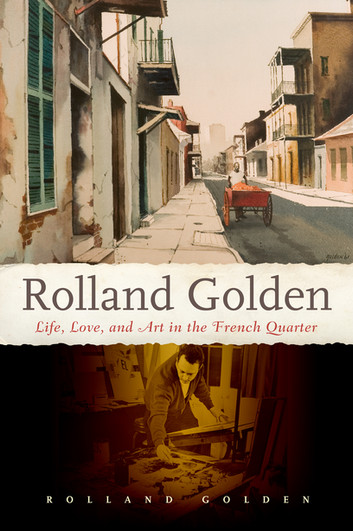
“Rolland Golden: Life, Love, and Art in the French Quarter” offers readers an intimate portrait of an artist’s life. This memoir chronicles Rolland Golden’s extraordinary journey through New Orleans’ most iconic neighborhood. Furthermore, it reveals how the French Quarter shaped his artistic vision and personal identity.
Golden shares candid stories about his creative process, romantic relationships, and bohemian lifestyle. Additionally, he explores the vibrant cultural landscape that inspired his celebrated artwork.
The book captures the essence of artistic life in one of America’s most unique cities. Moreover, Golden’s narrative weaves together personal anecdotes with broader cultural observations. His story reflects the spirit of New Orleans and its enduring creative community. Therefore, readers gain insight into both the artist and the place that defined him.
Rolland Golden’s Artistic Journey and Creative Development
Golden’s path to becoming a renowned artist began with humble Southern roots. He discovered his passion for painting early in life despite limited resources. Furthermore, his determination led him to pursue formal art training and develop his craft. The French Quarter became his classroom, studio, and endless source of inspiration.
His artistic style evolved through years of observation and experimentation in New Orleans. Additionally, Golden developed a distinctive approach to capturing light, architecture, and atmosphere. He focused particularly on the French Quarter’s weathered buildings and hidden courtyards. Moreover, his work celebrates the neighborhood’s fading beauty and timeless character.
The memoir reveals Golden’s creative process and the discipline behind his success. He describes spending long hours daily sketching, painting, and refining his technique. Furthermore, he discusses the challenges artists face in balancing commercial success with artistic integrity. Consequently, readers understand the dedication required to sustain a professional art career.
Life and Love in the French Quarter
The French Quarter provided more than artistic inspiration for Rolland Golden’s development. It offered a bohemian lifestyle that attracted artists, musicians, and free spirits. Additionally, the neighborhood’s tolerant atmosphere allowed creative individuals to flourish and experiment. Golden embraced this environment and formed deep connections within the artistic community.
His romantic relationships profoundly influenced both his life and his artwork. Furthermore, Golden writes candidly about love, heartbreak, and the complexities of relationships. These personal experiences added emotional depth to his paintings and creative vision. Moreover, his partners often appeared in his work as muses and collaborators.
The memoir captures the French Quarter’s unique social fabric and cultural richness. Golden describes jazz clubs, art galleries, street performers, and colorful local characters. Additionally, he chronicles the neighborhood’s transformation over decades of change and development. Yet, he emphasizes the enduring spirit that makes the Quarter eternally captivating.
Key Themes in Golden’s Memoir
The book explores several interconnected themes that resonate with readers and art enthusiasts:
- The relationship between place and artistic identity
- Balancing commercial success with authentic creative expression
- The bohemian lifestyle and artistic community in New Orleans
- Love, relationships, and their influence on creative work
- Preserving cultural heritage through art and documentation
- The challenges and rewards of pursuing an artistic career
- Finding beauty in decay, age, and imperfection
- The French Quarter is both a muse and a home
Cultural Significance and Lasting Impact
“Rolland Golden: Life, Love, and Art in the French Quarter” documents an important chapter in American art history. Golden’s work preserves the French Quarter’s character during significant cultural transitions. Furthermore, his paintings serve as historical records of buildings and scenes now vanished. The memoir adds context and personal narrative to this visual documentation.
His story inspires aspiring artists seeking to forge their own creative paths. Additionally, Golden demonstrates how regional identity can fuel distinctive artistic vision and success. His commitment to New Orleans influenced generations of artists who followed him. Moreover, his work helped establish the French Quarter as an internationally recognized artistic destination.
The book appeals to art lovers, New Orleans enthusiasts, and memoir readers alike. Therefore, it bridges multiple audiences through its honest, engaging storytelling and cultural insights. Golden’s legacy continues through his paintings and this deeply personal written account.
Conclusion
Rolland Golden’s memoir offers an authentic glimpse into an artist’s life and creative soul. His love for the French Quarter shines through every page and anecdote. Furthermore, readers discover how place, passion, and perseverance combine to create meaningful art.
This book celebrates both an individual artist and the magical neighborhood that inspired him. Consequently, it stands as essential reading for anyone interested in art, New Orleans, or the bohemian creative life.


Reviews
There are no reviews yet.