Description
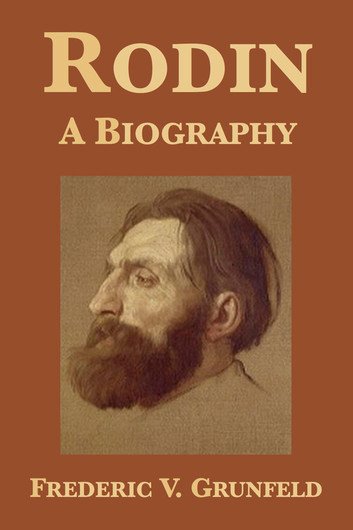
Rodin: A Biography – The Definitive Life Story of Auguste Rodin, Master Sculptor
Introduction: Auguste Rodin’s Revolutionary Genius
Auguste Rodin transformed sculpture forever through his revolutionary artistic vision. Frederic V. Grunfeld’s comprehensive biography explores the extraordinary life of this legendary sculptor. Moreover, it reveals the man behind masterpieces like The Thinker and The Kiss. This definitive work captures Rodin’s struggles, triumphs, and enduring legacy.
Grunfeld spent years researching this exhaustive biography. He examined letters, documents, and historical records meticulously. Furthermore, he interviewed descendants and scholars who studied Rodin’s work. This marks the first major Rodin biography in over fifty years.
The book presents a complete portrait of the artist. It explores his impoverished youth and meteoric rise to fame. Additionally, it examines his turbulent personal relationships and artistic controversies. Readers discover the complex human behind the iconic sculptures.
Early Life: Rodin’s Humble Beginnings
Auguste Rodin was born in Paris in 1840. His family struggled with poverty throughout his childhood. Nevertheless, young Auguste showed remarkable artistic talent from an early age. His parents recognized his gift but lacked the resources to nurture it.
Rodin attended the Petite École, a school for decorative arts. He studied drawing and modeling with dedication and passion. However, he failed three times to gain admission to the prestigious École des Beaux-Arts. These rejections devastated him, but didn’t destroy his determination.
Financial hardship forced Rodin into commercial decorative work. He spent years creating ornamental designs for builders and artisans. Moreover, he worked in obscurity while dreaming of artistic recognition. These difficult years shaped his character and artistic vision.
Struggling Against the Conservative Paris Salon
The Paris Salon dominated French art during Rodin’s early career. This conservative institution controlled artistic success and public recognition. Furthermore, it favored classical styles and traditional subject matter. Rodin’s innovative approach challenged everything the Salon represented.
The Salon repeatedly rejected Rodin’s early submissions. Critics dismissed his work as crude and unfinished. Additionally, they accused him of casting from live models. These attacks wounded Rodin deeply but strengthened his resolve.
Rodin refused to compromise his artistic vision for acceptance. He continued developing his unique sculptural language despite constant rejection. Consequently, he spent decades working outside the mainstream art establishment. His persistence eventually revolutionized modern sculpture.
The Thinker: Rodin’s Most Iconic Sculpture
The Thinker remains Rodin’s most recognizable masterpiece worldwide. Originally conceived as part of The Gates of Hell, it evolved into an independent work. Moreover, it became a universal symbol of human contemplation and philosophy. The sculpture depicts a nude man in deep, intense thought.
Rodin created The Thinker between 1880 and 1882. The figure’s muscular body contrasts with its intellectual pose. Furthermore, the sculpture captures both physical power and mental concentration. This combination exemplifies Rodin’s revolutionary approach to form.
The work challenged traditional representations of thinkers and philosophers. Classical sculptures typically showed intellectuals in robes, seated calmly. However, Rodin presented raw physicality merged with profound thought. This bold choice shocked conservative critics but captivated progressive audiences.
The Kiss: Passion Captured in Marble
The Kiss stands as one of sculpture’s most romantic works. Rodin created this masterpiece depicting two lovers in a passionate embrace. Additionally, the sculpture celebrates physical love with unprecedented sensuality. It scandalized Victorian audiences while mesmerizing modern viewers.
Originally titled Francesca da Rimini, the work illustrates a tragic love story. The sculpture shows Paolo and Francesca from Dante’s Inferno. Moreover, their forbidden love led to their deaths and eternal damnation. Rodin transformed this dark tale into something beautiful and tender.
The sculpture’s smooth marble surfaces enhance its emotional impact. The lovers’ bodies merge seamlessly, suggesting complete union. Furthermore, their gentle touch conveys both desire and tenderness. The Kiss demonstrates Rodin’s ability to capture complex human emotions.
The Hand of God: Divine Creation in Bronze
The Hand of God showcases Rodin’s spiritual and philosophical depth. This powerful sculpture depicts a divine hand holding emerging human figures. Moreover, it explores themes of creation, destiny, and human existence. The work reflects Rodin’s fascination with life’s fundamental mysteries.
The sculpture shows partially formed figures rising from raw clay. They remain connected to the material from which they emerge. Additionally, the divine hand both creates and constrains them. This ambiguity invites multiple interpretations about human freedom and fate.
Rodin worked on this piece throughout his career. He continually refined and reconsidered its meaning and form. Furthermore, he created multiple versions in different sizes and materials. The Hand of God exemplifies his lifelong artistic exploration.
Rodin’s Revolutionary Artistic Techniques
Auguste Rodin pioneered techniques that transformed modern sculpture forever. He rejected the smooth, idealized surfaces favored by academic sculptors. Instead, he embraced rough textures and visible modeling marks. Moreover, he left works intentionally “unfinished” to enhance their emotional power.
Rodin studied human anatomy with scientific precision and artistic passion. He hired models to move naturally around his studio. Furthermore, he sketched them constantly to capture authentic movement and gesture. This approach brought unprecedented realism to his sculptures.
He also revolutionized the concept of sculptural fragments. Rodin created powerful works showing only hands, torsos, or heads. Additionally, he believed fragments could express complete emotional truths. This radical idea influenced countless twentieth-century sculptors.
Love Affairs: Rodin’s Passionate Relationships
Rodin’s personal life was as turbulent as his artistic career. He maintained numerous passionate affairs throughout his lifetime. Moreover, these relationships profoundly influenced his artistic development and emotional life. Grunfeld’s biography thoroughly explores these complex romantic entanglements.
Rose Beuret remained Rodin’s lifelong companion despite his many infidelities. She met him when both were young and poor. Furthermore, she supported him through decades of struggle and obscurity. They finally married just weeks before her death in 1917.
Camille Claudel became Rodin’s most famous lover and artistic collaborator. She was a brilliant sculptor in her own right. Additionally, their passionate relationship lasted over a decade. The affair ended tragically, with Claudel spending her final years institutionalized.
Camille Claudel: Muse, Lover, and Rival
Camille Claudel entered Rodin’s life as a talented young student. She quickly became his assistant, model, and lover. Moreover, she influenced his work significantly during their relationship. Their collaboration produced some of Rodin’s most innovative pieces.
Claudel possessed extraordinary sculptural talent that rivaled Rodin’s own genius. She created powerful, original works that challenged gender conventions. However, Rodin’s fame overshadowed her achievements during her lifetime. Furthermore, their relationship’s end devastated her personally and professionally.
The affair’s conclusion left Claudel emotionally shattered and professionally isolated. She destroyed many of her own sculptures in despair. Additionally, her family committed her to a psychiatric institution. She remained there for thirty years until her death.
Friendships and Enmities in the Art World
Rodin cultivated important friendships with leading artists and intellectuals. He regularly corresponded with writers, painters, and fellow sculptors. Moreover, these relationships enriched his artistic vision and public reputation. Grunfeld documents these connections with fascinating detail.
The sculptor befriended poet Rainer Maria Rilke, who became his secretary. Rilke wrote eloquently about Rodin’s artistic process and philosophy. Furthermore, their friendship profoundly influenced both men’s creative work. Rilke’s writings helped establish Rodin’s international reputation.
However, Rodin also made powerful enemies throughout his career. Conservative critics attacked his work as immoral and incompetent. Additionally, jealous rivals spread rumors and undermined his reputation. These conflicts created constant stress despite his growing success.
The Gates of Hell: Rodin’s Monumental Masterpiece
The Gates of Hell consumed Rodin’s creative energy for decades. This massive sculptural portal was commissioned for a decorative arts museum. Moreover, it became his most ambitious and complex project. The work remained unfinished at his death in 1917.
The Gates drew inspiration from Dante’s Inferno and Baudelaire’s poetry. Rodin populated the doors with writhing figures representing human suffering. Furthermore, he continually added, removed, and rearranged elements throughout his life. The project became an inexhaustible source of sculptural ideas.
Many of Rodin’s most famous works originated from The Gates. The Thinker originally crowned the portal as Dante contemplating Hell. Additionally, The Kiss and numerous other sculptures began as gate elements. The project functioned as Rodin’s creative laboratory for thirty-seven years.
Public Recognition: Rodin’s Rise to Fame
Rodin’s breakthrough came relatively late in his artistic career. He was already in his forties when recognition finally arrived. Nevertheless, his reputation grew rapidly once the art world acknowledged his genius. Moreover, he became one of the most celebrated artists alive.
The 1900 Paris Exposition featured a major Rodin retrospective exhibition. This show displayed 150 of his sculptures to enormous crowds. Furthermore, it established him as France’s greatest living sculptor. International commissions and honors followed quickly afterward.
Rodin’s fame brought financial security after decades of poverty. He purchased the Villa des Brillants in Meudon near Paris. Additionally, he filled it with his sculptures and extensive art collection. The property became his primary residence and working studio.
Rodin’s Influence on Modern Sculpture
Auguste Rodin fundamentally changed how artists approached sculptural form and expression. His innovations liberated sculpture from academic conventions and rigid traditions. Moreover, he inspired generations of twentieth-century sculptors worldwide. His influence remains visible in contemporary sculpture today.
Rodin demonstrated that sculpture could express psychological depth and emotional complexity. He showed that rough surfaces and fragmented forms conveyed powerful meanings. Furthermore, he proved that “unfinished” works could achieve profound artistic impact. These lessons transformed modern sculptural practice.
Major sculptors acknowledged their debt to Rodin’s revolutionary vision:
- Constantin Brancusi studied under Rodin before developing his own style.
- Alberto Giacometti drew inspiration from Rodin’s expressive distortions.
- Henry Moore admired Rodin’s ability to capture human emotion.
- Aristide Maillol reacted against but learned from Rodin’s innovations.
- Pablo Picasso collected Rodin’s drawings and studied his techniques.
The Balzac Monument: Rodin’s Most Controversial Work
The Balzac monument sparked the greatest controversy of Rodin’s career. The Société des Gens de Lettres commissioned a memorial to writer Honoré de Balzac. However, Rodin’s radical interpretation shocked and outraged the commissioning committee. They rejected the finished sculpture as grotesque and insulting.
Rodin spent seven years developing his vision for the monument. He studied Balzac’s life, personality, and physical appearance obsessively. Moreover, he created numerous studies exploring different approaches and poses. His final version showed Balzac wrapped in a robe, head thrown back defiantly.
The sculpture emphasized Balzac’s creative genius over physical likeness. Critics attacked it as a shapeless mass lacking artistic merit. Nevertheless, Rodin refused to modify his vision or compromise his artistic integrity. He eventually purchased the sculpture back and kept it himself.
Rodin’s Drawing Practice
Rodin produced thousands of drawings throughout his long artistic career. These works reveal his creative process and artistic development in intimate detail. Moreover, they demonstrate his mastery across multiple artistic media. His drawings range from careful anatomical studies to spontaneous gestural sketches.
He drew constantly, capturing models in motion with rapid lines. His later drawings became increasingly free and expressive. Furthermore, he often added watercolor washes to enhance their sensuality. These works possess an immediacy and energy that complements his sculptures.
Rodin’s drawings influenced modern art as significantly as his sculptures. They anticipated expressionist and abstract approaches to the human figure. Additionally, they revealed his understanding of line, form, and movement. Contemporary artists continue studying these remarkable works today.
The Musée Rodin: Preserving the Artist’s Legacy
Shortly before his death, Rodin donated his works to France. The French government established the Musée Rodin in his honor. Moreover, the museum is housed in the beautiful Hôtel Biron in Paris. It houses the world’s largest collection of Rodin’s sculptures and drawings.
The museum opened to the public in 1919, two years after Rodin’s death. It displays his major works alongside personal belongings and correspondence. Furthermore, the museum’s gardens showcase large-scale sculptures in beautiful outdoor settings. Millions of visitors explore the collection annually.
The Musée Rodin preserves not just artworks but also Rodin’s creative legacy. It maintains his studio spaces and working methods for study. Additionally, it promotes scholarship and research about his life and art. The institution ensures future generations can appreciate his revolutionary genius.
Grunfeld’s Research and Biographical Approach
Frederic V. Grunfeld conducted exhaustive research for this comprehensive biography. He examined archives, letters, and documents across multiple countries. Moreover, he interviewed scholars, descendants, and experts on Rodin’s work. This thorough methodology ensures historical accuracy and rich detail.
The biography balances artistic analysis with personal narrative in a compelling way. Grunfeld explains Rodin’s sculptural innovations in accessible language. Furthermore, he reveals the human struggles behind the artistic achievements. Readers understand both the art and the artist intimately.
Grunfeld’s work fills a significant gap in art historical literature. No major Rodin biography had appeared for over fifty years. Additionally, new archival materials have become available since the publication of the previous biographies. This book incorporates fresh research and contemporary scholarly perspectives.
Rodin’s Final Years and Death
Rodin’s final years brought both triumph and tragedy. He achieved unprecedented fame and international recognition during this period. However, he also suffered declining health and personal losses. Moreover, World War I devastated France and disrupted his creative work.
Rose Beuret, his companion of fifty-three years, died in February 1917. They had married just weeks earlier in a simple ceremony. Furthermore, her death left Rodin emotionally devastated and increasingly frail. He survived her by only nine months.
Auguste Rodin died on November 17, 1917, at age seventy-seven. France mourned the loss of its greatest sculptor. Additionally, the art world recognized that an era had ended. His funeral drew enormous crowds who paid their respects to the revolutionary artist.
Themes Explored in Grunfeld’s Biography
Grunfeld’s biography examines several interconnected themes throughout Rodin’s life. The struggle against poverty profoundly shapes the narrative’s early chapters. Moreover, the book explores how financial hardship influenced Rodin’s artistic development. Success came late, but it completely transformed his circumstances.
The biography also thoroughly investigates Rodin’s complex relationships with women. His affairs reveal both his passionate nature and personal failings. Furthermore, these relationships significantly influenced his artistic vision and emotional life. Grunfeld presents these stories with sensitivity and historical context.
Another major theme involves Rodin’s battle against conservative artistic establishments. His revolutionary vision challenged entrenched academic traditions and conventions. Additionally, his persistence despite constant rejection demonstrates remarkable courage. This struggle ultimately transformed modern sculpture forever.
Why This Biography Matters Today
Grunfeld’s biography remains essential reading for art lovers and scholars alike. It provides the most comprehensive account of Rodin’s life available. Moreover, it illuminates the creative process of a revolutionary artistic genius. Understanding Rodin helps us appreciate the development and evolution of modern sculpture.
The book also offers insights into nineteenth-century Parisian artistic culture. It describes the salon system, artistic politics, and cultural debates. Furthermore, it reveals how one determined individual transformed an entire artistic medium. These lessons extend beyond art history into broader human experience.
Rodin’s story inspires anyone facing rejection or struggling against convention. His persistence despite decades of poverty and criticism demonstrates remarkable resilience. Additionally, his ultimate triumph proves that genuine innovation eventually finds recognition. His life encourages artists and creators to maintain their vision.
Critical Reception of Grunfeld’s Work
Critics praised Grunfeld’s biography for its thoroughness and engaging narrative style. Reviewers highlighted his balanced approach to controversial aspects of Rodin’s life. Moreover, they appreciated his accessible explanations of complex artistic concepts. The book received widespread acclaim from both scholars and general readers.
Art historians valued the biography’s extensive research and documentation. Grunfeld consulted primary sources that previous biographers had overlooked. Furthermore, he corrected errors and myths that had persisted in earlier accounts. His scholarship set new standards for Rodin studies.
General readers enjoyed the book’s compelling storytelling and vivid characterizations. Grunfeld brings Rodin and his era to life with novelistic detail. Additionally, he makes the sculptor’s artistic innovations understandable to non-specialists. The biography succeeds as both scholarship and engaging literature.
Rodin’s Enduring Cultural Impact
Auguste Rodin’s influence extends far beyond the art world today. His sculptures appear in museums, parks, and public spaces worldwide. Moreover, reproductions of The Thinker have become universal cultural symbols. His work remains instantly recognizable to millions of people.
Rodin’s innovations continue inspiring contemporary sculptors and artists across all media. His emphasis on emotional expression over technical perfection remains relevant. Furthermore, his willingness to challenge conventions encourages artistic experimentation today. Modern artists still study his techniques and creative philosophy.
The sculptor’s life story also resonates powerfully with contemporary audiences. His struggles against poverty and rejection feel universally relatable. Additionally, his passionate relationships and personal flaws humanize his genius. Rodin emerges as both an extraordinary artist and a complex, flawed human being.
Conclusion: A Definitive Portrait of Genius
Frederic V. Grunfeld’s biography stands as the definitive account of Auguste Rodin’s remarkable life. It combines exhaustive research with an engaging narrative to create a comprehensive portrait. Moreover, it illuminates both the artistic genius and the complicated human being. This book belongs on every art lover’s bookshelf.
The biography succeeds in making Rodin’s revolutionary achievements accessible and understandable. Grunfeld explains complex artistic concepts without oversimplifying or condescending. Furthermore, he effectively places Rodin’s work within its historical and cultural context. Readers gain a deep appreciation for the sculptor’s innovations and influence.
Rodin emerges from these pages as a fully realized, three-dimensional character. His strengths and weaknesses, triumphs and failures, are all honestly examined. Additionally, his passionate dedication to artistic truth inspires admiration despite personal flaws. The biography honors his legacy while acknowledging his humanity.
This comprehensive work fills a crucial gap in art historical literature. It provides the first major Rodin biography in over half a century. Moreover, it incorporates modern scholarship and newly available archival materials. Future Rodin studies will build upon Grunfeld’s thorough foundation.
For anyone interested in sculpture, art history, or creative genius, this biography is essential reading. It tells the story of how one determined individual transformed an entire artistic medium. Furthermore, it reveals the human cost and reward of revolutionary artistic vision. Auguste Rodin’s life, as told by Frederic V. Grunfeld, continues to inspire and educate readers today.


Reviews
There are no reviews yet.