Description
A Comprehensive Collection of Rembrandt’s Drawings
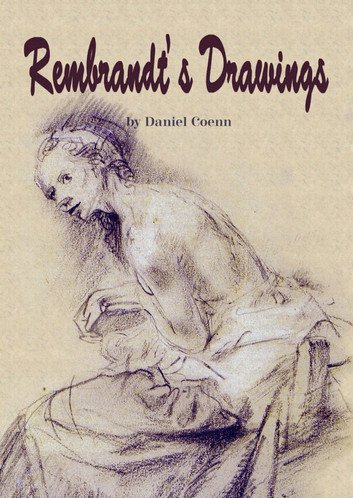
Rembrandt’s Drawings by Daniel Coenn presents an extraordinary visual journey through the master’s sketches and studies. This e-book from the My Pocket Gallery series showcases over 100 carefully selected works. Each drawing reveals the artistic genius that made Rembrandt one of history’s greatest artists. Furthermore, the collection spans his entire career from early experiments to mature masterpieces.
The digital format offers exceptional clarity and detail for every reproduction. Readers can examine individual pen strokes and subtle tonal variations with remarkable precision. Moreover, the high-resolution images allow zooming capabilities that surpass traditional printed books. This accessibility brings museum-quality art directly to your personal device.
Daniel Coenn has curated this collection to highlight the diversity of Rembrandt’s drawing practice. The selection includes biblical narratives, intimate portraits, and spontaneous sketches from daily life. Additionally, the book provides contextual information that enriches understanding without overwhelming the visual experience. Readers discover how these drawings connect to his famous paintings and etchings.
The e-book format makes this collection portable and convenient for modern art enthusiasts. You can study these masterworks anywhere, whether commuting, traveling, or relaxing at home. Indeed, this accessibility democratizes access to cultural treasures once limited to museum visitors. The affordable price point makes building a personal art library financially practical.
Rembrandt’s Drawings from the Dutch Golden Age
The Dutch Golden Age represents one of history’s most remarkable periods of artistic achievement. This era flourished during the 17th century when the Netherlands experienced unprecedented prosperity. Artists enjoyed strong patronage from wealthy merchants and civic institutions throughout the region. Furthermore, the Protestant culture encouraged realistic depictions of everyday life and landscapes.
Rembrandt emerged as the period’s most innovative and influential artistic voice. His work transcended the conventions that limited many of his talented contemporaries. The artist explored psychological depth and emotional authenticity with revolutionary boldness. Moreover, he elevated drawing from mere preparatory work to an independent art form.
The cultural context of Amsterdam profoundly shaped Rembrandt’s artistic vision and subject choices. The city’s diverse population provided endless inspiration for his observational sketches. Additionally, the thriving art market supported his experimental approach to various media. This environment allowed him to develop his distinctive style without excessive commercial constraints.
The Artist Behind Rembrandt’s Drawings
Rembrandt Harmenszoon van Rijn was born in Leiden, Netherlands, in 1606. His father worked as a miller, providing a comfortable middle-class upbringing for the family. Young Rembrandt showed exceptional artistic talent from his earliest years. He studied with several masters before establishing his own successful studio in Amsterdam.
The artist achieved fame and considerable fortune during his early career years. However, personal tragedies marked his life, including the loss of his wife Saskia. Financial difficulties eventually led to bankruptcy and the sale of his art collection. Nevertheless, Rembrandt continued creating masterful works until his death in 1669.
His productivity never diminished despite these profound personal and financial challenges. The artist left behind an extraordinary legacy of paintings, etchings, and drawings. Indeed, his work profoundly influenced countless generations of artists who followed him. His honest portrayal of human emotion remains unmatched in Western art history.
Techniques and Materials in Rembrandt’s Drawings
Rembrandt’s Drawings demonstrates the artist’s mastery of various techniques and materials throughout his career. He primarily worked with pen and brown ink, creating bold and expressive lines. The artist also employed red and black chalk for softer, more atmospheric effects. Additionally, he used wash techniques to add dramatic tonal depth and shadow.
His pen work shows remarkable confidence and spontaneity in every decisive stroke. Rembrandt rarely made preliminary sketches, instead drawing directly with assured marks. This approach gives his drawings an immediate, energetic quality that captivates viewers. The lines seem to dance across the page with purposeful vitality and life.
Chalk drawings reveal a different aspect of his technical repertoire and artistic sensitivity. He used this medium for delicate studies and preparatory sketches for larger works. The soft, blendable nature of chalk allowed subtle gradations of tone and texture. Moreover, he sometimes combined chalk with ink for innovative mixed-media compositions.
Wash techniques added another dimension to his drawing practice and visual vocabulary. He applied diluted ink with brushes to create atmospheric effects and spatial depth. These washes suggest light and shadow with minimal means and maximum impact. Furthermore, his technical innovations influenced drawing practices for centuries after his death.
Subject Matter and Themes
The drawings in this collection encompass an extraordinary range of subjects and themes. Rembrandt’s keen observational skills and humanistic interests shine through every sketch. His subjects reveal deep engagement with both spiritual and everyday human experiences. Furthermore, the variety demonstrates his versatility as a draftsman and visual storyteller.
The collection includes these major categories of subject matter:
- Biblical narratives from Old and New Testament stories
- Portrait studies of family members, friends, and anonymous models
- Scenes from daily life featuring beggars, vendors, and ordinary people
- Landscape drawings of Dutch countryside, windmills, and farmhouses
- Animal studies including elephants, lions, and domestic creatures
- Self-portrait drawings documenting his changing appearance over time
Each category reveals different aspects of Rembrandt’s artistic interests and technical abilities. His biblical scenes convey dramatic intensity and profound spiritual depth. Portrait studies capture individual personality with remarkable economy of means. Moreover, his daily life sketches show fascination with the full spectrum of human experience.
The artist found dignity and beauty in subjects other artists might overlook completely. His drawings of beggars and street vendors possess the same careful attention as commissioned portraits. This democratic approach to subject matter reflects his humanistic values and artistic vision. Indeed, every drawing demonstrates his belief in the inherent worth of all people.
The My Pocket Gallery Series
The My Pocket Gallery series brings world-class art collections to digital readers everywhere. This innovative e-book series makes museum-quality reproductions accessible to anyone with a device. Each volume focuses on a specific artist or theme with carefully curated selections. Furthermore, the format allows art lovers to carry entire collections in their pockets.
The series emphasizes visual content while providing essential contextual information for understanding. Text complements rather than overwhelms the primary focus on beautiful images. This approach respects the reader’s desire to engage directly with artworks themselves. Additionally, the digital format keeps costs affordable compared to expensive printed art books.
My Pocket Gallery volumes serve multiple purposes for different types of readers and users. Students use them as study resources for art history courses and research projects. Practicing artists find inspiration and technical insights in the high-quality reproductions. Moreover, general readers simply enjoy beautiful art without academic pressure or prerequisites.
Daniel Coenn’s Expert Curation of Rembrandt’s Drawings
Daniel Coenn brings extensive knowledge and passion to his curation of Rembrandt’s Drawings. He has spent years studying Dutch Golden Age art and Rembrandt’s complete oeuvre. His expertise allows him to select the most representative and significant works. Furthermore, his commentary provides valuable insights without overwhelming the visual experience.
Coenn’s approach emphasizes accessibility while maintaining scholarly rigor and accuracy throughout. He writes for general audiences rather than exclusively for academic specialists. His explanations clarify technical aspects without resorting to jargon or complex terminology. This makes the book welcoming to readers at all knowledge levels.
The curator’s selection process prioritized diversity in subject matter, technique, and chronology. He included famous drawings alongside lesser-known gems that deserve wider recognition. This balanced approach gives readers a comprehensive view of the artist’s drawing practice. Additionally, the chronological arrangement shows Rembrandt’s artistic development over time.
Coenn’s contextual notes enhance understanding without interrupting the viewing experience for readers. He provides historical background, technical information, and interpretive insights where appropriate. The commentary enriches appreciation while allowing images to speak for themselves. Moreover, his writing style remains clear, engaging, and informative throughout the book.
Who Will Appreciate Rembrandt’s Drawings
Art enthusiasts of all backgrounds will find tremendous value in this collection. The book requires no prior knowledge of art history or technical expertise. Anyone with curiosity about Rembrandt and drawing will discover something meaningful. Moreover, the visual focus makes it accessible to international readers regardless of language.
Students studying art history, drawing, or Dutch Golden Age culture need this resource. The high-quality reproductions support detailed analysis and comparison of techniques. The contextual information provides essential background for academic work and research. Furthermore, the affordable digital format makes it practical for student budgets.
Practicing artists and illustrators will find endless inspiration in these masterful drawings. His techniques remain relevant and instructive for contemporary practitioners across all media. His approach to line, composition, and expression offers timeless lessons. Additionally, studying his spontaneous sketches can liberate one’s own drawing practice significantly.
Teachers and educators can use this e-book as an excellent classroom resource. The collection provides superb examples for discussing drawing techniques and art history. The digital format allows easy projection for group viewing and discussion. Therefore, students can access the same resource on their personal devices simultaneously.
Value and Significance of This Collection
This carefully curated selection offers exceptional value to readers and art lovers. The collection includes works from major museums and private collections worldwide. Many of these drawings rarely appear in public exhibitions due to their fragility. Therefore, this e-book provides access to works most people would never see otherwise.
The high-resolution digital reproductions preserve details often lost in printed books. Readers can examine individual pen strokes, paper textures, and subtle tonal variations. This level of detail supports serious study and appreciation of technique. Furthermore, the zoom capability transforms how we experience these historical artworks today.
The book’s organization facilitates both casual browsing and focused study of specific themes. Readers can explore the entire collection or concentrate on particular subjects. The flexible digital format accommodates different reading styles and purposes effectively. Additionally, the searchable nature of e-books makes finding specific works easy.
Owning this collection provides lasting value that extends beyond initial reading. The book becomes a permanent reference resource for future consultation and enjoyment. Unlike physical exhibitions that close, this digital collection remains perpetually accessible. Moreover, the affordable price makes building a personal art library financially feasible.
Legacy and Lasting Impact
Rembrandt’s impact on subsequent generations of artists cannot be overstated or measured adequately. His revolutionary approach to drawing influenced countless practitioners across centuries and continents. Artists from diverse movements have studied and learned from his technical innovations. Indeed, his work remains as relevant today as during his lifetime.
The psychological depth and humanity in his drawings continue inspiring contemporary artists worldwide. His honest portrayal of human emotion transcends historical and cultural boundaries. Modern illustrators, painters, and graphic artists still reference his compositional strategies. Furthermore, his economy of means resonates with minimalist aesthetic sensibilities today.
Art schools and academies continue teaching his drawing techniques to new generations. Students learn to see light, shadow, and form through studying his methods. His approach to spontaneous sketching encourages freedom and confidence in young artists. These lessons prove timeless despite changing technologies and artistic fashions.
Digital technology now allows unprecedented access to his drawings for global audiences. E-books like this one democratize access previously limited to museum visitors. This accessibility ensures his influence will continue expanding to new audiences. Therefore, his drawings remain living documents rather than mere historical artifacts.
Discover the Masterful World of Rembrandt’s Drawings
Rembrandt’s Drawings by Daniel Coenn offers art enthusiasts an intimate journey into the creative genius of one of history’s greatest artists. This comprehensive e-book showcases the remarkable sketches and studies that reveal Rembrandt’s artistic process. The collection features carefully curated works that demonstrate his unparalleled skill with pen and ink. Furthermore, readers gain insight into the spontaneous brilliance that defined his approach to drawing.
The book presents over 100 high-quality reproductions of Rembrandt’s most significant drawings. Each image captures the raw energy and emotional depth of his original works. Moreover, the digital format allows readers to examine intricate details with exceptional clarity. The e-book provides an accessible way to study these masterpieces from anywhere in the world.
Daniel Coenn has assembled this collection to highlight the diversity of Rembrandt’s drawing practice. The selection spans the artist’s entire career, from early experimental sketches to mature masterworks. Additionally, the book includes contextual information that enriches the viewing experience. Readers discover how these drawings relate to Rembrandt’s famous paintings and etchings.
The Life and Times of Rembrandt van Rijn
Rembrandt Harmenszoon van Rijn was born in Leiden, Netherlands, in 1606. He grew up during the Dutch Golden Age, a period of unprecedented artistic flourishing. His father worked as a miller, providing a comfortable middle-class upbringing. Indeed, young Rembrandt showed artistic talent from an early age.
He studied with several masters before establishing his own studio in Amsterdam. The city became his home and primary source of inspiration for decades. Rembrandt achieved fame and fortune during his early career years. However, personal tragedies and financial difficulties marked his later life.
Despite these challenges, Rembrandt continued creating art until his death in 1669. His productivity never waned, even during his most difficult periods. The artist left behind an extraordinary legacy of paintings, etchings, and drawings. His work profoundly influenced generations of artists who followed him.
Rembrandt’s personal life deeply informed his artistic vision and subject choices. He experienced the loss of his beloved wife Saskia and three children. These experiences brought emotional depth and humanity to his later works. Furthermore, his financial bankruptcy forced him to sell his extensive art collection.
Drawing Techniques and Materials Used by Rembrandt
Rembrandt’s Drawings showcases the artist’s mastery of various drawing techniques and materials. He primarily worked with pen and brown ink, creating bold, expressive lines. The artist also employed red and black chalk for softer, more atmospheric effects. Additionally, he used wash techniques to add tonal depth and shadow.
His pen work demonstrates remarkable confidence and spontaneity in every stroke. Rembrandt rarely made preliminary sketches, instead drawing directly with decisive marks. This approach gives his drawings an immediate, energetic quality. The lines seem to dance across the page with purposeful vitality.
Chalk drawings reveal a different aspect of Rembrandt’s technical repertoire. He used this medium for more delicate studies and preparatory sketches. The soft, blendable nature of chalk allowed subtle gradations of tone. Moreover, he sometimes combined chalk with ink for mixed-media compositions.
Wash techniques added another dimension to Rembrandt’s drawing practice. He applied diluted ink with brushes to create atmospheric effects. These washes suggest light, shadow, and spatial depth with minimal means. The technique demonstrates his economy of expression and visual intelligence.
Rembrandt often drew on various types of paper, including imported Japanese paper. He appreciated how different surfaces affected the quality of his marks. The artist experimented constantly, seeking new ways to capture his vision. His technical innovations influenced drawing practices for centuries afterward.
Subject Matter and Themes in Rembrandt’s Drawings
The drawings in this collection encompass an extraordinary range of subjects and themes. Biblical narratives form a significant portion of Rembrandt’s drawing output throughout his career. He depicted stories from both the Old and New Testaments with dramatic intensity. These works reveal his deep engagement with religious texts and human spirituality.
Portrait studies constitute another major category within Rembrandt’s Drawings featured in this e-book. The artist drew family members, friends, and anonymous models with equal attention. His portraits capture individual personality and psychological depth with remarkable economy. Furthermore, he created numerous self-portrait drawings that document his changing appearance over time.
Scenes from daily life demonstrate Rembrandt’s keen observational skills and humanistic interests. He sketched beggars, street vendors, mothers with children, and ordinary people. These drawings show his fascination with the full spectrum of human experience. The artist found dignity and beauty in subjects other artists might overlook.
Landscape drawings reveal Rembrandt’s connection to the Dutch countryside surrounding Amsterdam. He captured windmills, farmhouses, and rural vistas with atmospheric sensitivity. These works often served as studies for paintings or etchings. However, many stand as complete artistic statements in their own right.
Animal studies appear throughout the collection, showcasing Rembrandt’s versatility as a draftsman. He drew elephants, lions, pigs, and domestic animals with careful attention. These sketches demonstrate his curiosity about the natural world. Moreover, they reveal his ability to capture movement and character in living creatures.
The Artistic Brilliance and Innovation of Rembrandt’s Drawing Style
Rembrandt revolutionized drawing as an independent art form worthy of serious study. Previous generations often viewed drawings merely as preparatory tools for paintings. He elevated sketching to a primary means of artistic expression and exploration. His drawings possess completeness and power that rival his finished paintings.
The spontaneity of Rembrandt’s drawing style sets his work apart from contemporaries. He captured fleeting moments and gestures with astonishing speed and accuracy. His lines convey movement, emotion, and three-dimensional form with minimal strokes. This economy of means demonstrates true mastery of the medium.
Light and shadow play crucial roles in Rembrandt’s Drawings, just as in his paintings. He used hatching, cross-hatching, and wash to create dramatic chiaroscuro effects. The interplay of light and dark adds psychological depth to his subjects. Indeed, his manipulation of tonal values remains unmatched in drawing history.
Emotional authenticity distinguishes Rembrandt’s approach to every subject he drew. He avoided idealization, instead presenting human beings with honest directness. His figures express genuine feelings ranging from joy to profound sorrow. This psychological realism makes his drawings feel remarkably contemporary and accessible.
Compositional innovation characterizes many drawings in this collection. Rembrandt experimented with unusual viewpoints, cropping, and spatial arrangements. He challenged conventional approaches to picture-making throughout his career. These innovations influenced the development of modern art centuries later.
The My Pocket Gallery Series: Art Accessibility for Everyone
The My Pocket Gallery series brings world-class art collections to digital readers everywhere. This innovative e-book series makes museum-quality reproductions accessible to anyone with a device. The format allows art lovers to carry entire collections in their pockets. Furthermore, the series democratizes access to cultural treasures previously available only in museums.
Each volume in the series focuses on a specific artist or theme. The books feature high-resolution images optimized for digital viewing on various devices. Readers can zoom in to examine details impossible to see in traditional books. Additionally, the digital format keeps costs affordable compared to printed art books.
The series emphasizes visual content while providing essential contextual information. Text complements rather than overwhelms the primary focus on images. This approach respects the reader’s desire to engage directly with artworks. Moreover, it makes the books suitable for both casual browsing and serious study.
My Pocket Gallery volumes serve multiple purposes for different types of readers. Students use them as study resources for art history courses. Practicing artists find inspiration and technical insights in the reproductions. General readers simply enjoy beautiful art without academic pressure.
The series continues to expand, covering major artists from various periods and cultures. Each new volume maintains the same commitment to quality and accessibility. The publishers carefully select curators and authors with deep expertise. This ensures that every book offers authoritative content alongside stunning visuals.
Daniel Coenn: Curator and Author
Daniel Coenn brings extensive knowledge and passion to his curation of Rembrandt’s Drawings. He has spent years studying Dutch Golden Age art and Rembrandt’s oeuvre specifically. His expertise allows him to select the most representative and significant works. Furthermore, his commentary provides valuable insights without overwhelming the visual experience.
Coenn’s approach emphasizes accessibility while maintaining scholarly rigor and accuracy. He writes for general audiences rather than exclusively for academic specialists. His explanations clarify technical aspects without resorting to jargon or complex terminology. This makes the book welcoming to readers at all knowledge levels.
The curator’s selection process prioritized diversity in subject matter and technique. He included famous drawings alongside lesser-known gems that deserve wider recognition. This balanced approach gives readers a comprehensive view of Rembrandt’s drawing practice. Additionally, the chronological arrangement shows the artist’s development over time.
Coenn’s contextual notes enhance understanding without interrupting the viewing experience. He provides historical background, technical information, and interpretive insights where appropriate. The commentary enriches appreciation while allowing images to speak for themselves. His writing style remains clear, engaging, and informative throughout.
Who Should Read This E-Book
Art enthusiasts of all backgrounds will find tremendous value in this collection. The book requires no prior knowledge of art history or technical expertise. Anyone with curiosity about Rembrandt and drawing will discover something meaningful. Moreover, the visual focus makes it accessible to international readers regardless of language.
Students studying art history, drawing, or Dutch Golden Age culture need this resource. The high-quality reproductions support detailed analysis and comparison of techniques. The contextual information provides essential background for academic work. Furthermore, the affordable digital format makes it practical for student budgets.
Practicing artists and illustrators will find endless inspiration in these masterful drawings. Rembrandt’s techniques remain relevant and instructive for contemporary practitioners. His approach to line, composition, and expression offers timeless lessons. Additionally, studying his spontaneous sketches can liberate one’s own drawing practice.
Teachers and educators can use this e-book as a classroom resource. The collection provides excellent examples for discussing drawing techniques and art history. The digital format allows easy projection for group viewing and discussion. Moreover, students can access the same resource on their personal devices.
Museum visitors preparing for or following up on exhibitions will appreciate this collection. The book allows extended engagement with works that might be viewed briefly in galleries. Readers can return repeatedly to favorite drawings for deeper contemplation. This extended access enriches the overall museum experience significantly.
The Value and Significance of This Collection
This carefully curated selection of Rembrandt’s Drawings offers exceptional value to readers. The collection includes works from major museums and private collections worldwide. Many of these drawings rarely appear in public exhibitions due to their fragility. Therefore, this e-book provides access to works most people would never see otherwise.
The high-resolution digital reproductions preserve details often lost in printed books. Readers can examine individual pen strokes, paper textures, and subtle tonal variations. This level of detail supports serious study and appreciation of Rembrandt’s technique. Furthermore, the zoom capability transforms how we experience these historical artworks.
The book’s organization facilitates both casual browsing and focused study of specific themes. Readers can explore the entire collection or concentrate on particular subjects. The flexible digital format accommodates different reading styles and purposes. Additionally, the searchable nature of e-books makes finding specific works easy.
Owning this collection provides lasting value that extends beyond initial reading. The book becomes a permanent reference resource for future consultation and enjoyment. Unlike physical exhibitions that close, this digital collection remains perpetually accessible. Moreover, the affordable price makes building a personal art library financially feasible.
The educational value of this collection extends to understanding broader art historical contexts. Rembrandt’s drawings illuminate the creative process behind his famous paintings and etchings. They reveal how ideas developed from initial conception to finished masterpiece. This insight deepens appreciation for all aspects of his artistic achievement.
Rembrandt’s Legacy and Continuing Influence on Modern Art
Rembrandt’s impact on subsequent generations of artists cannot be overstated or measured adequately. His revolutionary approach to drawing influenced countless practitioners across centuries and continents. Artists from diverse movements have studied and learned from his technical innovations. Indeed, his work remains as relevant today as during his lifetime.
The psychological depth and humanity in Rembrandt’s Drawings continue inspiring contemporary artists worldwide. His honest portrayal of human emotion transcends historical and cultural boundaries. Modern illustrators, painters, and graphic artists still reference his compositional strategies. Furthermore, his economy of means resonates with minimalist aesthetic sensibilities today.
Art schools and academies continue teaching Rembrandt’s drawing techniques to new generations. Students learn to see light, shadow, and form through studying his methods. His approach to spontaneous sketching encourages freedom and confidence in young artists. These lessons prove timeless despite changing technologies and artistic fashions.
Museums worldwide treasure their Rembrandt drawings as highlights of permanent collections. Major exhibitions devoted to his drawings attract enormous audiences and critical acclaim. Scholars continue discovering new insights through fresh examination of his works. This ongoing engagement demonstrates the inexhaustible richness of his artistic legacy.
Digital technology now allows unprecedented access to Rembrandt’s drawings for global audiences. E-books like this one democratize access previously limited to museum visitors. This accessibility ensures his influence will continue expanding to new audiences. Moreover, digital tools enable new forms of analysis and appreciation impossible before.
The universal themes in Rembrandt’s work ensure its continuing relevance across generations. His exploration of human dignity, suffering, joy, and spirituality speaks to fundamental experiences. These timeless concerns connect viewers across vast historical distances to his original vision. Therefore, his drawings remain living documents rather than mere historical artifacts.




Reviews
There are no reviews yet.