Description
Discover the Genius of the Renaissance Master
Michelangelo stands as one of history’s most celebrated artists, and Daniel Coenn’s e-book offers an accessible gateway into his extraordinary world. This comprehensive guide illuminates the life, works, and enduring legacy of the Renaissance titan. Moreover, it provides readers with essential insights into his revolutionary artistic contributions. Furthermore, the book explores how Michelangelo transformed Western art forever through his unparalleled vision and skill.
Daniel Coenn presents a meticulously researched yet approachable exploration of the master’s achievements. The guide balances scholarly depth with engaging narrative style. Additionally, it makes complex artistic concepts accessible to general readers. Consequently, both art enthusiasts and newcomers will find valuable knowledge within these pages.
Michelangelo’s Early Life and Artistic Formation
The young artist’s journey began in Caprese, Italy, in 1475. His family initially resisted his artistic ambitions. However, his undeniable talent eventually won their support. At thirteen, he apprenticed with Domenico Ghirlandaio in Florence.
The Medici family soon recognized his exceptional abilities. Lorenzo de’ Medici became his patron and mentor. Thus, Michelangelo gained access to classical sculptures and humanist scholars. These formative experiences shaped his artistic philosophy profoundly.
His early training emphasized both technical mastery and intellectual depth. He studied anatomy by dissecting cadavers. Furthermore, he absorbed classical ideals of beauty and proportion. These foundations would support his greatest achievements.
The Sculptural Masterpieces of Michelangelo
Sculpture remained Michelangelo’s first love throughout his career. His marble works demonstrate unprecedented technical virtuosity. Moreover, they reveal profound understanding of human anatomy and emotion. The Pietà, completed when he was just twenty-four, astonished Renaissance Rome.
This masterpiece depicts Mary cradling Christ’s lifeless body. The composition balances grief with serene acceptance. Additionally, the marble’s polish creates an almost ethereal quality. No previous sculptor had achieved such emotional depth and technical perfection.
The statue of David followed soon after. This seventeen-foot marble giant redefined Renaissance sculpture. Furthermore, it became Florence’s symbol of republican liberty. The work captures the biblical hero in contemplative readiness before battle.
Michelangelo and the Sistine Chapel Ceiling
Pope Julius II commissioned the Sistine Chapel ceiling in 1508. Initially, the artist resisted this painting project. However, he ultimately created Western art’s most iconic masterpiece. The ceiling took four years of grueling physical labor.
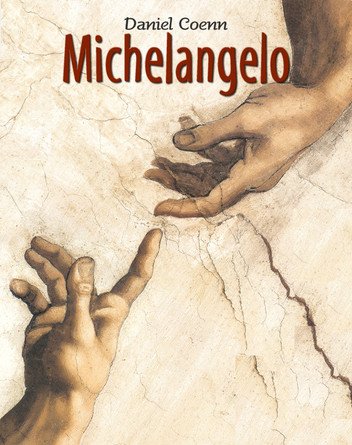
Working on scaffolding, he painted over 5,000 square feet of frescoes. The composition includes nine scenes from Genesis. Additionally, it features prophets, sibyls, and numerous other figures. The Creation of Adam remains the most recognized image.
His innovative approach revolutionized fresco painting techniques. He employed dramatic foreshortening and dynamic compositions. Moreover, his figures possess unprecedented muscular power and emotional intensity. The ceiling established new standards for monumental painting.
Renaissance Context and Michelangelo’s Influence
The Renaissance celebrated classical learning and humanist values. Artists sought to revive ancient Greek and Roman ideals. Furthermore, they emphasized individual genius and creative innovation. This cultural movement provided the perfect environment for exceptional talents.
Florence and Rome competed as artistic centers. Wealthy patrons commissioned ambitious projects. Consequently, artists enjoyed unprecedented opportunities and resources. The period witnessed extraordinary achievements across all artistic disciplines.
Michelangelo embodied Renaissance ideals while transcending them. His work synthesized classical beauty with Christian spirituality. Additionally, he infused traditional subjects with psychological complexity. Thus, he influenced countless artists across subsequent centuries.
Architectural Contributions and Later Works
Architecture increasingly occupied the master’s attention in later years. He designed the Laurentian Library in Florence. The innovative staircase demonstrates his sculptural approach to architectural space. Moreover, it anticipates Baroque dynamism and complexity.
His greatest architectural achievement was St. Peter’s Basilica. Pope Paul III appointed him chief architect in 1546. He designed the massive dome that dominates Rome’s skyline. Furthermore, this structure influenced church architecture worldwide.
The Capitoline Hill redesign showcased his urban planning genius. He created harmonious public spaces through careful geometric relationships. Additionally, his architectural vocabulary balanced classical elements with personal innovation. These projects demonstrated his versatility across artistic disciplines.
The Pietà and Spiritual Depth in Michelangelo’s Art
Religious devotion permeated the artist’s life and work. His sculptures and paintings express profound spiritual contemplation. Moreover, they reveal his personal struggles with faith and mortality. The Pietà series spans his entire career.
The Vatican Pietà displays youthful technical mastery. The later Florentine Pietà shows increased emotional rawness. Furthermore, the unfinished Rondanini Pietà reveals his final artistic vision. Each version explores grief, redemption, and divine love differently.
His religious works transcend mere illustration of biblical narratives. They invite viewers into deep meditation on human suffering. Additionally, they offer glimpses of transcendent beauty and grace. This spiritual dimension distinguishes his art from contemporaries.
Legacy and Lasting Impact on Western Art
Michelangelo’s influence extends across five centuries of artistic production. Subsequent generations studied his works as supreme models. Moreover, his emphasis on human form shaped academic art training. The Sistine Chapel remains a pilgrimage site for artists worldwide.
His concept of the artist as creative genius transformed the profession. Previously, artists were considered skilled craftsmen. However, he established the artist as intellectual and visionary. Consequently, this elevated art’s cultural status permanently.
Modern artists continue engaging with his innovations. His dynamic compositions inspire contemporary creators. Furthermore, his technical achievements remain benchmarks of excellence. The emotional power of his works transcends historical periods.
What Readers Will Learn from Daniel Coenn’s Guide
This e-book provides comprehensive coverage of the master’s life and achievements. Readers will understand his major works in historical context. Additionally, they’ll discover lesser-known aspects of his career. The guide explains his techniques and artistic philosophy clearly.
Key learning outcomes include:
- Understanding Renaissance cultural and artistic movements
- Analyzing major sculptures including David and multiple Pietà versions
- Exploring the Sistine Chapel ceiling’s composition and meaning
- Discovering architectural contributions to Florence and Rome
- Recognizing lasting influence on Western artistic traditions
- Appreciating the connection between technique and emotional expression
The book balances biographical narrative with artistic analysis. Moreover, it avoids excessive jargon while maintaining scholarly accuracy. Thus, readers gain genuine expertise without requiring prior art history knowledge.
Why Daniel Coenn’s Guide Offers Unique Value
Coenn’s approach makes complex material accessible and engaging. His concise format respects readers’ time while delivering substantial content. Furthermore, the guide focuses on essential information rather than overwhelming detail. This makes it perfect for busy readers seeking quality education.
The author synthesizes decades of scholarship into clear explanations. He highlights connections between different works and periods. Additionally, he contextualizes artistic achievements within broader cultural movements. Consequently, readers develop holistic understanding rather than fragmented knowledge.
The e-book format offers practical advantages for modern learners. Readers can access information anywhere on multiple devices. Moreover, the concise structure facilitates quick reference and review. This guide serves both initial learning and ongoing reference needs.
Conclusion: Embracing the Renaissance Master’s Genius
Michelangelo transformed Western art through unparalleled vision and skill. His sculptures, paintings, and architecture continue inspiring millions worldwide. Moreover, his life story demonstrates dedication, struggle, and ultimate triumph. Understanding his achievements enriches our appreciation of human creative potential.
Daniel Coenn’s guide provides an ideal entry point into this master’s world. The book balances accessibility with intellectual substance. Furthermore, it equips readers with knowledge to appreciate Renaissance art more deeply. Whether you’re an art enthusiast or curious beginner, this resource offers valuable insights.
The Renaissance master’s legacy reminds us of art’s transformative power. His works elevate human experience through beauty and meaning. Additionally, they demonstrate how individual genius can shape cultural history. Exploring his achievements through this comprehensive guide opens doors to richer aesthetic understanding.
Investing time in this e-book yields lasting rewards. You’ll gain knowledge applicable to museum visits and cultural conversations. Moreover, you’ll develop deeper appreciation for artistic excellence across all periods. Michelangelo’s genius awaits your discovery through Daniel Coenn’s expertly crafted guide.






Reviews
There are no reviews yet.