

Description
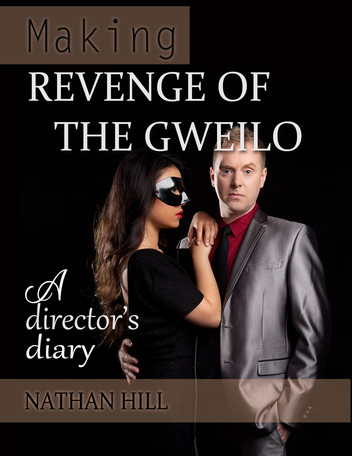
Making Revenge of the Gweilo: A Director’s Diary – An Intimate Look at Independent Filmmaking
Introduction: A Filmmaker’s Raw and Honest Journey
Nathan Hill’s director’s diary offers a rare glimpse into independent filmmaking. This compelling e-book chronicles the making of “Revenge of the Gweilo.” Moreover, it reveals the challenges every filmmaker faces in micro-budget productions. Hill shares his personal experiences with brutal honesty and insight.
The book takes readers behind the scenes of low-budget cinema. Furthermore, it exposes the reality of making movies without studio backing. Hill’s director’s diary becomes an essential guide for aspiring filmmakers. Additionally, it serves as a fascinating read for film enthusiasts everywhere.
What Makes This Director’s Diary Unique
Hill documents every stage of his filmmaking journey with transparency. He writes during the pre-production and production phases of his feature film. Therefore, readers experience the process in real-time through his eyes. The authenticity of this director’s diary sets it apart from typical filmmaking books.
Unlike polished Hollywood memoirs, Hill’s account feels raw and genuine. He doesn’t hide mistakes or gloss over difficult moments. Instead, he embraces the chaos of independent film production. Consequently, readers gain practical knowledge they can actually use.
Inside the Filmmaker’s Mind: Pre-Production Challenges
The pre-production section reveals how filmmakers plan micro-budget projects. Hill discusses script development, location scouting, and casting decisions. Moreover, he explains how to creatively maximize limited resources. Every filmmaker struggles with budget constraints, and Hill addresses this honestly.
He shares specific strategies for working with minimal funding. These include negotiating with vendors and finding free locations. Additionally, Hill explains how to build a dedicated crew. His practical advice helps aspiring filmmakers navigate similar challenges successfully.
Production Realities: On Set with a Micro-Budget Film
Hill’s production diary entries capture the intensity of shooting days. He describes the pressure of tight schedules and limited takes. Furthermore, he reveals how problems arise unexpectedly on set. The filmmaker’s candid observations make readers feel as if they are present during filming.
Technical challenges become learning opportunities in Hill’s narrative. He explains how to solve problems creatively rather than with money. Therefore, readers discover innovative solutions to common filmmaking obstacles. His hands-on approach completely demystifies the production process.
Behind-the-Scenes Photos and Visual Documentation
The e-book includes numerous behind-the-scenes photographs from the production. These images illustrate the points Hill makes in his diary entries. Moreover, they visually demonstrate the reality of micro-budget filmmaking. Readers can see the actual locations, equipment, and crew at work.
Visual documentation significantly enhances the director’s diary. Photos reveal the scale and scope of independent productions. Additionally, they demonstrate how filmmakers create professional results with limited resources. The combination of text and images creates a comprehensive learning experience.
Tricks of the Trade: Practical Filmmaking Techniques
Hill generously shares professional tricks he’s learned throughout his career. These techniques help filmmakers achieve better results with less money. Furthermore, he explains shortcuts in the industry that save time and resources. His practical wisdom comes from real experience, not theory.
Essential Micro-Budget Filmmaking Techniques Include:
- Creative lighting solutions using household items and natural light
- Sound recording tips for capturing clean audio without expensive equipment
- Camera movement tricks that create professional looks on tight budgets.
- Editing strategies that maximize limited footage and fix production mistakes
- Crew management techniques for keeping teams motivated without big paychecks
The Honest Truth About Independent Film Production
Hill doesn’t romanticize the independent filmmaking process. Instead, he presents the exhausting reality of micro-budget productions. However, his passion for cinema shines through every challenge. The director’s diary balances realism with genuine enthusiasm for the craft.
Many filmmaking books promise easy success and overnight breakthroughs. Hill’s approach differs completely from these unrealistic portrayals. Therefore, readers appreciate his grounded perspective on the industry. His honesty prepares aspiring filmmakers for the actual work ahead.
Learning from Mistakes: A Filmmaker’s Growth Journey
Hill openly discusses mistakes made during production. He analyzes what went wrong and how to avoid similar problems. Moreover, he emphasizes that errors are inevitable in filmmaking. This vulnerability makes his director’s diary incredibly valuable for learners.
Every filmmaker makes mistakes, but few document them as thoroughly as this filmmaker does. Hill’s willingness to share failures creates powerful teaching moments. Additionally, he shows how to recover from setbacks gracefully. His growth mindset inspires readers to embrace their own learning curves.
Budget Constraints as Creative Opportunities
The book reframes limited budgets as creative challenges rather than obstacles. Hill demonstrates how constraints force innovative thinking and problem-solving. Furthermore, he argues that restrictions often improve final results. Many successful filmmakers started with micro-budget projects and similar limitations.
He provides concrete examples of turning disadvantages into strengths. These case studies show how creativity trumps money in filmmaking. Therefore, readers learn to view their own limitations differently. The director’s diary proves that great films don’t require massive budgets.
Building a Team: Collaboration on Micro-Budget Films
Hill emphasizes the importance of assembling the right crew members. He discusses how to find passionate people willing to work for little pay. Moreover, he explains how to maintain team morale throughout production. Successful filmmakers understand that collaboration makes or breaks independent films.
The book offers advice on managing personalities and resolving conflicts. Hill shares strategies for keeping everyone focused on the shared vision. Additionally, he discusses the balance between leadership and collaboration. His insights help readers become better directors and team leaders.
Time Management and Scheduling for Independent Productions
Efficient scheduling becomes crucial when working with limited shooting days. Hill explains how to maximize every minute of production time. Furthermore, he discusses contingency planning for inevitable delays and problems. Smart filmmakers prepare for worst-case scenarios while hoping for the best.
The director’s diary includes specific scheduling techniques and templates. These tools help readers plan their own productions more effectively. Therefore, aspiring filmmakers can avoid common timing mistakes. Hill’s practical approach to time management saves money and stress.
Equipment Choices for Micro-Budget Filmmaking
Hill discusses camera and equipment decisions for low-budget productions. He explains which gear matters most and where to save money. Moreover, he addresses the temptation to overspend on unnecessary equipment. Wise filmmakers invest strategically in tools that truly improve their films.
The book compares different equipment options at various price points. Hill shares his personal choices and explains his reasoning clearly. Additionally, he discusses rental versus purchase decisions for specific items. His guidance helps readers make informed equipment investments.
Post-Production Insights from a Working Director
The director’s diary extends beyond principal photography into post-production. Hill describes the editing process and the challenges of shaping footage. Furthermore, he discusses sound design, color correction, and final delivery. Many filmmakers underestimate the importance and complexity of post-production.
He reveals how much work goes on after the cameras stop rolling. The editing phase often determines whether a film succeeds or fails. Therefore, Hill emphasizes the need for patience during post-production. His detailed account prepares readers for this crucial stage of filmmaking.
Distribution and Marketing for Independent Films
Hill addresses the often-overlooked business side of independent filmmaking. He discusses distribution options available to micro-budget filmmakers today. Moreover, he explains marketing strategies that don’t require large budgets. Successful filmmakers must understand both art and business aspects.
The book provides realistic expectations about independent film distribution. Hill doesn’t promise easy paths to fame or fortune. Instead, he offers practical advice for getting films seen by audiences. His business insights complement the creative and technical information perfectly.
Why Filmmakers Need This Director’s Diary
This e-book fills a significant gap in filmmaking literature today. Most books either focus on theory or big-budget Hollywood productions. However, Hill’s director’s diary addresses the reality most filmmakers actually face. His practical, honest approach makes this an invaluable resource.
Aspiring filmmakers will find actionable advice on every page. The book doesn’t just inspire; it also educates and thoroughly prepares readers. Therefore, it serves as both a motivation and a practical manual. Hill’s experience translates directly to readers’ own filmmaking journeys.
The Value of Raw, Unfiltered Filmmaking Documentation
Hill’s decision to write during production creates unique authenticity. His entries capture emotions and thoughts in the moment. Furthermore, this approach prevents the revisionist history common in memoirs. The director’s diary feels immediate and genuine throughout.
Readers benefit significantly from this real-time documentation. They experience the filmmaker’s actual decision-making process. Additionally, they see how plans change and adapt during production. This transparency makes the book exceptionally educational and engaging.
Lessons That Apply Beyond Micro-Budget Productions
While focused on low-budget filmmaking, Hill’s lessons apply universally. The principles of creative problem-solving work at any budget level. Moreover, his emphasis on collaboration and planning benefits all filmmakers. Even Hollywood directors face similar challenges, just at different scales.
The director’s diary teaches fundamental filmmaking skills and mindsets. These foundations remain relevant regardless of production size or budget. Therefore, readers gain knowledge that grows with their careers. Hill’s insights will serve filmmakers throughout their entire journeys.
Who Should Read This Director’s Diary
This Book Is Perfect For:
- Aspiring filmmakers planning their first independent productions
- Film students seeking real-world perspectives beyond classroom theory
- Independent producers looking for budget-saving strategies and techniques
- Cinema enthusiasts are curious about the actual filmmaking process.
- Creative professionals interested in project management and problem-solving
The book appeals to anyone passionate about independent cinema. Hill’s accessible writing style welcomes readers without technical backgrounds. However, experienced filmmakers will also find valuable insights and reminders. The director’s diary offers something for everyone interested in filmmaking.
The Importance of Documentation in Filmmaking
Hill demonstrates why filmmakers should document their own processes. Keeping a director’s diary helps track decisions and learn from experiences. Moreover, it creates valuable reference material for future projects. Many successful filmmakers maintain journals throughout their careers.
The practice of writing forces reflection and deeper understanding. Hill’s diary shows how documentation improves decision-making and self-awareness. Therefore, readers might start their own filmmaking journals. This habit can significantly accelerate learning and professional growth.
Conclusion: A Must-Read for Independent Filmmakers
“Making Revenge of the Gweilo: A Director’s Diary” stands as essential reading for independent filmmakers. Nathan Hill’s honest, detailed account demystifies the micro-budget production process completely. Furthermore, his practical advice and behind-the-scenes insights provide tremendous value. The filmmaker’s willingness to share both successes and failures creates powerful learning opportunities.
This director’s diary proves that passion and creativity matter more than money. Hill shows how dedicated filmmakers can create professional work with limited resources. Moreover, he inspires readers to pursue their own filmmaking dreams fearlessly. The book balances realism with encouragement perfectly.
Whether you’re planning your first short film or tenth feature, Hill’s insights will prove invaluable. His tricks of the trade save time, money, and frustration. Additionally, his honest perspective prepares you for the challenges ahead. Every aspiring filmmaker should read this director’s diary before starting production.
The e-book represents more than just one filmmaker’s experience. It captures the spirit of independent cinema and the determination required. Therefore, it serves as both a practical guide and an inspirational manifesto. Hill’s contribution to filmmaking literature will help countless future filmmakers succeed.
Pick up “Making Revenge of the Gweilo: A Director’s Diary” today. Learn from Hill’s experiences and apply his lessons to your projects. Moreover, join the community of independent filmmakers creating art against all odds. Your filmmaking journey deserves the honest guidance this book provides.





Reviews
There are no reviews yet