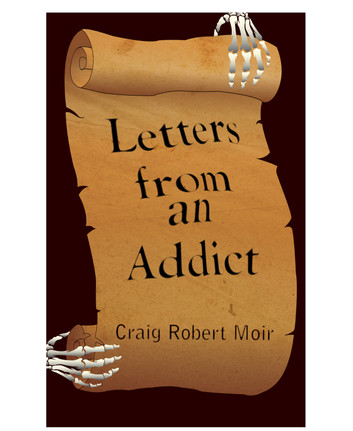
Letters from an Addict by Craig Robert Moir

Price range: $1.99 through $22.49

Craig Robert Moir shares a raw, honest account of struggle and survival in Letters from an Addict. These personal messages document his descent into substance abuse and his difficult path toward recovery.

Additional information

Publisher

Craig Robert Moir

Release Date

May 2, 2017

Language

English

ISBN

1230001664171

Download options

Epub

Format

Digital Book, Paper Book

SKU: 1230001664171 Categories: , , Product ID: 26309

Description

Letters from an Addict: A 20-Year Poetic Journey Through Addiction and Recovery by Craig Robert Moir

Introduction: Letters from an Addict – A Raw Testament to Survival

Craig Robert Moir’s “Letters from an Addict” offers an unflinching look at substance abuse and recovery. This powerful collection spans nearly two decades of personal struggle with cocaine and alcohol addiction. Moreover, these letters written in poetic form document one man’s descent into darkness and eventual redemption. The book provides hope for anyone battling addiction or supporting loved ones through similar struggles.

“Letters from an Addict” contains poems and lyrics dating from 1998 through 2017, capturing twenty years. Each piece serves as a snapshot of Moir’s emotional and psychological state during different addiction phases. Furthermore, the collection reveals how substance abuse progressively consumed his life, relationships, and sense of self. These raw, honest letters expose the brutal reality of addiction without romanticizing or minimizing its impact.

Moir’s decision to share these deeply personal letters demonstrates remarkable courage and vulnerability throughout. He holds nothing back, revealing his darkest moments, failures, and desperate attempts at control. Additionally, he documents the transformative power of recovery and how it fundamentally changed his life. This collection serves both as personal catharsis and a lifeline for others facing similar battles.

The letters progress chronologically, allowing readers to witness the full arc of addiction and recovery. Early pieces capture the initial allure and excitement before addiction’s grip tightened completely. However, later entries reveal the devastating consequences, loss, and desperation that followed inevitably. The final letters celebrate recovery, growth, and the hard-won wisdom gained through survival.

The Power of Poetry: Why Letters from an Addict Uses Verse

Poetry provides a unique medium for expressing the complex emotions surrounding addiction and recovery. Moir chose verse to capture feelings that prose often fails to adequately convey or express. Moreover, the lyrical format allows for raw emotional honesty without lengthy explanations or justifications. Each poem distills intense experiences into concentrated, powerful moments that resonate deeply with readers.

The letters in this collection function as both personal journal entries and artistic expression. Moir wrote many pieces during active addiction, capturing his mental state in real-time authentically. Furthermore, poetry allowed him to process trauma, shame, and pain in manageable, creative doses. This artistic outlet became crucial for his emotional survival during the darkest periods.

Many readers find poetry more accessible than clinical descriptions of addiction’s psychological mechanisms. The emotional truth in Moir’s verses connects with people on a visceral, human level. Additionally, the brevity of poems makes difficult subject matter less overwhelming for those struggling. Each letter offers a complete thought or feeling without requiring extensive time or emotional investment.

The lyrical quality of these letters also reflects the rhythm of addiction itself. Some pieces feel chaotic and fragmented, mirroring the disorientation of active substance abuse clearly. However, recovery-focused letters demonstrate increasing clarity, structure, and hope as healing progresses naturally. This stylistic evolution reinforces the content’s message about transformation and growth over time.

Craig Robert Moir’s Journey: From Cocaine Addiction to Recovery

Moir’s battle with cocaine began in the late 1990s, gradually escalating over subsequent years. The early letters capture experimentation that seemed controllable and even enjoyable at first. Moreover, they reveal the subtle shift when recreational use transformed into compulsive need. This progression demonstrates how addiction develops slowly, often unnoticed until it’s firmly established.

Alcohol abuse compounded Moir’s cocaine addiction, creating a dangerous dual dependency over time. The letters document how these substances interacted, each amplifying the other’s destructive effects. Furthermore, Moir describes the physical, emotional, and social deterioration that accompanied his escalating use. Relationships crumbled, opportunities vanished, and self-respect eroded as addiction consumed everything meaningful.

The collection doesn’t shy away from depicting addiction’s ugliest moments with brutal honesty. Moir shares experiences of withdrawal, desperation, failed attempts at control, and profound shame. Additionally, he reveals the lies addicts tell themselves and others to maintain their habits. These unflinching admissions make the letters particularly valuable for understanding addiction’s psychological grip.

Moir’s path to recovery wasn’t linear or simple, as the letters honestly reveal. He experienced setbacks, relapses, and moments of doubt about whether recovery was even possible. However, the later letters celebrate breakthroughs, small victories, and the gradual rebuilding of his life. His journey demonstrates that recovery is possible even after years of active addiction.

The transformation documented in these letters extends beyond mere sobriety to complete life reconstruction. Moir describes developing new coping mechanisms, rebuilding relationships, and rediscovering his authentic self. Therefore, the collection offers hope that recovery brings not just abstinence but genuine healing. His story proves that people can reclaim their lives regardless of how far addiction took them.

Understanding Addiction Through Personal Letters and Honest Testimony

“Letters from an Addict” provides invaluable insight into the addict’s mindset and internal experience. Moir’s verses reveal the cognitive distortions, rationalizations, and denial that characterize active addiction clearly. Moreover, readers gain understanding of why addicts behave in ways that seem incomprehensible to others. This perspective fosters compassion rather than judgment for those struggling with substance abuse.

The letters expose addiction’s progressive nature, showing how it gradually dominates every life aspect. Early pieces might mention substance use casually, almost as an afterthought or minor detail. Furthermore, middle-period letters reveal substances becoming central to Moir’s identity, relationships, and daily functioning. This progression illustrates how addiction slowly replaces everything else until nothing remains untouched.

Moir’s honesty about the physical effects of cocaine and alcohol abuse educates readers effectively. He describes withdrawal symptoms, health consequences, and the body’s deterioration under sustained substance abuse. Additionally, he addresses the mental health impacts including depression, anxiety, and paranoia that accompanied use. These descriptions provide realistic understanding without sensationalizing or glorifying drug experiences at all.

The collection also explores addiction’s impact on relationships, employment, and social connections over time. Moir documents losing friends, disappointing family members, and burning professional bridges through his behavior. However, he takes full responsibility rather than blaming others or circumstances for his choices. This accountability makes his eventual recovery more credible and his insights more trustworthy.

Understanding addiction through these personal letters humanizes people struggling with substance abuse profoundly. Moir emerges as a complete person—flawed, suffering, but ultimately worthy of compassion and support. Therefore, readers may reconsider their attitudes toward addiction and those affected by it. The letters challenge stigma by revealing the human being behind the disease’s symptoms.

The Role of Recovery: How Letters from an Addict Celebrates Transformation

Recovery emerges as the collection’s central theme, offering hope alongside the darkness of addiction. Moir’s later letters celebrate sobriety milestones, personal growth, and the joy of reclaiming his life. Moreover, they demonstrate that recovery involves more than stopping substance use—it requires complete transformation. The letters document this holistic healing process with inspiring detail and authentic emotion.

Moir describes the practical steps he took toward recovery, including treatment, support groups, and therapy. He emphasizes that recovery required asking for help and accepting support from others willingly. Furthermore, he discusses the importance of honesty, accountability, and commitment to the recovery process. These insights provide practical guidance for readers considering their own recovery journey or supporting others.

The letters reveal that recovery brought unexpected gifts beyond simply ending addiction’s suffering. Moir discovered creativity, authentic relationships, self-respect, and purpose through his healing journey completely. Additionally, he found that sobriety allowed him to experience genuine emotions rather than numbing everything. Recovery opened doors to experiences and connections that active addiction had made impossible.

Moir addresses the ongoing nature of recovery, acknowledging it’s a lifelong commitment rather than destination. His letters discuss maintaining sobriety, managing triggers, and continuing personal growth work consistently over time. However, he frames this ongoing effort as empowering rather than burdensome or restrictive. Recovery becomes a chosen lifestyle that brings freedom rather than a punishment or deprivation.

The transformation documented in these letters extends to Moir’s relationship with himself and others. He describes developing self-compassion, forgiveness, and acceptance that addiction had destroyed completely before recovery. Therefore, the letters model how recovery heals not just addiction but underlying wounds. His journey demonstrates that people can emerge from addiction stronger and more whole than before.

Key Themes in Letters from an Addict: Lessons from Two Decades

Central Messages and Insights Throughout the Collection:

  • Progressive nature of addiction – How substance abuse gradually consumes every life aspect over time
  • Denial and rationalization – The mental gymnastics addicts perform to justify continued use
  • Physical and emotional consequences – Real impacts on health, relationships, and mental wellbeing
  • Rock bottom moments – Critical turning points that catalyzed Moir’s decision to seek recovery
  • Hope and possibility – Evidence that recovery is achievable regardless of addiction’s severity
  • Transformation through healing – How recovery brings growth beyond mere sobriety or abstinence
  • Importance of support – The crucial role of community, treatment, and connection in recovery
  • Ongoing commitment – Understanding recovery as a continuous practice rather than one-time achievement
  • Self-forgiveness – Learning to release shame and embrace compassion for yourself and journey
  • Authentic living – Discovering genuine identity and purpose beyond addiction’s false promises

The letters explore shame as both a driver of addiction and barrier to recovery. Moir describes how shame fueled his substance use while simultaneously preventing him from seeking help. Moreover, he discusses how recovery required confronting and releasing this toxic shame through honest self-examination. This theme resonates powerfully with readers carrying similar burdens of guilt and self-judgment.

Isolation emerges as another critical theme throughout the collection’s twenty-year span consistently. Moir documents how addiction progressively separated him from loved ones, community, and himself entirely. Furthermore, he reveals how recovery involved rebuilding connections and learning to accept support from others. The letters demonstrate that healing happens in relationship, not isolation or complete independence.

The collection also addresses the relationship between creativity and both addiction and recovery. Some letters suggest Moir initially believed substances enhanced his artistic expression and creative output. However, later pieces reveal that sobriety actually unlocked deeper, more authentic creativity than drugs ever provided. This evolution challenges romantic notions about the connection between substance use and artistic genius.

Who Should Read Letters from an Addict: Audience and Impact

Anyone struggling with addiction will find validation, hope, and practical insight in these letters. Moir’s honesty helps readers feel less alone in their struggles and more hopeful about recovery. Moreover, the collection demonstrates that others have walked this difficult path and emerged successfully. His story provides evidence that change is possible even after years of active addiction.

Family members and friends of addicts gain valuable perspective from reading these personal letters. The collection helps them understand what their loved ones might be experiencing internally and emotionally. Furthermore, it offers insight into why addicts behave in seemingly irrational or hurtful ways. This understanding can foster compassion while maintaining appropriate boundaries and expectations for behavior.

Healthcare professionals, counselors, and addiction specialists benefit from Moir’s firsthand account of addiction’s reality. The letters provide authentic insight that complements clinical training and theoretical knowledge about substance abuse. Additionally, they remind professionals of the human being behind the diagnosis and treatment plan. This perspective can enhance empathy and improve therapeutic relationships with clients significantly.

People in recovery will recognize their own experiences reflected in Moir’s honest, vulnerable letters. The collection validates their struggles while celebrating the possibility of sustained sobriety and growth. Moreover, it provides language for experiences that many find difficult to articulate or express. Readers may share specific letters with sponsors, therapists, or support groups to facilitate deeper discussions.

Even readers without personal addiction experience gain valuable understanding from this powerful collection. The letters educate about addiction’s reality while challenging stigma and misconceptions about substance abuse. Therefore, the book contributes to broader cultural conversations about addiction, recovery, and mental health. Moir’s willingness to share his story helps create a more compassionate, informed society.

The Healing Power of Honest Expression in Recovery Literature

Writing these letters served as crucial therapy for Moir throughout his addiction and recovery. The act of putting experiences into words helped him process trauma, shame, and complex emotions. Moreover, creative expression provided a healthy outlet for feelings that might otherwise have triggered relapse. The letters demonstrate how art can facilitate healing when integrated into recovery practices.

Moir’s decision to publish these deeply personal letters extends their healing power to readers. By sharing his story, he transforms private pain into public service and meaningful contribution. Furthermore, his vulnerability gives others permission to acknowledge their own struggles without shame or hiding. This ripple effect multiplies the letters’ impact far beyond Moir’s personal recovery journey.

The collection models radical honesty as essential for recovery and ongoing emotional health. Moir doesn’t present a sanitized version of his experience or pretend struggles didn’t exist. Additionally, he acknowledges ongoing challenges rather than claiming recovery solved everything permanently and completely. This authenticity makes his message more credible and his success more achievable for readers.

Recovery literature like “Letters from an Addict” fills a crucial gap in addiction resources. Clinical texts provide valuable information but often lack the emotional resonance of personal testimony. However, Moir’s letters combine educational value with deep emotional truth that touches readers’ hearts. This combination makes the collection uniquely powerful as both resource and inspiration for healing.

The letters also demonstrate that recovery stories don’t follow a single, predictable narrative arc. Moir’s journey includes setbacks, complications, and ongoing challenges alongside victories and growth moments. Therefore, readers with non-linear recovery experiences feel validated rather than inadequate or abnormal. The collection honors the messy, complicated reality of healing from addiction honestly and completely.

Practical Insights: What Readers Learn from Letters from an Addict

The collection provides concrete examples of addiction’s warning signs and progressive escalation over time. Readers learn to recognize patterns in themselves or loved ones before addiction becomes severe. Moreover, Moir’s early letters show how easily recreational use can transform into dependency. This awareness can prompt earlier intervention and potentially prevent full-blown addiction from developing.

Moir shares specific strategies that supported his recovery, offering practical guidance for readers. He discusses the importance of treatment programs, support groups, therapy, and accountability in maintaining sobriety. Furthermore, he emphasizes that recovery requires multiple supports rather than relying on willpower alone. These insights help readers develop comprehensive recovery plans rather than attempting to quit independently.

The letters reveal common triggers, rationalizations, and high-risk situations that threaten sobriety consistently. Moir describes how he learned to identify and manage these challenges through recovery work. Additionally, he discusses developing healthy coping mechanisms to replace substance use when stressed or triggered. This practical wisdom helps readers anticipate and navigate their own recovery challenges more effectively.

Readers learn about the importance of addressing underlying issues that fuel addiction beyond substances. Moir explores trauma, mental health conditions, and emotional pain that drove his substance abuse. However, he demonstrates that recovery requires treating these root causes, not just stopping drug use. This holistic approach increases the likelihood of sustained recovery rather than relapse cycles.

The collection also teaches that recovery brings unexpected challenges alongside its obvious benefits and rewards. Moir discusses learning to handle emotions without numbing, rebuilding trust, and developing new identities. Therefore, readers gain realistic expectations about recovery’s difficulties while maintaining hope about its possibilities. This balanced perspective prepares them for the journey ahead without discouragement or naive optimism.

The Literary Merit of Letters from an Addict Beyond Recovery Themes

Beyond its value as recovery literature, the collection demonstrates genuine poetic skill and artistry. Moir’s verses employ vivid imagery, metaphor, and emotional resonance that engage readers aesthetically. Moreover, the letters work as standalone poems while contributing to the larger narrative arc. This dual function showcases Moir’s talent as both writer and storyteller effectively.

The collection’s chronological structure creates a compelling narrative that builds tension and emotional investment. Readers become invested in Moir’s journey, hoping for his survival and eventual recovery success. Furthermore, the format allows readers to witness his evolution in real-time through his own words. This immediacy creates powerful connection between author and reader that traditional memoir might not achieve.

Moir’s writing style evolves noticeably throughout the collection, reflecting his changing mental and emotional states. Early pieces might feel chaotic or fragmented, mirroring addiction’s disorientation and confusion clearly. However, later letters demonstrate increasing clarity, structure, and purposefulness as recovery progresses naturally. This stylistic evolution reinforces the content’s themes without requiring explicit explanation or commentary.

The letters also demonstrate how personal writing can achieve universal resonance and broad appeal. While Moir’s specific experiences are unique, the emotions he expresses connect with readers universally. Additionally, his honesty about vulnerability, fear, and hope transcends the specific context of addiction. The collection succeeds as literature because it captures fundamental human experiences through particular details.

Critics and readers alike have praised “Letters from an Addict” for its unflinching honesty and emotional power. The collection has helped countless readers feel less alone in their struggles with addiction. Therefore, Moir’s decision to publish these private letters has created lasting impact and meaningful legacy. His courage in sharing his story continues inspiring others to seek help and believe in recovery.

How Letters from an Addict Contributes to Addiction Awareness

The collection challenges common misconceptions and stigma surrounding addiction through authentic personal testimony. Moir’s letters reveal addiction as a disease rather than moral failing or character weakness. Moreover, they demonstrate that addiction affects people from all backgrounds, not just stereotypical demographics. This humanizing portrayal helps combat prejudice that prevents people from seeking help or receiving compassion.

By documenting his twenty-year journey, Moir illustrates addiction’s chronic, relapsing nature accurately and honestly. The letters show that recovery isn’t always linear and may involve setbacks along the way. Furthermore, they emphasize that relapse doesn’t mean failure but rather indicates need for adjusted treatment. This realistic portrayal helps reduce shame that often prevents people from returning to recovery efforts.

The collection also highlights the importance of accessible, compassionate treatment for people struggling with addiction. Moir’s recovery depended on having access to support, resources, and professional help when needed. Additionally, his story demonstrates that recovery is possible when people receive appropriate support and treatment. This message advocates for better addiction services and reduced barriers to accessing care.

“Letters from an Addict” contributes to broader cultural conversations about mental health, trauma, and healing. The letters connect addiction to underlying emotional pain and unresolved trauma that requires attention. However, they also demonstrate that healing is possible through appropriate treatment and ongoing support. This holistic perspective encourages comprehensive approaches to addiction treatment rather than symptom management alone.

The collection’s publication helps normalize conversations about addiction, recovery, and mental health in society. Moir’s willingness to share his story publicly reduces stigma and encourages others to speak openly. Therefore, the letters contribute to creating a culture where people can seek help without shame. This cultural shift is essential for addressing addiction as the public health crisis it represents.

Conclusion: The Enduring Impact of Letters from an Addict

Craig Robert Moir’s “Letters from an Addict” stands as a powerful testament to human resilience and recovery. These honest, vulnerable letters document one man’s twenty-year battle with cocaine and alcohol addiction. Moreover, they celebrate the transformative power of recovery and the possibility of reclaiming your life. The collection offers hope, practical insight, and validation for anyone touched by addiction’s devastating effects.

The letters succeed because they combine raw emotional honesty with genuine literary merit and skill. Moir doesn’t sanitize his experience or present himself as heroic throughout his journey. Furthermore, he acknowledges ongoing challenges while celebrating victories and growth achieved through recovery work. This balanced, authentic approach makes his message credible and his success feel achievable for readers.

“Letters from an Addict” serves multiple purposes—personal catharsis, artistic expression, and public service simultaneously. The collection helps readers understand addiction’s reality while challenging stigma and misconceptions about substance abuse. Additionally, it provides practical guidance and emotional support for people navigating their own recovery journeys. Few books accomplish so much across such diverse purposes with equal effectiveness and impact.

The collection’s greatest strength lies in its unflinching honesty about both addiction and recovery’s realities. Moir presents the darkness without glorifying it and celebrates recovery without minimizing its challenges. Therefore, readers receive a realistic, balanced perspective that prepares them for their own journeys ahead. This honesty builds trust and makes the letters’ hopeful message more powerful and believable.

Ultimately, “Letters from an Addict” proves that recovery is possible regardless of addiction’s severity or duration. Moir’s transformation from active addiction to sustained sobriety demonstrates that people can change fundamentally. Moreover, his willingness to share this journey publicly creates ripples of hope and healing.

These letters will continue inspiring readers for years to come, offering light in addiction’s darkness. The collection reminds us that our stories—however painful—can become sources of healing for ourselves and others. Recovery begins with honesty, continues through courage, and flourishes when we share our truth openly.

Reviews

There are no reviews yet.

Be the first to review “Letters from an Addict by Craig Robert Moir”

Your email address will not be published. Required fields are marked *

E-mail
Password
Confirm Password