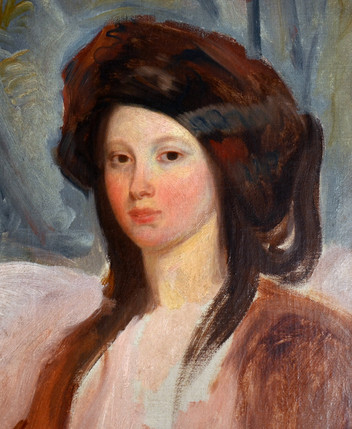
Description
Juliette Drouet’s Love-Letters to Victor Hugo
Introduction to Juliette Drouet and Her Passionate Correspondence
Juliette Drouet wrote thousands of love letters to Victor Hugo across five decades, and these intimate letters reveal one of history’s most passionate literary romances. Moreover, the correspondence documents their extraordinary relationship from 1833 until her death. Consequently, Juliette Drouet’s letters provide unparalleled insight into 19th-century love and devotion.
This collection presents selected letters that capture the intensity of their bond. Furthermore, the letters showcase Juliette’s eloquence, wit, and unwavering commitment to Hugo, and they reveal the daily realities of their unconventional relationship. Therefore, readers witness an authentic expression of romantic love from a remarkable historical figure.
Lady Theodora Davidson carefully transcribed and edited these precious historical documents. Moreover, her work preserves Juliette’s voice for modern audiences to appreciate, and the collection significantly illuminates both personal and literary history. Therefore, this volume serves as an essential resource for understanding their legendary love.
The letters span decades of political upheaval, artistic triumph, and personal devotion. Furthermore, they document Hugo’s exile, creative achievements, and private life in intimate detail, and they reveal Juliette as an intelligent, passionate woman who shaped Hugo’s world. Therefore, the correspondence transcends mere romantic interest to become a historical treasure.
Victor Hugo: France’s Literary Genius
Victor Hugo was 19th-century France’s most celebrated author and intellectual figure. His novels, poetry, and plays dominated French literature for generations. Moreover, works like “Les Misérables” and “The Hunchback of Notre-Dame” achieved immortality. Consequently, Hugo’s genius and influence extended far beyond his own lifetime.
He was also a prominent political figure who championed social justice and reform. Furthermore, Hugo’s opposition to Napoleon III forced him into lengthy exile. His political writings significantly influenced French republican movements. Therefore, Hugo embodied both artistic brilliance and moral courage throughout his life.
Hugo’s personal life was complex, passionate, and often unconventional by contemporary standards. Moreover, he maintained relationships with multiple women throughout his long life. His marriage to Adèle Foucher coexisted with his devotion to Juliette. Therefore, understanding Hugo requires acknowledging his complicated romantic arrangements and choices.
His literary output was prodigious, spanning poetry, novels, plays, and political writings. Furthermore, Hugo’s work reflected the Romantic movement’s emphasis on emotion and individualism. His writing addressed social issues like poverty, injustice, and human dignity. Therefore, Hugo’s legacy encompasses both artistic achievement and humanitarian advocacy.
How Juliette Drouet and Victor Hugo Met
Juliette Drouet first encountered Victor Hugo in 1833 during rehearsals for a play. She was performing in Hugo’s play “Lucrezia Borgia” in Paris. Moreover, Juliette was a beautiful actress with a growing reputation in French theater. Consequently, their meeting occurred in a creative environment that fostered immediate connection.
Hugo was already married with four children when they met initially. Furthermore, he was an established literary figure with considerable fame and influence. Juliette was a younger woman navigating the precarious world of theatrical performance. Therefore, their relationship began with significant social and personal complications.
The attraction between them was immediate, intense, and mutually overwhelming. Moreover, Hugo was captivated by Juliette’s beauty, intelligence, and passionate nature. Juliette fell deeply in love with the brilliant, charismatic author. Therefore, their romance began with powerful emotional and physical chemistry.
Within weeks of meeting, they became lovers and began their lifelong relationship. Furthermore, Juliette made a decision that would define her future. She chose to dedicate her life completely to Victor Hugo. Therefore, their meeting in 1833 marked the beginning of an extraordinary fifty-year devotion.
Juliette Drouet’s Background and Early Career
Juliette Drouet was born Julienne Joséphine Gauvain in 1806 in Fougères, France. She was orphaned young and raised by her uncle. She moved to Paris as a teenager to pursue an acting career. Juliette entered the competitive, often exploitative world of French theater.
She adopted the stage name “Juliette Drouet” and gained recognition for her beauty. She performed at prestigious theaters, including the Comédie-Française. She attracted wealthy patrons who supported her financially and socially. Juliette achieved modest success in Parisian theatrical circles before meeting Hugo.
Her early life included relationships with wealthy men who provided financial security. She had a daughter, Claire, from a previous relationship with a sculptor. She navigated the complex social world where actresses occupied an ambiguous moral position. Juliette’s background reflected the realities facing women in the 19th-century entertainment industry.
Despite her theatrical success, Juliette’s life was financially precarious and socially marginal. Actresses were often viewed as morally suspect by respectable society, and they depended on male patronage for survival and advancement. Juliette’s decision to abandon her career for Hugo was both romantic and risky.
The Sacrifice: Juliette’s Devotion to Victor Hugo
Juliette Drouet abandoned her acting career shortly after meeting Victor Hugo, and she withdrew from public life to become his devoted companion. Moreover, she accepted the role as mistress rather than wife, living in obscurity. Consequently, Juliette sacrificed independence, career, and social position for their relationship.
Hugo installed her in a modest apartment where she lived in relative isolation. Furthermore, he strictly controlled her finances, social contacts, and daily activities, and she accepted these restrictions as necessary conditions for their love. Therefore, Juliette’s devotion involved surrendering autonomy and accepting dependent status.
She spent decades living quietly, waiting for Hugo’s visits and writing letters. Moreover, Juliette occupied herself with copying Hugo’s manuscripts and managing correspondence, and she endured long periods of loneliness when Hugo was with his family. Therefore, her daily existence revolved entirely around serving and loving Hugo.
Despite these sacrifices, Juliette never publicly expressed regret about her choices. Furthermore, her letters consistently affirm that loving Hugo justified any hardship, and she found meaning and purpose in supporting his genius. Therefore, Juliette’s devotion represents both a romantic ideal and a troubling power imbalance.
The Nature and Scope of Juliette Drouet’s Letters
Juliette Drouet wrote approximately 22,000 letters to Victor Hugo over fifty years, and she wrote daily, sometimes multiple times per day, throughout their relationship. Moreover, the letters document every aspect of their life together and apart. Consequently, this correspondence constitutes one of history’s most extensive romantic archives.
The letters range from brief notes to lengthy, eloquent declarations of love. Furthermore, they include practical matters, emotional outpourings, and intellectual discussions, and they vividly reveal Juliette’s personality, intelligence, and literary skill. Therefore, the correspondence showcases her as a writer and thinker in her own right.
She wrote whether they were together or separated by distance or circumstance. Moreover, Juliette maintained this practice even when Hugo was in the same city, and the letters became an essential means of communication and emotional expression. Therefore, writing to Hugo was a central ritual of Juliette’s daily existence.
The letters survived because Hugo preserved them carefully throughout his life. Furthermore, he recognized their value as both personal treasures and historical documents, and after both their deaths, the letters became the subject of scholarly interest. Therefore, Juliette’s correspondence achieved literary and historical significance beyond its original intimate purpose.
Themes of Passion in the Love Letters
Juliette Drouet’s letters express passionate love with remarkable intensity and consistency. And she declares her devotion in language that is eloquent and deeply moving. Moreover, the passion never diminishes despite decades of relationship and advancing age. Consequently, the letters document enduring romantic love that defied time and circumstance.
Her expressions of physical desire are frank and unashamed for a Victorian-era woman. Furthermore, Juliette writes openly about longing for Hugo’s presence and touch. And she describes their intimate moments with poetic sensuality and joy. Therefore, the letters reveal the sexual dimension of their relationship alongside an emotional connection.
The passion in Juliette’s letters extends beyond physical desire to spiritual union. Moreover, she describes Hugo as her reason for existence and source of meaning. And she expresses belief that their souls are eternally connected and inseparable. Therefore, her passion encompasses both earthly and transcendent dimensions of love.
Even during periods of conflict or Hugo’s infidelities, Juliette’s passion remains constant. Furthermore, she repeatedly forgives and consistently reaffirms her unconditional love. And she maintains that nothing can diminish her devotion to him. Therefore, the letters demonstrate an absolute, unwavering, and all-consuming passion.
Devotion and Loyalty Across Five Decades
Juliette Drouet’s loyalty to Victor Hugo never wavered throughout their fifty-year relationship. And she remained faithful despite his numerous affairs with other women. Moreover, she endured his absences, neglect, and emotional distance with patient acceptance. Consequently, her devotion became the defining characteristic of her life and identity.
She accompanied Hugo into exile when he fled France for political reasons. Furthermore, Juliette followed him to Jersey, Guernsey, and other locations without complaint. And she maintained their household and supported him through difficult years. Therefore, her loyalty extended to sharing his political persecution and hardships.
Her letters consistently express gratitude for any attention or affection Hugo provided. Moreover, Juliette never demanded more than he was willing to give. And she accepted a secondary position in his life behind his wife and family. Therefore, her devotion involved repeatedly accepting painful limitations and disappointments.
This extraordinary loyalty has been interpreted in various ways by historians and biographers. Furthermore, some view it as noble self-sacrifice, while others see it as an unhealthy form of dependence. And modern readers may find the power dynamics troubling. Therefore, Juliette’s devotion raises complex questions about love, agency, and gender relations.
Social Scandal and Secrecy Surrounding Their Relationship
Victor Hugo’s relationship with Juliette Drouet was an open secret in Parisian society, and their affair was known but not publicly acknowledged or discussed openly. Moreover, Hugo maintained a respectable public image as a devoted family man. Consequently, the relationship existed in a shadowy space between private reality and public pretense.
Juliette lived in obscurity to protect Hugo’s reputation and family relationships. Furthermore, she rarely appeared in public with him or attended social functions, and she accepted invisibility as the necessary price of their continued relationship. Therefore, secrecy and discretion governed every aspect of their life together.
The social conventions of 19th-century France tolerated male infidelity more than female infidelity. Moreover, Hugo’s status as a literary genius provided additional protection from scandal, and his wife Adèle apparently accepted the arrangement, though her feelings remain unclear. Therefore, the relationship functioned within a hypocritical social system that privileged male freedom.
Despite the secrecy, rumors and gossip circulated about Hugo’s mistress and affairs. Furthermore, some contemporaries criticized his moral hypocrisy given his public advocacy for virtue, and the relationship occasionally threatened his reputation and political standing. Therefore, maintaining secrecy required constant vigilance and Juliette’s willing cooperation.
The Political Context of 19th-Century France
Juliette Drouet and Victor Hugo’s relationship unfolded during a tumultuous period of French politics. France experienced revolutions, regime changes, and social upheaval over the decades of their union. Moreover, Hugo was actively involved in political movements and controversies. Consequently, political events significantly impacted their personal lives and relationship.
The July Monarchy, Second Republic, and Second Empire all affected Hugo’s fortunes. Furthermore, his opposition to Napoleon III led to nineteen years of exile. Juliette accompanied him, sharing the hardships of political persecution. Therefore, their love story cannot be separated from France’s political history.
Hugo’s political writings and activism made him a controversial and sometimes dangerous figure. Moreover, his advocacy for democracy and social justice attracted both admirers and enemies. His political positions sometimes put him and Juliette at risk. Therefore, loving Hugo meant accepting political consequences and potential dangers.
The letters reflect political events and their impact on daily life. Furthermore, Juliette comments on political developments and their implications for Hugo, and she shares his political convictions and supports his causes loyally. Therefore, the correspondence provides a valuable historical perspective on 19th-century French politics.
Victor Hugo’s Exile and Juliette’s Companionship
Victor Hugo fled France in 1851 after Napoleon III’s coup d’état, and he refused to return while Napoleon III remained in power. Moreover, this principled stance resulted in nineteen years of exile from his homeland. Consequently, Hugo lived in Jersey, Guernsey, and Belgium during this extended period.
Juliette Drouet followed Hugo into exile without hesitation or complaint. Furthermore, she established households in each location, managed domestic arrangements, and provided emotional support during difficult years away from France. Therefore, Juliette’s companionship was essential to Hugo’s survival and continued productivity.
The exile years were a productive period for Hugo’s literary output and creativity. Moreover, he wrote some of his greatest works, including “Les Misérables,” during exile, and Juliette assisted him by copying manuscripts and managing his correspondence. Therefore, she contributed directly to his literary achievements during this period.
Life in exile was often lonely, uncomfortable, and financially challenging for both. Furthermore, they were separated from friends, family, and their familiar cultural environment, and sometimes faced hostility from local populations and political authorities. Therefore, their relationship provided mutual comfort and stability during uncertain times.
How Their Relationship Influenced Hugo’s Literary Work
Victor Hugo’s relationship with Juliette Drouet profoundly influenced his creative output, and she served as muse, inspiration, and emotional support throughout his career. Moreover, Hugo dedicated poems and works to her explicitly and implicitly. Consequently, Juliette’s presence significantly shaped some of French literature’s greatest masterpieces.
Many of Hugo’s love poems were written for or inspired by Juliette. Furthermore, his poetry collection “Les Contemplations” includes verses celebrating their love, and his romantic idealism in fiction reflects the passion of their relationship. Therefore, Juliette’s influence appears throughout Hugo’s literary corpus in various forms.
She provided practical support by copying manuscripts, proofreading, and managing correspondence. Moreover, Juliette offered feedback and encouragement during creative struggles and doubts, and she maintained a stable domestic environment that allowed Hugo to focus on writing. Therefore, her contributions were both inspirational and practical throughout his career.
Hugo acknowledged Juliette’s importance to his work in private letters and dedications. Furthermore, he credited her with sustaining him emotionally and spiritually during difficult periods, and he recognized that her love enabled his creative productivity and success. Therefore, Hugo himself affirmed Juliette’s essential role in his literary achievements.
Juliette Drouet as Muse and Inspiration
Juliette Drouet embodied the Romantic ideal of the beloved muse for Hugo. And her beauty, passion, and devotion inspired his most romantic literary creations. Moreover, she represented perfect love that transcended mundane reality and social conventions. Consequently, Juliette became the living embodiment of Romantic ideals in Hugo’s life and work.
Hugo idealized Juliette in ways that both honored and objectified her simultaneously. Furthermore, he celebrated her beauty, virtue, and devotion in poetry and prose. And he portrayed her as an angelic figure whose love redeemed and elevated him. Therefore, his representation of Juliette reflected Romantic conventions about women and love.
She accepted and encouraged this idealization, shaping herself to match his vision. Moreover, Juliette’s letters often echo Hugo’s romantic language and ideals back to him. And she presented herself as a devoted muse whose purpose was inspiring his genius. Therefore, she actively participated in constructing the romantic mythology surrounding their relationship.
The muse role gave Juliette significance and purpose within their unequal relationship. Furthermore, it provided a framework for understanding her sacrifices as noble and meaningful. And it elevated her from mere mistress to essential partner in creative enterprise. Therefore, the muse identity offered Juliette dignity and importance despite her subordinate position.
Daily Life and Domestic Details in the Letters
Juliette Drouet’s letters reveal intimate details of their daily life and routines. And she describes mundane activities like meals, walks, and household management. Moreover, the letters document weather, health concerns, and minor domestic incidents. Consequently, readers gain a vivid sense of 19th-century daily existence and rhythms.
She writes about managing limited finances and making domestic economies work. Furthermore, Juliette describes shopping, cooking, and maintaining their various residences. And she regularly reports on servants, repairs, and practical household matters. Therefore, the letters provide a valuable social history of middle-class domestic life.
The correspondence reveals how they structured their time together and apart. Moreover, Juliette describes Hugo’s visits, their conversations, and shared activities in detail. And she lovingly records their reading, walks, and quiet evenings together. Therefore, the letters illuminate the texture and quality of their companionship.
Small gestures of affection and care consistently appear throughout the correspondence. Furthermore, Juliette mentions gifts exchanged, flowers received, and thoughtful acts appreciated. And she describes preparing favorite meals and creating a comfortable domestic environment. Therefore, the letters show how love manifests in everyday actions and attentions.
Periods of Separation and Emotional Longing
Juliette Drouet and Victor Hugo experienced frequent separations throughout their relationship, which caused Juliette intense emotional suffering and longing. Moreover, her letters during separations express a desperate need for his presence. Consequently, the correspondence reveals the painful reality of their unconventional arrangement.
Hugo often spent time with his wife and family, leaving Juliette alone. Furthermore, his political activities and social obligations required him to be away from her, and he sometimes traveled without her for various personal and professional reasons. Therefore, Juliette endured regular periods of loneliness and abandonment over the course of decades.
Her letters during separations are filled with expressions of longing and sadness. Moreover, she counts the hours until his return, describes the emptiness without him, and writes multiple times daily to maintain a connection across distance. Therefore, the letters served as a lifeline during painful periods of separation.
Despite the suffering, Juliette never complained or demanded more of Hugo’s time. Furthermore, she accepted separations as necessary and inevitable aspects of their relationship, and she expressed gratitude for whatever time he could spare for her. Therefore, her letters reveal both deep pain and remarkable acceptance simultaneously.
Language, Poetry, and Eloquence in Juliette’s Letters
Juliette Drouet’s letters demonstrate remarkable literary skill and eloquence throughout. And she writes with a poetic sensibility that rivals that of professional writers of her era. Moreover, her language is consistently vivid, metaphorical, and emotionally powerful. Consequently, the letters have literary value independent of their historical significance.
She employs rich vocabulary, complex sentence structures, and sophisticated rhetorical devices. Furthermore, Juliette uses metaphors, allusions, and poetic imagery to express emotions. And she demonstrates deep familiarity with French literary traditions and conventions. Therefore, her letters reveal her as an educated, cultured woman despite limited formal schooling.
The eloquence of Juliette’s writing reflects both natural talent and Hugo’s influence. Moreover, she absorbed literary techniques from reading Hugo’s works and other literature. And she consciously crafted her letters as artistic expressions worthy of their recipient. Therefore, the correspondence represents serious literary effort, not merely a spontaneous outpouring.
Her writing style evolved and matured over the fifty years of correspondence. Furthermore, later letters show greater confidence and more sophisticated literary technique. And she developed a distinctive voice that balanced passion with artistry effectively. Therefore, Juliette’s letters document her growth as a writer alongside the evolution of their relationship.
Romantic Expression and Declarations of Love
Juliette Drouet’s letters contain some of history’s most passionate declarations of love. And she expresses her feelings with an intensity that remains moving centuries later. Moreover, her romantic language seamlessly combines physical desire with spiritual devotion. Consequently, the letters exemplify the Romantic era’s ideals about love and emotional expression.
She repeatedly declares that Hugo is her entire world and reason for existence. Furthermore, Juliette states that she cannot imagine life without him or his love. And she describes their union as destiny ordained by fate or divine will. Therefore, her romantic expression reflects the absolute, all-consuming nature of her devotion.
The letters include countless variations on themes of eternal love and devotion. Moreover, Juliette finds new ways to express unchanging feelings across thousands of letters. And she maintains freshness and sincerity despite the repetition of basic sentiments. Therefore, her romantic expression demonstrates both consistency and creative variation throughout the decades.
Her declarations of love often include religious language and spiritual imagery. Furthermore, Juliette frequently describes Hugo as her god, religion, and salvation. And she portrays their love as a sacred bond that transcends earthly existence. Therefore, her romantic expression elevates their relationship to quasi-religious significance.
Women’s Limited Agency in 19th-Century Society
Juliette Drouet’s life illustrates the limited options available to women in 19th-century France. Women depended on men for financial security and social position. Moreover, respectable women had few opportunities for independence or self-determination. Consequently, Juliette’s choices reflected broader constraints on female agency and autonomy.
Women of her era faced a stark choice between marriage and precarious independence. Furthermore, unmarried women without family support struggled to survive economically. Actresses occupied a particularly vulnerable position in the social and moral hierarchy. Therefore, Juliette’s dependence on Hugo reflected systemic limitations on women’s opportunities.
The legal system granted women few rights regarding property, children, or personal freedom. Moreover, married women were legally subordinate to their husbands in virtually all matters. Unmarried women like Juliette had even less legal protection or recognition. Therefore, women’s agency was severely constrained by law and custom throughout society.
Despite these limitations, some women found ways to exercise agency and influence. Furthermore, Juliette shaped her relationship with Hugo through her choices and actions. She wielded emotional power even within an unequal power dynamic. Therefore, her story reveals both constraints on women and strategies for navigating them.
Juliette Breaking Social Conventions
Juliette Drouet defied social conventions by choosing life as a mistress over respectable marriage. And she rejected societal expectations about women’s proper roles and behavior. Moreover, she lived openly (though discreetly) in a relationship that society deemed morally wrong. Consequently, Juliette’s choices represented rebellion against restrictive social norms for women.
Her decision to abandon her acting career for domestic obscurity was unconventional. Furthermore, most actresses sought financial security through marriage to wealthy men. And Juliette chose love and devotion over material comfort or social advancement. Therefore, her priorities challenged conventional values about women’s goals and ambitions.
She accepted social marginalization and invisibility as the price of freely loving Hugo. Moreover, Juliette willingly sacrificed respectability, social connections, and public recognition. And she created an alternative life centered on a private relationship rather than a public identity. Therefore, her choices represented a radical rejection of conventional female life paths.
Modern readers may view Juliette’s choices as both liberating and limiting simultaneously. Furthermore, she exercised agency by choosing her own path despite social disapproval. And yet she accepted a subordinate position that significantly constrained her freedom. Therefore, her story raises complex questions about women’s agency within patriarchal systems.
The Collection’s Preservation and Historical Journey
Victor Hugo carefully preserved Juliette Drouet’s letters throughout their fifty-year relationship, recognizing their value as both personal treasures and historical documents. Moreover, Hugo kept the letters organized and protected despite numerous moves and upheavals. Consequently, the correspondence survived intact for future generations to discover and study.
After Hugo died in 1885, the letters remained in family possession for a time. Furthermore, his heirs gradually recognized the letters’ historical and literary significance, and they eventually made portions of the correspondence available to scholars and biographers. Therefore, the letters began entering public consciousness in the late 19th and early 20th centuries.
The complete correspondence has never been published in its entirety due to its volume. Moreover, various editors have created selected editions focusing on different aspects or periods, and scholars continue to discover new insights from studying the vast archive. Therefore, the letters remain an active source of historical and literary research today.
The preservation of Juliette’s letters ensures her voice survives alongside Hugo’s fame. Furthermore, the correspondence allows her to speak directly to readers across the centuries and provides a rare opportunity to hear a woman’s perspective from 19th-century France. Therefore, the collection’s survival has immense historical and cultural value beyond romantic interest.
Lady Theodora Davidson’s Editorial Work
Lady Theodora Davidson undertook the challenging task of transcribing and editing Juliette’s letters. And she selected letters that best represented the relationship’s scope and character. Moreover, Davidson provided context and annotations to help readers understand the historical background. Consequently, her editorial work made the letters accessible to English-speaking audiences.
Davidson approached the letters with sympathy for Juliette and appreciation for their significance. Furthermore, she recognized the correspondence as important historical and literary documents. And she worked to preserve Juliette’s voice while making it comprehensible to modern readers. Therefore, her editorial choices shaped how audiences understand and interpret the relationship.
The selection process required difficult decisions about which letters to include and which to exclude. Moreover, Davidson balanced the desire for comprehensiveness with the practical limitations of publication. And she chose letters that illustrated key themes and periods in their relationship. Therefore, her edition represents a curated introduction to the vast correspondence.
Her editorial apparatus provides valuable historical context and biographical information throughout. Furthermore, Davidson explains references, events, and people mentioned in the letters. And she offers interpretive commentary that guides readers’ understanding of the correspondence. Therefore, her work effectively serves both scholarly and general audiences.
Literary Value and Historical Importance
Juliette Drouet’s letters possess significant literary value independent of their historical interest. And they demonstrate sophisticated writing skills and artistic sensibility throughout. Moreover, the correspondence showcases 19th-century epistolary art at its finest. Consequently, the letters deserve recognition as a literary achievement in their own right.
The historical importance of the correspondence extends beyond documenting one relationship. Furthermore, the letters provide a comprehensive account of 19th-century French society, culture, and politics. And they provide a rare woman’s perspective on major historical events and figures. Therefore, the collection serves as a valuable primary source for multiple fields of study.
The letters contribute significantly to understanding Victor Hugo’s life and creative process. Moreover, they reveal aspects of his personality and daily life unavailable elsewhere. And they document how his personal relationships influenced his literary work. Therefore, the correspondence is an essential resource for Hugo scholars and biographers.
Beyond Hugo studies, the letters illuminate women’s history and gender relations historically. Furthermore, they document one woman’s experience navigating limited options in a patriarchal society. And they reveal strategies women used to exercise agency within constraints. Therefore, the collection has value for feminist scholarship and women’s history.
Intimate Revelations About Their Relationship
Juliette Drouet’s letters reveal intimate details about their physical and emotional relationship. And she writes frankly about sexual desire and physical intimacy between them. Moreover, the letters document the evolution of their relationship across five decades. Consequently, readers gain unprecedented access to private dimensions of their famous love affair.
The correspondence honestly reveals Hugo’s character, including his flaws and contradictions. Furthermore, Juliette describes his moods, habits, and behavior in unguarded moments. And she records conflicts, reconciliations, and emotional dynamics between them. Therefore, the letters provide a balanced, complex portrait of Hugo as a human being.
Juliette’s letters also fully reveal her personality, intelligence, and emotional complexity. Moreover, she emerges as a three-dimensional person rather than merely Hugo’s devoted mistress. And her writing demonstrates wit, humor, and self-awareness alongside passionate devotion. Therefore, the correspondence allows Juliette to be known as an individual in her own right.
The intimate revelations include both painful and romantic aspects of their relationship. Furthermore, Juliette writes about Hugo’s infidelities and her suffering because of them. And she describes the loneliness, jealousy, and disappointment she experienced regularly. Therefore, the letters present an honest, complete picture of their complicated relationship.
The Couple’s Shared Intellectual Interests
Juliette Drouet and Victor Hugo shared a deep intellectual connection beyond physical attraction. They discussed literature, politics, philosophy, and art extensively in their correspondence. Moreover, Juliette was well-read and capable of engaging Hugo intellectually on a range of subjects. Consequently, their relationship included mental companionship alongside emotional and physical bonds.
She read Hugo’s works carefully and offered thoughtful commentary and feedback. Furthermore, Juliette understood his literary techniques and deeply appreciated his artistic achievements. She engaged with his ideas seriously, sometimes offering gentle criticism or suggestions. Therefore, she served as an intellectual companion and sounding board throughout his career.
The letters reveal Juliette’s active intellectual interests and cultural engagement. Moreover, she discusses the books she’s reading, the plays she’s seen, and the ideas she’s considering. She demonstrates a sophisticated understanding of French literature and cultural movements. Therefore, the correspondence shows her as an intellectually curious and culturally engaged woman.
Their shared intellectual life strengthened their emotional bond and mutual respect significantly. Furthermore, Hugo valued Juliette’s intelligence and sought her opinions on various matters. She took pride in understanding and contributing to his intellectual world. Therefore, their relationship transcended purely romantic or physical dimensions to include genuine partnership.
Juliette’s Influence on the Famous Author
Juliette Drouet influenced Victor Hugo’s life and work in numerous significant ways. She provided emotional stability and support that enabled his creative productivity. Moreover, her devotion gave Hugo confidence and a sense of unconditional love. Consequently, Juliette’s influence on Hugo’s achievements was substantial, though often unrecognized publicly.
She shaped his daily routines and created a domestic environment conducive to writing. Furthermore, Juliette managed practical matters so Hugo could focus on creative work. She protected his time and energy from unnecessary distractions and demands. Therefore, her practical support was an essential infrastructure for his literary output.
Her emotional support sustained Hugo through repeated personal tragedies and professional setbacks. Moreover, Juliette provided comfort when his daughter drowned and during other crises. She maintained faith in his genius even when he doubted himself. Therefore, her psychological support was crucial to his resilience and continued productivity.
Juliette’s influence extended to Hugo’s political and moral development over time. Furthermore, she reinforced his humanitarian values and social conscience through her own example. She encouraged his better impulses while patiently tolerating his weaknesses. Therefore, her influence helped shape Hugo as both an artist and a human being.
The Romanticism Movement and Its Love Story
Juliette Drouet and Victor Hugo’s relationship embodied the Romantic movement’s ideals perfectly. Their passionate, all-consuming love reflected Romantic emphasis on emotion and individualism. Moreover, their defiance of social conventions aligned with Romantic rebellion against restrictions. Consequently, their love story became a living example of Romantic principles and values.
The Romantic movement celebrated intense emotion and passionate experience over reason and restraint. Furthermore, Romantics valued authentic feeling and individual expression above social conformity. They idealized love as a transcendent force that justified any sacrifice. Therefore, Juliette and Hugo’s relationship exemplified Romantic ideals about the supreme importance of love.
Hugo was a leading figure in the French Romantic movement in literature and the arts. Moreover, his works championed Romantic themes of passion, nature, and social justice. His personal life reflected Romantic values about following one’s heart despite consequences. Therefore, his relationship with Juliette was consistent with his artistic and philosophical commitments.
Their correspondence demonstrates Romantic literary style and sensibility throughout. Furthermore, the letters consistently employ Romantic language, imagery, and emotional expression. They reflect Romantic belief in love’s power to redeem and transform. Therefore, the letters are valuable documents of Romantic culture and consciousness.
Impact on Hugo Scholarship and Biography
Juliette Drouet’s letters have profoundly influenced Hugo scholarship and biographical understanding. They provide essential primary sources for reconstructing Hugo’s daily life and personality. Moreover, the correspondence reveals aspects of Hugo unavailable in his published works. Consequently, no serious Hugo biography can ignore Juliette’s letters and their revelations.
The letters have challenged and complicated earlier biographical narratives about Hugo’s life. Furthermore, they reveal his treatment of Juliette and other women in greater detail. They document his character flaws alongside his genius and achievements. Therefore, the correspondence has enabled more nuanced, honest biographical portraits of Hugo.
Scholars have used the letters to trace connections between Hugo’s life and work. Moreover, the correspondence helps identify biographical sources for characters and situations in novels. It illuminates how personal experiences influenced his creative imagination and output. Therefore, the letters are invaluable for understanding Hugo’s creative process and inspiration.
The correspondence has also generated scholarly debate about gender, power, and relationships. Furthermore, Juliette’s letters raise questions about women’s agency and romantic ideology. They prompt reconsideration of how we interpret historical relationships and power dynamics. Therefore, the letters continue generating new scholarly insights and interpretations.
Modern Relevance of Their Enduring Passion
Juliette Drouet and Victor Hugo’s love story continues to resonate with modern audiences, and their passionate devotion speaks to timeless human desires for connection and meaning. Moreover, their relationship raises questions about love, sacrifice, and fulfillment that remain relevant. Consequently, their story transcends its historical context to address universal human experiences.
Modern readers may admire Juliette’s capacity for love while questioning her choices. Furthermore, contemporary perspectives on gender equality complicate the assessment of their relationship. The current understanding of healthy relationships challenges some aspects of their dynamic. Therefore, the story prompts reflection on how the concept of love has evolved.
The letters demonstrate that passionate love can endure across decades despite challenges. Moreover, they show how commitment and devotion can sustain relationships through difficulties, and they reveal that love requires daily choice and effort, not merely initial attraction. Therefore, the correspondence offers insights relevant to contemporary relationships and commitments.
The collection also speaks to modern interest in women’s history and voices. Furthermore, Juliette’s letters allow her to be heard directly rather than through others, offering a rare opportunity to understand a 19th-century woman’s inner life and perspective. Therefore, the letters serve contemporary goals of recovering and honoring women’s historical experiences.
Why This Collection Matters to Readers Today
This collection of Juliette Drouet’s letters matters because it preserves an authentic human voice. Readers encounter a real person expressing genuine emotions across historical distance. Moreover, the letters provide intimate access to a famous historical relationship and figures. Consequently, the collection offers both historical knowledge and an emotional connection to the past.
The correspondence demonstrates the power and beauty of written love. Furthermore, it shows how letters can create and sustain intimate relationships across distance. And it reveals epistolary art as a valuable literary form worthy of appreciation. Therefore, the collection celebrates writing as a means of human connection and expression.
Readers gain insight into 19th-century French culture, society, and daily life through the letters. Moreover, the correspondence illuminates a historical period through a personal, immediate perspective. And it makes history accessible and engaging through an individual human story. Therefore, the collection serves educational purposes while entertaining and moving readers emotionally.
The letters inspire reflection on love’s nature, costs, and rewards in any era. Furthermore, they prompt consideration of what we’re willing to sacrifice for love. And they raise questions about fulfillment, agency, and meaning in relationships. Therefore, the collection engages readers intellectually and emotionally on multiple levels.
Key Themes and Revelations in the Letters
The collection reveals several major themes that recur throughout Juliette Drouet’s correspondence:
- Unconditional devotion despite Hugo’s infidelities and neglect
- Passionate physical desire expressed frankly and poetically
- Spiritual connection described in religious and mystical language
- Daily life in 19th-century France documented in intimate detail
- Political upheaval and its impact on personal lives
- Literary collaboration through manuscript copying and feedback
- Social isolation and loneliness endured for love’s sake
- Financial struggles and economic dependence on Hugo
- Jealousy and suffering caused by Hugo’s other relationships
- Unwavering loyalty maintained across five decades
- Intellectual engagement with literature, politics, and ideas
- Aging and mortality confronted with grace and continued passion
These themes make the letters valuable for understanding both individual relationships and broader historical context. Moreover, they reveal universal human experiences alongside specific historical circumstances. Therefore, the collection offers rich material for a range of interpretive approaches and interests.
The Letters as Historical Documents
Juliette Drouet’s letters serve as invaluable primary sources for multiple historical fields. They document 19th-century French social history from a unique personal perspective. Moreover, the correspondence provides evidence about daily life, customs, and attitudes of the era. Consequently, historians value the letters for their detailed, authentic historical information.
The letters illuminate women’s experiences and perspectives in 19th-century France, specifically. Furthermore, they reveal how one woman navigated limited options and social constraints. They document strategies for exercising agency within a patriarchal system. Therefore, the correspondence contributes significantly to women’s history and gender studies.
Political historians find valuable information about Hugo’s exile and political activities throughout. Moreover, the letters document how political events affected ordinary people’s daily lives. They provide a perspective on French politics from someone close to a major figure. Therefore, the correspondence has value for research in political and social history.
Literary historians use the letters to understand Hugo’s creative process and influences. Furthermore, the correspondence documents his working methods and daily writing routines. It reveals how personal relationships shaped his literary output and themes. Therefore, the letters are essential sources for Hugo studies and 19th-century literary history.
Conclusion: A Testament to Enduring Love
Juliette Drouet’s love letters to Victor Hugo stand as a remarkable testament to enduring passion. And they document one of history’s most extraordinary romantic relationships across five decades. Moreover, the correspondence preserves Juliette’s voice and ensures her story is known. Therefore, this collection ensures that her devotion and sacrifice are remembered and honored.
The letters reveal both the beauty and complexity of their legendary love affair. Furthermore, they show that great passion coexisted with inequality and suffering. And they demonstrate that love can be simultaneously inspiring and troubling. Therefore, the correspondence presents an honest, multifaceted portrait of a famous relationship.
Lady Theodora Davidson’s editorial work makes these precious letters accessible to modern readers. Moreover, her selection and annotations help audiences understand and appreciate the correspondence. And her efforts ensure that Juliette’s literary and historical legacy continues. Therefore, this collection serves as a fitting tribute to a remarkable woman and writer.
Ultimately, Juliette Drouet’s letters matter because they capture authentic human experience powerfully. Furthermore, they demonstrate love’s capacity to give life meaning despite hardship. And they preserve one woman’s voice speaking across centuries about universal emotions. Therefore, this collection of love letters remains relevant, moving, and valuable today.




Reviews
There are no reviews yet.